Affiliated Renmin Hospital of Jiangsu University, Zhenjiang First People's Hospital, Zhenjiang, 212002, China.
Jiangsu University, Zhenjiang, 212013, China.
J Cancer Res Clin Oncol. 2022 Jul;148(7):1813-1823. doi: 10.1007/s00432-022-04061-7. Epub 2022 May 28.
Rapid evolution of the therapeutic management of prostate cancer, especially in in second-generation androgen inhibitors, has increased the opportunity of transformation from prostate cancer (PCa) to neuroendocrine prostate cancer (NEPC). NEPC still lacks effective diagnostic and therapeutic interventions. Researches into the molecular characteristics of neuroendocrine differentiation is undoubtedly crucial to the discovery of new target genes for accurate diagnostic and therapeutic targets.
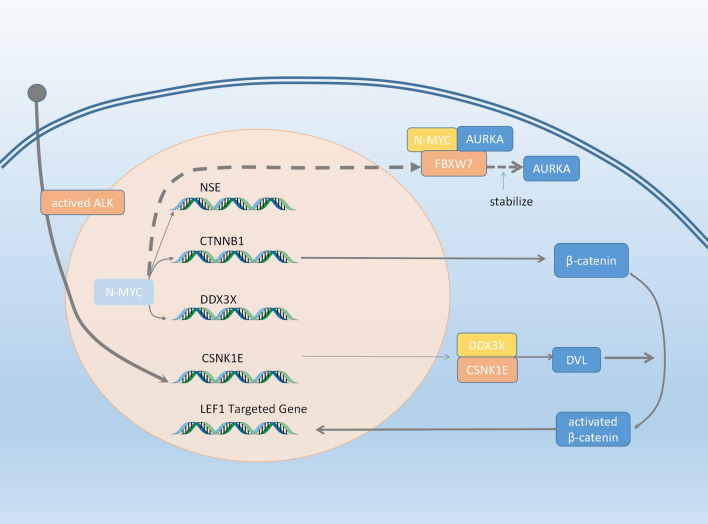
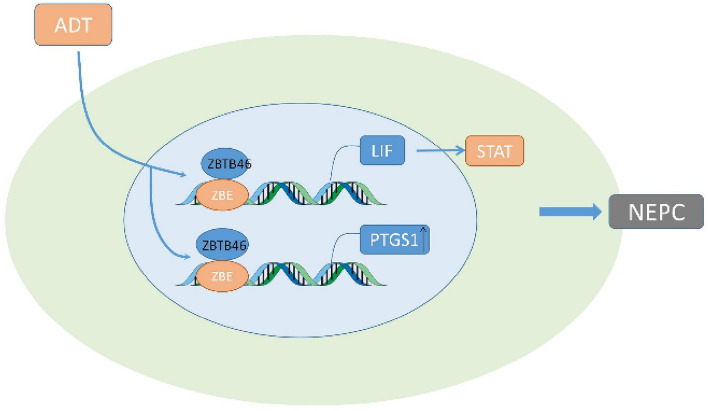
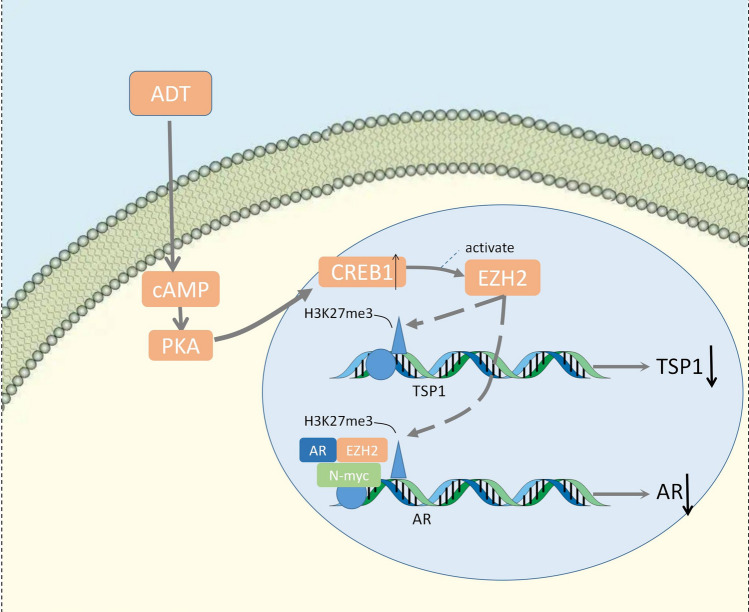
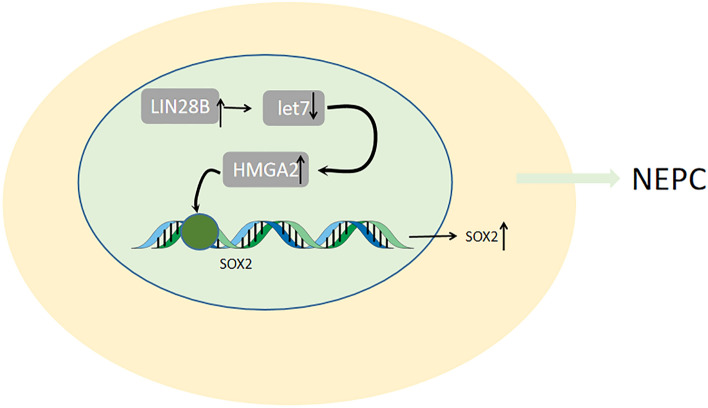
In this review, we focus on the relevant genes and molecular mechanisms that have contributed to the transformation in the progression of PCa and discuss the potential targeted molecule that might improve diagnostic accuracy and therapeutic effectiveness.
The relevant literatures from PubMed have been reviewed for this article.
Several molecular characteristics influence the progression of neuroendocrine differentiation of prostate cancer which will provide a novel sight for accurate diagnosis and target therapeutic intervention for patients with NEPC.
前列腺癌治疗管理的快速发展,特别是在第二代雄激素抑制剂方面,增加了前列腺癌(PCa)向神经内分泌前列腺癌(NEPC)转化的机会。NEPC 仍然缺乏有效的诊断和治疗干预措施。对神经内分泌分化的分子特征的研究无疑对发现新的用于准确诊断和治疗靶点的靶基因至关重要。
在这篇综述中,我们重点介绍了促进 PCa 进展过程中转化的相关基因和分子机制,并讨论了可能提高诊断准确性和治疗效果的潜在靶向分子。
本文对来自 PubMed 的相关文献进行了综述。
几种分子特征影响前列腺癌神经内分泌分化的进展,这将为 NEPC 患者的准确诊断和靶向治疗干预提供新的视角。