Zhang Xuguang, Diao Pan, Yokoyama Hiroaki, Inoue Yoshiki, Tanabe Kazuhiro, Wang Xiaojing, Hayashi Chihiro, Yokoyama Tomoki, Zhang Zhe, Hu Xiao, Nakajima Takero, Kimura Takefumi, Nakayama Jun, Nakamuta Makoto, Tanaka Naoki
Department of Metabolic Regulation, Shinshu University School of Medicine, Matsumoto, Japan.
Sumi Plus Lab Co., Ltd., Yokohama, Japan.
Front Nutr. 2022 May 12;9:852767. doi: 10.3389/fnut.2022.852767. eCollection 2022.
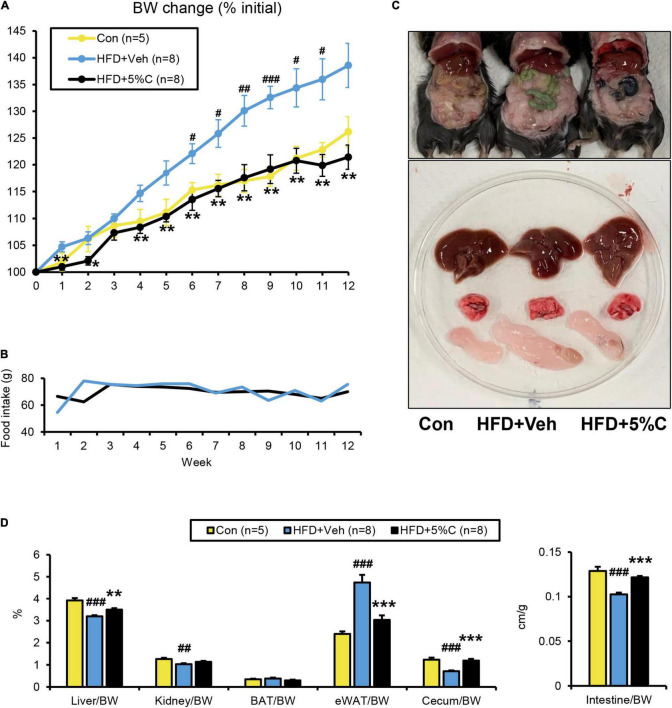
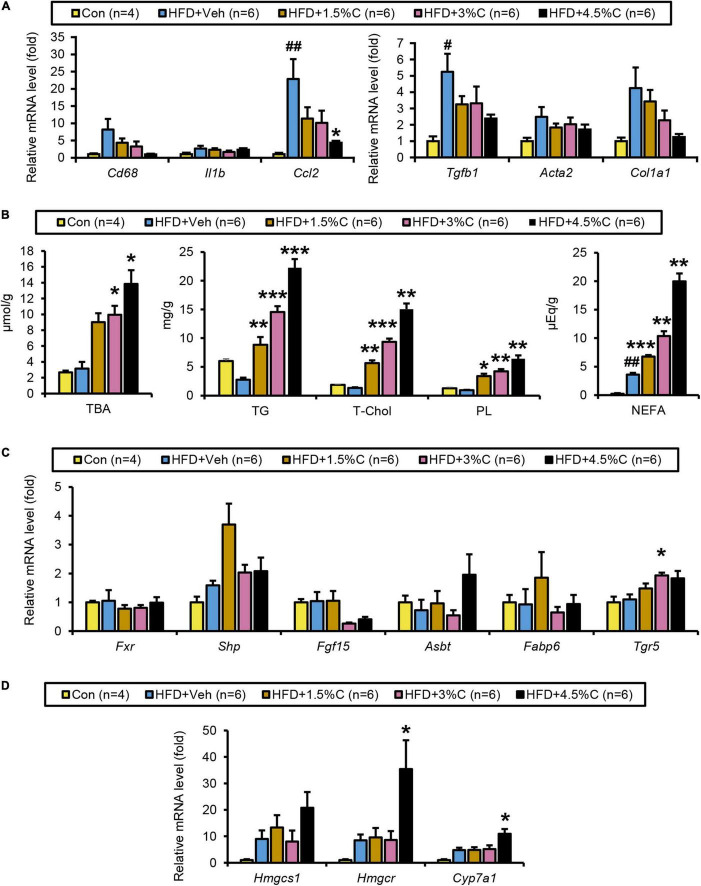
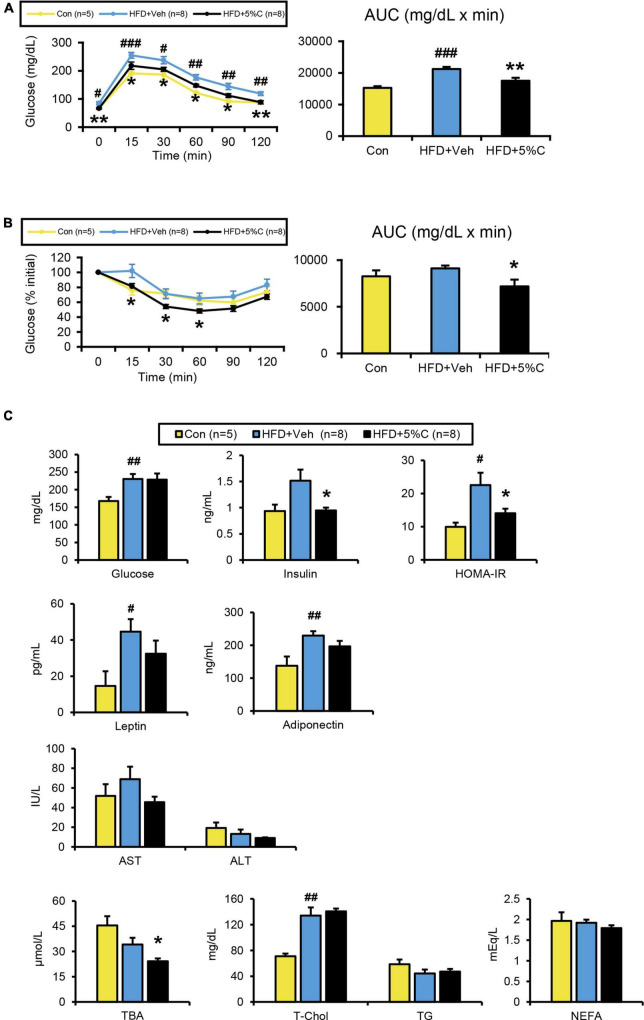
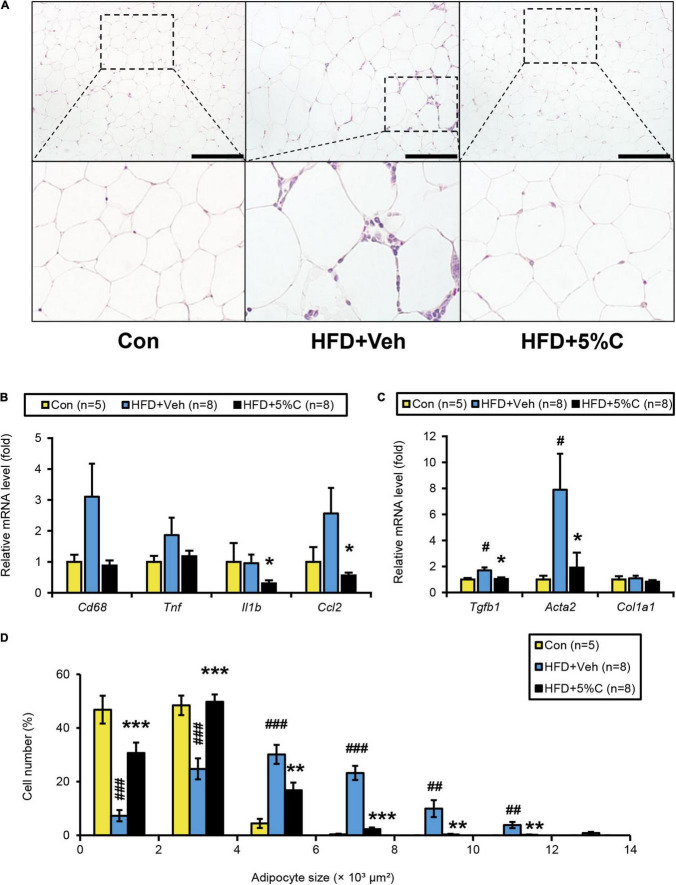
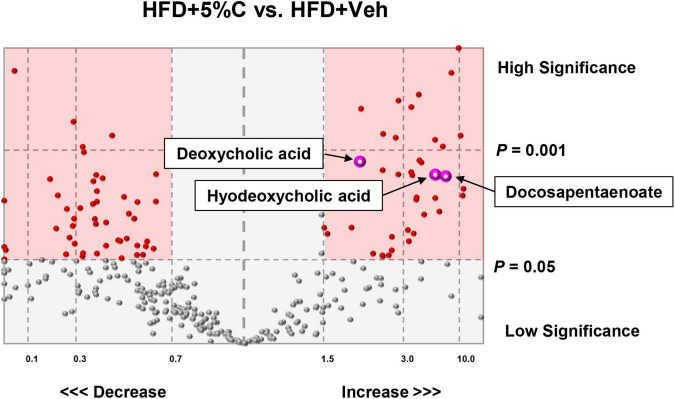
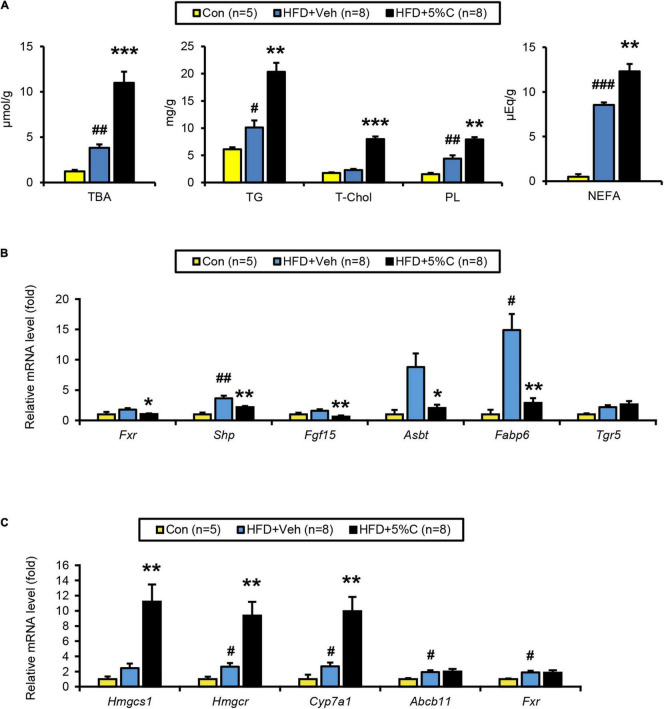
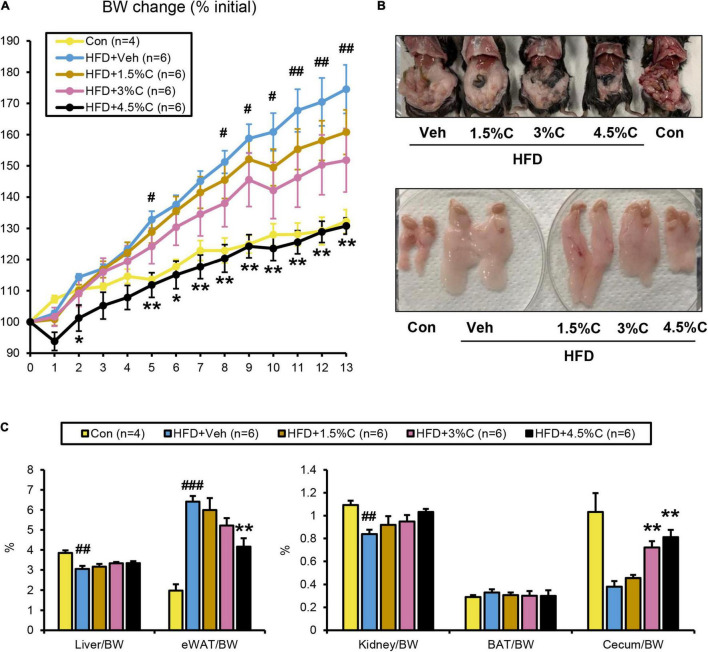
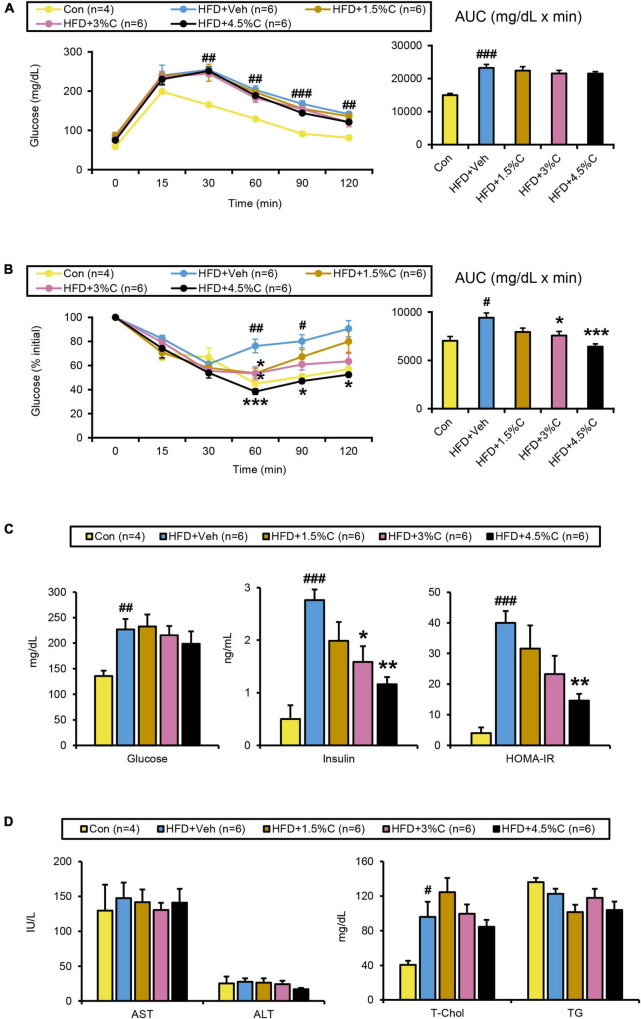
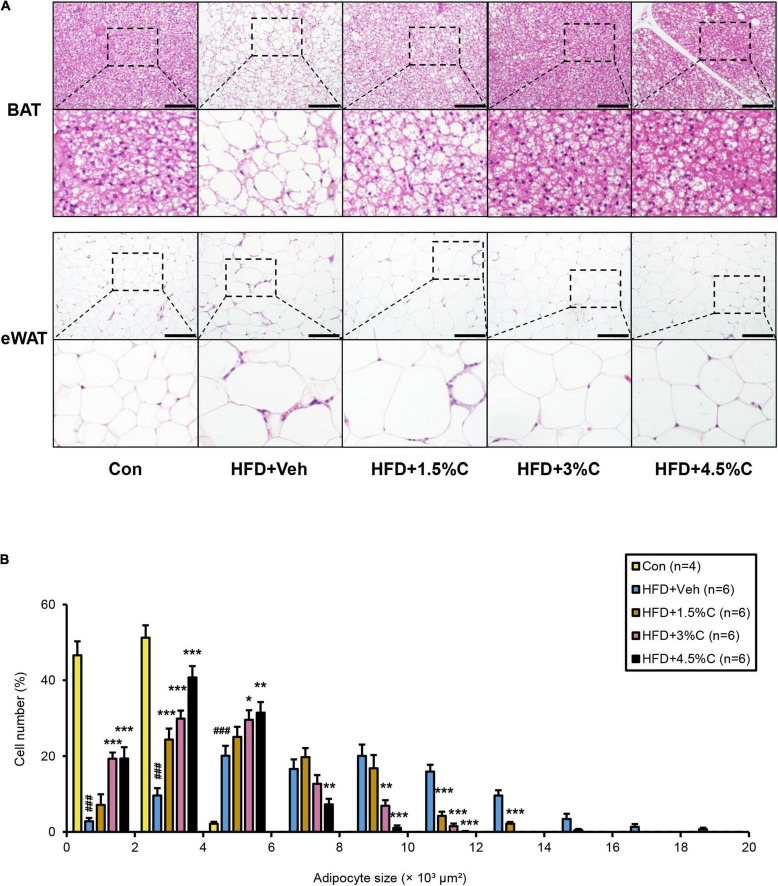
Obesity is becoming a major public health problem worldwide. Making charcoal from wood ("Sumi-yaki") has been a traditional activity in the southern part of Nagano Prefecture for centuries, with activated charcoal having reported detoxifying effects. However, it is unclear whether activated charcoal also possesses anti-obesity properties. Additionally, since activated charcoal is usually alkaline and might be affected by gastric juice, we evaluated the effect of acidic activated charcoal on high-fat diet (HFD)-induced obesity. This study demonstrated that co-treatment of acidic activated charcoal with a HFD significantly improved obesity and insulin resistance in mice in a dose-dependent manner. Metabolomic analysis of cecal contents revealed that neutral lipids, cholesterol, and bile acids were excreted at markedly higher levels in feces with charcoal treatment. Moreover, the hepatic expressions of genes encoding cholesterol 7 alpha-hydroxylase and hydroxymethylglutaryl-CoA reductase/synthase 1 were up-regulated by activated charcoal, likely reflecting the enhanced excretions from the intestine and the enterohepatic circulation of cholesterol and bile acids. No damage or abnormalities were detected in the gastrointestinal tract, liver, pancreas, and lung. In conclusion, acidic activated charcoal may be able to attenuate HFD-induced weight gain and insulin resistance without serious adverse effects. These findings indicate a novel function of charcoal to prevent obesity, metabolic syndrome, and related diseases.
肥胖正成为全球主要的公共卫生问题。几个世纪以来,在长野县南部,用木材制作木炭(“烧炭”)一直是一项传统活动,据报道活性炭具有解毒作用。然而,尚不清楚活性炭是否也具有抗肥胖特性。此外,由于活性炭通常呈碱性,可能会受到胃液的影响,我们评估了酸性活性炭对高脂饮食(HFD)诱导的肥胖的影响。本研究表明,酸性活性炭与高脂饮食联合处理可显著改善小鼠的肥胖和胰岛素抵抗,且呈剂量依赖性。对盲肠内容物的代谢组学分析显示,经木炭处理后,粪便中中性脂质、胆固醇和胆汁酸的排泄水平明显升高。此外,活性炭上调了编码胆固醇7α-羟化酶和羟甲基戊二酰辅酶A还原酶/合酶1的基因的肝脏表达,这可能反映了肠道排泄以及胆固醇和胆汁酸肝肠循环的增强。在胃肠道、肝脏、胰腺和肺中未检测到损伤或异常。总之,酸性活性炭可能能够减轻高脂饮食诱导的体重增加和胰岛素抵抗,且无严重不良反应。这些发现表明木炭具有预防肥胖、代谢综合征及相关疾病的新功能。