Department of Genetics, University of Groningen, University Medical Center Groningen, Groningen, Netherlands.
Centre for Individualised Infection Medicine, CiiM, a joint venture between the Hannover Medical School and the Helmholtz Centre for Infection Research, Hannover, Germany.
Elife. 2022 May 31;11:e73709. doi: 10.7554/eLife.73709.
The large inter-individual variability in immune-cell composition and function determines immune responses in general and susceptibility o immune-mediated diseases in particular. While much has been learned about the genetic variants relevant for type 1 diabetes (T1D), the pathophysiological mechanisms through which these variations exert their effects remain unknown.
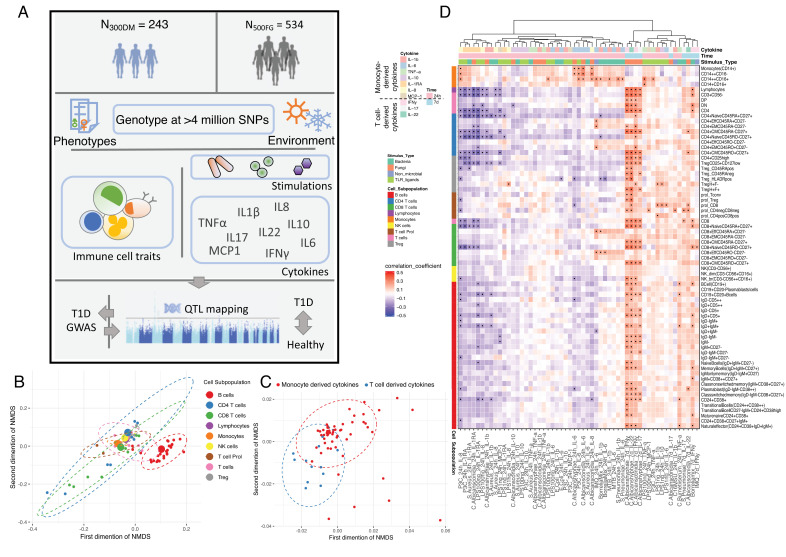
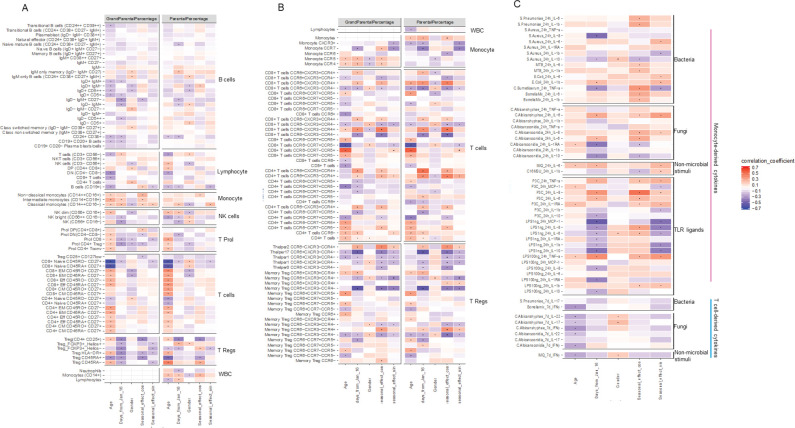
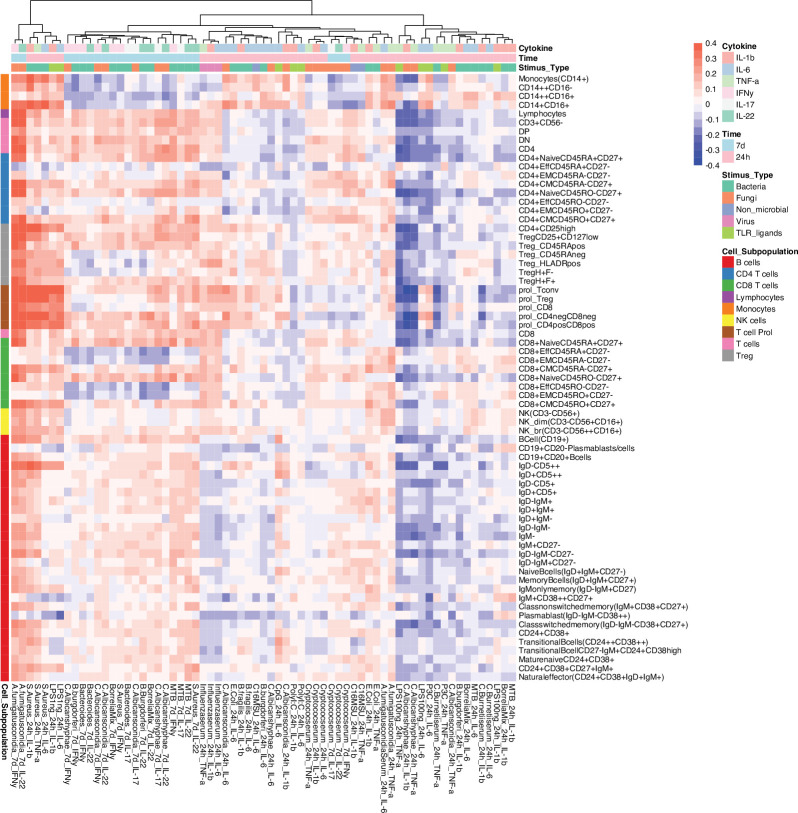
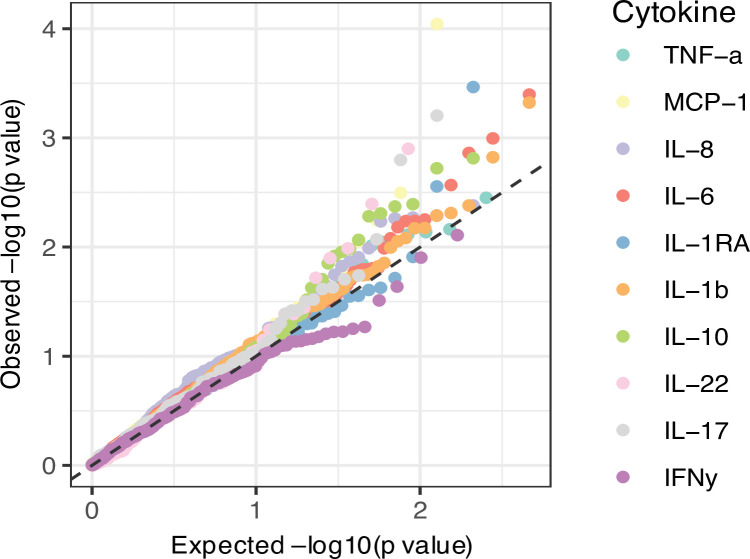
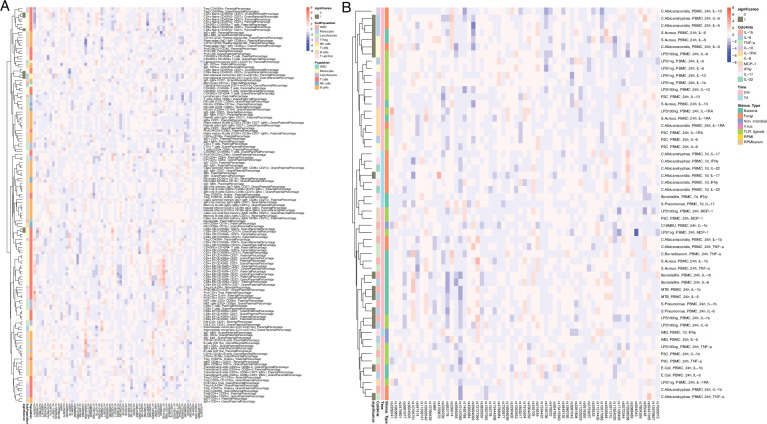
Blood samples were collected from 243 patients with T1D of Dutch descent. We applied genetic association analysis on >200 immune-cell traits and >100 cytokine production profiles in response to stimuli measured to identify genetic determinants of immune function, and compared the results obtained in T1D to healthy controls.
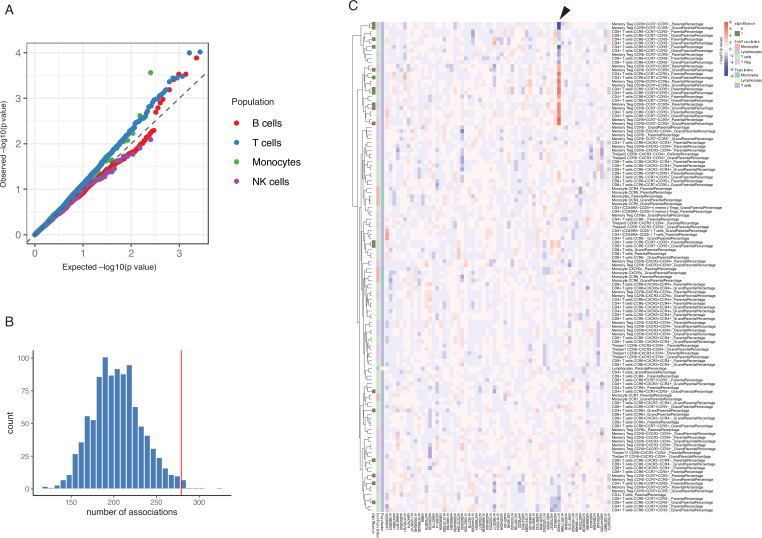
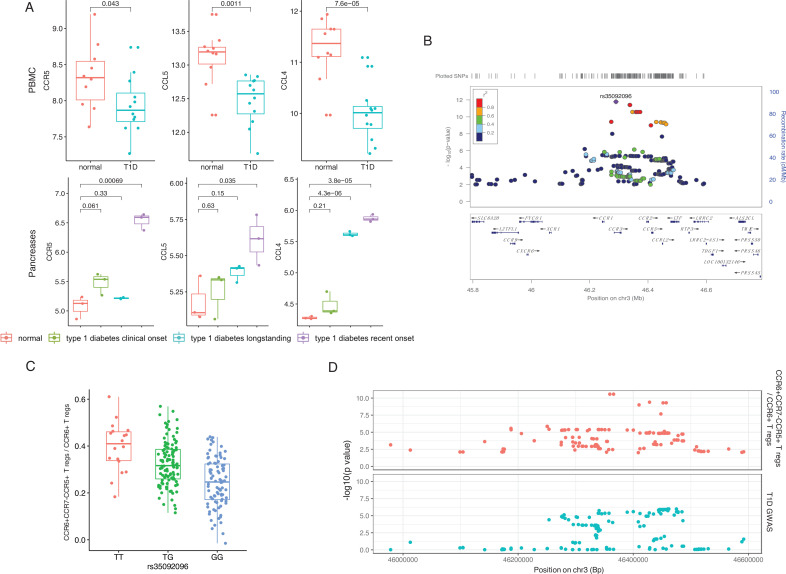
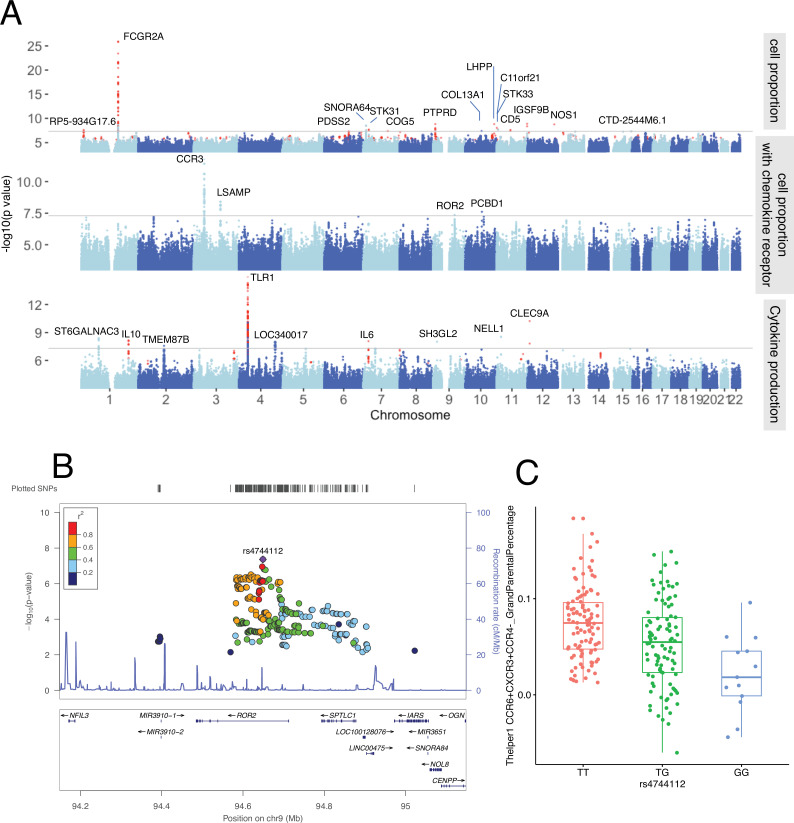
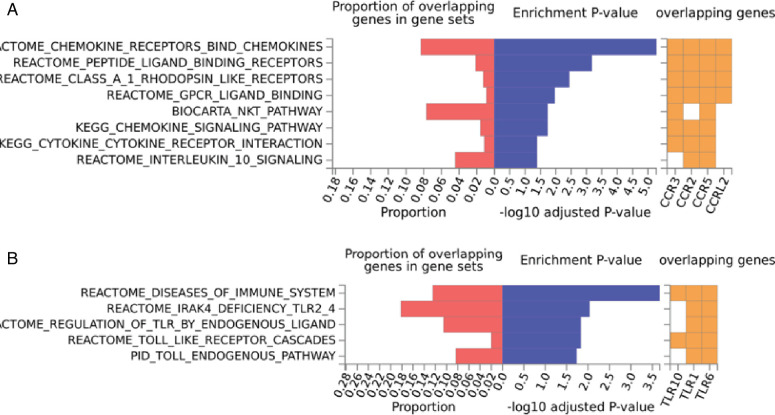
Genetic variants that determine susceptibility to T1D significantly affect T cell composition. Specifically, the CCR5+ regulatory T cells associate with T1D through the CCR region, suggesting a shared genetic regulation. Genome-wide quantitative trait loci (QTLs) mapping analysis of immune traits revealed 15 genetic loci that influence immune responses in T1D, including 12 that have never been reported in healthy population studies, implying a disease-specific genetic regulation.
This study provides new insights into the genetic factors that affect immunological responses in T1D.
This work was supported by an ERC starting grant (no. 948207) and a Radboud University Medical Centre Hypatia grant (2018) to YL and an ERC advanced grant (no. 833247) and a Spinoza grant of the Netherlands Association for Scientific Research to MGN CT received funding from the Perspectief Biomarker Development Center Research Programme, which is (partly) financed by the Netherlands Organisation for Scientific Research (NWO). AJ was funded by a grant from the European Foundation for the Study of Diabetes (EFSD/AZ Macrovascular Programme 2015). XC was supported by the China Scholarship Council (201706040081).
个体间免疫细胞组成和功能的巨大差异决定了一般的免疫反应,特别是免疫介导疾病的易感性。虽然已经了解了与 1 型糖尿病(T1D)相关的遗传变异,但这些变异发挥作用的病理生理机制仍不清楚。
我们从 243 名荷兰裔 T1D 患者中采集了血液样本。我们应用遗传关联分析方法,对 >200 种免疫细胞特征和 >100 种细胞因子产生谱进行了研究,以确定免疫功能的遗传决定因素,并将在 T1D 中获得的结果与健康对照组进行了比较。
决定 T1D 易感性的遗传变异显著影响 T 细胞组成。具体来说,CCR5+调节性 T 细胞通过 CCR 区域与 T1D 相关,表明存在共同的遗传调控。对免疫特征进行全基因组数量性状基因座(QTL)映射分析,发现了 15 个影响 T1D 免疫反应的遗传位点,其中包括 12 个在健康人群研究中从未报道过的位点,这意味着存在特定于疾病的遗传调控。
这项研究为影响 T1D 免疫反应的遗传因素提供了新的见解。
这项工作得到了 ERC 起始资助(编号 948207)和 Radboud 大学医学中心 Hypatia 资助(2018 年)(编号 948207),用于 YL,以及 ERC 高级资助(编号 833247)和荷兰科学研究组织的 Spinoza 资助(编号 833247),用于 MGN CT 从 Perspectief Biomarker Development Center Research Programme 获得资金,该计划部分由荷兰科学研究组织(NWO)资助。AJ 得到了欧洲糖尿病研究基金会(EFSD/AZ 大血管计划 2015 年)的资助。XC 得到了中国国家留学基金委(201706040081)的支持。