Liang Siping, Li Jiaying, Zou Zhengyu, Mao Miao, Ming Siqi, Lin Fan, Zhang Ziyan, Cao Can, Zhou Jinyu, Zhang Yuanqing, Li Jiaping, Wu Minhao
Zhongshan School of Medicine, Sun Yat-sen University, Guangzhou 510080, China.
Department of Laboratory Medicine, Guangdong Second Provincial General Hospital, Guangzhou 510317, China.
Acta Pharm Sin B. 2022 May;12(5):2494-2505. doi: 10.1016/j.apsb.2021.12.010. Epub 2021 Dec 22.
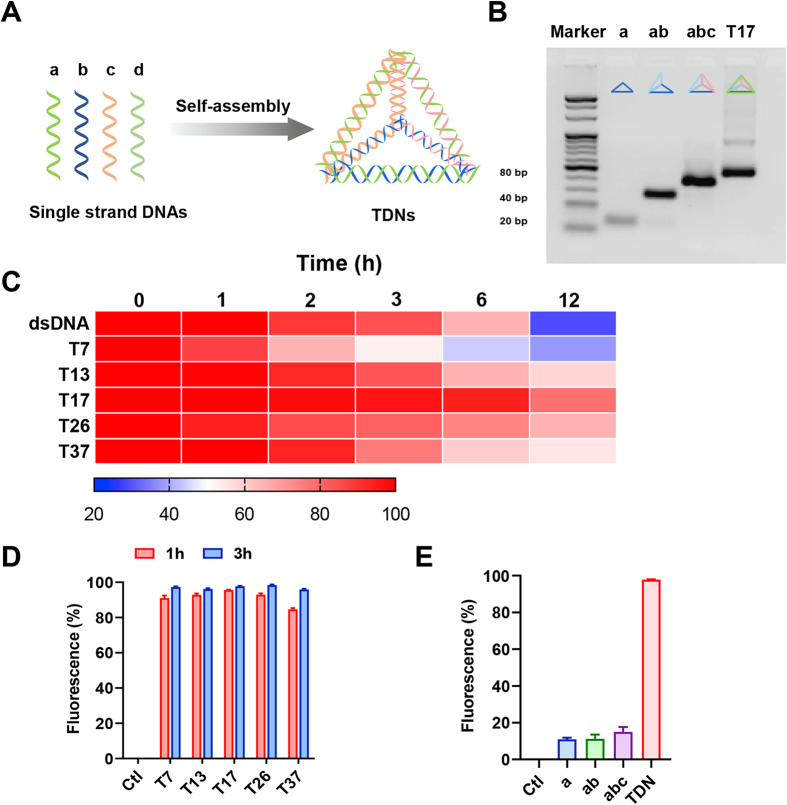
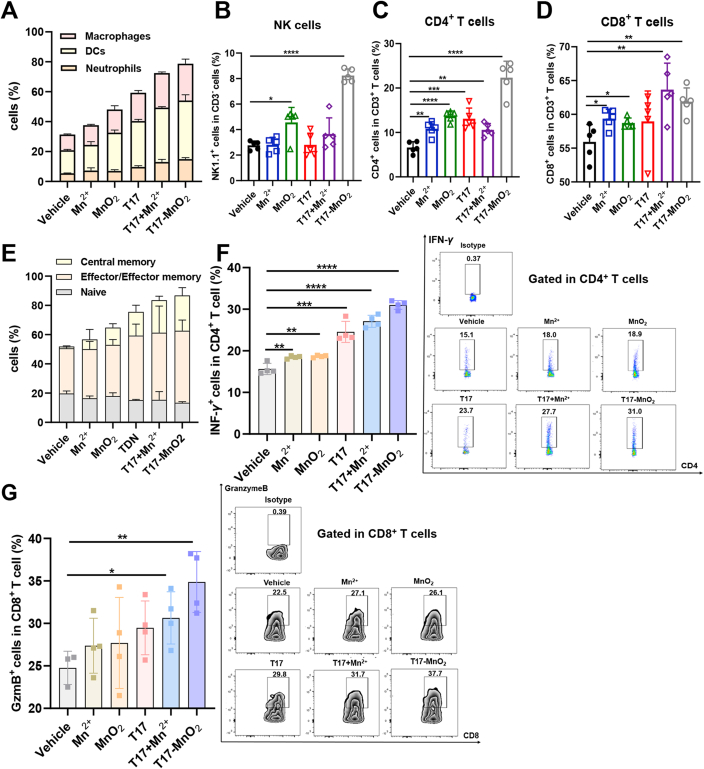
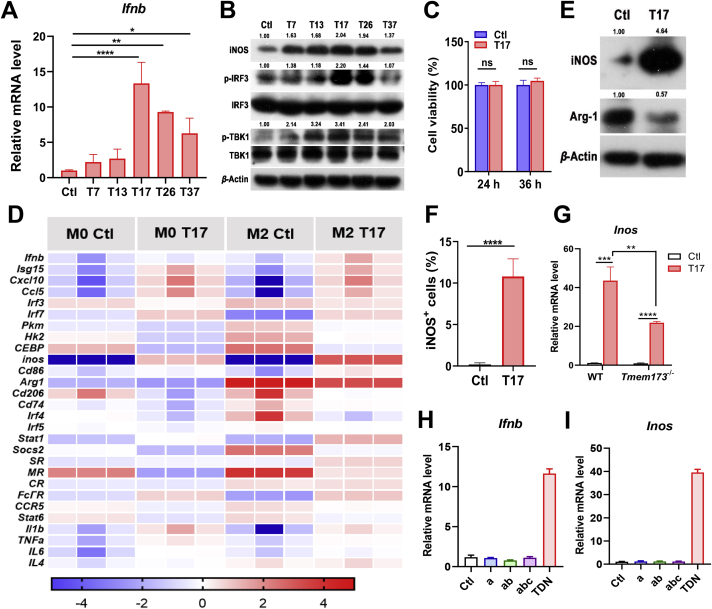
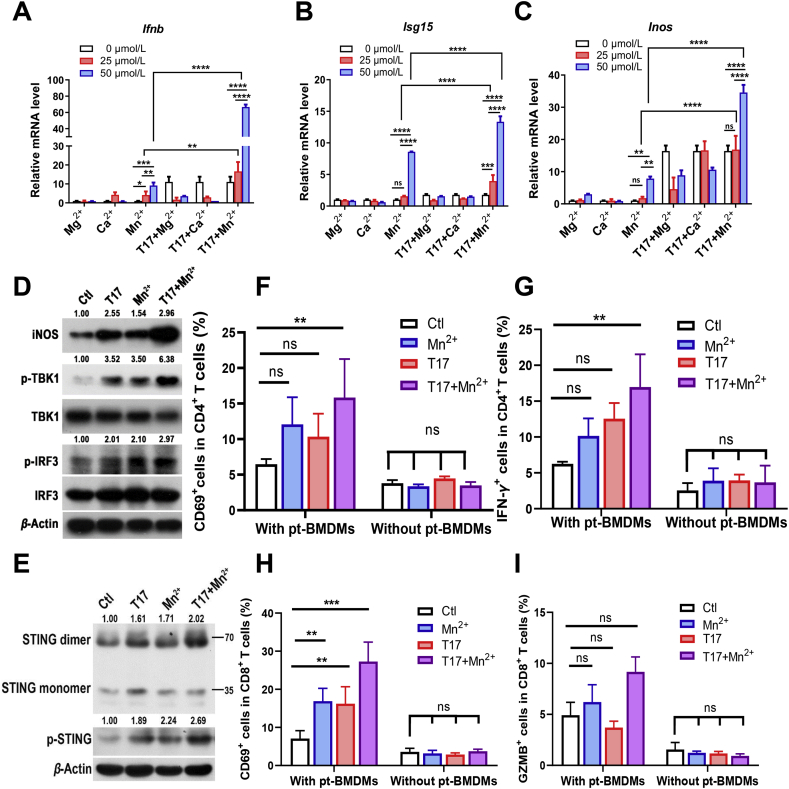
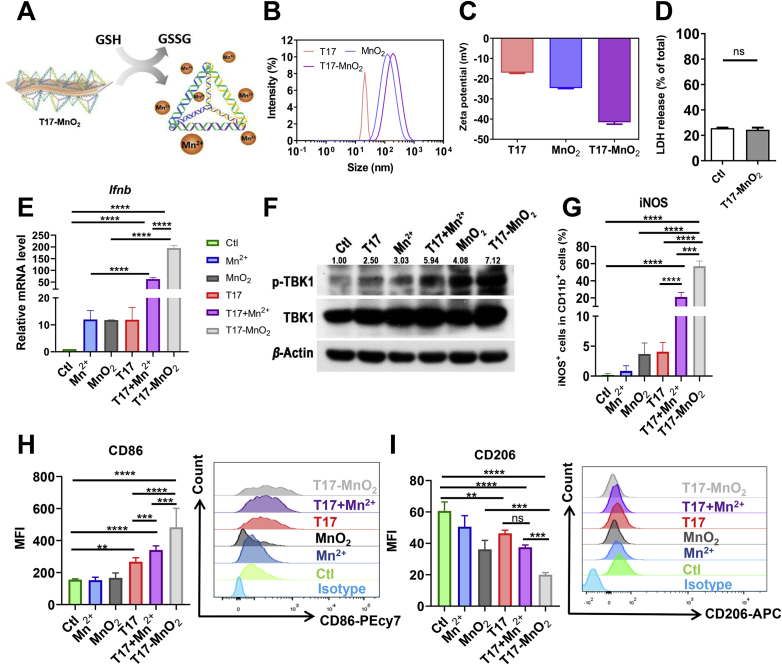
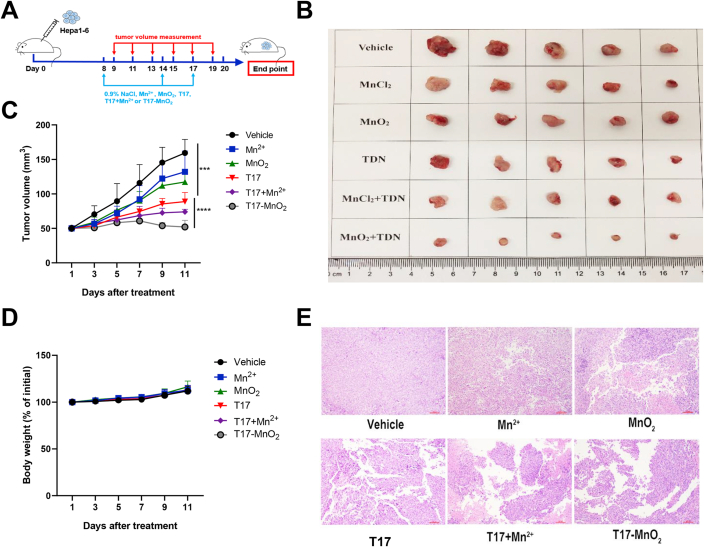
Stimulator of interferon genes (STING) is a cytosolic DNA sensor which is regarded as a potential target for antitumor immunotherapy. However, clinical trials of STING agonists display limited anti-tumor effects and dose-dependent side-effects like inflammatory damage and cell toxicity. Here, we showed that tetrahedral DNA nanostructures (TDNs) actively enter macrophages to promote STING activation and M1 polarization in a size-dependent manner, and synergized with Mn to enhance the expressions of IFN- and iNOS, as well as the co-stimulatory molecules for antigen presentation. Moreover, to reduce the cytotoxicity of Mn, we constructed a TDN-MnO complex and found that it displayed a much higher efficacy than TDN plus Mn to initiate macrophage activation and anti-tumor response both and . Together, our studies explored a novel immune activation effect of TDN in cancer therapy and its synergistic therapeutic outcomes with MnO. These findings provide new therapeutic opportunities for cancer therapy.
干扰素基因刺激因子(STING)是一种胞质DNA传感器,被视为抗肿瘤免疫治疗的潜在靶点。然而,STING激动剂的临床试验显示出有限的抗肿瘤效果以及诸如炎症损伤和细胞毒性等剂量依赖性副作用。在此,我们表明四面体DNA纳米结构(TDNs)能够主动进入巨噬细胞,以尺寸依赖的方式促进STING激活和M1极化,并与锰协同增强干扰素和诱导型一氧化氮合酶的表达,以及抗原呈递的共刺激分子。此外,为降低锰的细胞毒性,我们构建了一种TDN-MnO复合物,发现其在体内和体外引发巨噬细胞激活和抗肿瘤反应方面均比TDN加锰显示出更高的疗效。总之,我们的研究探索了TDN在癌症治疗中的新型免疫激活作用及其与MnO的协同治疗效果。这些发现为癌症治疗提供了新的治疗机会。