School of Medicine, The 2nd Affiliated Hospital, The Chinese University of Hong Kong, Shenzhen (CUHK-Shenzhen), Guangdong 518172, P.R. China.
Department of Radiation Oncology, Shenzhen People's Hospital (The Second Clinical Medical College, Jinan University; The First Affiliated Hospital, Southern University of Science and Technology), Shenzhen 518020, Guangdong China.
ACS Nano. 2023 Aug 22;17(16):15449-15465. doi: 10.1021/acsnano.3c01215. Epub 2023 Aug 2.
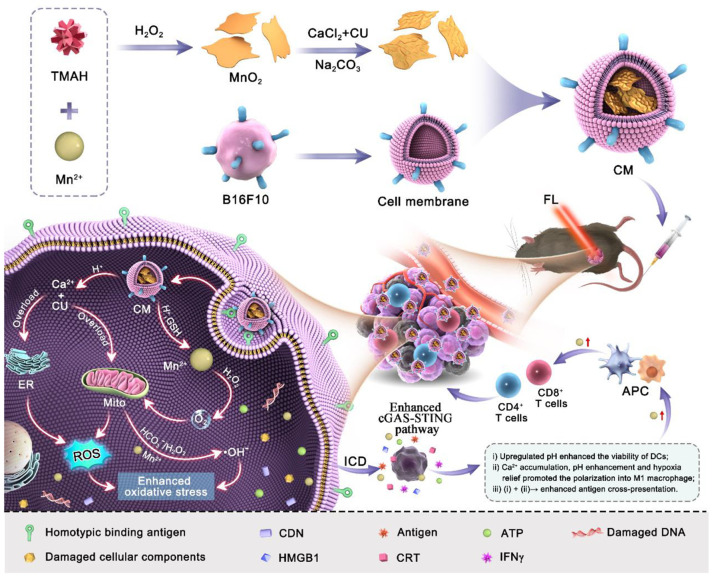
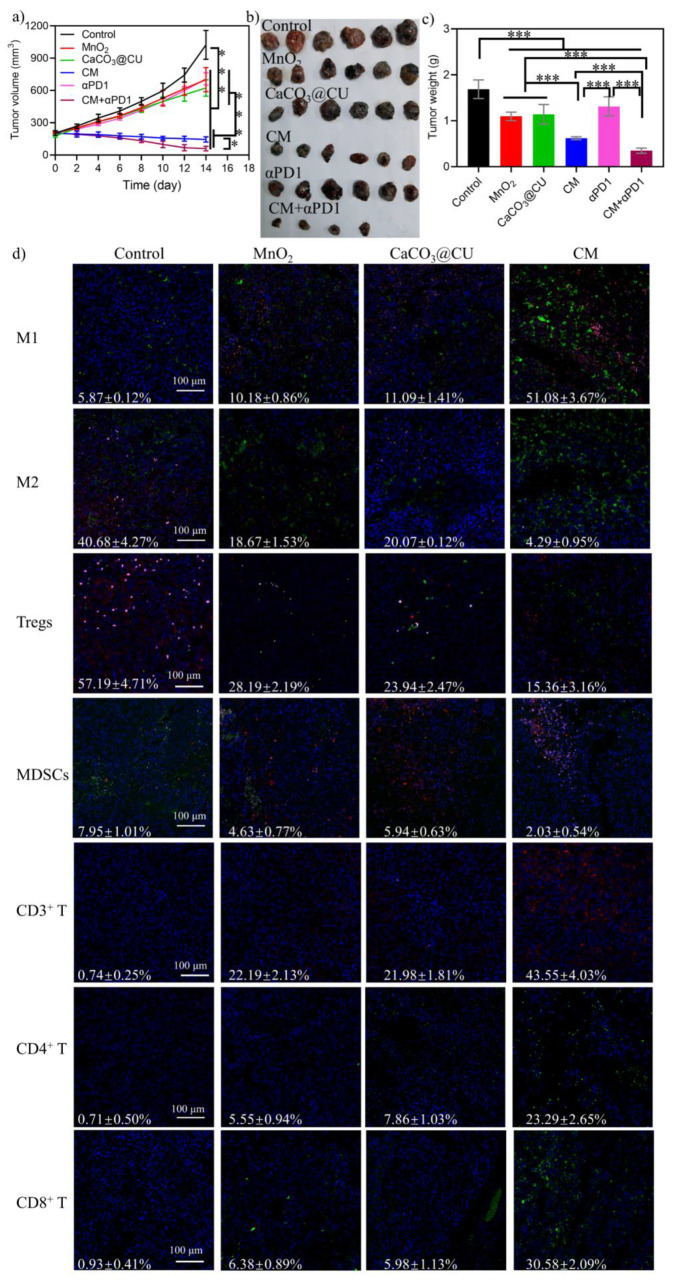
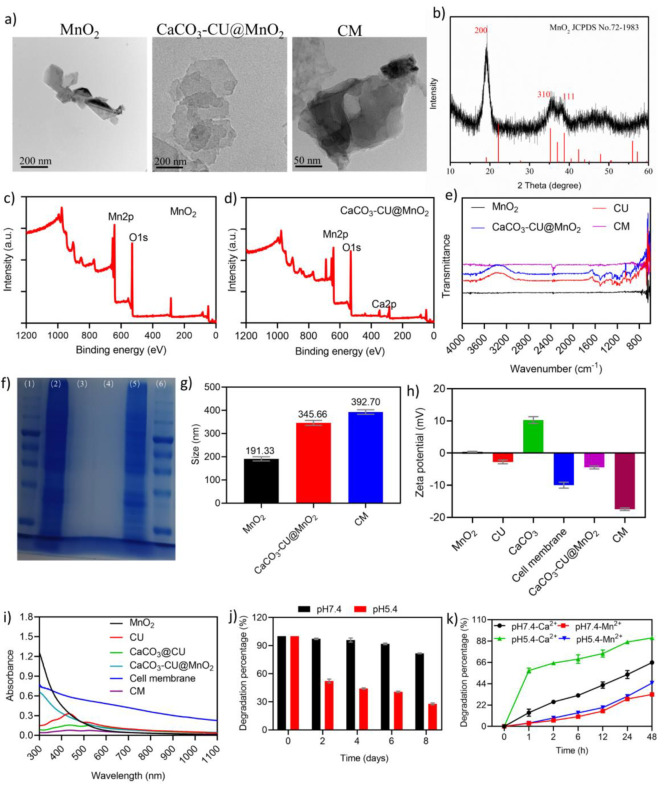
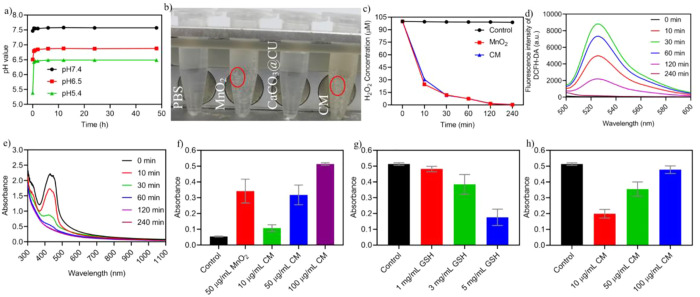
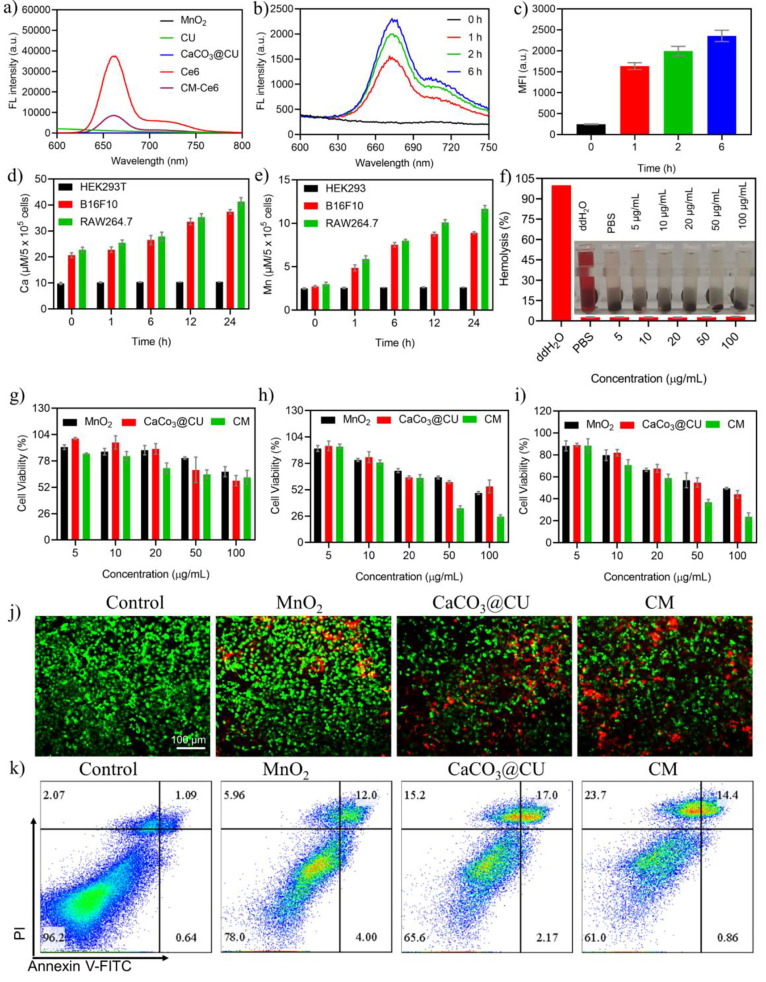
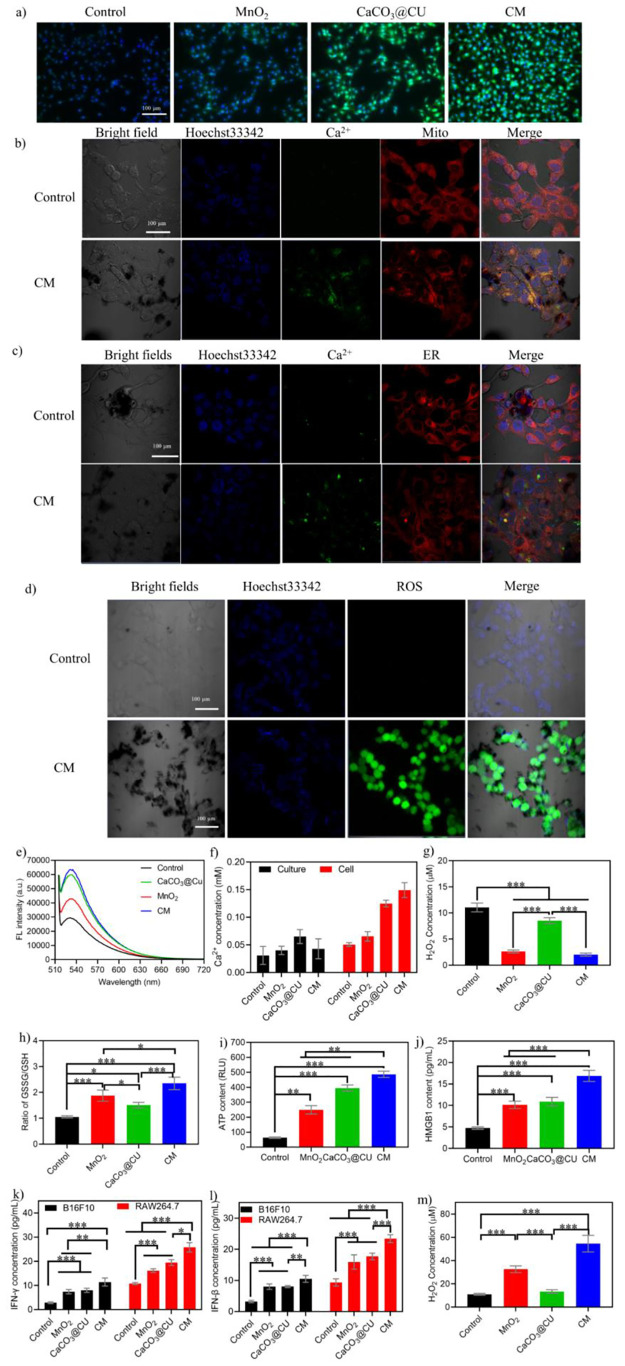
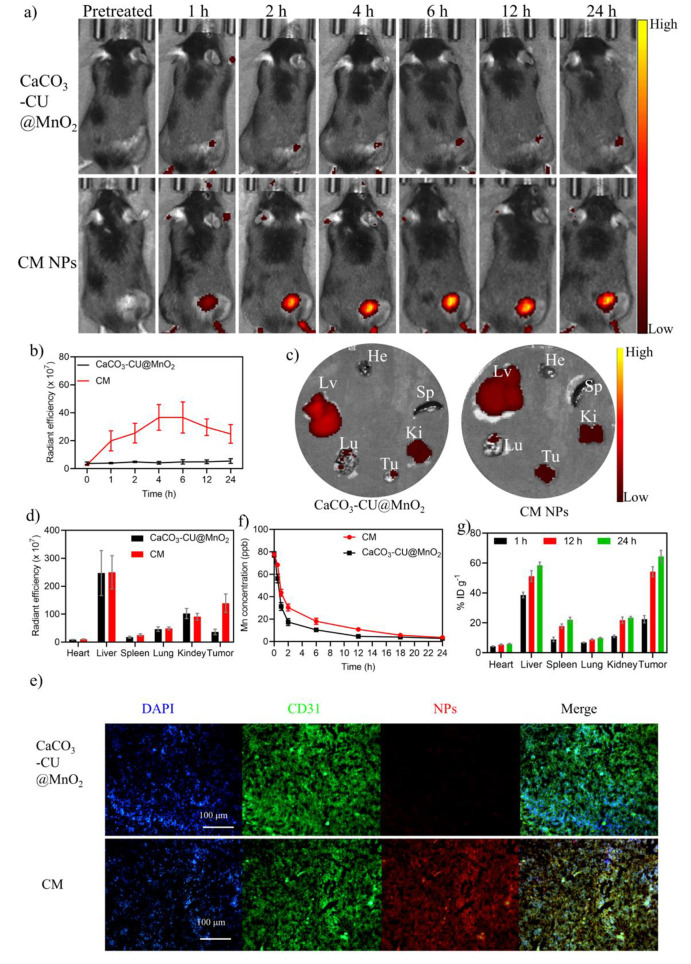
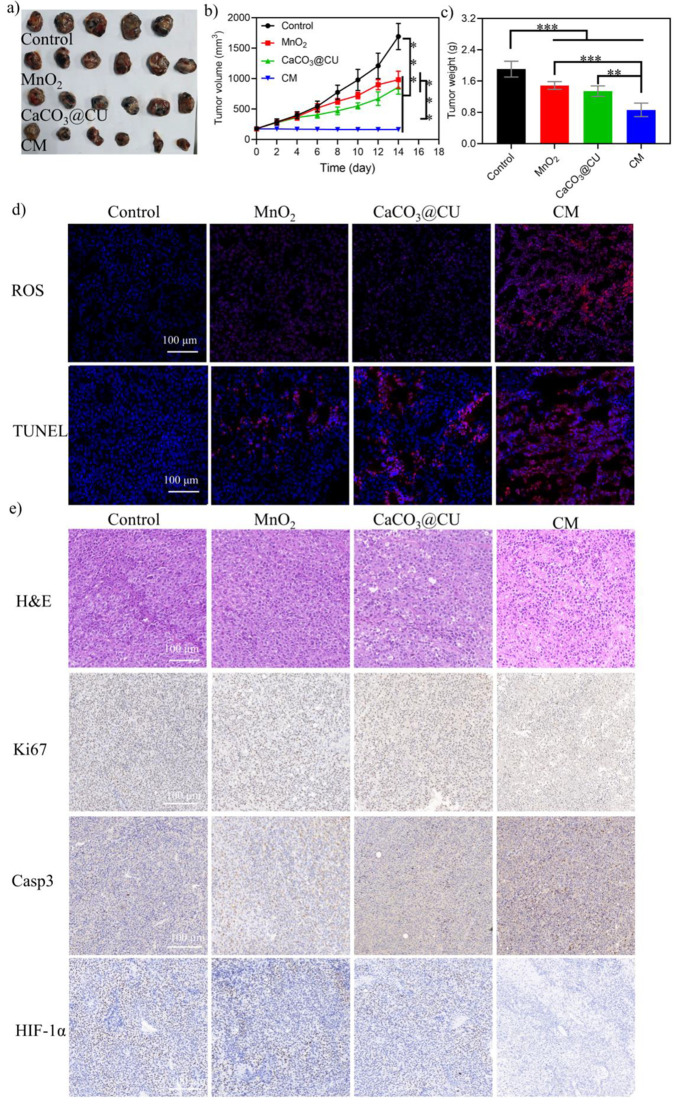
Ions play a vital role in regulating various biological processes, including metabolic and immune homeostasis, which involves tumorigenesis and therapy. Thus, the perturbation of ion homeostasis can induce tumor cell death and evoke immune responses, providing specific antitumor effects. However, antitumor strategies that exploit the effects of multiion perturbation are rare. We herein prepared a pH-responsive nanomodulator by coloading curcumin (CU, a Ca enhancer) with CaCO and MnO into nanoparticles coated with a cancer cell membrane. This nanoplatform was aimed at reprogramming the tumor microenvironment (TME) and providing an antitumor treatment through ion fluctuation. The obtained nanoplatform, called CM NPs, could neutralize protons by decomposing CaCO and attenuating cellular acidity, they could generate Ca and release CU, elevating Ca levels and promoting ROS generation in the mitochondria and endoplasmic reticulum, thus, inducing immunogenic cell death. Mn could decompose the endogenous HO into O to relieve hypoxia and enhance the sensitivity of cGAS, activating the cGAS-STING signaling pathway. In addition, this strategy allowed the reprogramming of the immune TME, inducing macrophage polarization and dendritic cell maturation via antigen cross-presentation, thereby increasing the immune system's ability to combat the tumor effectively. Moreover, the as-prepared nanoparticles enhanced the antitumor responses of the αPD1 treatment. This study proposes an effective strategy to combat tumors via the reprogramming of the tumor TME and the alteration of essential ions concentrations. Thus, it shows great potential for future clinical applications as a complementary approach along with other multimodal treatment strategies.
离子在调节各种生物过程中起着至关重要的作用,包括代谢和免疫稳态,这涉及肿瘤发生和治疗。因此,离子稳态的失调可以诱导肿瘤细胞死亡并引发免疫反应,提供特定的抗肿瘤效果。然而,利用多离子扰动的抗肿瘤策略很少见。我们在此通过将姜黄素(CU,一种钙增强剂)与 CaCO 和 MnO 共负载到涂有癌细胞膜的纳米粒子中,制备了一种 pH 响应的纳米调节剂。这个纳米平台旨在通过离子波动重新编程肿瘤微环境(TME)并提供抗肿瘤治疗。所得纳米平台称为 CM NPs,通过分解 CaCO 和减轻细胞酸度来中和质子,它们可以产生 Ca 并释放 CU,从而提高线粒体和内质网中的 Ca 水平并促进 ROS 的产生,从而诱导免疫原性细胞死亡。Mn 可以将内源性 HO 分解成 O 以缓解缺氧并增强 cGAS 的敏感性,激活 cGAS-STING 信号通路。此外,这种策略允许重新编程免疫 TME,通过抗原交叉呈递诱导巨噬细胞极化和树突状细胞成熟,从而提高免疫系统有效对抗肿瘤的能力。此外,所制备的纳米粒子增强了 αPD1 治疗的抗肿瘤反应。本研究提出了一种通过重新编程肿瘤 TME 和改变必需离子浓度来有效对抗肿瘤的策略。因此,它作为与其他多模态治疗策略互补的方法,具有很大的临床应用潜力。