Luo Jiahao, Yuan Qianqian, Mao Yufeng, Wei Fan, Zhao Juntao, Yu Wentong, Kong Shutian, Guo Yanmei, Cai Jingyi, Liao Xiaoping, Wang Zhiwen, Ma Hongwu
Key Laboratory of Systems Bioengineering (Ministry of Education), SynBio Research Platform, Collaborative Innovation Center of Chemical Science and Engineering (Tianjin), Frontier Science Center for Synthetic Biology (Ministry of Education), Department of Biochemical Engineering, School of Chemical Engineering and Technology, Tianjin University, Tianjin, China.
Biodesign Center, Key Laboratory of Systems Microbial Biotechnology, Tianjin Institute of Industrial Biotechnology, Chinese Academy of Sciences, Tianjin, China.
Front Bioeng Biotechnol. 2022 May 12;10:913077. doi: 10.3389/fbioe.2022.913077. eCollection 2022.
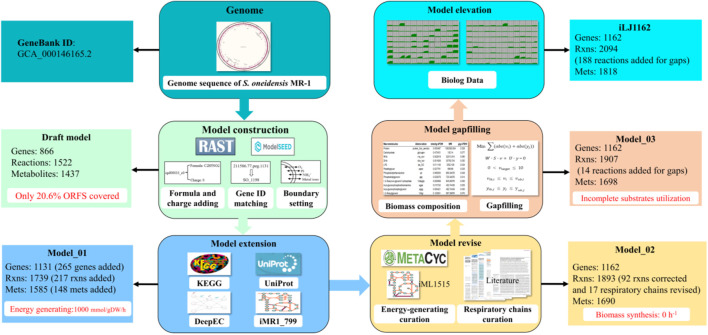
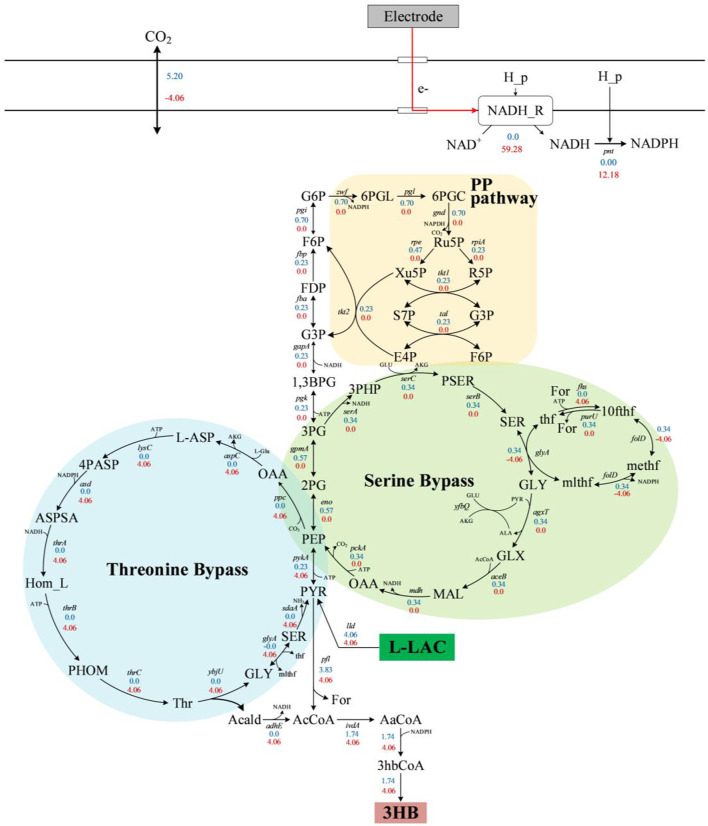
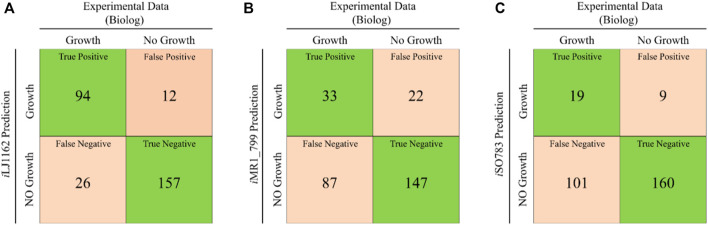
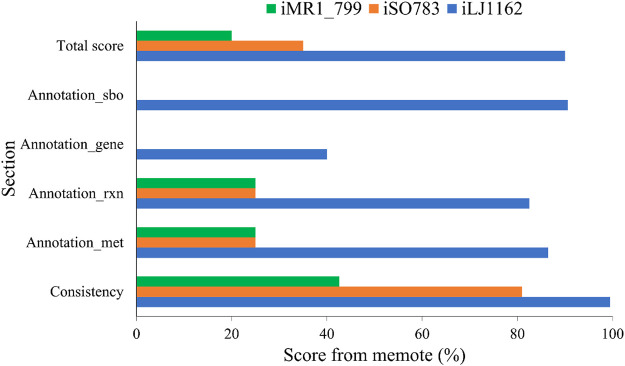
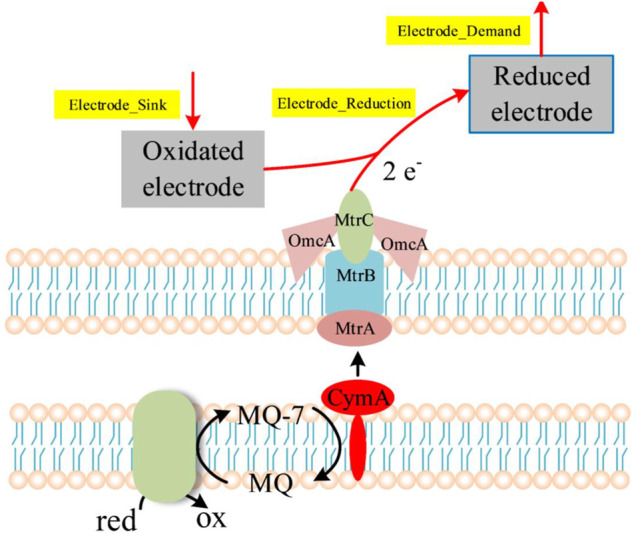
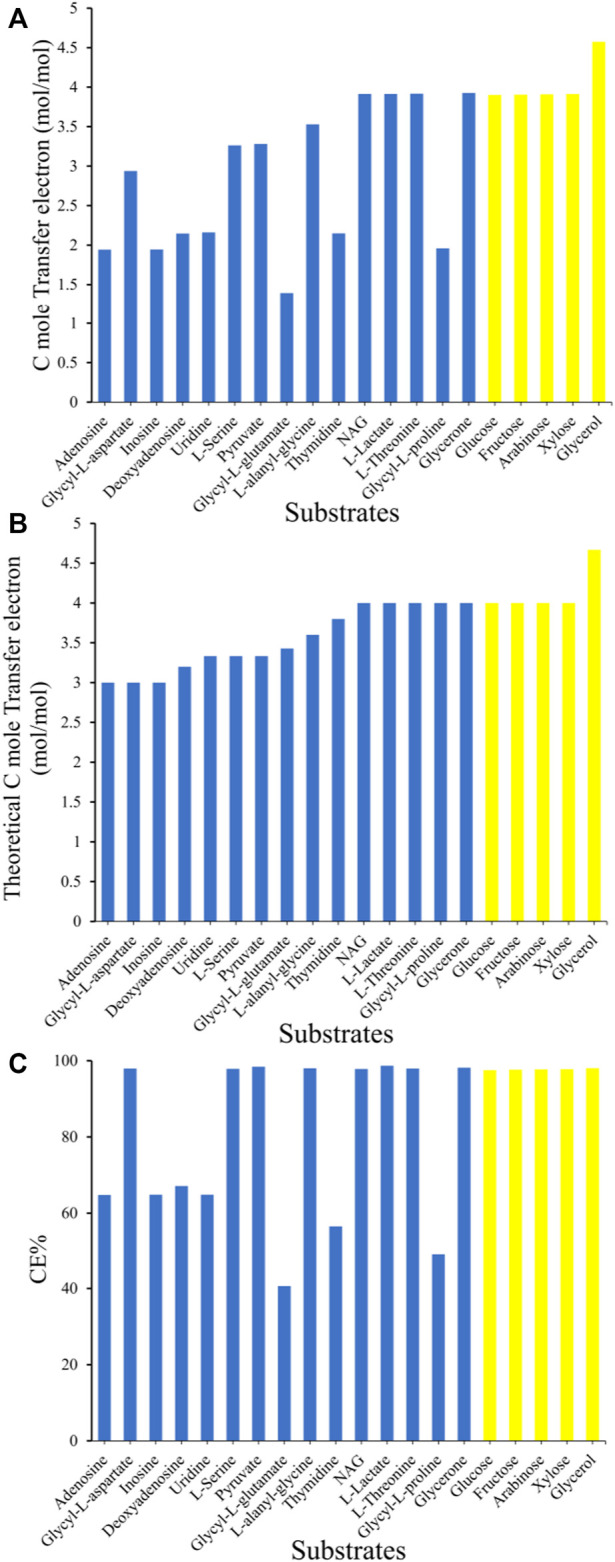
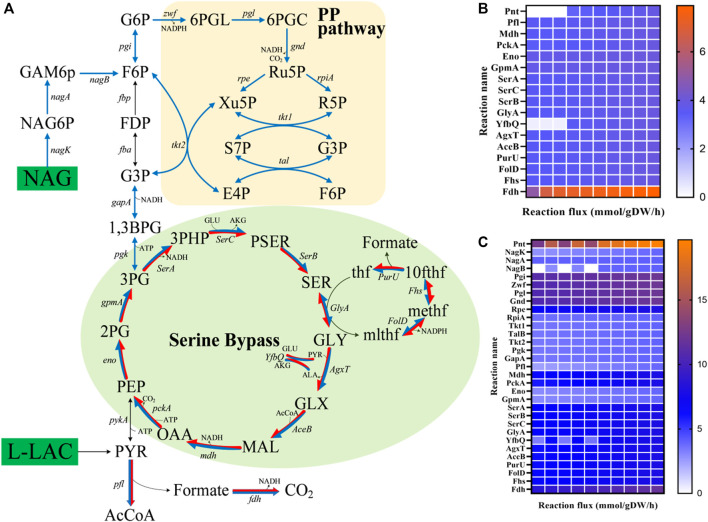
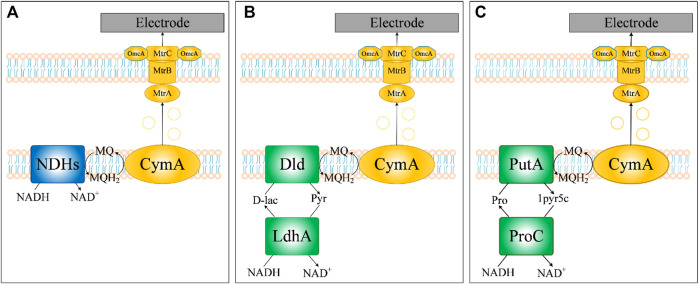
Bioelectrochemical systems (BESs) based on MR-1 offer great promise for sustainable energy/chemical production, but the low rate of electron generation remains a crucial bottleneck preventing their industrial application. Here, we reconstructed a genome-scale metabolic model of MR-1 to provide a strong theoretical basis for novel BES applications. The model iLJ1162, comprising 1,162 genes, 1,818 metabolites and 2,084 reactions, accurately predicted cellular growth using a variety of substrates with 86.9% agreement with experimental results, which is significantly higher than the previously published models iMR1_799 and iSO783. The simulation of microbial fuel cells indicated that expanding the substrate spectrum of MR-1 to highly reduced feedstocks, such as glucose and glycerol, would be beneficial for electron generation. In addition, 31 metabolic engineering targets were predicted to improve electricity production, three of which have been experimentally demonstrated, while the remainder are potential targets for modification. Two potential electron transfer pathways were identified, which could be new engineering targets for increasing the electricity production capacity of MR-1. Finally, the iLJ1162 model was used to simulate the optimal biosynthetic pathways for six platform chemicals based on the MR-1 chassis in microbial electrosynthesis systems. These results offer guidance for rational design of novel BESs.
基于MR-1的生物电化学系统(BESs)在可持续能源/化学品生产方面具有巨大潜力,但电子生成速率较低仍然是阻碍其工业应用的关键瓶颈。在此,我们重建了MR-1的基因组规模代谢模型,为新型BES应用提供坚实的理论基础。该模型iLJ1162包含1162个基因、1818个代谢物和2084个反应,使用多种底物准确预测细胞生长,与实验结果的一致性达86.9%,显著高于先前发表的模型iMR1_799和iSO783。微生物燃料电池模拟表明,将MR-1的底物谱扩展到高度还原的原料,如葡萄糖和甘油,将有利于电子生成。此外,预测了31个代谢工程靶点以提高电力生产,其中3个已通过实验验证,其余为潜在的修饰靶点。确定了两条潜在的电子转移途径,这可能是提高MR-1电力生产能力的新工程靶点。最后,iLJ1162模型用于模拟基于微生物电合成系统中MR-1底盘的六种平台化学品的最佳生物合成途径。这些结果为新型BESs的合理设计提供了指导。