Yan Sijia, Sui Mingxing, Tian Hongzhe, Fu Jiazhao, Li Yanfeng, Chen Jing, Zeng Li, Ding Xianting
State Key Laboratory of Oncogenes and Related Genes, Institute for Personalized Medicine, School of Biomedical Engineering, Shanghai Jiao Tong University, Shanghai, China.
Department of Organ Transplantation, Changhai Hospital, Navy Medical University, Shanghai, China.
Front Med (Lausanne). 2022 May 10;9:847512. doi: 10.3389/fmed.2022.847512. eCollection 2022.
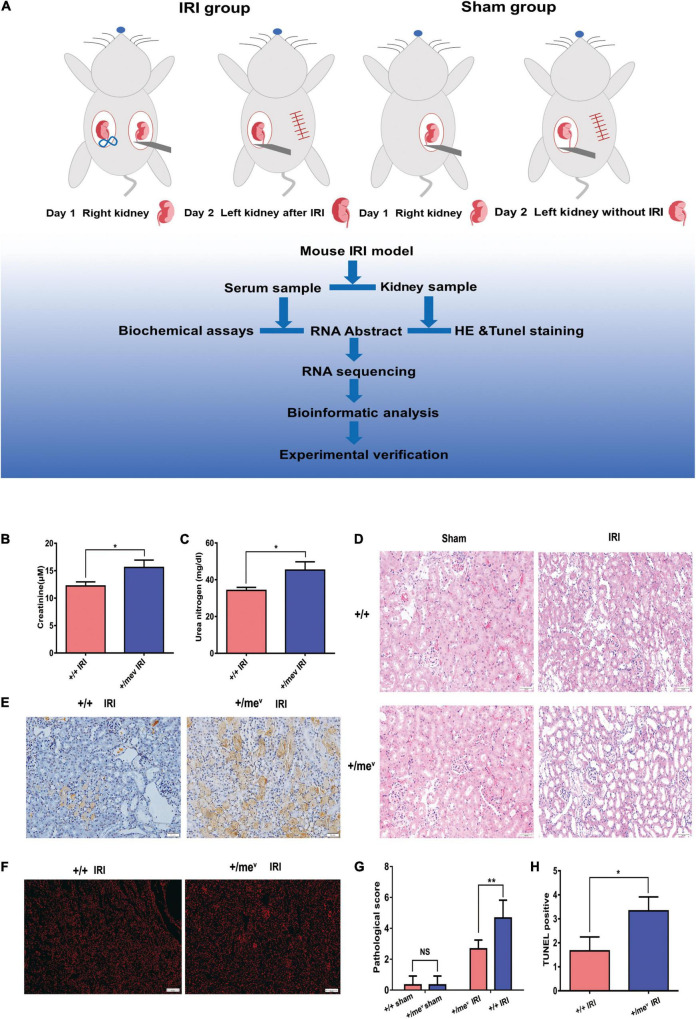
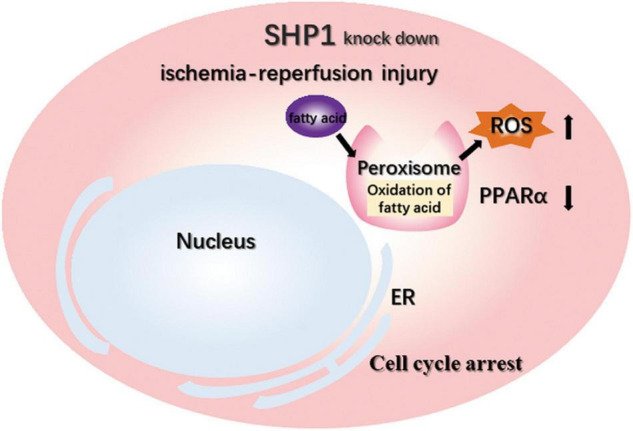
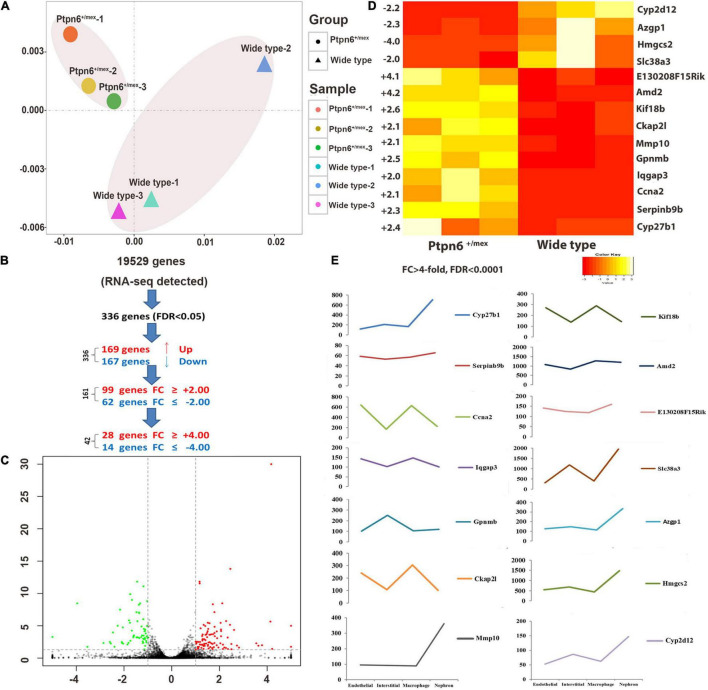
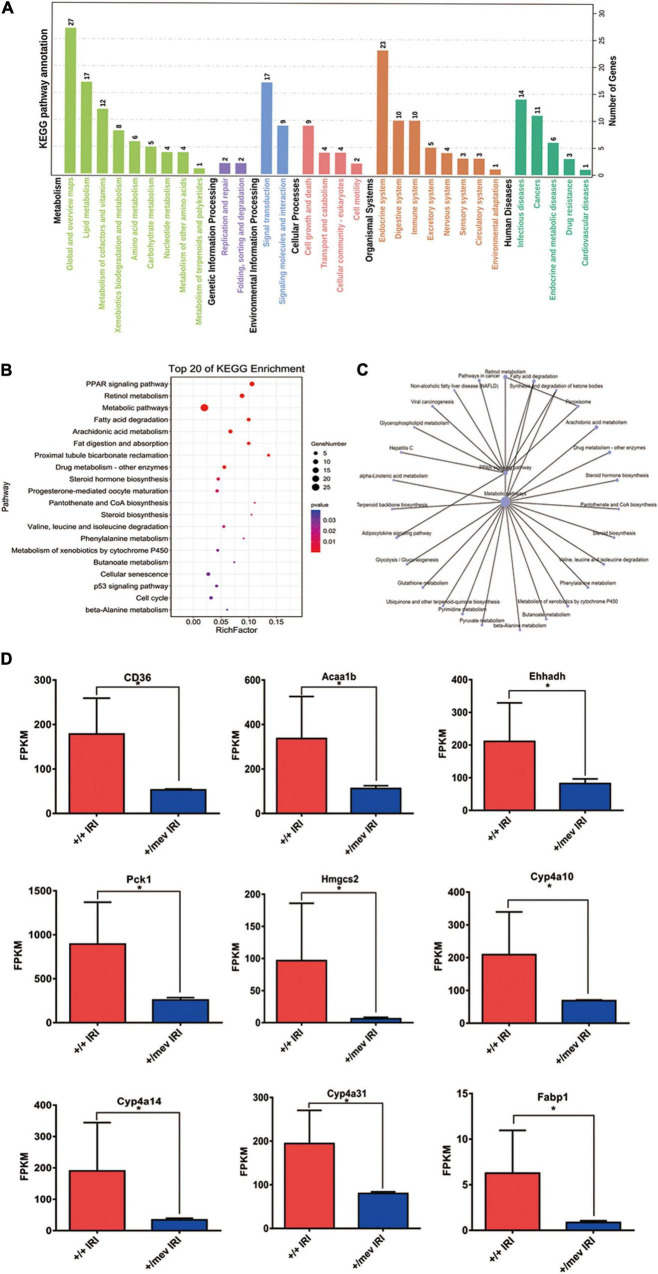
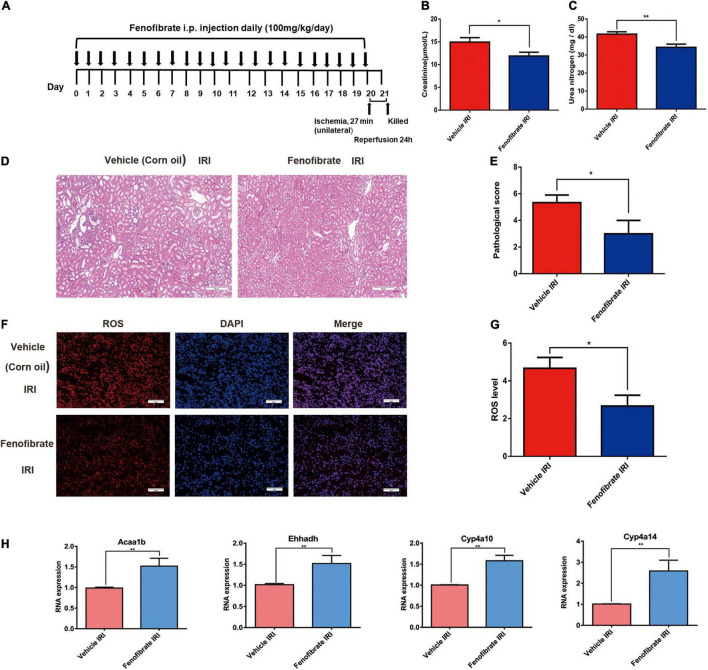
In kidney transplantation, the donor kidney inevitably undergoes ischemia-reperfusion injury (IRI). It is of great importance to study the pathogenesis of IRI and find effective measures to attenuate acute injury of renal tubules after ischemia-reperfusion. Our previous study found that Src homology region 2 domain-containing phosphatase-1 (SHP-1) insufficiency aggravates renal IRI. In this study, we systematically analyzed differences in the expression profiles of SHP-1 (encoded by )-insufficient mice and wild-type mice by RNA-seq. We found that a total of 161 genes showed at least a twofold change, with a false discovery rate <0.05 in Ptpn6 mice after IRI and 42 genes showing more than a fourfold change. Of the eight genes encoding proteins with immunoreceptor tyrosine-based inhibitory motifs (ITIMs) that bind to Ptpn6, three were upregulated, and five were downregulated. We found that for the differentially expressed genes (DEGs) with a fold change >2, the most significantly enriched Kyoto Encyclopedia of Genes and Genomes (KEGG) pathways were the cell division pathway and peroxisome-proliferator activated receptor PPARα signaling pathways. Furthermore, the downregulated genes of the PPARα signaling pathway were mainly related to fatty acid absorption and degradation. Using an agonist of the PPARα signaling pathway, fenofibrate, we found that renal IRI was significantly attenuated in Ptpn6 mice. In summary, our results show that insufficiency of SHP-1 inhibits the expression of genes in the PPARα signaling pathway, thereby leading to increased reactive oxygen species (ROS) and exacerbating the renal IRI. The PPARα signaling agonist fenofibrate partially attenuates renal IRI induced by SHP-1 insufficiency.
在肾移植中,供体肾不可避免地会经历缺血再灌注损伤(IRI)。研究IRI的发病机制并找到有效措施减轻缺血再灌注后肾小管的急性损伤至关重要。我们之前的研究发现,含Src同源区2结构域的磷酸酶-1(SHP-1)功能不足会加重肾脏IRI。在本研究中,我们通过RNA测序系统分析了Ptpn6基因功能不足小鼠和野生型小鼠的表达谱差异。我们发现,共有161个基因显示至少两倍的变化,IRI后Ptpn6基因功能不足小鼠的错误发现率<0.05,42个基因显示超过四倍的变化。在与Ptpn6结合的八个编码含免疫受体酪氨酸抑制基序(ITIM)蛋白的基因中,三个上调,五个下调。我们发现,对于变化倍数>2的差异表达基因(DEG),京都基因与基因组百科全书(KEGG)中最显著富集的途径是细胞分裂途径和过氧化物酶体增殖物激活受体PPARα信号通路。此外,PPARα信号通路的下调基因主要与脂肪酸吸收和降解有关。使用PPARα信号通路激动剂非诺贝特,我们发现Ptpn6基因功能不足小鼠的肾脏IRI显著减轻。总之,我们的结果表明,SHP-1功能不足会抑制PPARα信号通路中基因的表达,从而导致活性氧(ROS)增加并加重肾脏IRI。PPARα信号激动剂非诺贝特可部分减轻SHP-1功能不足诱导的肾脏IRI。