Bhatia Sanil, Spanier Lukas, Bickel David, Dienstbier Niklas, Woloschin Vitalij, Vogt Melina, Pols Henrik, Lungerich Beate, Reiners Jens, Aghaallaei Narges, Diedrich Daniela, Frieg Benedikt, Schliehe-Diecks Julian, Bopp Bertan, Lang Franziska, Gopalswamy Mohanraj, Loschwitz Jennifer, Bajohgli Baubak, Skokowa Julia, Borkhardt Arndt, Hauer Julia, Hansen Finn K, Smits Sander H J, Jose Joachim, Gohlke Holger, Kurz Thomas
Department of Pediatric Oncology, Hematology and Clinical Immunology, Medical Faculty, Heinrich Heine University Düsseldorf, Düsseldorf 40225, Germany.
Institute for Pharmaceutical and Medicinal Chemistry, Heinrich Heine University Düsseldorf, Düsseldorf 40225, Germany.
ACS Cent Sci. 2022 May 25;8(5):636-655. doi: 10.1021/acscentsci.2c00013. Epub 2022 Apr 27.
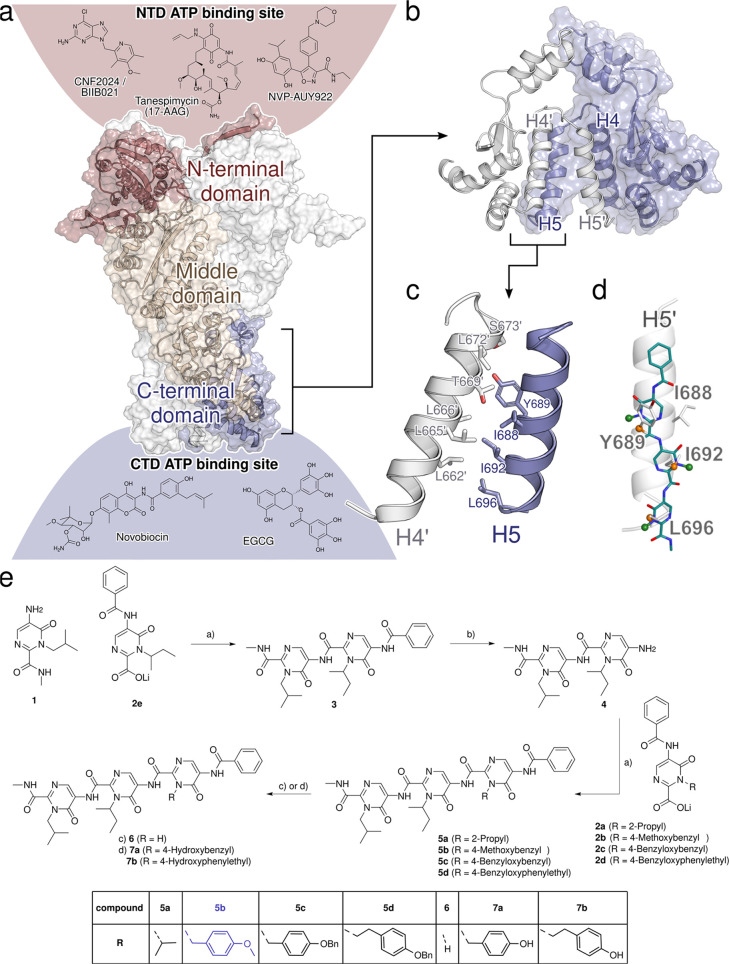
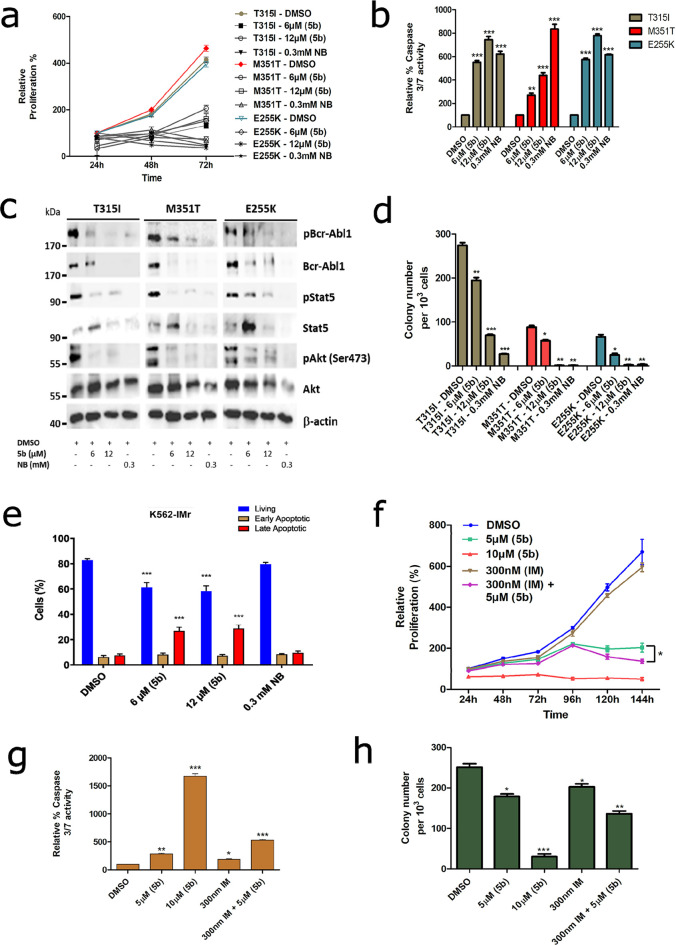
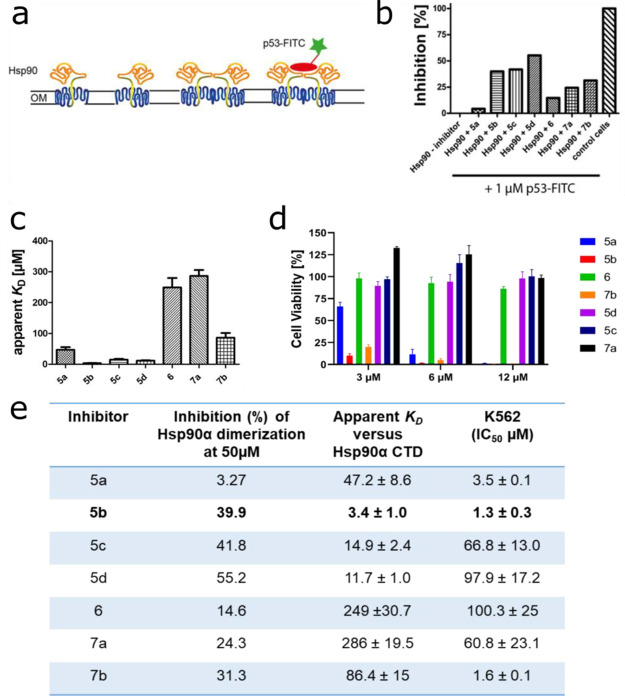
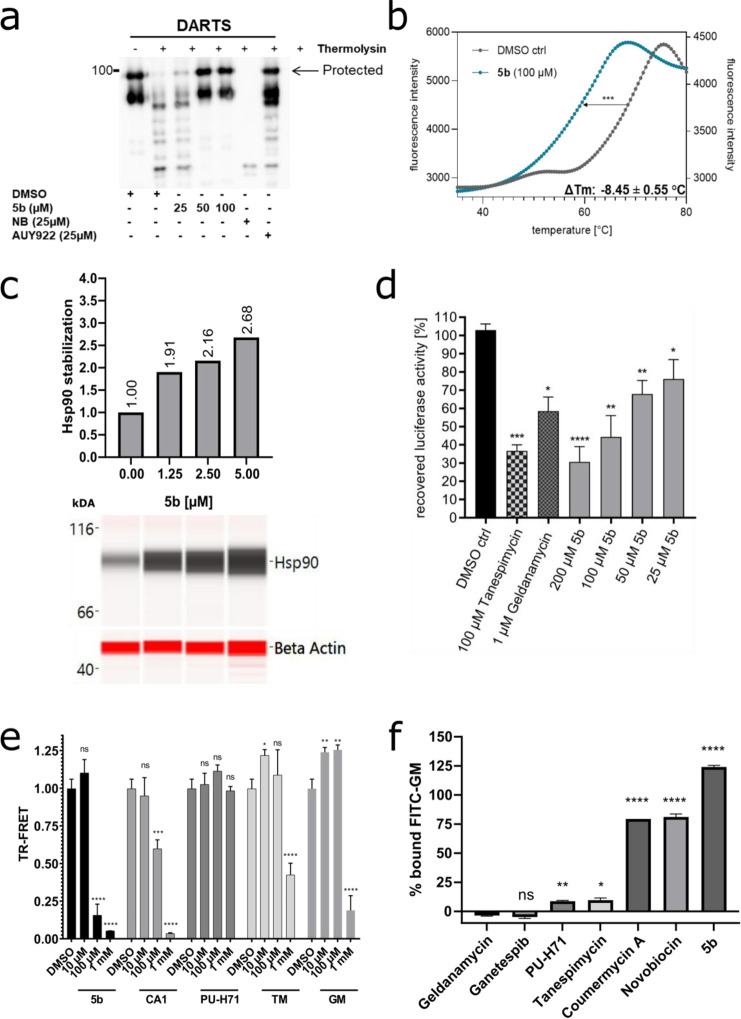
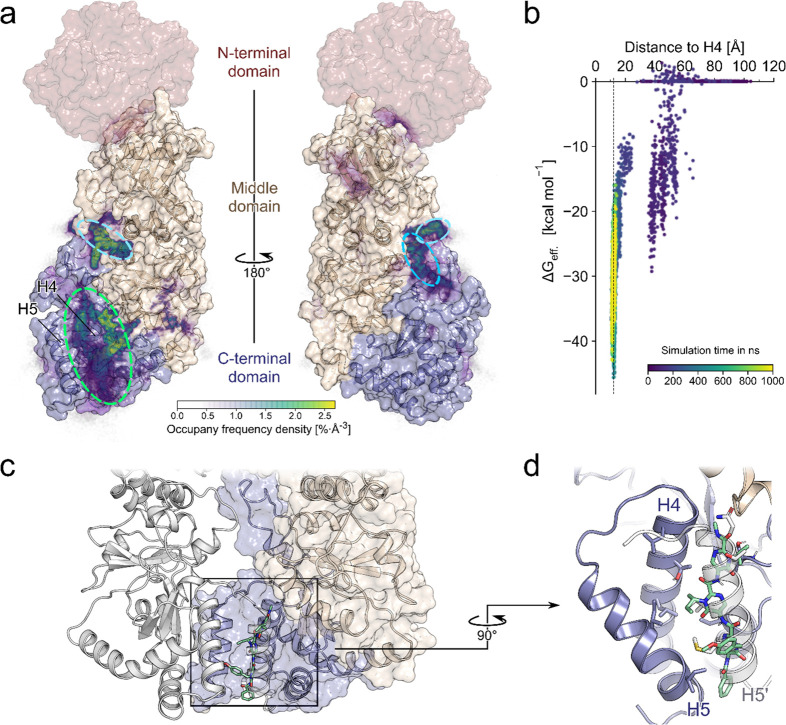
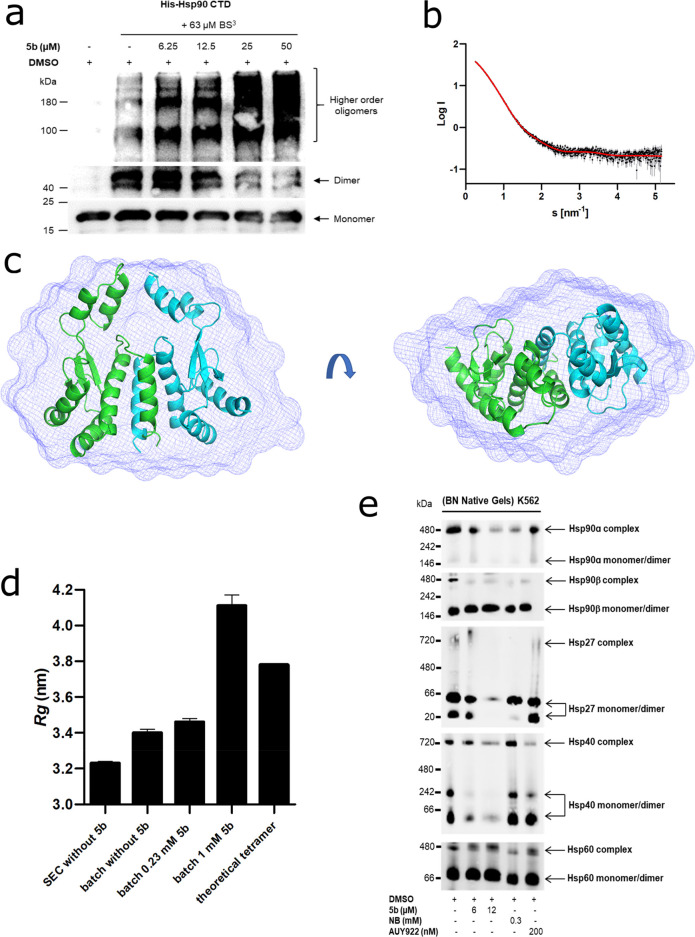
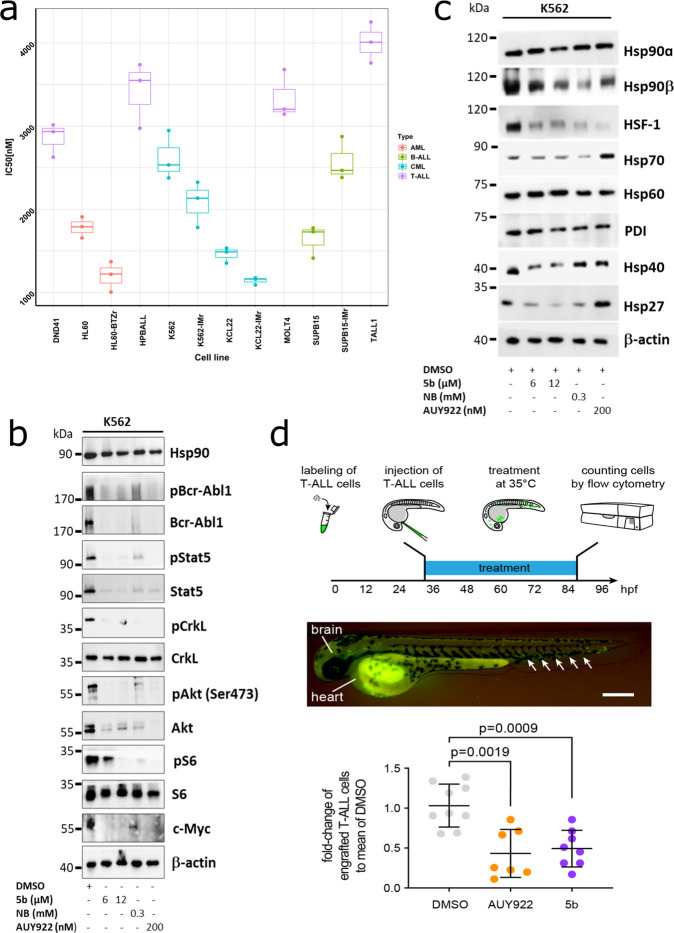
Heat shock proteins 90 (Hsp90) are promising therapeutic targets due to their involvement in stabilizing several aberrantly expressed oncoproteins. In cancerous cells, Hsp90 expression is elevated, thereby exerting antiapoptotic effects, which is essential for the malignant transformation and tumor progression. Most of the Hsp90 inhibitors (Hsp90i) under investigation target the ATP binding site in the N-terminal domain of Hsp90. However, adverse effects, including induction of the prosurvival resistance mechanism (heat shock response or HSR) and associated dose-limiting toxicity, have so far precluded their clinical approval. In contrast, modulators that interfere with the C-terminal domain (CTD) of Hsp90 do not inflict HSR. Since the CTD dimerization of Hsp90 is essential for its chaperone activity, interfering with the dimerization process by small-molecule protein-protein interaction inhibitors is a promising strategy for anticancer drug research. We have developed a first-in-class small-molecule inhibitor () targeting the Hsp90 CTD dimerization interface, based on a tripyrimidonamide scaffold through structure-based molecular design, chemical synthesis, binding mode model prediction, assessment of the biochemical affinity, and efficacy against therapy-resistant leukemia cells. reduces xenotransplantation of leukemia cells in zebrafish models and induces apoptosis in BCR-ABL1 (T315I) tyrosine kinase inhibitor-resistant leukemia cells, without inducing HSR.
热休克蛋白90(Hsp90)有望成为治疗靶点,因为它们参与稳定多种异常表达的癌蛋白。在癌细胞中,Hsp90表达升高,从而发挥抗凋亡作用,这对恶性转化和肿瘤进展至关重要。大多数正在研究的Hsp90抑制剂(Hsp90i)靶向Hsp90 N端结构域中的ATP结合位点。然而,包括诱导促生存抵抗机制(热休克反应或HSR)及相关剂量限制性毒性在内的不良反应,迄今阻碍了它们获得临床批准。相比之下,干扰Hsp90 C端结构域(CTD)的调节剂不会引发HSR。由于Hsp90的CTD二聚化对其伴侣活性至关重要,通过小分子蛋白质-蛋白质相互作用抑制剂干扰二聚化过程是抗癌药物研究的一种有前景的策略。我们基于三嘧啶酰胺支架,通过基于结构的分子设计、化学合成、结合模式模型预测、生化亲和力评估以及对耐药白血病细胞的疗效评估,开发了一种靶向Hsp90 CTD二聚化界面的一流小分子抑制剂()。该抑制剂可减少斑马鱼模型中白血病细胞的异种移植,并诱导对BCR-ABL1(T315I)酪氨酸激酶抑制剂耐药的白血病细胞凋亡,且不会诱导HSR。