Yao Zhiwei, Fu Siqi, Ren Bingbing, Ma Lushun, Sun Daqing
Department of Pediatric Surgery, Tianjin Medical University General Hospital, Tianjin, China.
Front Pharmacol. 2022 May 16;13:913420. doi: 10.3389/fphar.2022.913420. eCollection 2022.
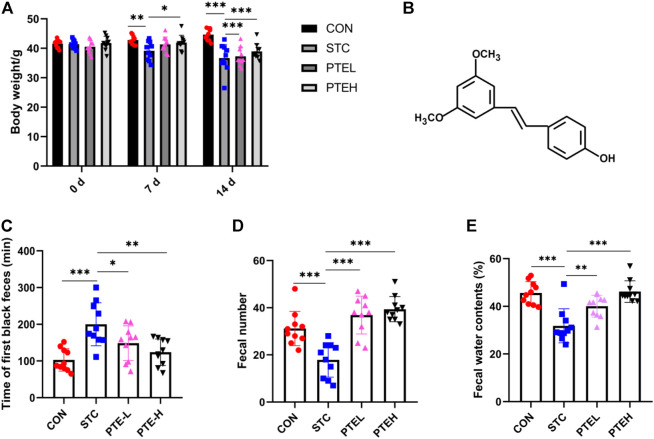
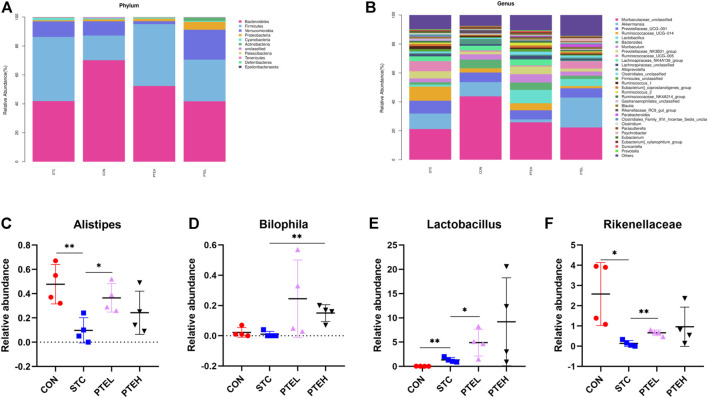
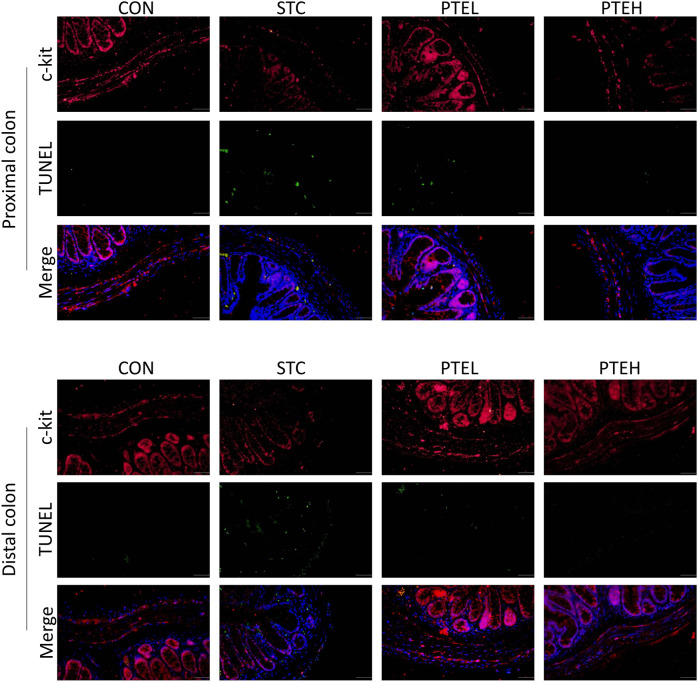
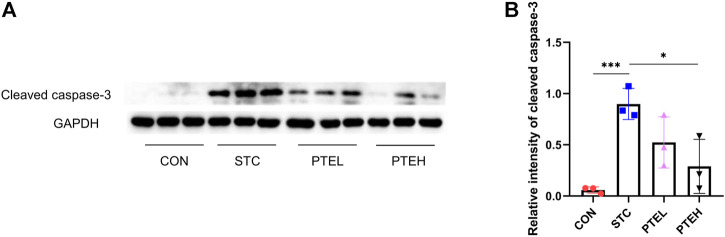
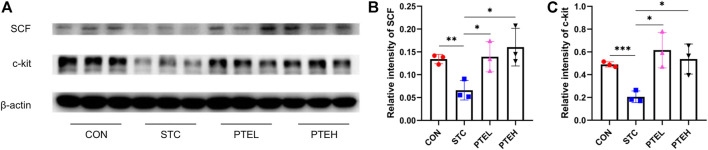
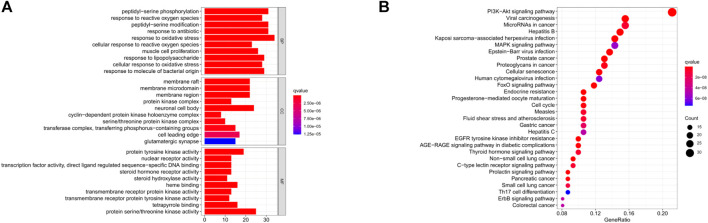
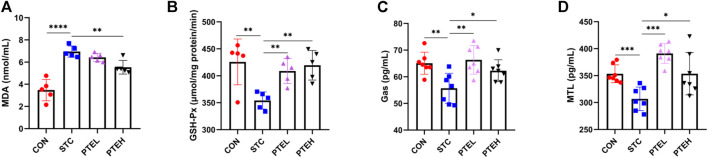
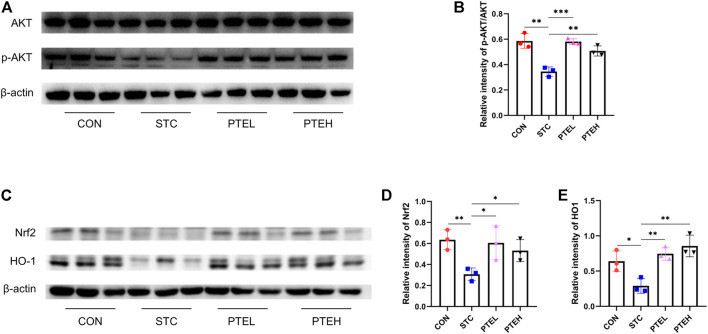
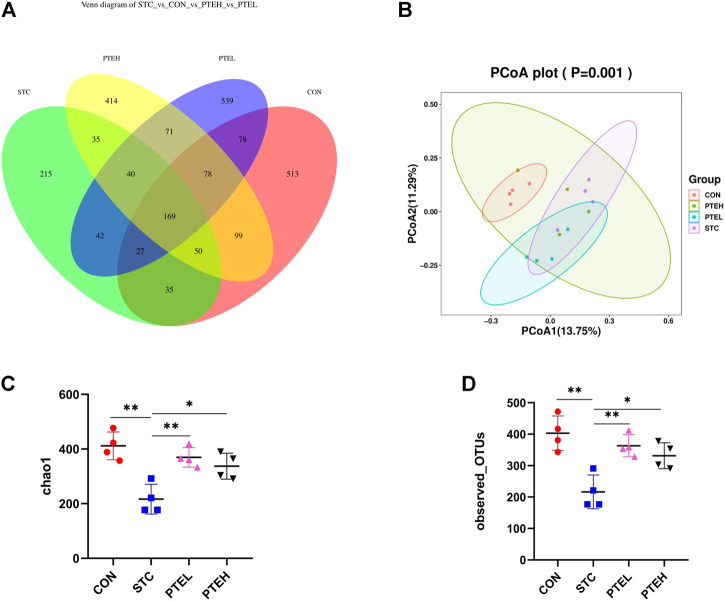
Pterostilbene (PTE) is a natural polyphenol compound that has been proven to improve intestinal inflammation, but its laxative effect on slow transit constipation (STC) has never been studied. This study aims to investigate the laxative effect of PTE on loperamide (LOP)-induced STC mice and its influence on intestinal microbes through a combination of network pharmacological analysis and experimental verification. PTE was used to treat LOP-exposed mice, and the laxative effect of PTE was evaluated by the total intestinal transit time and stool parameters. The apoptosis of Cajal interstitial cells (ICCs) was detected by immunofluorescence. The mechanism of PTE's laxative effect was predicted by network pharmacology analysis. We used western blot technology to verify the predicted hub genes and pathways. Malondialdehyde (MDA) and GSH-Px were tested to reflect oxidative stress levels and the changes of gut microbiota were detected by 16S rDNA high-throughput sequencing. PTE treatment could significantly improve the intestinal motility disorder caused by LOP. Apoptosis of ICCs increased in the STC group, but decreased significantly in the PTE intervention group. Through network pharmacological analysis, PTE might reduce the apoptosis of ICCs by enhancing PI3K/AKT and Nrf2/HO-1 signaling, and improve constipation caused by LOP. In colon tissues, PTE improved the Nrf2/HO-1 pathway and upregulated the phosphorylation of AKT. The level of MDA increased and GSH-Px decreased in the STC group, while the level of oxidative stress was significantly reduced in the PTE treatment groups. PTE also promoted the secretion of intestinal hormone and restored the microbial diversity caused by LOP. Pterostilbene ameliorated the intestinal motility disorder induced by LOP, this effect might be achieved by inhibiting oxidative stress-induced apoptosis of ICCs through the PI3K/AKT/Nrf2 signaling pathway.
紫檀芪(PTE)是一种天然多酚化合物,已被证明可改善肠道炎症,但其对慢传输型便秘(STC)的通便作用从未被研究过。本研究旨在通过网络药理学分析与实验验证相结合的方法,研究PTE对洛哌丁胺(LOP)诱导的STC小鼠的通便作用及其对肠道微生物的影响。使用PTE治疗LOP处理的小鼠,并通过总肠道转运时间和粪便参数评估PTE的通便作用。通过免疫荧光检测 Cajal 间质细胞(ICC)的凋亡。通过网络药理学分析预测PTE通便作用的机制。我们使用蛋白质免疫印迹技术验证预测的核心基因和信号通路。检测丙二醛(MDA)和谷胱甘肽过氧化物酶(GSH-Px)以反映氧化应激水平,并通过16S rDNA高通量测序检测肠道微生物群的变化。PTE治疗可显著改善LOP引起的肠道运动障碍。STC组ICC凋亡增加,而PTE干预组明显减少。通过网络药理学分析,PTE可能通过增强PI3K/AKT和Nrf2/HO-1信号传导减少ICC凋亡,并改善LOP引起的便秘。在结肠组织中,PTE改善了Nrf2/HO-1信号通路并上调了AKT的磷酸化。STC组MDA水平升高,GSH-Px水平降低,而PTE治疗组氧化应激水平显著降低。PTE还促进了肠道激素的分泌并恢复了LOP引起的微生物多样性。紫檀芪改善了LOP诱导的肠道运动障碍,这种作用可能是通过PI3K/AKT/Nrf2信号通路抑制氧化应激诱导的ICC凋亡来实现的。