Department of Epidemiology, Geisel School of Medicine at Dartmouth, Lebanon, New Hampshire.
Department of Epidemiology, University of Texas MD Anderson Cancer Center, Houston, Texas.
Cancer Prev Res (Phila). 2022 Aug 1;15(8):521-531. doi: 10.1158/1940-6207.CAPR-21-0555.
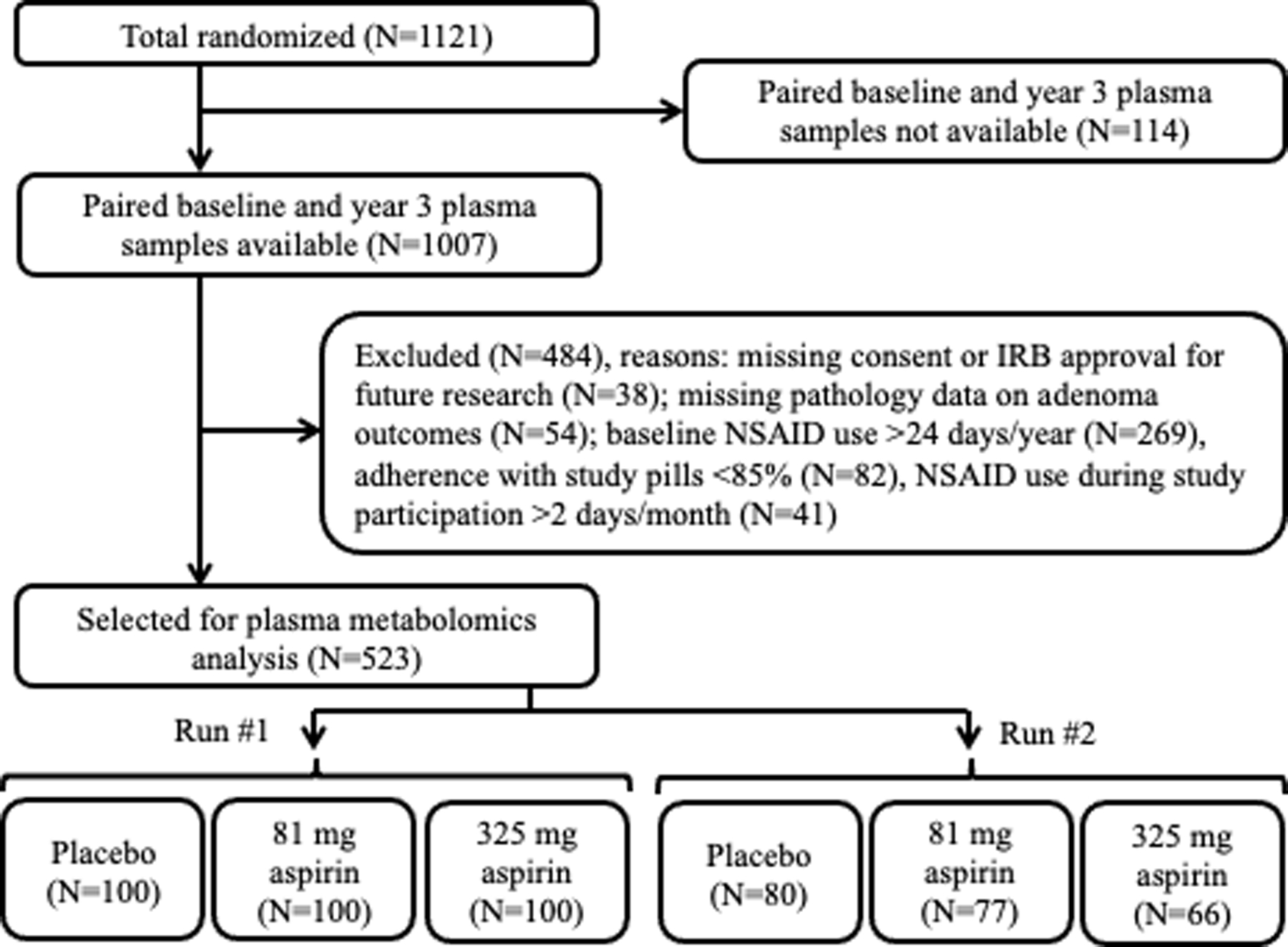
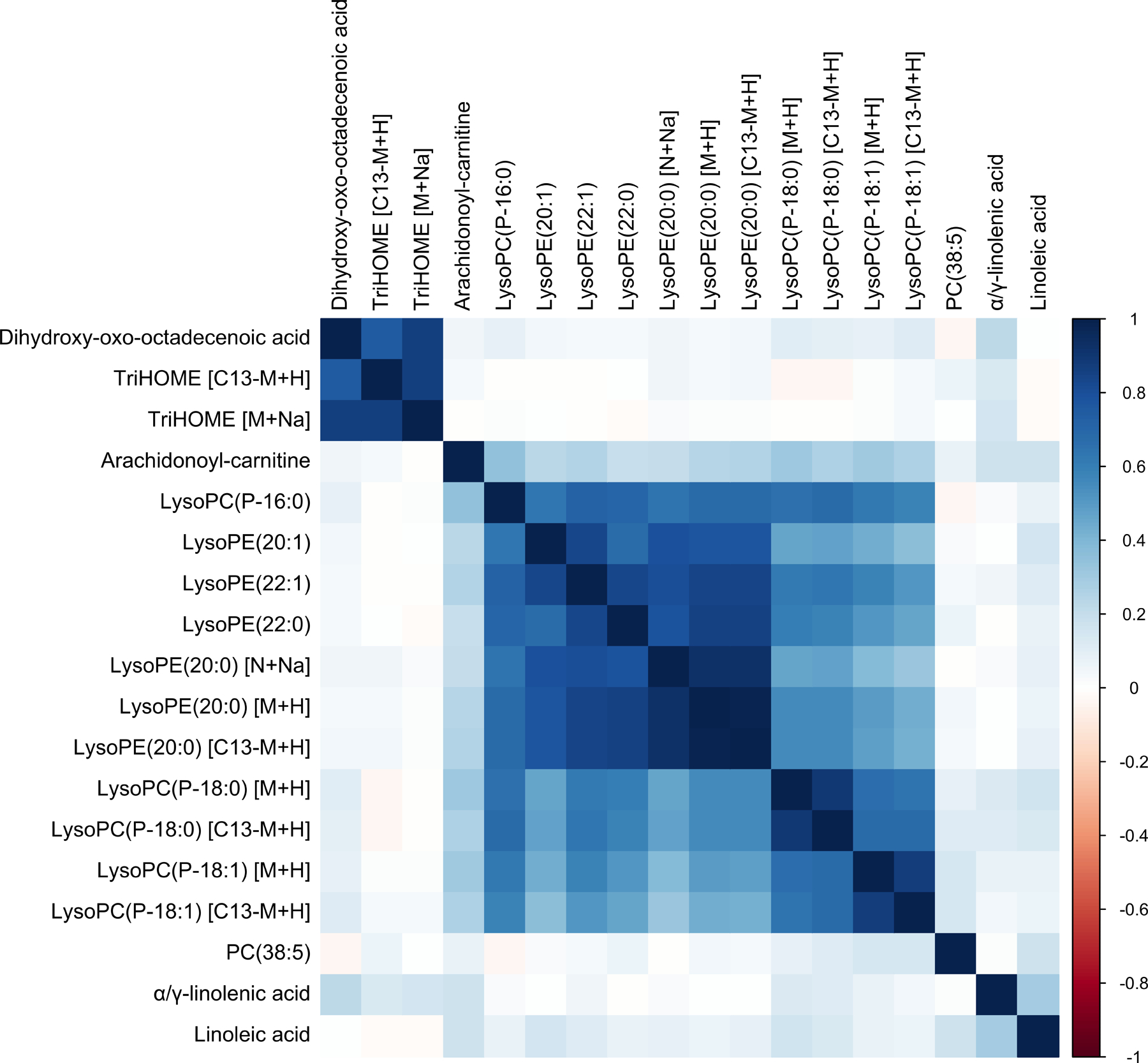
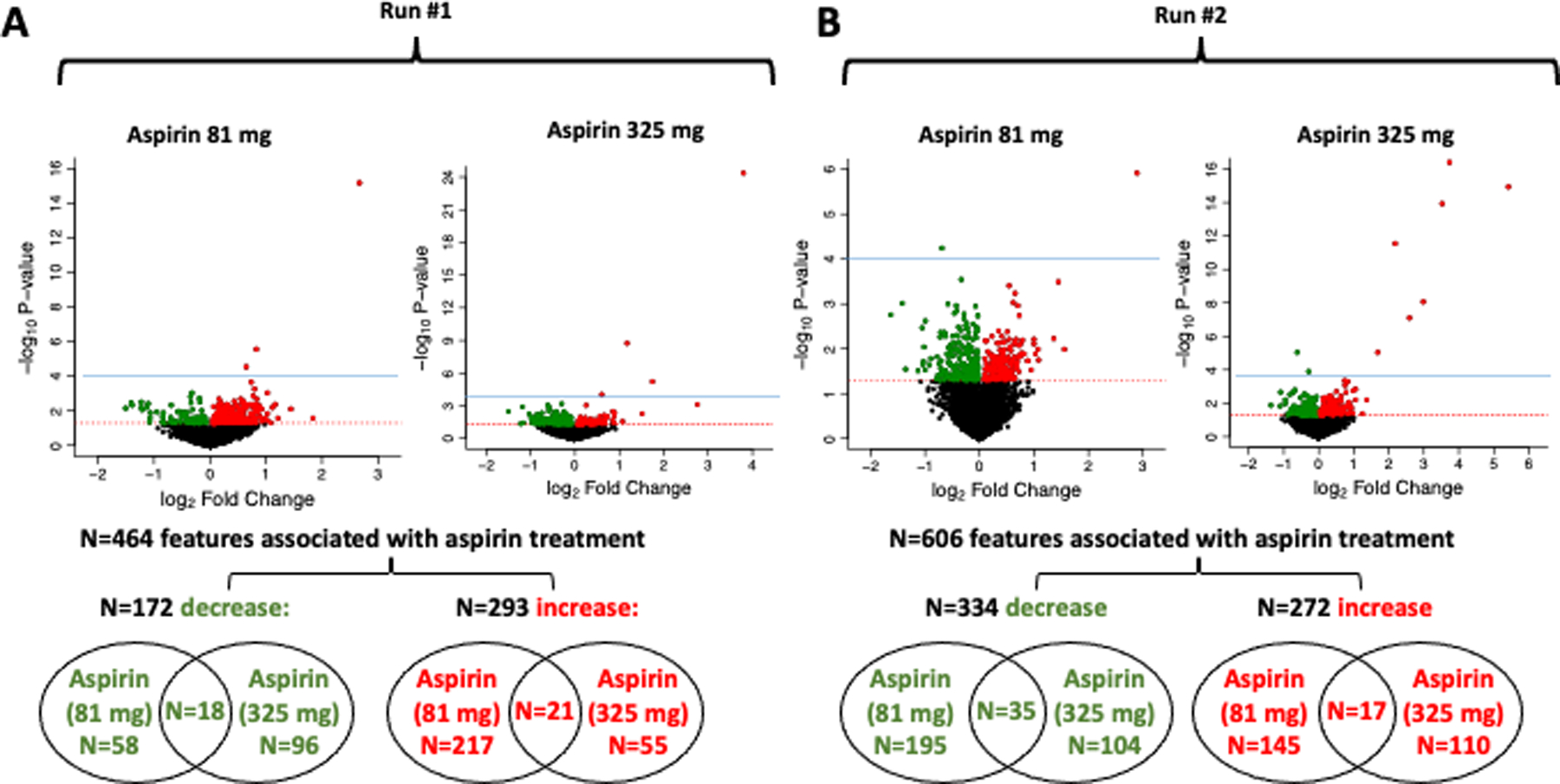
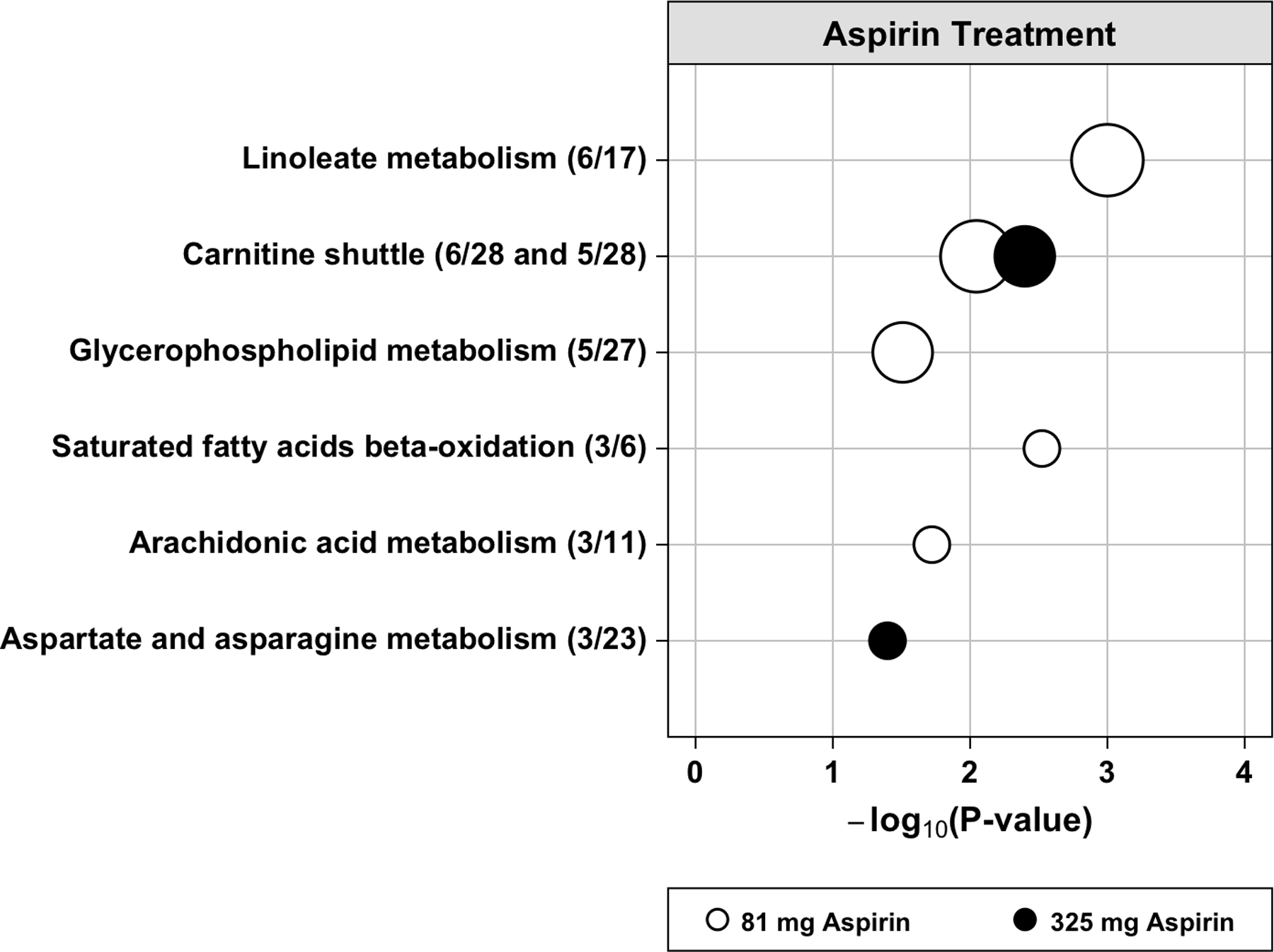
Despite substantial observational and experimental evidence that aspirin use can provide protection against the development of colorectal neoplasia, our understanding of the molecular mechanisms involved is inadequate and limits our ability to use this drug effectively and safely for chemoprevention. We employed an untargeted plasma metabolomics approach using liquid chromatography with high-resolution mass spectroscopy to explore novel metabolites that may contribute to the chemopreventive effects of aspirin. Associations between levels of metabolic features in plasma and aspirin treatment were investigated among 523 participants in a randomized placebo-controlled clinical trial of two doses of aspirin (81 or 325 mg/day) and were linked to risk of colorectal adenoma occurrence over 3 years of follow-up. Metabolic pathways that were altered with aspirin treatment included linoleate and glycerophospholipid metabolism for the 81-mg dose and carnitine shuttle for both doses. Metabolites whose levels increased with 81 mg/day aspirin treatment and were also associated with decreased risk of adenomas during follow-up included certain forms of lysophosphatidylcholine and lysophosphatidylethanolamine as well as trihydroxyoctadecenoic acid, which is a derivative of linoleic acid and is upstream of cyclooxygenase inhibition by aspirin in the linoleate and arachidonic acid metabolism pathways. In conclusion, our findings regarding lysophospholipids and metabolites in the linoleate metabolism pathway may provide novel insights into the chemopreventive effects of aspirin in the colorectum, although they should be considered hypothesis-generating at this time.
This research used metabolomics, an innovative discovery-based approach, to identify molecular changes in human blood that may help to explain how aspirin use reduces the risk of colorectal neoplasia in some individuals. Ultimately, this work could have important implications for optimizing aspirin use in the prevention of colorectal cancer.
尽管有大量的观察和实验证据表明阿司匹林的使用可以提供对结直肠肿瘤发展的保护,但我们对涉及的分子机制的理解还不够充分,这限制了我们有效地和安全地将这种药物用于化学预防的能力。我们采用了一种非靶向的血浆代谢组学方法,使用液相色谱与高分辨率质谱,探索可能有助于阿司匹林化学预防作用的新型代谢物。在一项针对两种剂量阿司匹林(81 或 325 毫克/天)的随机安慰剂对照临床试验中,我们对 523 名参与者进行了研究,考察了血浆代谢特征水平与阿司匹林治疗之间的关联,并将其与 3 年随访期间结直肠腺瘤发生的风险联系起来。与阿司匹林治疗相关的代谢途径改变包括 81 毫克剂量的亚油酸和甘油磷脂代谢以及两种剂量的肉碱穿梭。随着 81 毫克/天阿司匹林治疗而水平增加的代谢物,并且与随访期间腺瘤风险降低相关的代谢物包括某些形式的溶血磷脂酰胆碱和溶血磷脂酰乙醇胺以及三羟基十八烯酸,这是亚油酸的衍生物,也是阿司匹林在亚油酸和花生四烯酸代谢途径中抑制环氧化酶的上游产物。总之,我们关于溶血磷脂和亚油酸代谢途径中的代谢物的发现可能为阿司匹林在结直肠中的化学预防作用提供新的见解,尽管目前这些发现还应被视为假说产生。
本研究使用代谢组学这一创新的发现方法,鉴定了人类血液中可能有助于解释阿司匹林如何降低某些个体结直肠肿瘤风险的分子变化。最终,这项工作可能对优化阿司匹林在预防结直肠癌中的应用具有重要意义。