Research Group Biomarkers for Infectious Diseases, Helmholtz Centre for Infection Research, Braunschweig, Germany.
Research Group Biomarkers for Infectious Diseases, TWINCORE Centre for Experimental and Clinical Infection Research, Hannover, Germany.
Nat Metab. 2022 May;4(5):534-546. doi: 10.1038/s42255-022-00577-x. Epub 2022 Jun 2.
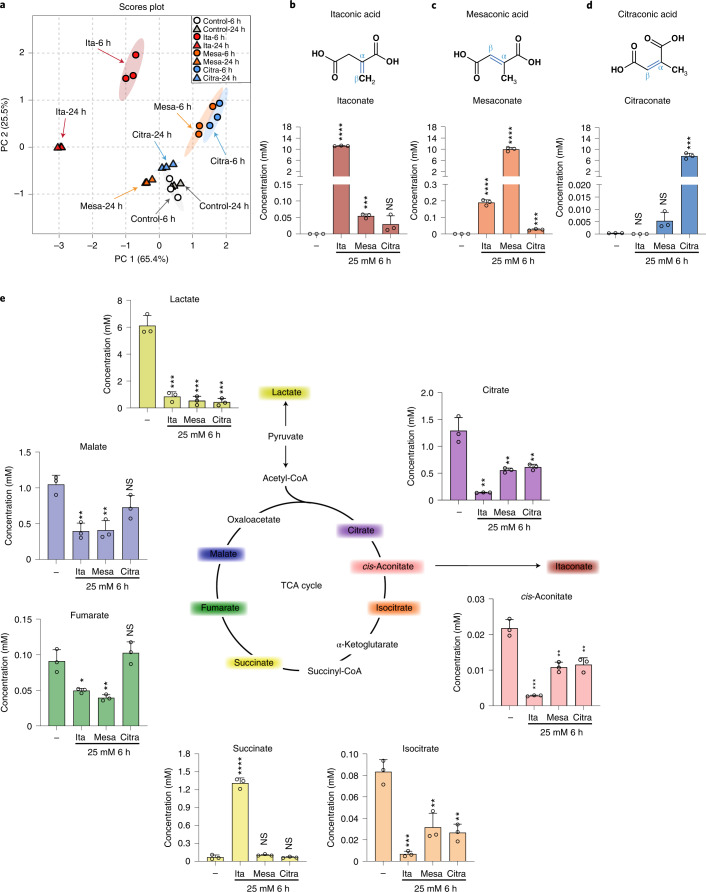
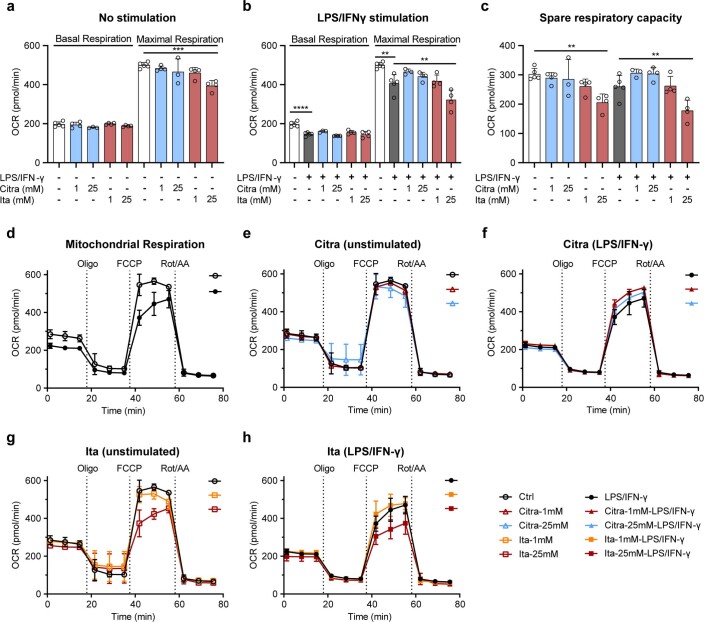
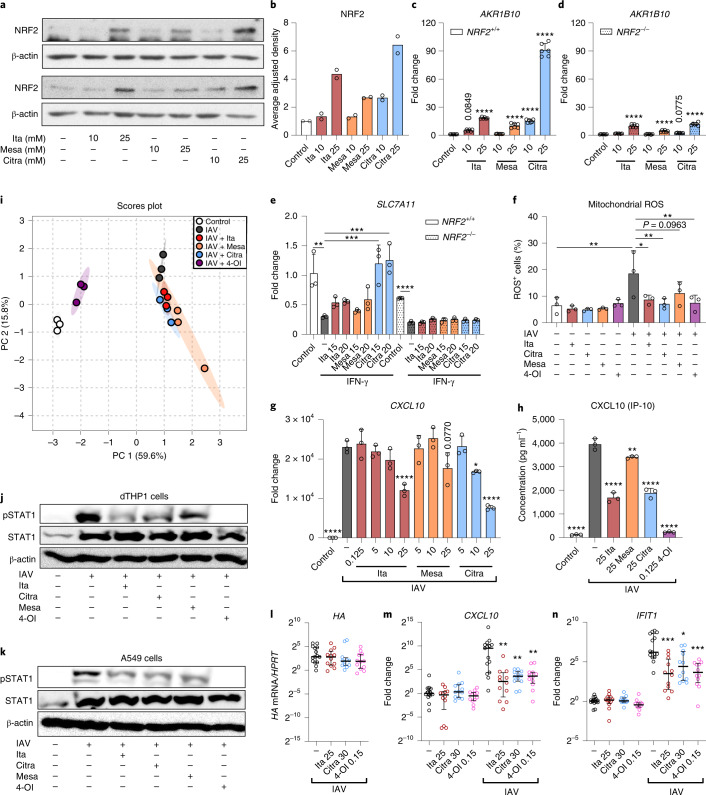
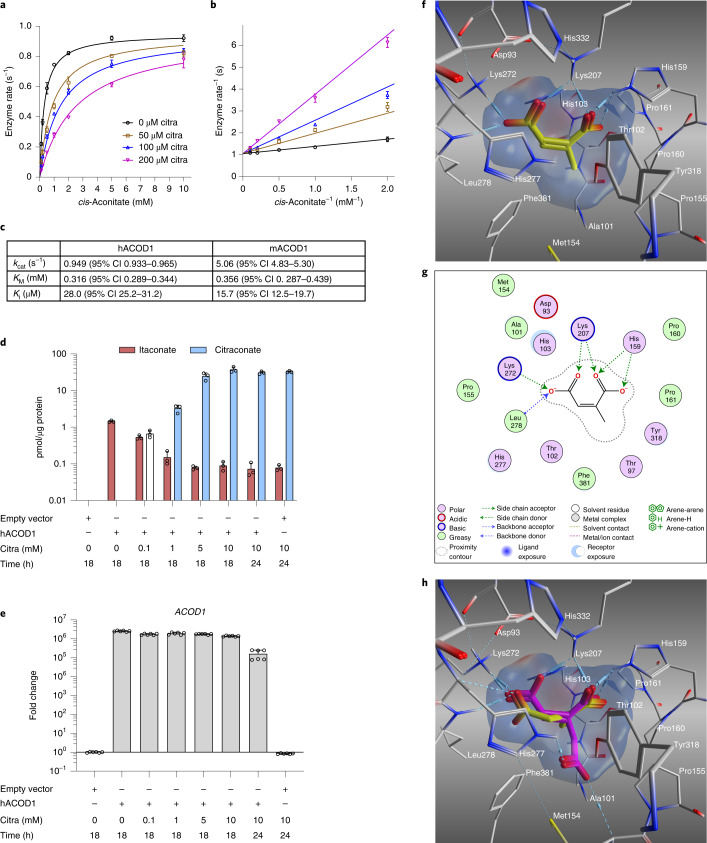
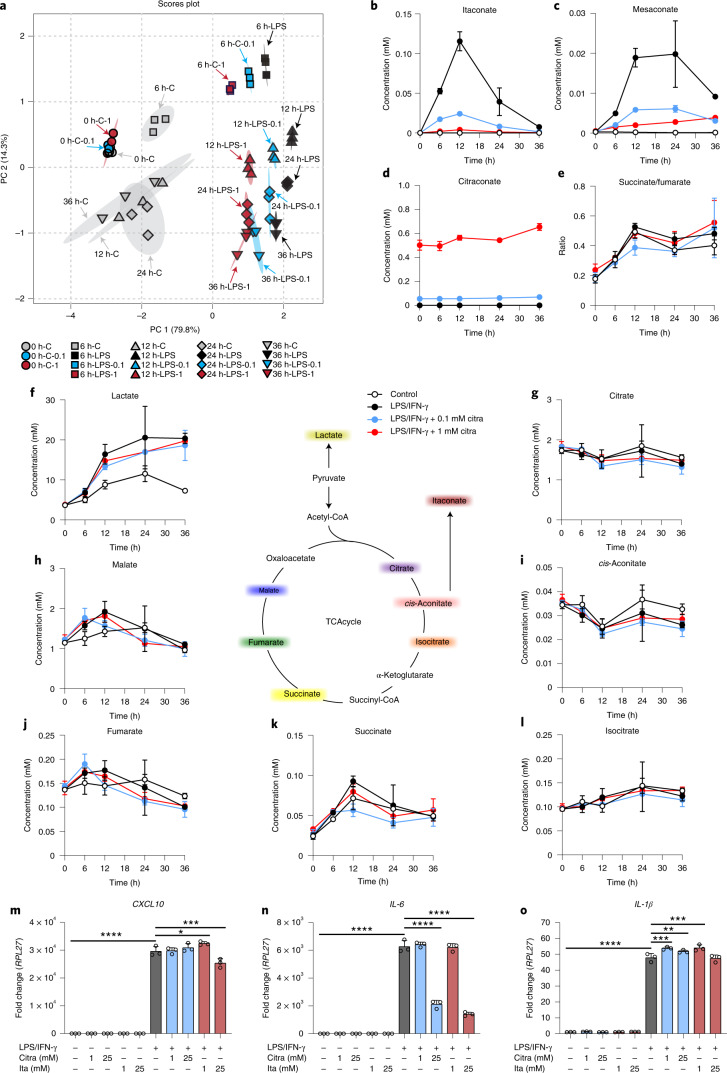
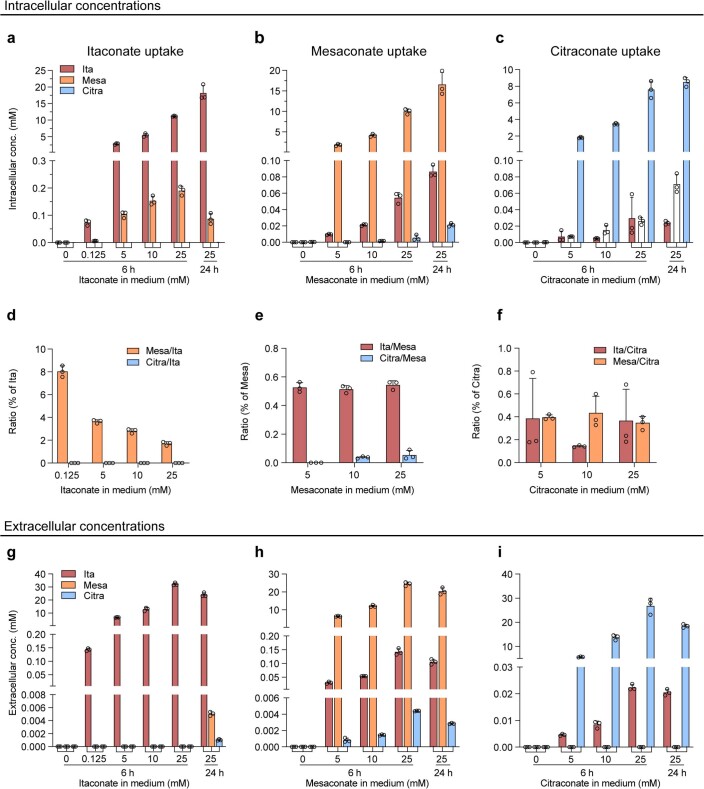
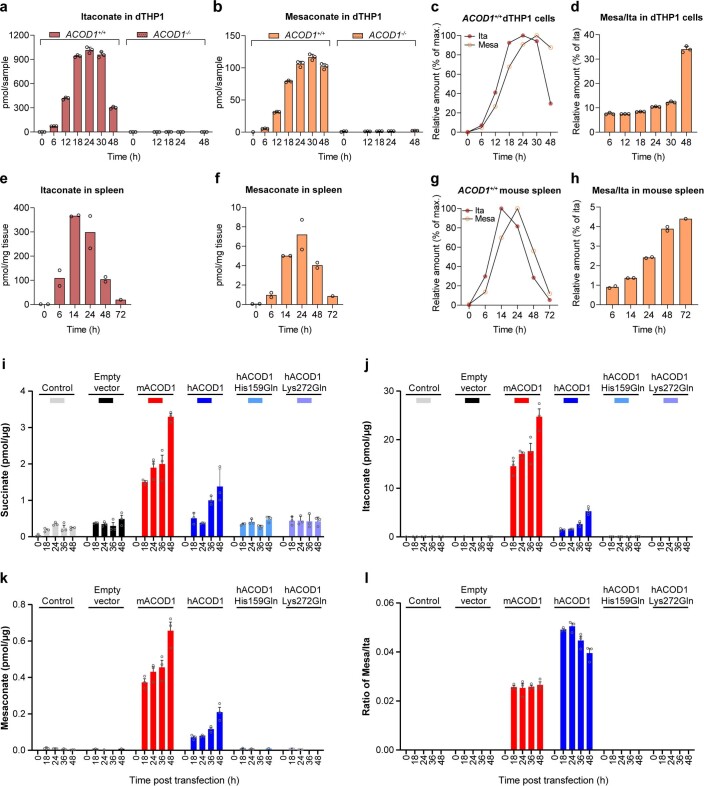
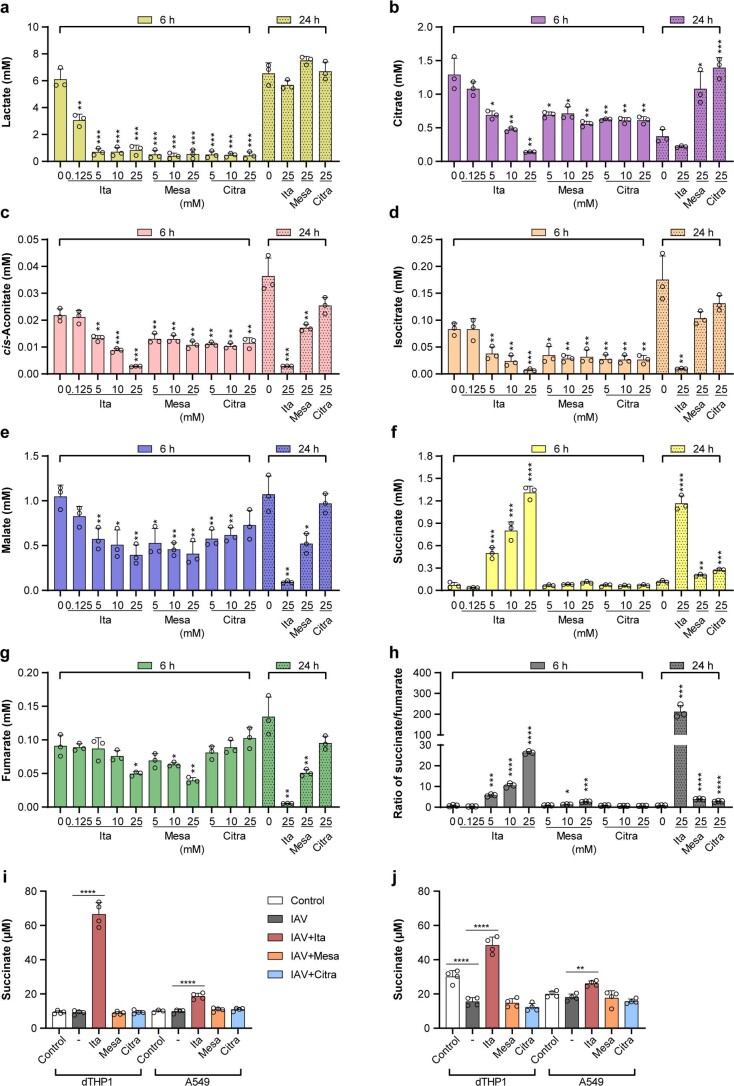
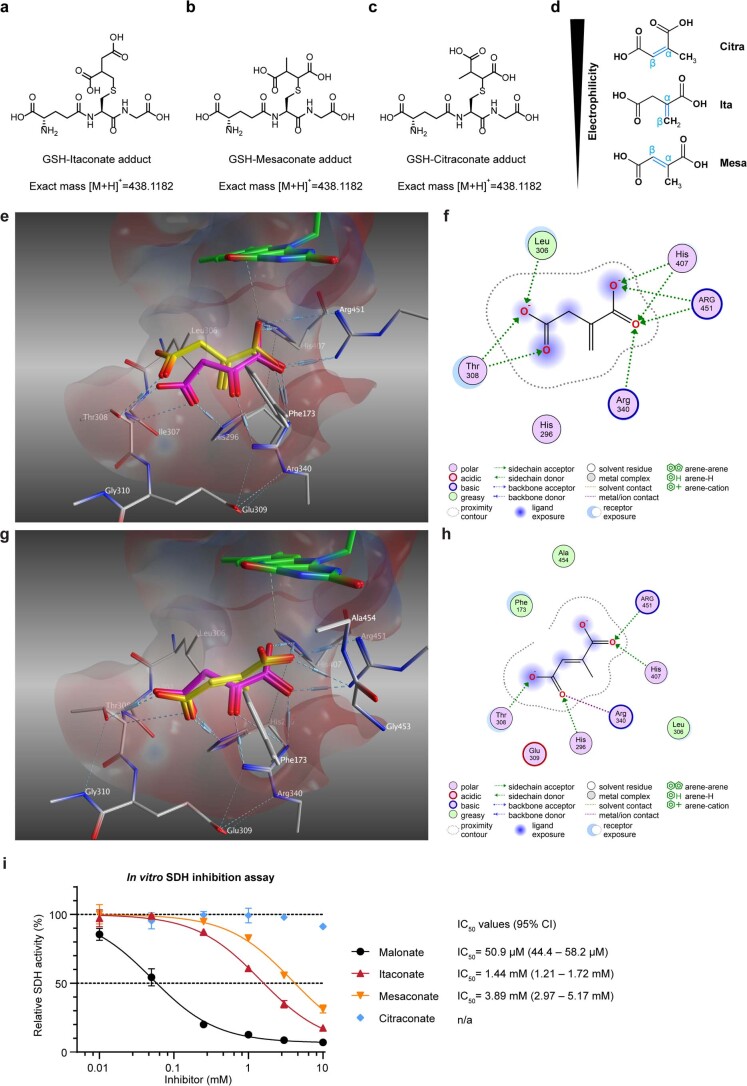
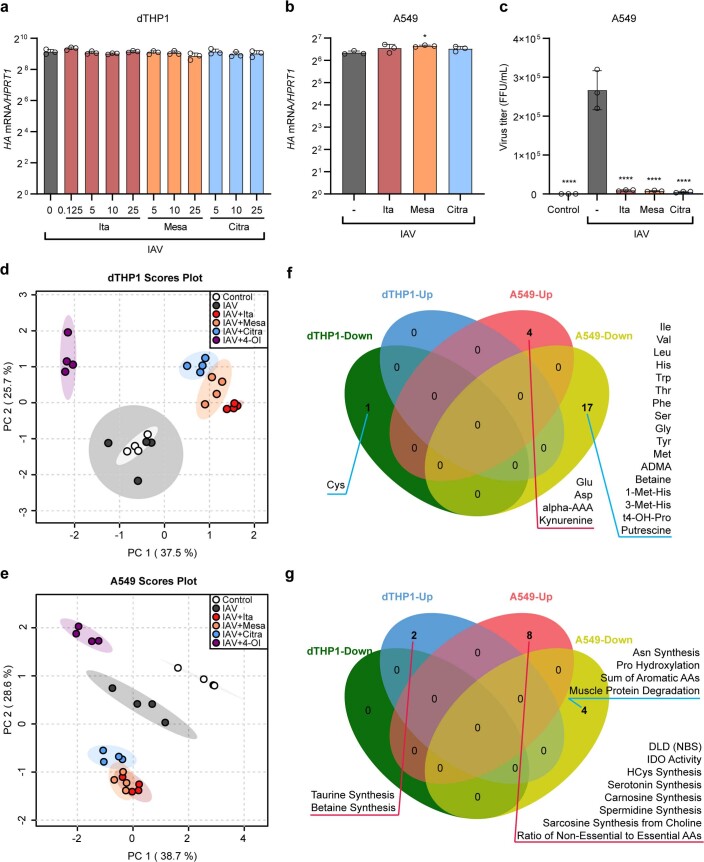
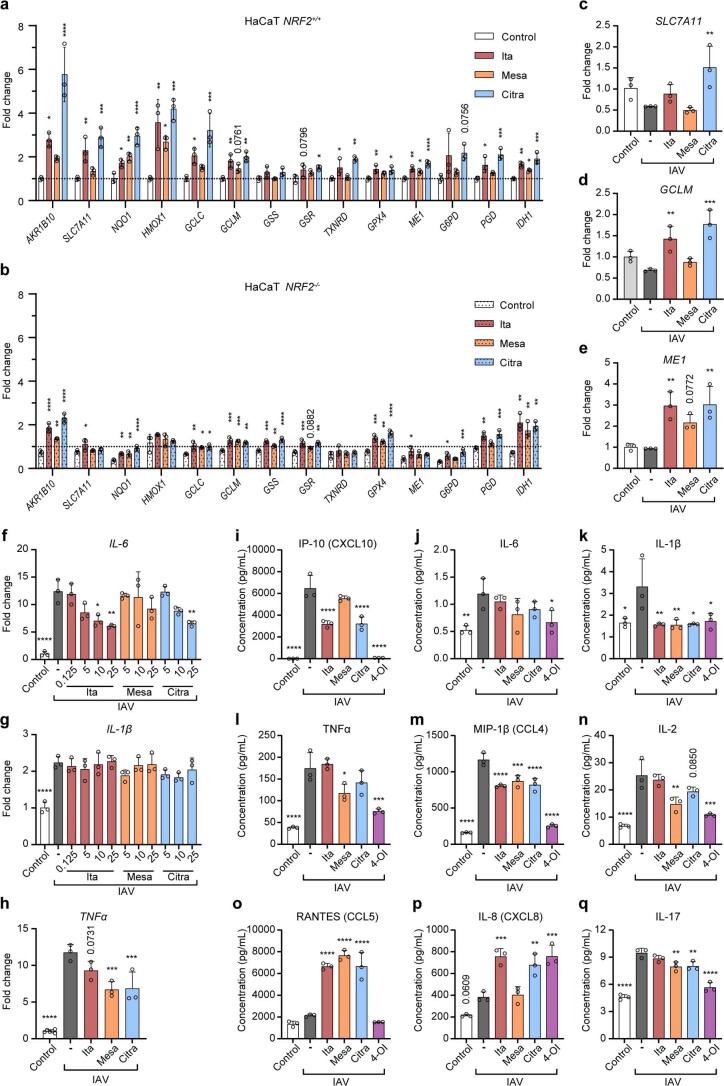
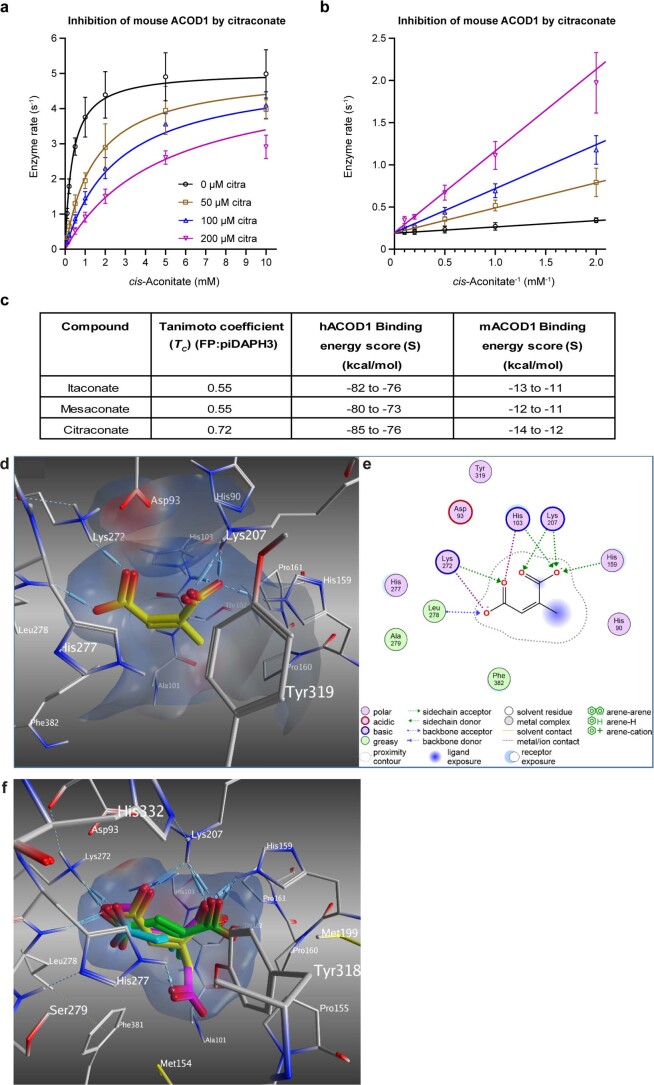
Although the immunomodulatory and cytoprotective properties of itaconate have been studied extensively, it is not known whether its naturally occurring isomers mesaconate and citraconate have similar properties. Here, we show that itaconate is partially converted to mesaconate intracellularly and that mesaconate accumulation in macrophage activation depends on prior itaconate synthesis. When added to human cells in supraphysiological concentrations, all three isomers reduce lactate levels, whereas itaconate is the strongest succinate dehydrogenase (SDH) inhibitor. In cells infected with influenza A virus (IAV), all three isomers profoundly alter amino acid metabolism, modulate cytokine/chemokine release and reduce interferon signalling, oxidative stress and the release of viral particles. Of the three isomers, citraconate is the strongest electrophile and nuclear factor-erythroid 2-related factor 2 (NRF2) agonist. Only citraconate inhibits catalysis of itaconate by cis-aconitate decarboxylase (ACOD1), probably by competitive binding to the substrate-binding site. These results reveal mesaconate and citraconate as immunomodulatory, anti-oxidative and antiviral compounds, and citraconate as the first naturally occurring ACOD1 inhibitor.
尽管衣康酸的免疫调节和细胞保护特性已被广泛研究,但尚不清楚其天然存在的同分异构体马来酸和柠康酸是否具有类似的特性。在这里,我们表明衣康酸在细胞内部分转化为马来酸,并且巨噬细胞激活中马来酸的积累依赖于先前的衣康酸合成。当以超生理浓度添加到人细胞中时,所有三种异构体都降低了乳酸盐水平,而衣康酸是最强的琥珀酸脱氢酶(SDH)抑制剂。在感染甲型流感病毒(IAV)的细胞中,所有三种异构体都深刻地改变了氨基酸代谢,调节细胞因子/趋化因子的释放,并减少干扰素信号转导、氧化应激和病毒颗粒的释放。在这三种异构体中,柠康酸是最强的亲电体和核因子-红细胞 2 相关因子 2(NRF2)激动剂。只有柠康酸抑制顺式-马来酸脱羧酶(ACOD1)催化衣康酸的反应,可能是通过竞争性结合到底物结合位点。这些结果揭示了马来酸和柠康酸作为免疫调节、抗氧化和抗病毒化合物,而柠康酸是第一个天然存在的 ACOD1 抑制剂。