Centre for Plant Science, School of Biology, University of Leeds, Leeds, LS2 9JT, UK.
Plants, Photosynthesis and Soil, School of Biosciences, University of Sheffield, Sheffield, S10 2TN, UK.
BMC Biol. 2022 Jun 2;20(1):128. doi: 10.1186/s12915-022-01331-1.
A major route for cell-to-cell signalling in plants is mediated by cell wall-embedded pores termed plasmodesmata forming the symplasm. Plasmodesmata regulate the plant development and responses to the environment; however, our understanding of what factors or regulatory cues affect their structure and permeability is still limited. In this paper, a meta-analysis was carried out for the identification of conditions affecting plasmodesmata transport and for the in silico prediction of plasmodesmata proteins in species for which the plasmodesmata proteome has not been experimentally determined.
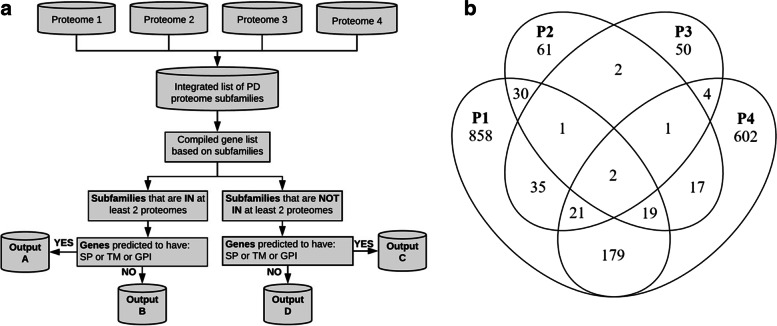
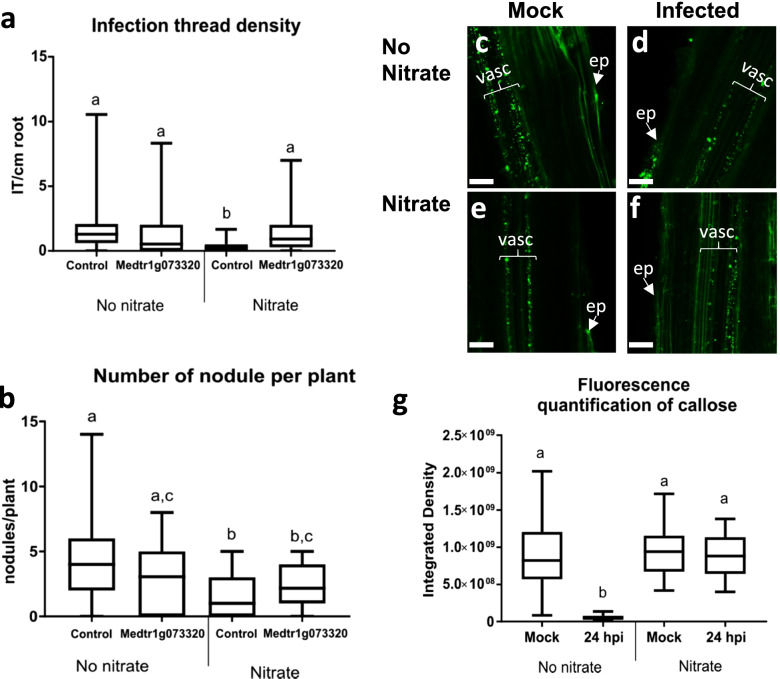
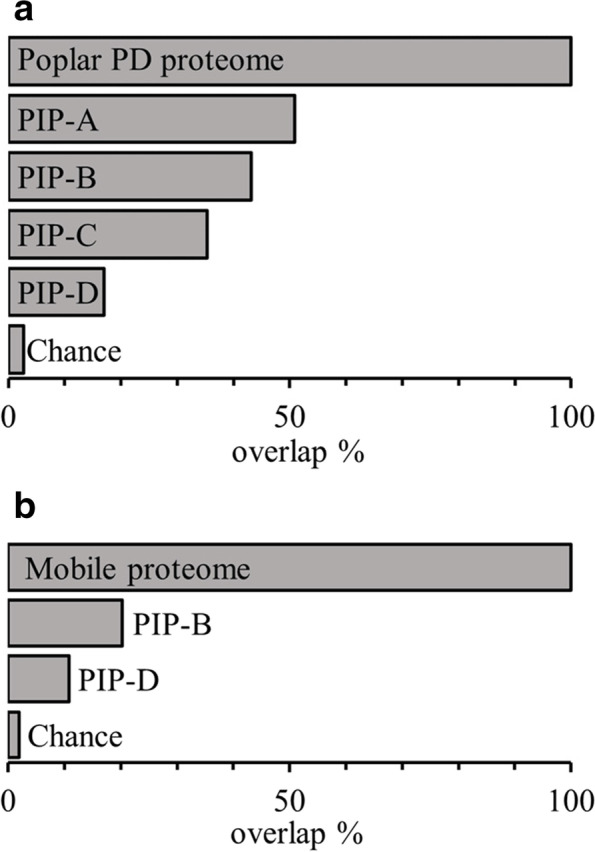
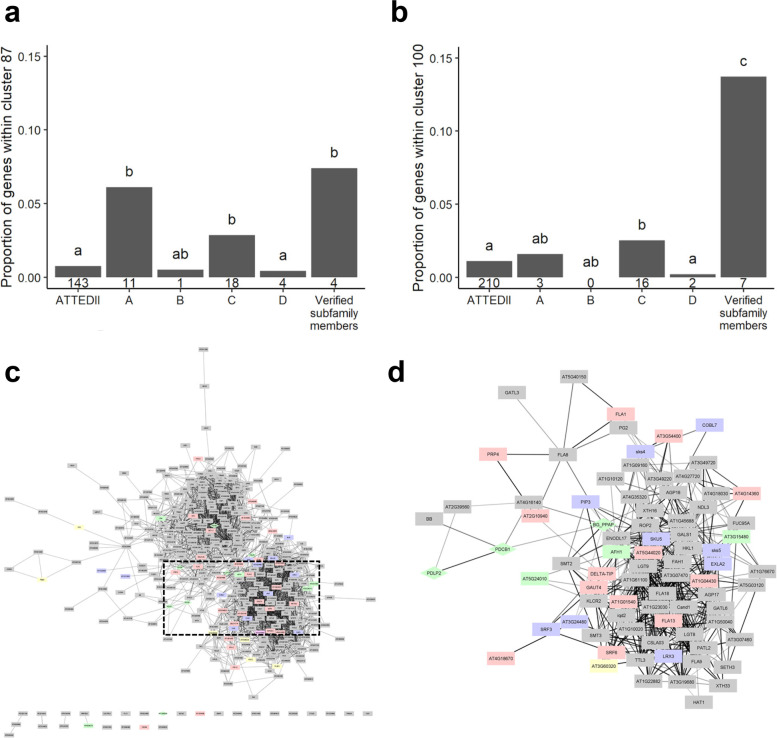
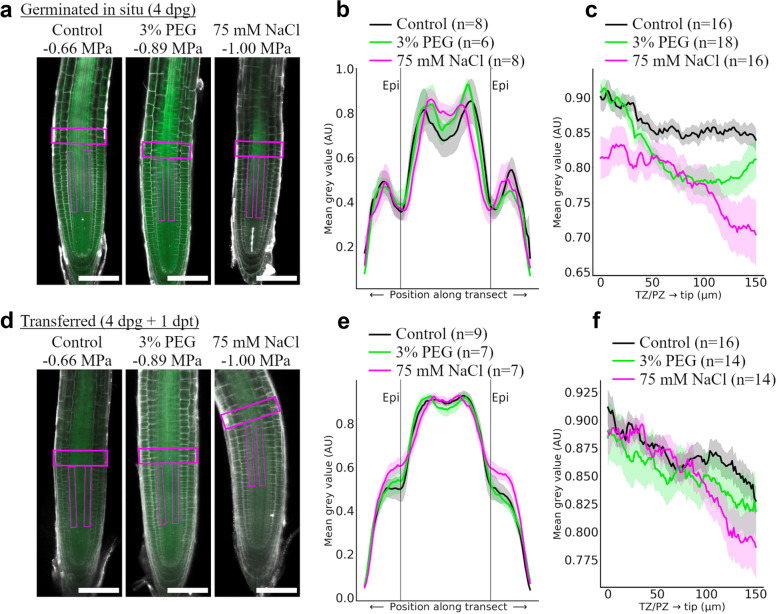
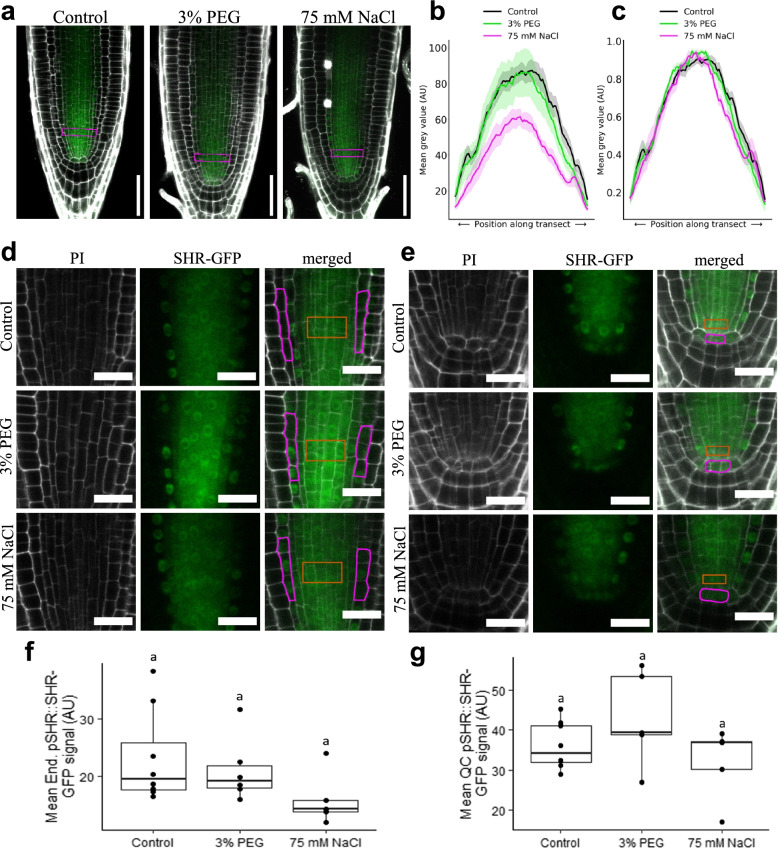
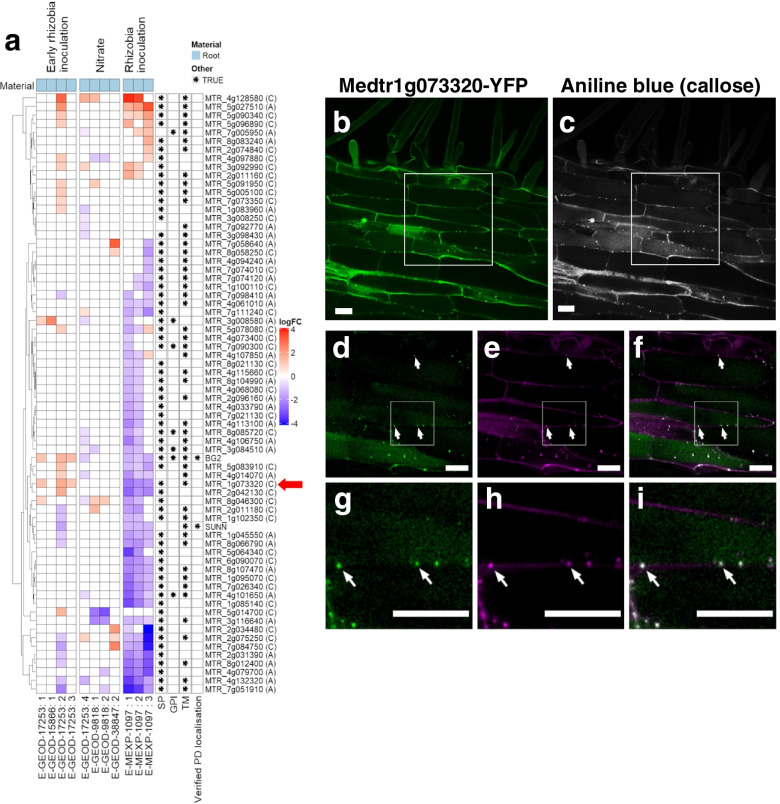
Using the information obtained from experimental proteomes, an analysis pipeline (named plasmodesmata in silico proteome 1 or PIP1) was developed to rapidly generate candidate plasmodesmata proteomes for 22 plant species. Using the in silico proteomes to interrogate published transcriptomes, gene interaction networks were identified pointing to conditions likely affecting plasmodesmata transport capacity. High salinity, drought and osmotic stress regulate the expression of clusters enriched in genes encoding plasmodesmata proteins, including those involved in the metabolism of the cell wall polysaccharide callose. Experimental determinations showed restriction in the intercellular transport of the symplasmic reporter GFP and enhanced callose deposition in Arabidopsis roots exposed to 75-mM NaCl and 3% PEG (polyethylene glycol). Using PIP1 and transcriptome meta-analyses, candidate plasmodesmata proteins for the legume Medicago truncatula were generated, leading to the identification of Medtr1g073320, a novel receptor-like protein that localises at plasmodesmata. Expression of Medtr1g073320 affects callose deposition and the root response to infection with the soil-borne bacteria rhizobia in the presence of nitrate.
Our study shows that combining proteomic meta-analysis and transcriptomic data can be a valuable tool for the identification of new proteins and regulatory mechanisms affecting plasmodesmata function. We have created the freely accessible pipeline PIP1 as a resource for the screening of experimental proteomes and for the in silico prediction of PD proteins in diverse plant species.
植物细胞间信号传递的主要途径是通过细胞壁中嵌入的孔进行介导,这些孔被称为胞间连丝,形成共质体。胞间连丝调节植物的发育和对环境的响应;然而,我们对哪些因素或调节信号影响它们的结构和通透性的理解仍然有限。在本文中,进行了荟萃分析,以确定影响胞间连丝运输的条件,并预测尚未通过实验确定胞间连丝蛋白质组的物种中的胞间连丝蛋白质。
利用从实验蛋白质组中获得的信息,开发了一种分析管道(命名为胞间连丝计算机蛋白质组 1 或 PIP1),用于快速生成 22 种植物物种的候选胞间连丝蛋白质组。利用计算机蛋白质组来询问已发表的转录组,鉴定了指向可能影响胞间连丝运输能力的条件的基因相互作用网络。高盐度、干旱和渗透胁迫调节富含编码胞间连丝蛋白的基因簇的表达,包括参与细胞壁多糖胼胝质代谢的基因。实验测定表明,在暴露于 75-mM NaCl 和 3%PEG(聚乙二醇)的拟南芥根中,质体报告基因 GFP 的细胞间运输受到限制,并且胼胝质沉积增加。利用 PIP1 和转录组荟萃分析,生成了豆科植物百脉根的候选胞间连丝蛋白,导致鉴定出一种新型的受体样蛋白 Medtr1g073320,该蛋白定位于胞间连丝。在存在硝酸盐的情况下,Medtr1g073320 的表达会影响胼胝质沉积和根对土壤细菌根瘤菌感染的反应。
我们的研究表明,结合蛋白质组学荟萃分析和转录组数据可以成为识别影响胞间连丝功能的新蛋白质和调节机制的有价值的工具。我们创建了免费的可访问管道 PIP1,作为筛选实验蛋白质组和预测不同植物物种 PD 蛋白的计算机资源。