Zou Yutian, Xie Jindong, Tian Wenwen, Wu Linyu, Xie Yi, Huang Shanshan, Tang Yuhui, Deng Xinpei, Wu Hao, Xie Xinhua
Department of Breast Oncology, Sun Yat-sen University Cancer Center, State Key Laboratory of Oncology in South China, Collaborative Innovation Center for Cancer Medicine, Guangzhou, China.
Front Cell Dev Biol. 2022 May 17;10:839986. doi: 10.3389/fcell.2022.839986. eCollection 2022.
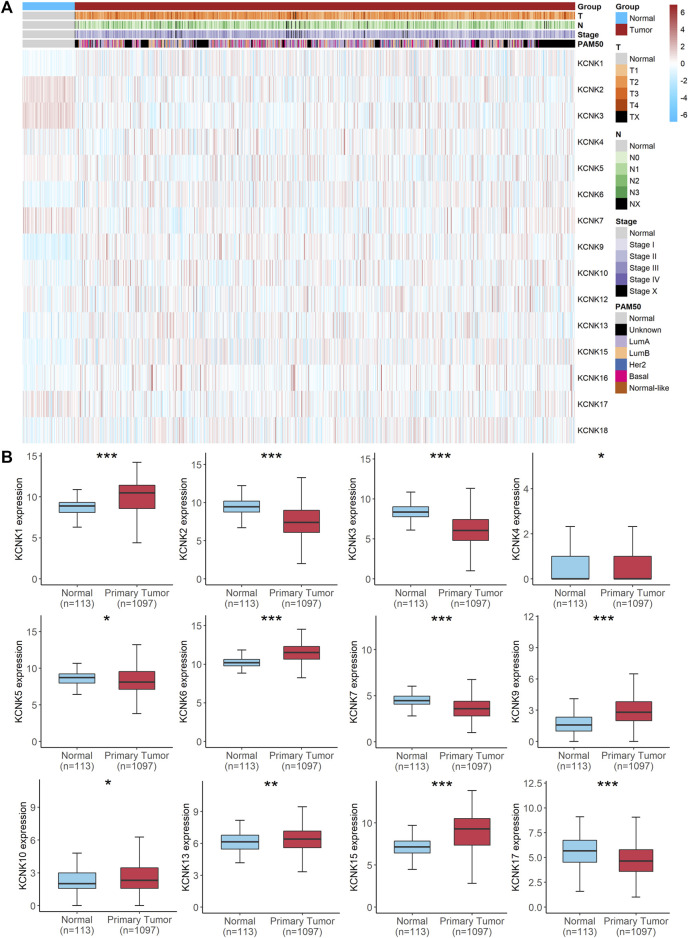
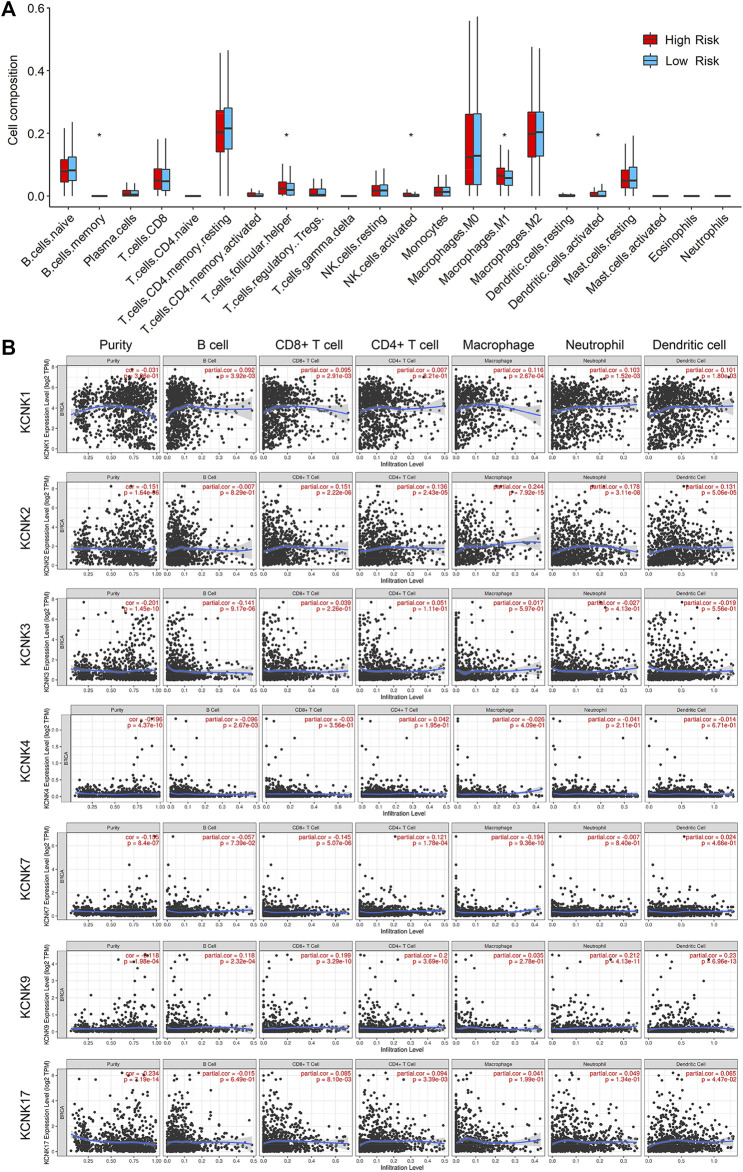
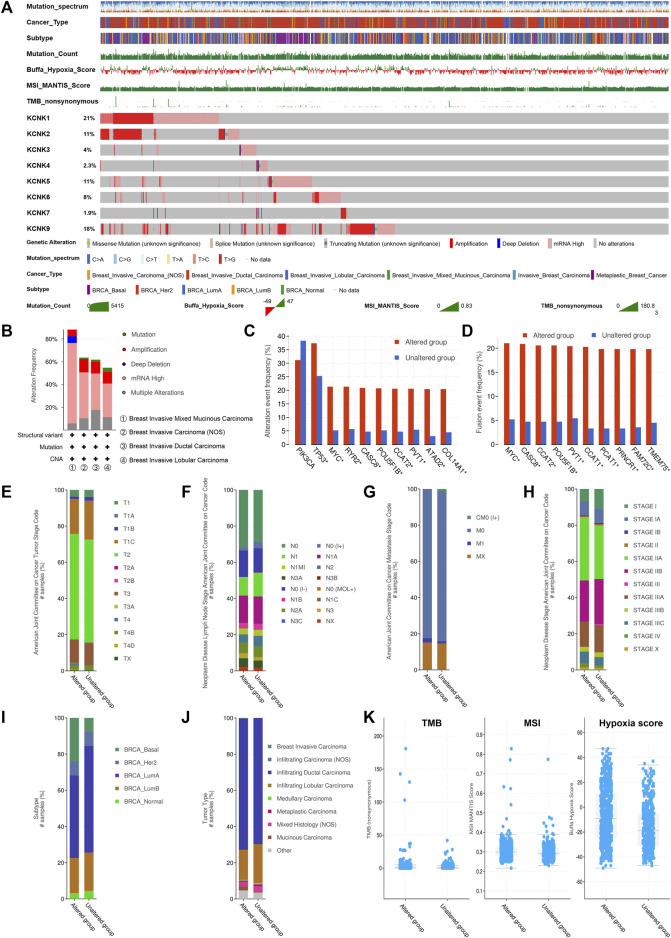
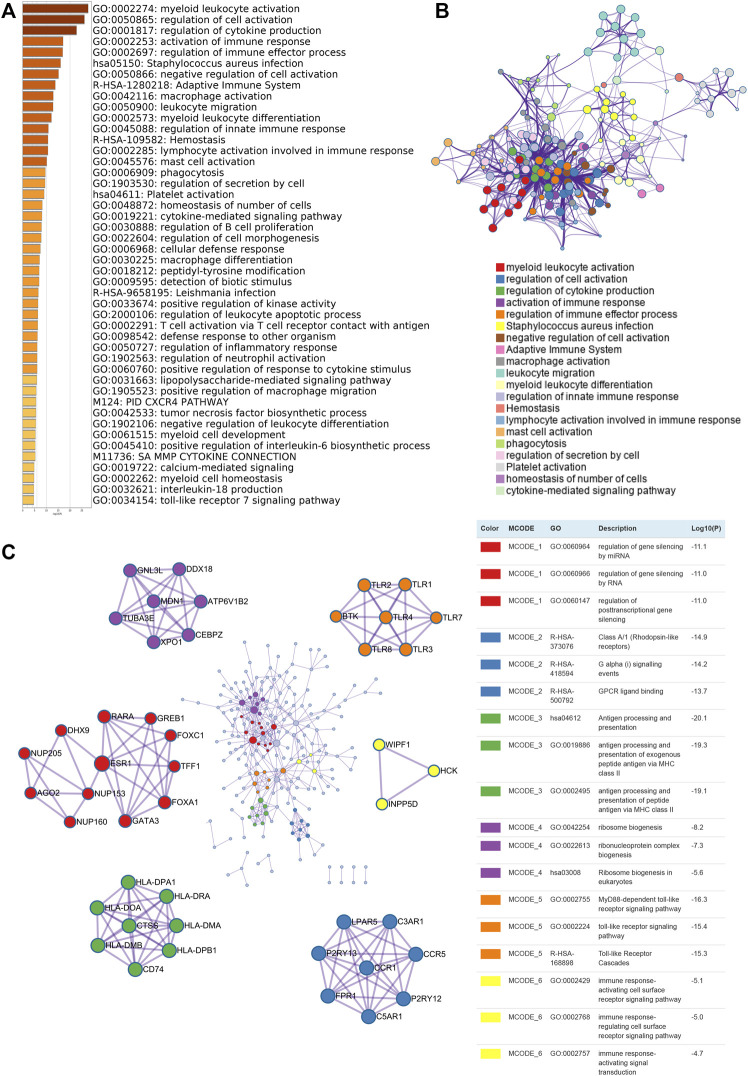
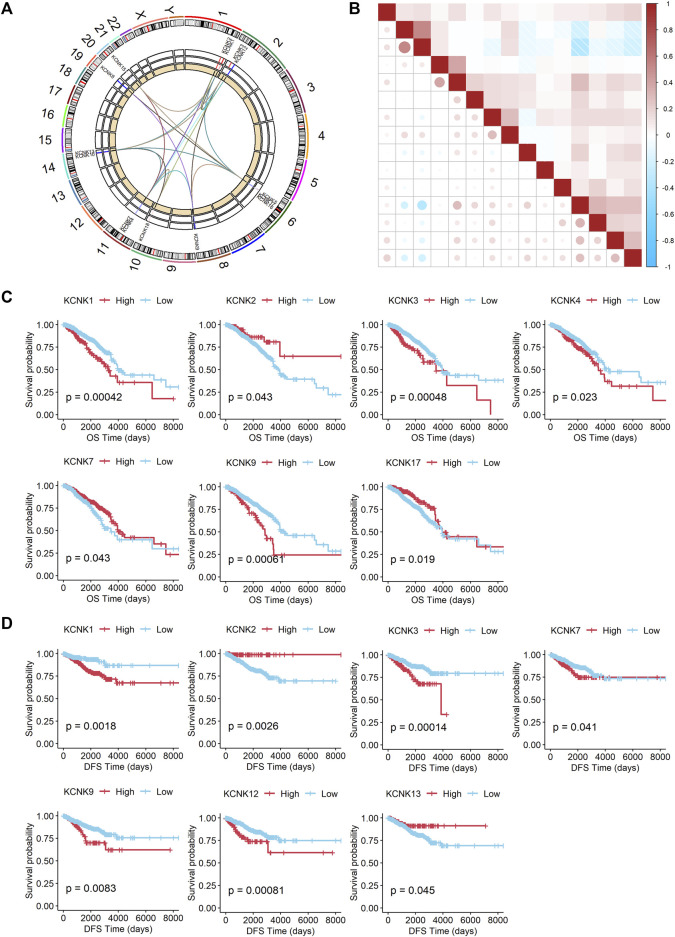
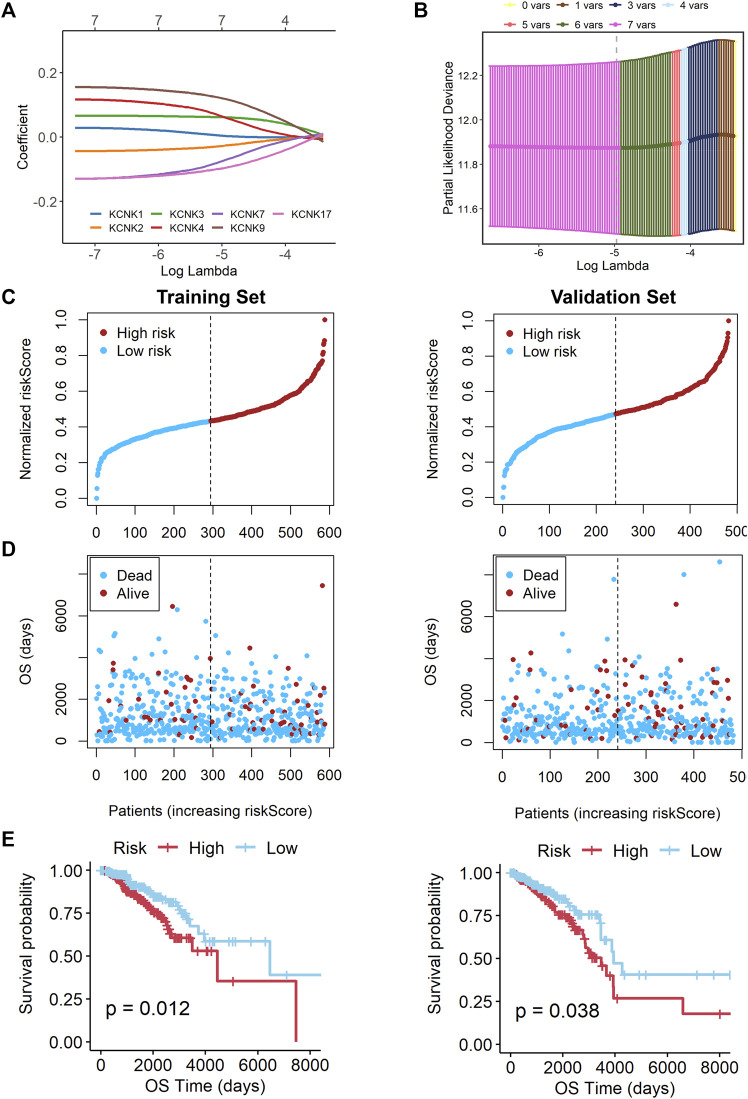
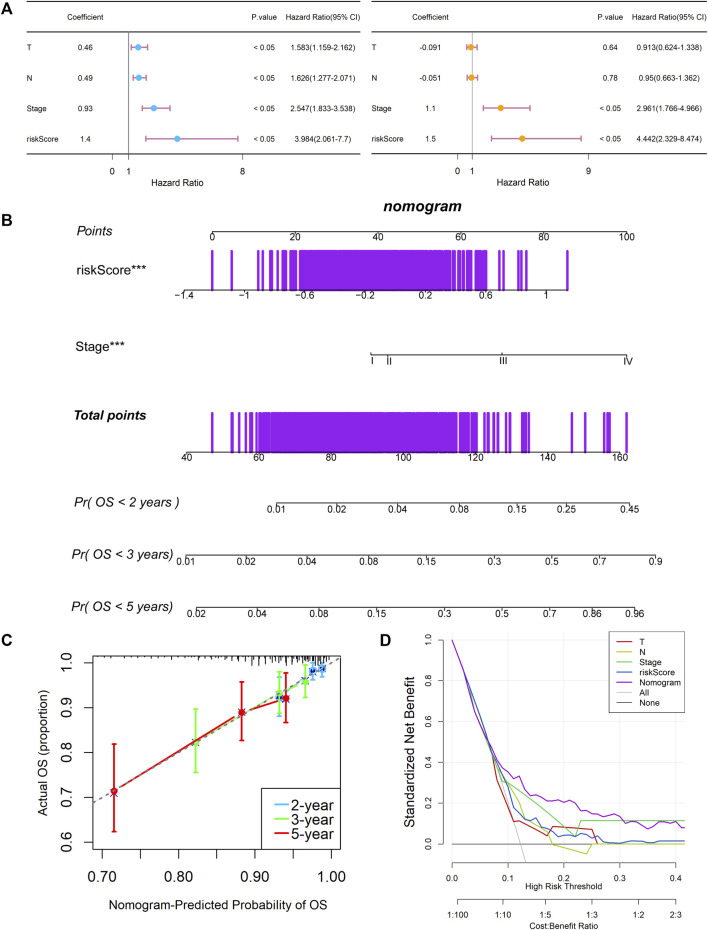
Two-pore domains potassium channel subunits, encoded by KCNK genes, play vital roles in breast cancer progression. However, the characteristics of most KCNK genes in breast cancer has yet to be clarified. In this study, we comprehensively analyzed the expression, alteration, prognosis, and biological functions of various KCNKs in breast cancer. The expression of KCNK1/4/6/9/10/13 were significantly upregulated, while KCNK2/3/5/7/17 were downregulated in breast cancer tissues compared to normal mammary tissues. Increased expression of KCNK1/3/4/9 was correlated with poor overall survival, while high expression of KCNK2/7/17 predicted better overall survival in breast cancer. Eight KCNK genes were altered in breast cancer patients with a genomic mutation rate ranged from 1.9% to 21%. KCNK1 and KCNK9 were the two most common mutations in breast cancer, occurred in 21% and 18% patients, respectively. Alteration of KCNK genes was associated with the worse clinical characteristics and higher TMB, MSI, and hypoxia score. Using machine learning method, a specific prognostic signature with seven KCNK genes was established, which manifested accuracy in predicting the prognosis of breast cancer in both training and validation cohorts. A nomogram with great predictive performance was afterwards constructed through incorporating KCNK-based risk score with clinical features. Furthermore, KCNKs were correlated with the activation of several tumor microenvironment cells, including T cells, mast cells, macrophages, and platelets. Presentation of antigen, stimulation of G protein signaling and toll-like receptor cascaded were regulated by KCNKs family. Taken together, KCNKs may regulate breast cancer progression via modulating immune response which can serve as ideal prognostic biomarkers for breast cancer patients. Our study provides novel insight for future studies evaluating their usefulness as therapeutic targets.
由KCNK基因编码的双孔结构域钾通道亚基在乳腺癌进展中发挥着至关重要的作用。然而,大多数KCNK基因在乳腺癌中的特征尚未明确。在本研究中,我们全面分析了各种KCNK在乳腺癌中的表达、改变、预后及生物学功能。与正常乳腺组织相比,KCNK1/4/6/9/10/13在乳腺癌组织中的表达显著上调,而KCNK2/3/5/7/17则下调。KCNK1/3/4/9表达增加与总生存期较差相关,而KCNK2/7/17高表达预示乳腺癌患者总生存期较好。8个KCNK基因在乳腺癌患者中发生改变,基因组突变率在1.9%至21%之间。KCNK1和KCNK9是乳腺癌中最常见的两种突变,分别发生在21%和18%的患者中。KCNK基因的改变与更差的临床特征以及更高的肿瘤突变负荷(TMB)、微卫星不稳定性(MSI)和缺氧评分相关。使用机器学习方法,建立了一个包含7个KCNK基因的特定预后特征,该特征在训练和验证队列中均表现出预测乳腺癌预后的准确性。随后,通过将基于KCNK的风险评分与临床特征相结合,构建了具有良好预测性能的列线图。此外,KCNK与几种肿瘤微环境细胞的激活相关,包括T细胞、肥大细胞、巨噬细胞和血小板。抗原呈递、G蛋白信号刺激和Toll样受体级联反应受KCNK家族调控。综上所述,KCNK可能通过调节免疫反应来调控乳腺癌进展,这使其成为乳腺癌患者理想的预后生物标志物。我们的研究为未来评估它们作为治疗靶点的实用性提供了新的见解。