Department of Anesthesiology and Pain Medicine, Tongji Hospital, Tongji MedicalCollege, Huazhong University of Science and Technology, Wuhan, 430030, Hubei, People's Republic of China.
J Neuroinflammation. 2022 Jun 3;19(1):129. doi: 10.1186/s12974-022-02495-x.
Neuropathic pain is a common and severely disabling state that affects millions of people worldwide. Microglial activation in the spinal cord plays a critical role in the pathogenesis of neuropathic pain. However, the mechanisms underlying spinal microglial activation during neuropathic pain remain incompletely understood. Here, we investigated the role of Dickkopf (DKK) 3 and its interplay with microglial activation in the spinal cord in neuropathic pain.
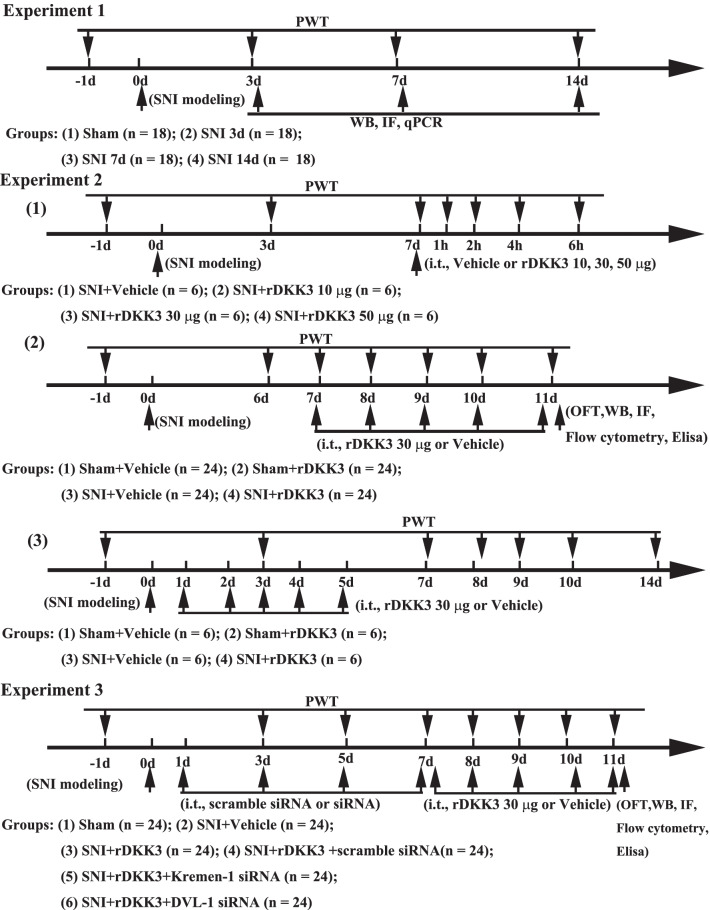
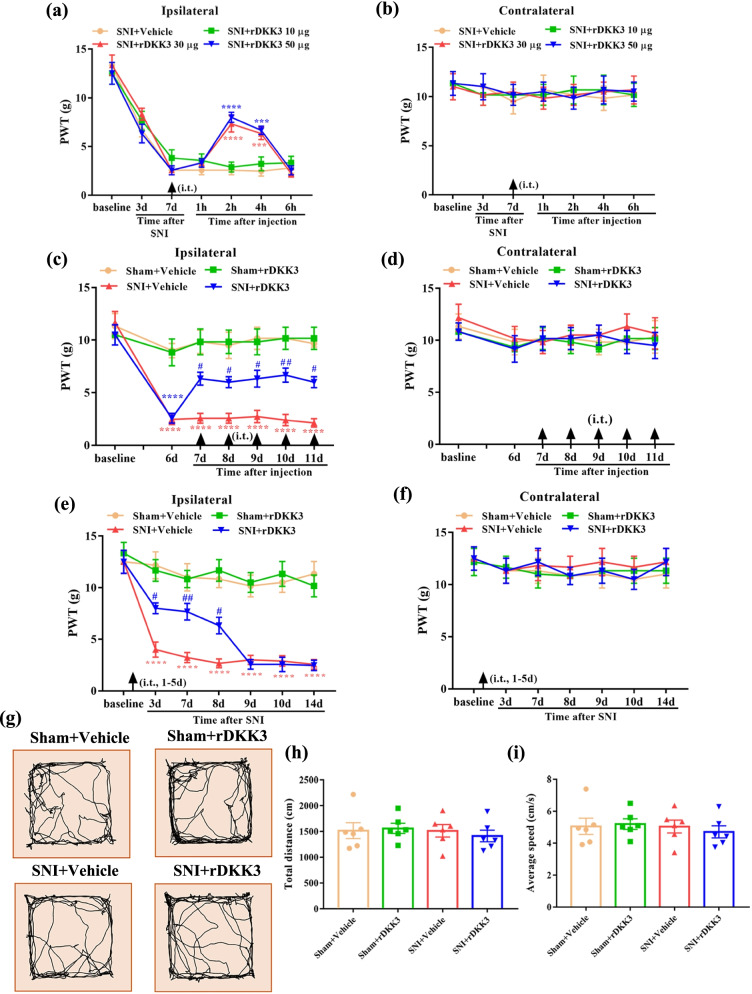
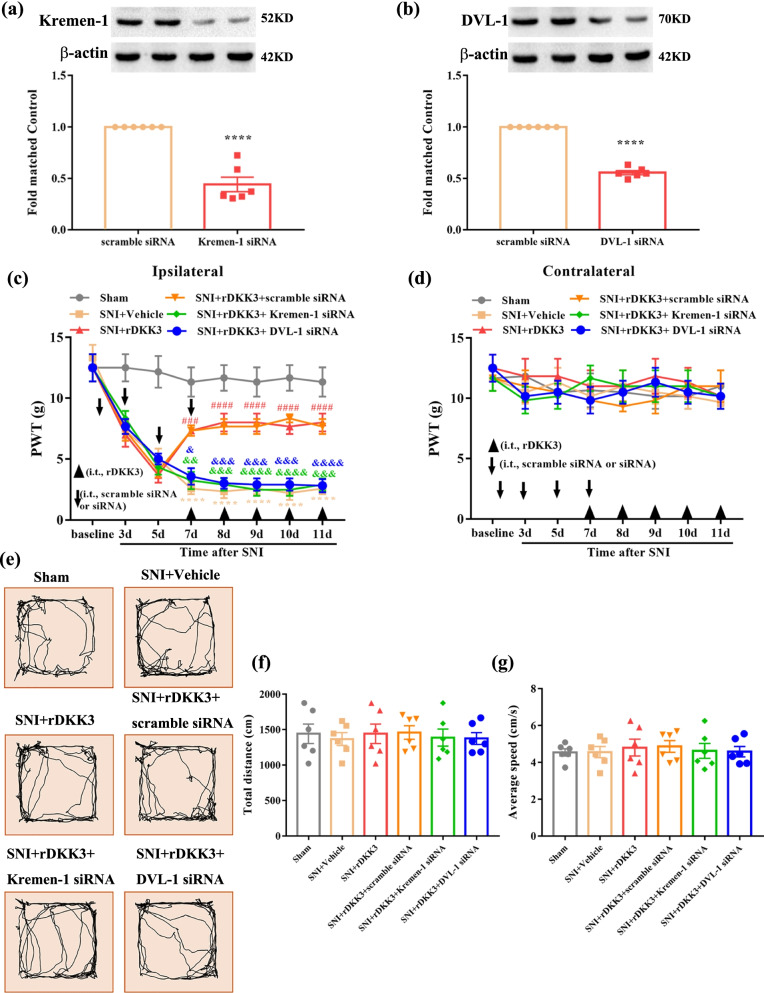
In this study, we investigated the effects of intrathecal injection of recombinant DKK3 (rDKK3) on mechanical allodynia and microglial activation in the spinal cord after spared nerve injury (SNI) in rats by western blot (WB), immunofluorescence (IF), quantitative polymerase chain reaction (qPCR), and enzyme-linked immunosorbent assay (ELISA).
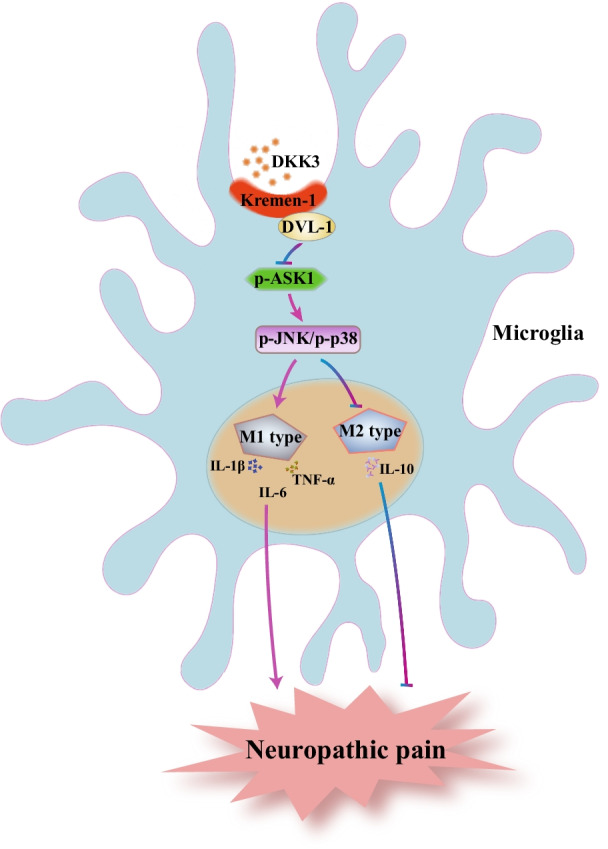
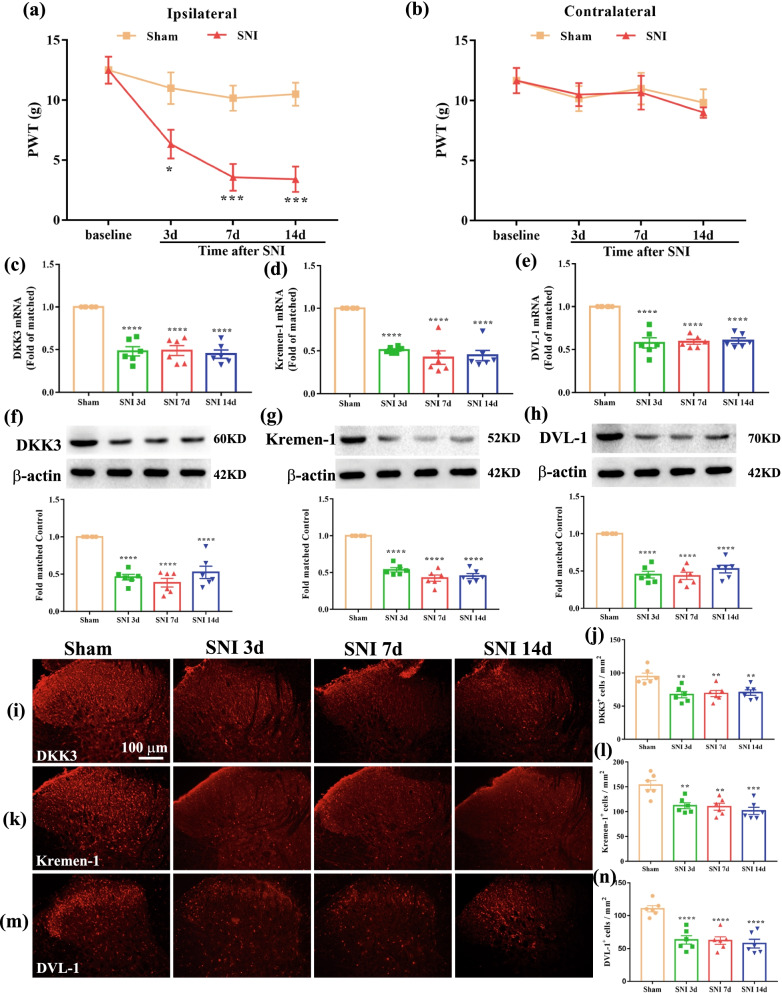
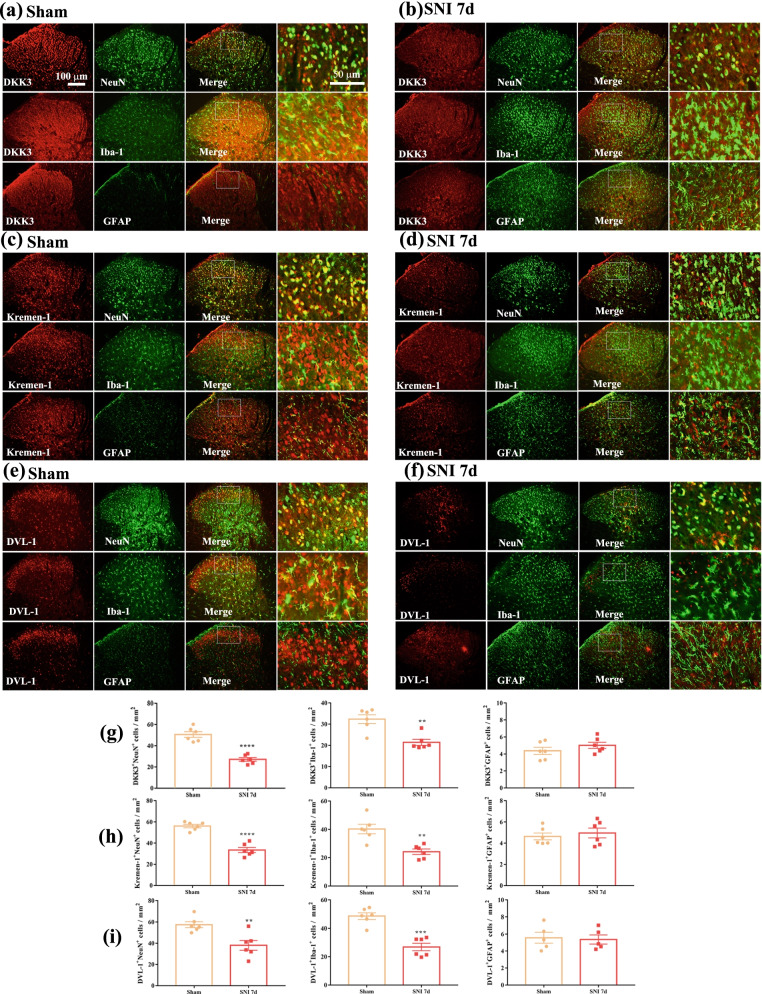
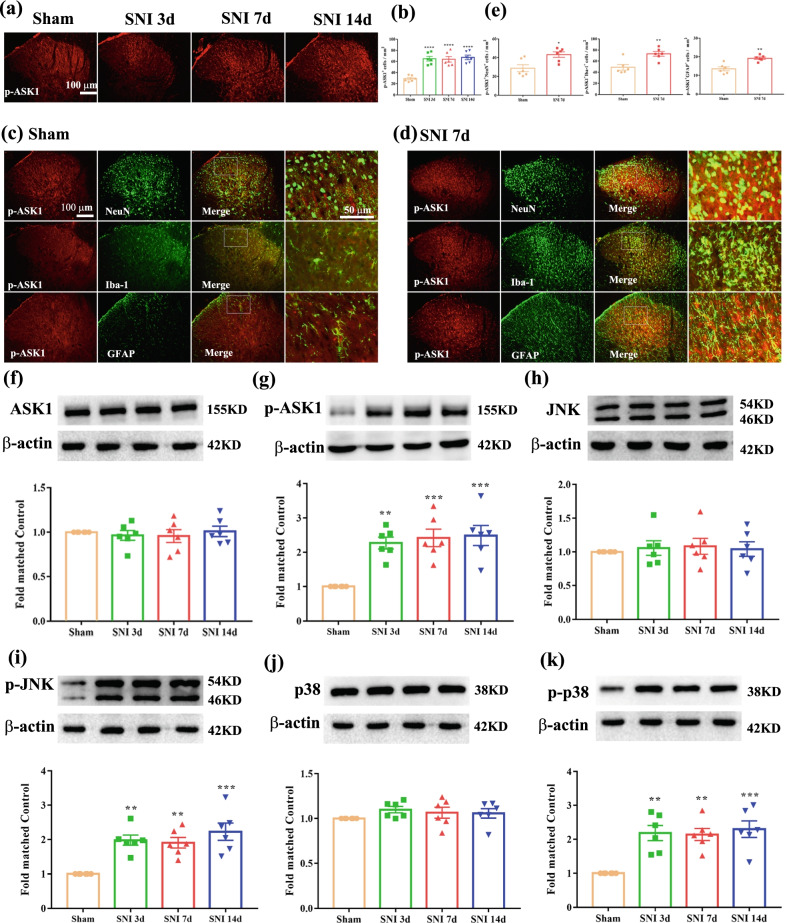
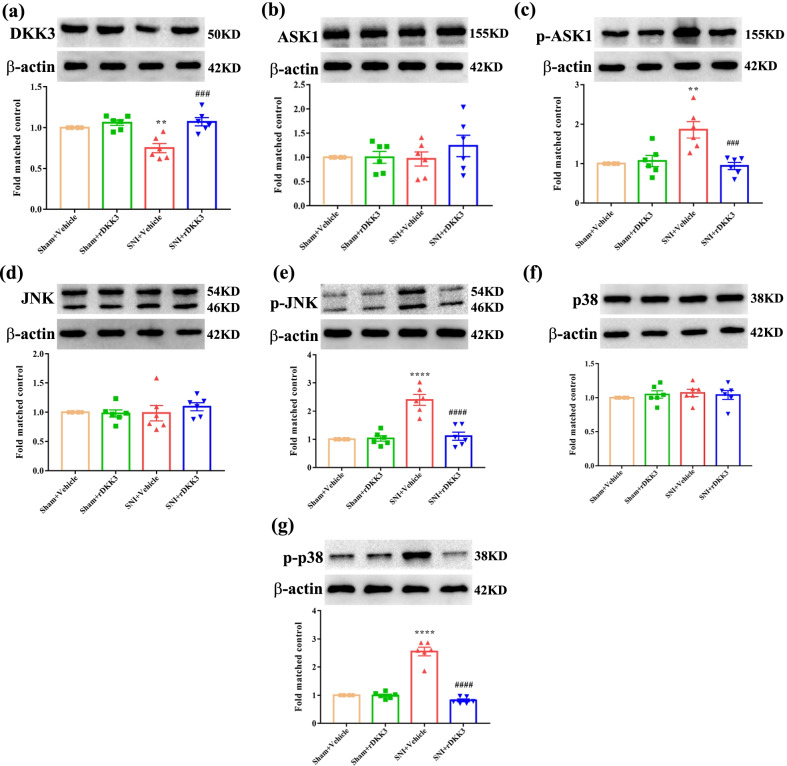
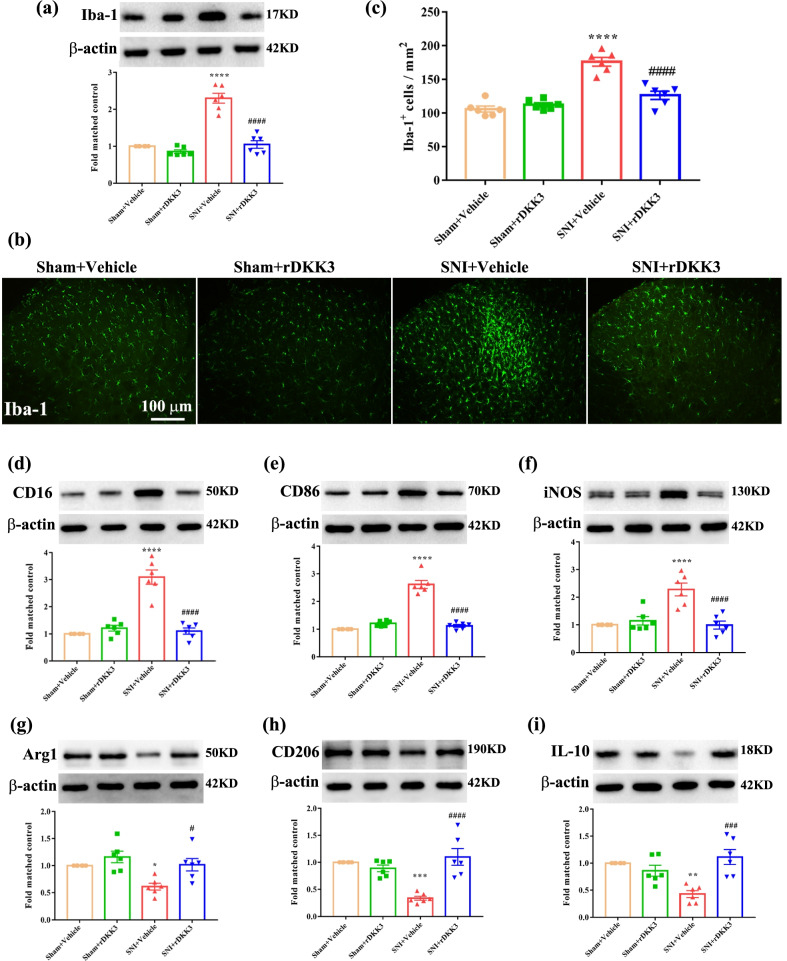
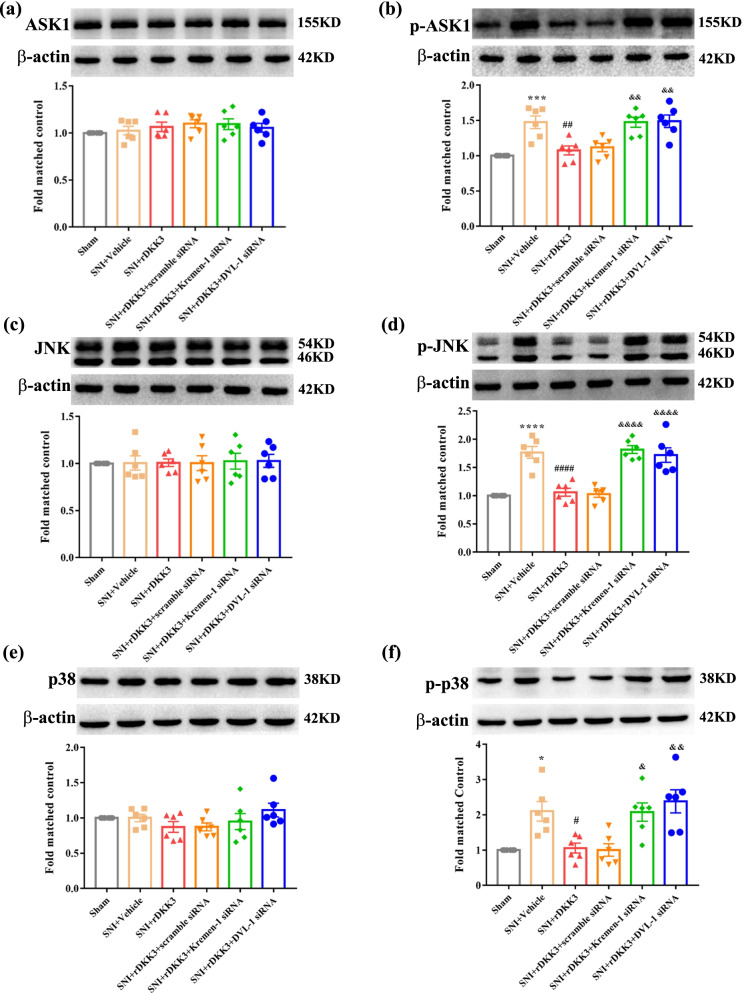
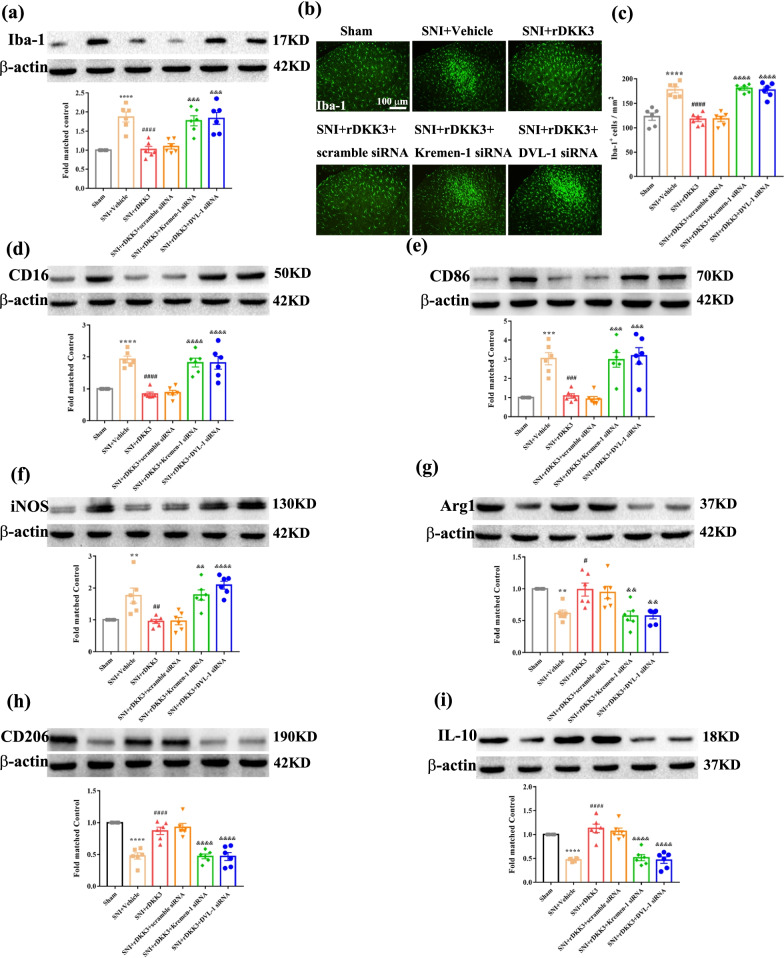
We found that SNI induced a significant decrease in the levels of DKK3, Kremen-1 and Dishevelled-1 (DVL-1) and up-regulated the expression of phosphorylated apoptosis signal-regulating kinase 1 (p-ASK1), phosphorylated c-JUN N-terminal kinase (p-JNK), phosphorylated p38 (p-p38) in the spinal cord. Moreover, our results showed that exogenous intrathecal administration of rDKK3 inhibited expression of p-ASK1, p-JNK, p-p38, promoted the transformation of microglia from M1 type to M2 type, and decreased the production of pro-inflammatory cytokines compared to the rats of SNI + Vehicle. However, these effects were reversed by intrathecal administration of Kremen-1 siRNA or Dishevelled-1 (DVL-1) siRNA.
These results suggest that DKK3 ameliorates neuropathic pain via inhibiting ASK-1/JNK/p-38-mediated microglia polarization and neuroinflammation, at least partly, by the Kremen-1 and DVL-1 pathways.
神经病理性疼痛是一种常见且严重的致残状态,影响着全球数百万人。脊髓中小胶质细胞的激活在神经病理性疼痛的发病机制中起着关键作用。然而,神经病理性疼痛中小胶质细胞激活的机制仍不完全清楚。在这里,我们研究了 Dickkopf(DKK)3 及其与脊髓中小胶质细胞激活的相互作用在神经病理性疼痛中的作用。
在这项研究中,我们通过 Western blot(WB)、免疫荧光(IF)、定量聚合酶链反应(qPCR)和酶联免疫吸附试验(ELISA)研究了鞘内注射重组 DKK3(rDKK3)对 spared nerve injury(SNI)后大鼠脊髓机械性痛觉过敏和小胶质细胞激活的影响。
我们发现 SNI 导致 DKK3、Kremen-1 和 Dishevelled-1(DVL-1)水平显著降低,并上调了脊髓中磷酸化凋亡信号调节激酶 1(p-ASK1)、磷酸化 c-JUN N-末端激酶(p-JNK)、磷酸化 p38(p-p38)的表达。此外,我们的结果表明,鞘内给予外源性 rDKK3 可抑制 p-ASK1、p-JNK、p-p38 的表达,促进小胶质细胞从 M1 型向 M2 型转化,并降低促炎细胞因子的产生,与 SNI+Vehicle 组大鼠相比。然而,这些作用被鞘内给予 Kremen-1 siRNA 或 Dishevelled-1(DVL-1)siRNA 逆转。
这些结果表明,DKK3 通过抑制 ASK-1/JNK/p-38 介导的小胶质细胞极化和神经炎症来改善神经病理性疼痛,至少部分通过 Kremen-1 和 DVL-1 途径。