Department of Immunology and Infectious Diseases, Harvard T.H. Chan School of Public Health, Boston, United States.
Department of Biology, Northeastern University, Boston, United States.
Elife. 2022 Jun 6;11:e71947. doi: 10.7554/eLife.71947.
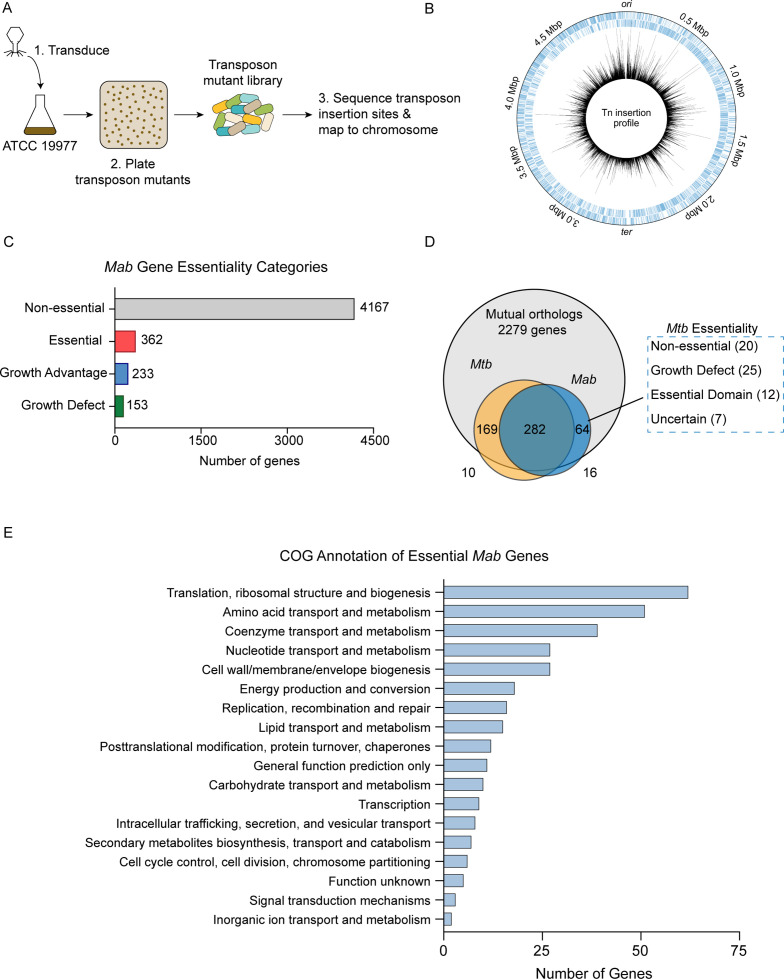
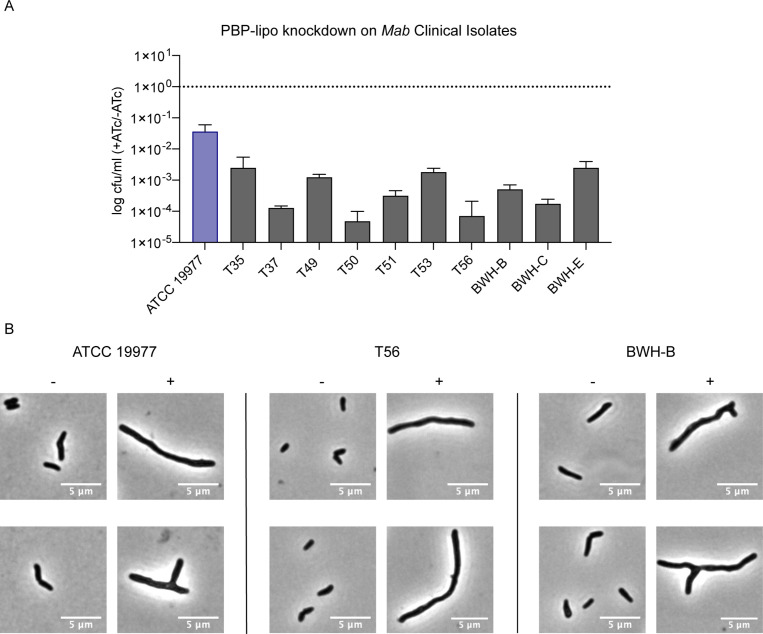
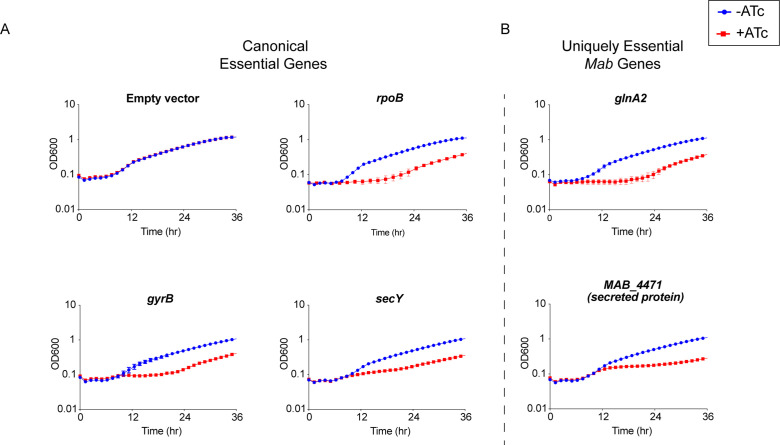
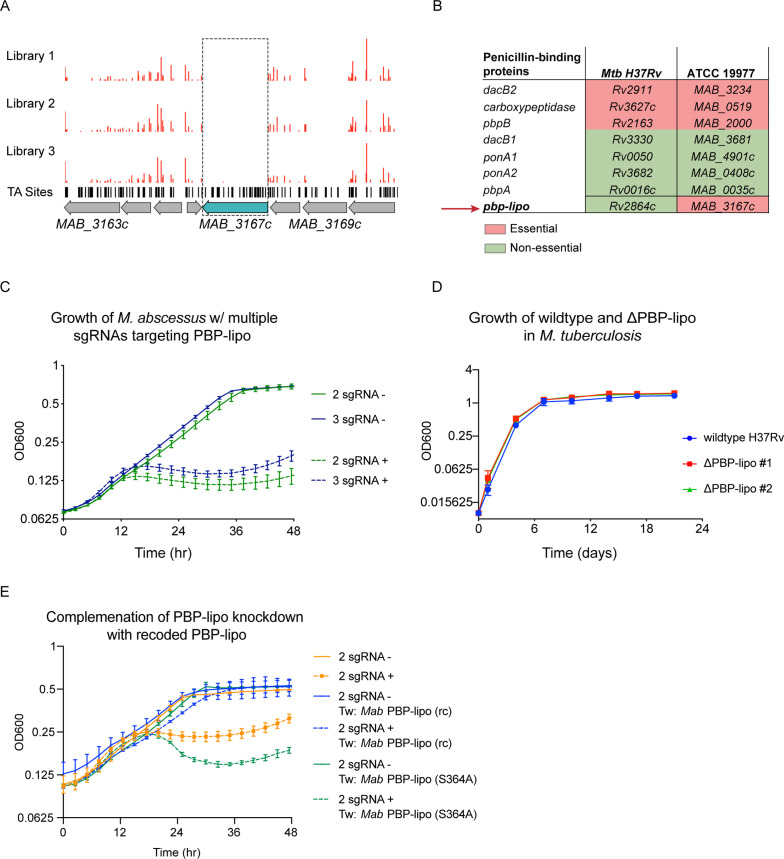
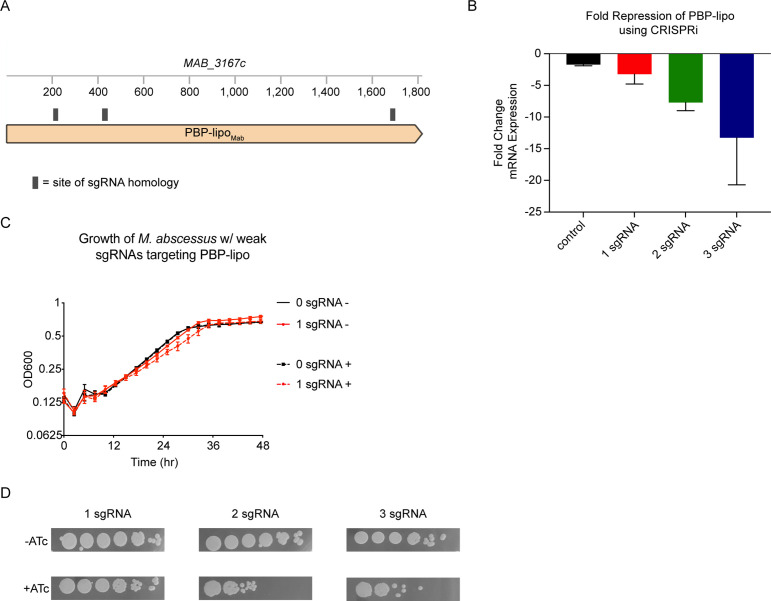
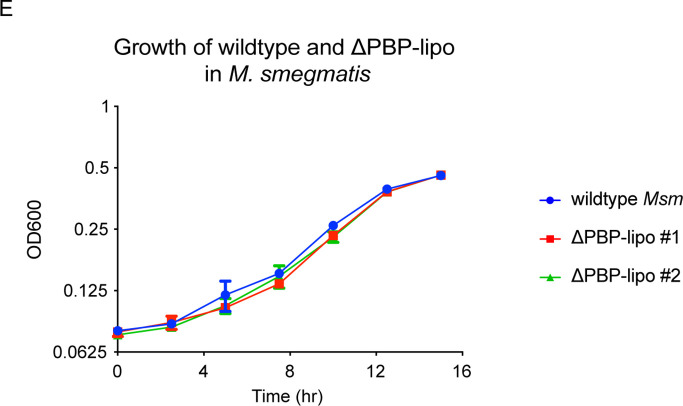
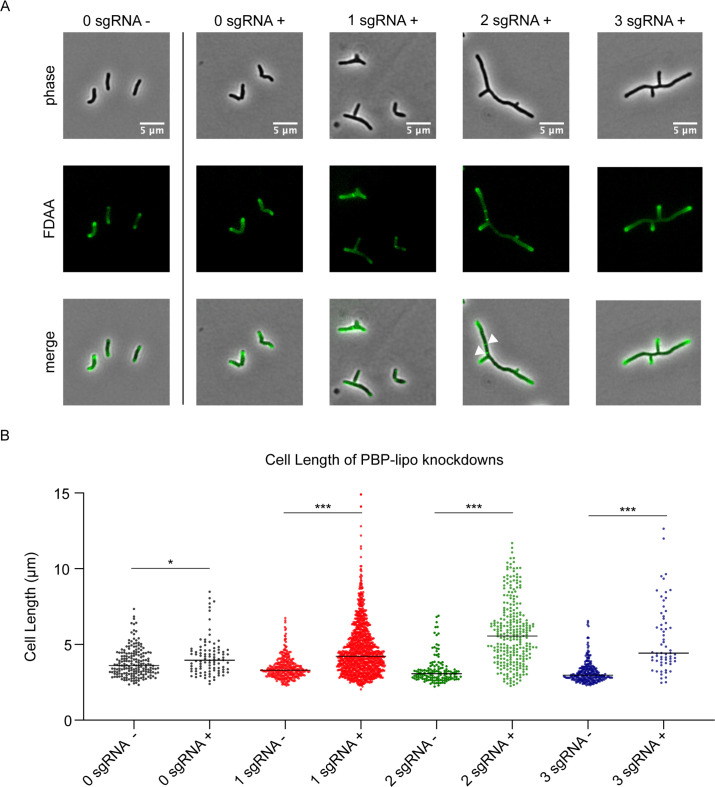
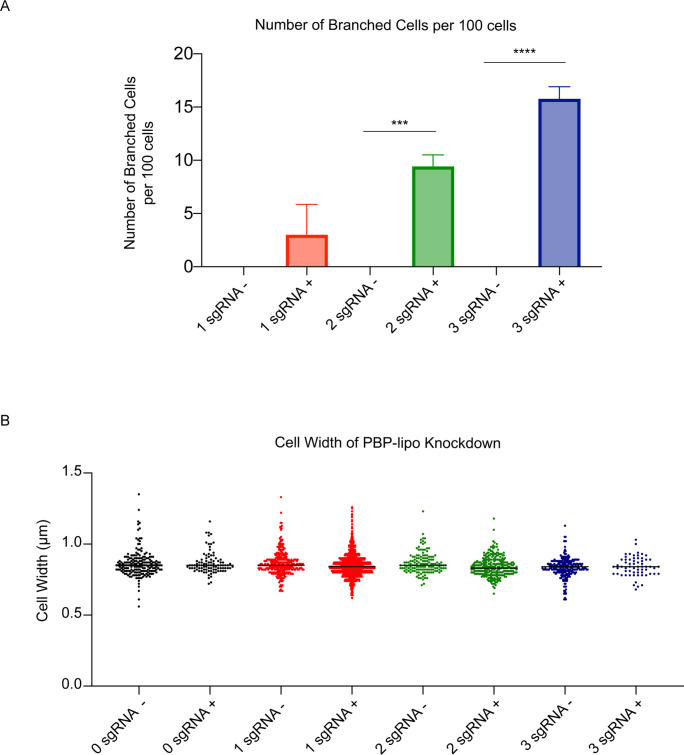
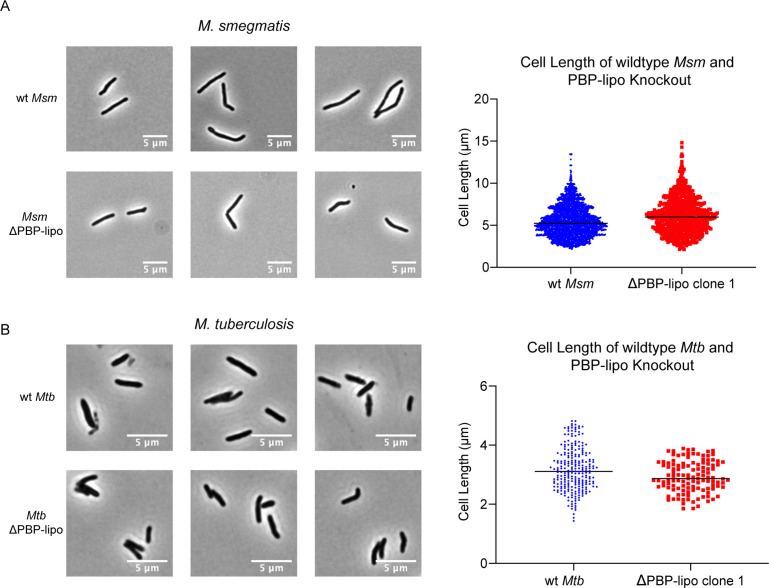
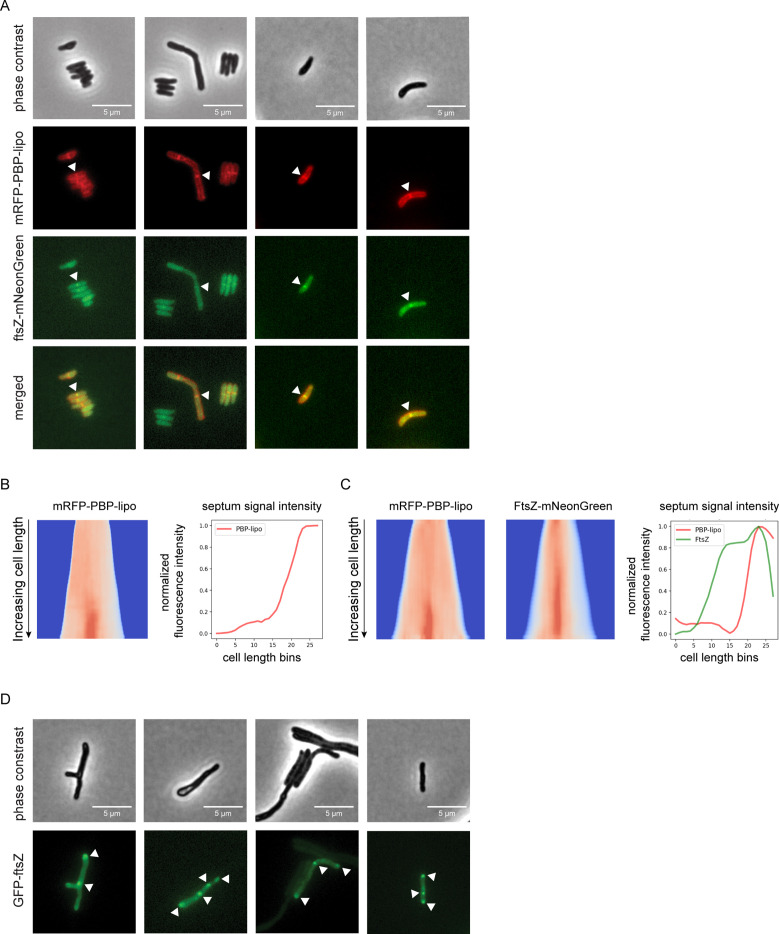
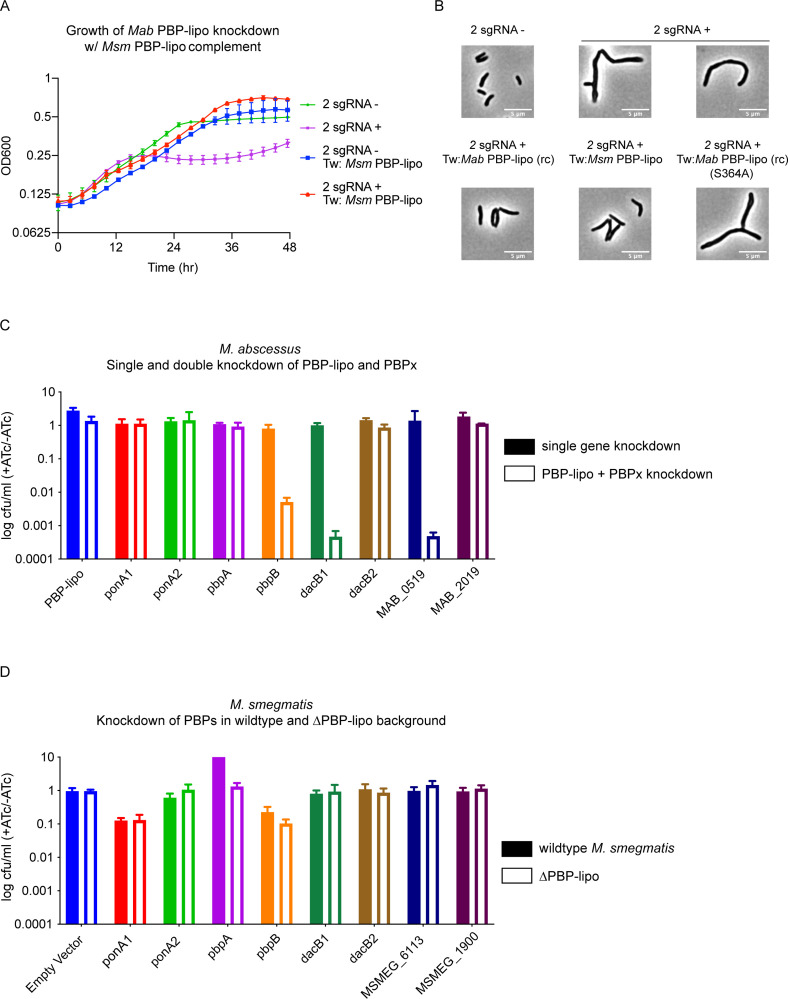
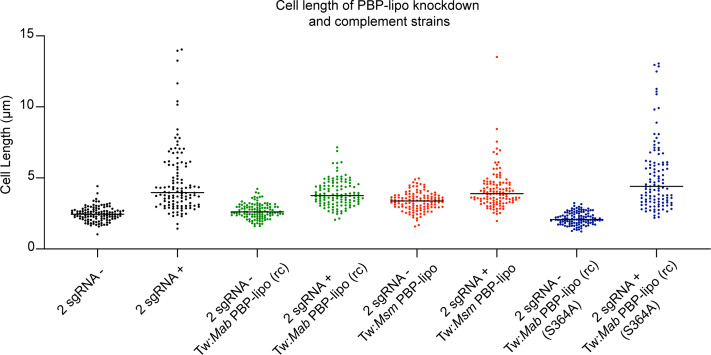
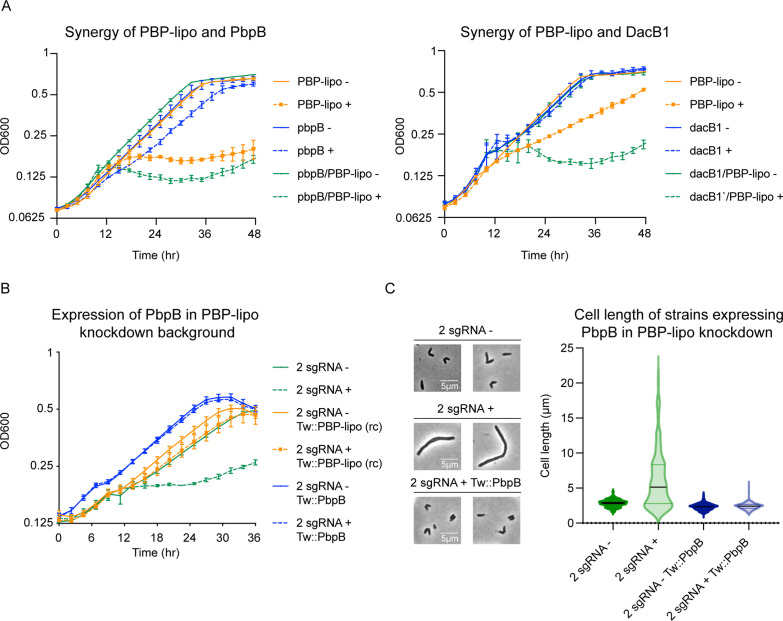
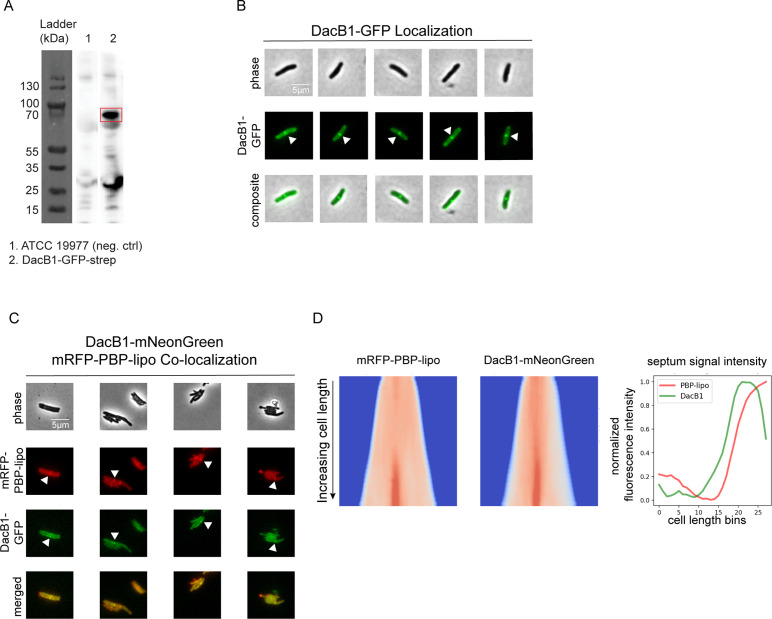
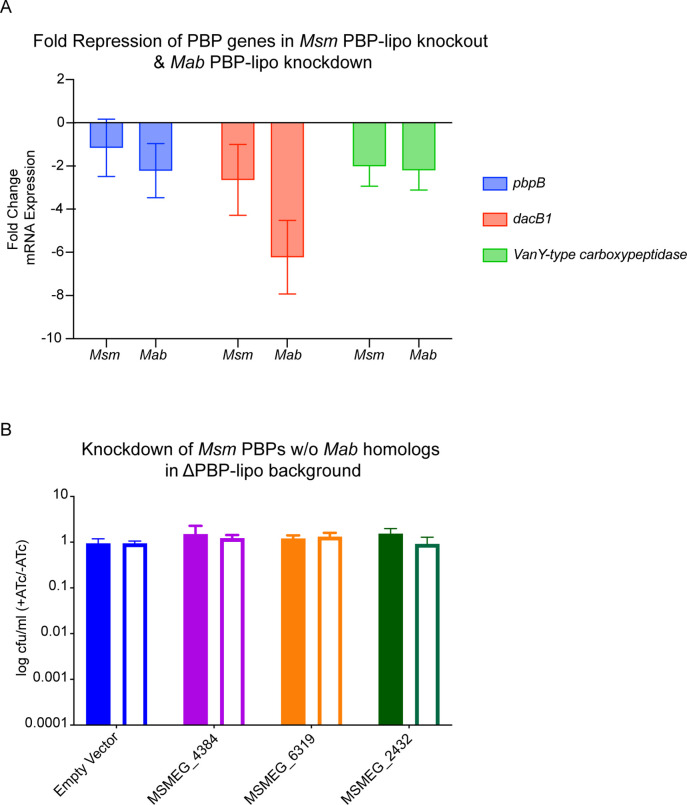
() is a rapidly growing non-tuberculous mycobacterium (NTM) that causes a wide range of infections. Treatment of infections is difficult because the bacterium is intrinsically resistant to many classes of antibiotics. Developing new and effective treatments against requires a better understanding of the unique vulnerabilities that can be targeted for future drug development. To achieve this, we identified essential genes in by conducting transposon sequencing (TnSeq) on the reference strain ATCC 19977. We generated ~51,000 unique transposon mutants and used this high-density library to identify 362 essential genes for in vitro growth. To investigate species-specific vulnerabilities in , we further characterized , a predicted penicillin-binding protein and hypothetical lipoprotein (PBP-lipo) that is essential in and non-essential in (). We found that PBP-lipo primarily localizes to the subpolar region and later to the septum as cells prepare to divide. Depletion of PBP-lipo causes cells to elongate, develop ectopic branches, and form multiple septa. Knockdown of PBP-lipo along with PbpB, DacB1, and a carboxypeptidase, MAB_0519 lead to synergistic growth arrest. In contrast, these genetic interactions were absent in the model organism, , indicating that the PBP-lipo homologs in the two species exist in distinct genetic networks. Finally, repressing PBP-lipo sensitized the reference strain and 11 clinical isolates to several classes of antibiotics, including the β-lactams, ampicillin, and amoxicillin by greater than 128-fold. Altogether, this study presents PBP-lipo as a key enzyme to study -specific processes in cell wall synthesis and importantly positions PBP-lipo as an attractive drug target to treat infections.
()是一种快速生长的非结核分枝杆菌(NTM),可引起多种感染。由于该细菌对许多类抗生素具有固有耐药性,因此感染的治疗非常困难。要开发针对 的新的有效治疗方法,需要更好地了解可针对未来药物开发的独特弱点。为了实现这一目标,我们通过对参考菌株 ATCC 19977 进行转座子测序(TnSeq)来鉴定 中的必需基因。我们生成了约 51,000 个独特的转座子突变体,并使用该高密度文库鉴定了 362 个体外生长必需基因。为了研究 中的种特异性弱点,我们进一步表征了 ,这是一种预测的青霉素结合蛋白和假设的脂蛋白(PBP-lipo),在 中是必需的,而在 ()中是非必需的。我们发现 PBP-lipo 主要定位于亚极区,然后在细胞准备分裂时定位于隔膜。PBP-lipo 的耗尽会导致细胞伸长,形成异位分支,并形成多个隔膜。PBP-lipo 与 PbpB、DacB1 和羧肽酶的敲低协同导致生长停滞。相比之下,这些遗传相互作用在 模式生物中不存在,表明这两个物种中的 PBP-lipo 同源物存在于不同的遗传网络中。最后,抑制 PBP-lipo 使参考菌株和 11 种临床分离株对包括β-内酰胺类、氨苄西林和阿莫西林在内的几类抗生素的敏感性提高了 128 倍以上。总的来说,这项研究将 PBP-lipo 作为研究细胞壁合成中特定过程的关键酶,并将 PBP-lipo 作为治疗 感染的有吸引力的药物靶点。