Kashani Narjes Riahi, Azadbakht Javid, Ehteram Hassan, Kashani Hamed Haddad, Rajabi-Moghadam Hassan, Ahmad Ejaz, Nikzad Hossein, Hosseini Elahe Seyed
Anatomical Sciences Research Center, Institute for Basic Sciences, Kashan University of Medical Sciences, Kashan, Iran.
Gametogenesis Research Center, Kashan University of Medical Sciences, Kashan, Iran.
Front Mol Biosci. 2022 May 19;9:770775. doi: 10.3389/fmolb.2022.770775. eCollection 2022.
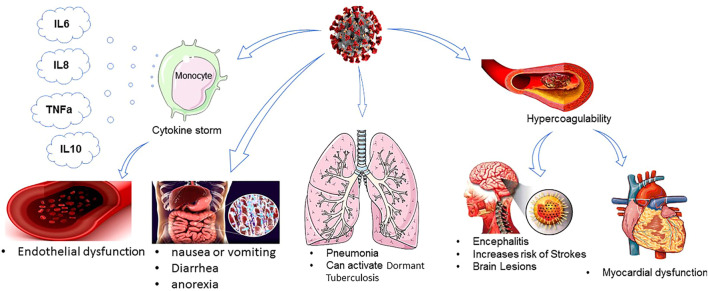
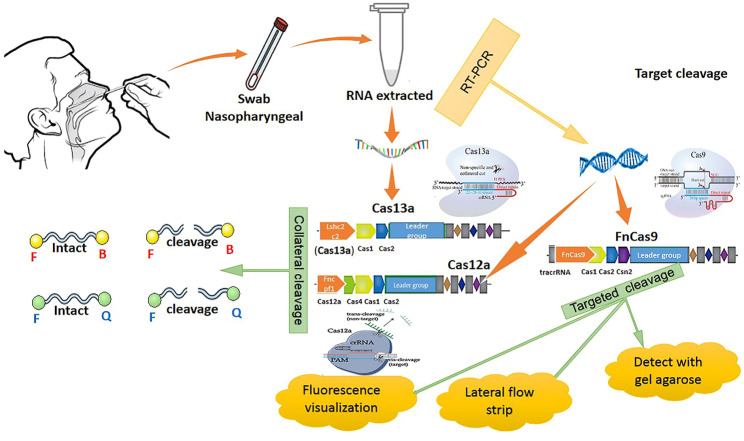
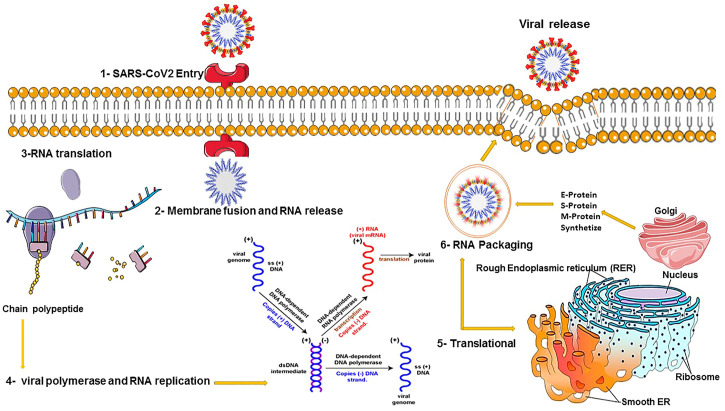
The coronavirus-related severe acute respiratory syndrome (SARS-CoV) in 2002/2003, the Middle East respiratory syndrome (MERS-CoV) in 2012/2013, and especially the current 2019/2021 severe acute respiratory syndrome-2 (SARS-CoV-2) negatively affected the national health systems worldwide. Different SARS-CoV-2 variants, including Alpha (B.1.1.7), Beta (B.1.351), Gamma (P.1), Delta (B.1.617.2), and recently Omicron (B.1.1.529), have emerged resulting from the high rate of genetic recombination and S1-RBD/S2 mutation/deletion in the spike protein that has an impact on the virus activity. Furthermore, genetic variability in certain genes involved in the immune system might impact the level of SARS-CoV-2 recognition and immune response against the virus among different populations. Understanding the molecular mechanism and function of SARS-CoV-2 variants and their different epidemiological outcomes is a key step for effective COVID-19 treatment strategies, including antiviral drug development and vaccine designs, which can immunize people with genetic variabilities against various strains of SARS-CoV-2. In this review, we center our focus on the recent and up-to-date knowledge on SARS-CoV-2 (Alpha to Omicron) origin and evolution, structure, genetic diversity, route of transmission, pathogenesis, new diagnostic, and treatment strategies, as well as the psychological and economic impact of COVID-19 pandemic on individuals and their lives around the world.
2002/2003年的冠状病毒相关严重急性呼吸综合征(SARS-CoV)、2012/2013年的中东呼吸综合征(MERS-CoV),尤其是当前2019/2021年的严重急性呼吸综合征冠状病毒2(SARS-CoV-2)对全球各国卫生系统产生了负面影响。包括阿尔法(B.1.1.7)、贝塔(B.1.351)、伽马(P.1)、德尔塔(B.1.617.2)以及最近的奥密克戎(B.1.1.529)在内的不同SARS-CoV-2变体的出现,是由于刺突蛋白中高频率的基因重组以及S1-RBD/S2突变/缺失,这对病毒活性产生了影响。此外,参与免疫系统的某些基因的遗传变异性可能会影响不同人群中对SARS-CoV-2的识别水平和针对该病毒的免疫反应。了解SARS-CoV-2变体的分子机制和功能及其不同的流行病学结果,是制定有效的COVID-19治疗策略的关键一步,这些策略包括抗病毒药物研发和疫苗设计,能够使具有遗传变异性的人群对各种SARS-CoV-2毒株产生免疫。在这篇综述中,我们重点关注关于SARS-CoV-2(从阿尔法到奥密克戎)的起源与进化、结构、遗传多样性、传播途径、发病机制、新的诊断和治疗策略,以及COVID-19大流行对世界各地个人及其生活的心理和经济影响的最新知识。