Natili Marcello, Negri Fedra
Università Degli Studi Di Milano - Bicocca, Milan, Italy.
Qual Quant. 2023;57(2):1561-1585. doi: 10.1007/s11135-022-01414-9. Epub 2022 May 30.
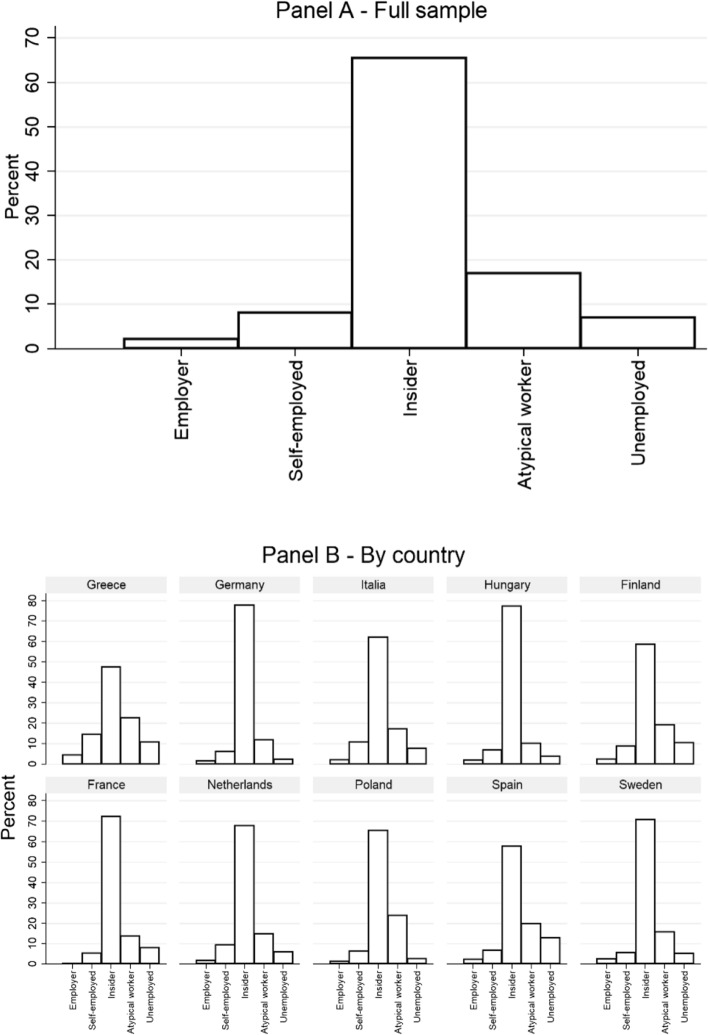
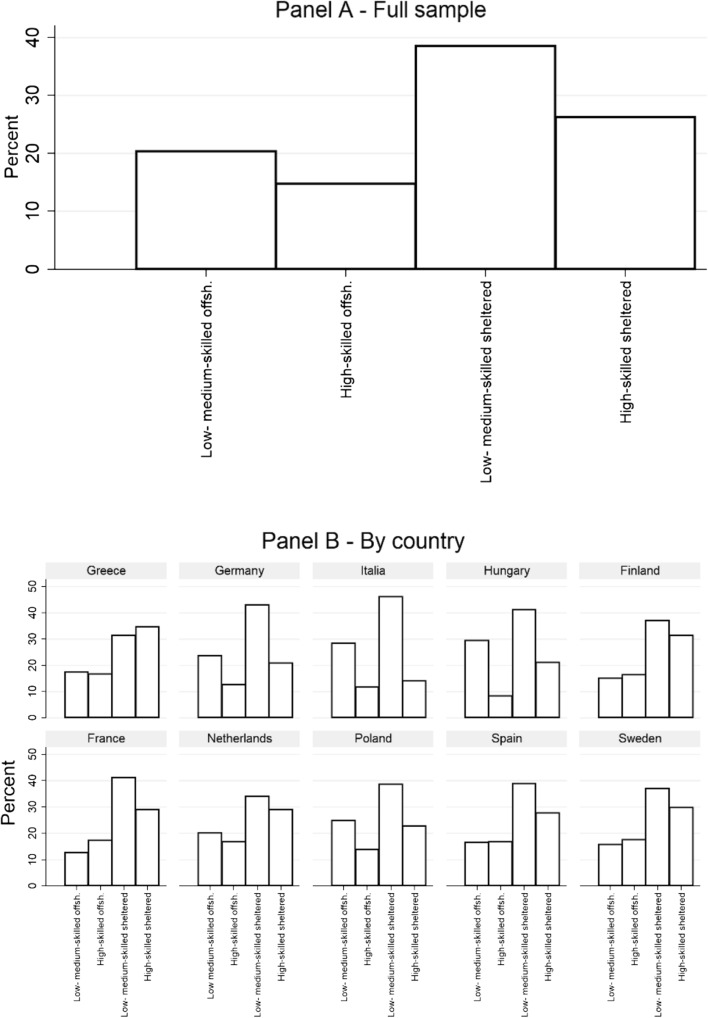
In post-industrial and globalized economies, socio-economic risks have become ubiquitous for workers. Two segments of the labour force seem particularly exposed: namely, outsiders (atypical workers and unemployed individuals) and globalization losers (unskilled workers in offshorable employment sectors), with relevant consequences for party competition in Europe. The coexistence of these two segments of vulnerable workers has brought conceptual ambiguity. Using the original 2019 REScEU Mass Survey on ten European countries, we firstly clarify that outsiders and globalization losers do not constitute the same socio-economic group. Secondly, we look into the micro-foundations of outsiders' and globalization losers' redistributive preferences and political behaviours by showing that outsiderness, rather than exposure to international competition, constitutes a significant driver of income and employment insecurities, and of dependency on social protection and family financial aid.
The online version contains supplementary material available at 10.1007/s11135-022-01414-9.
在后工业化和全球化经济中,社会经济风险对工人来说已无处不在。劳动力中的两个群体似乎特别容易受到影响:即局外人(非典型工人和失业者)和全球化输家(可离岸外包就业部门的非技术工人),这对欧洲的政党竞争产生了相关影响。这两类弱势工人的共存带来了概念上的模糊性。利用2019年对十个欧洲国家进行的REScEU大规模原始调查,我们首先明确局外人与全球化输家并不构成同一个社会经济群体。其次,我们通过表明局外身份而非受国际竞争影响,是收入和就业不安全感以及对社会保护和家庭经济援助依赖的重要驱动因素,来探究局外人与全球化输家的再分配偏好和政治行为的微观基础。
在线版本包含可在10.1007/s11135-022-01414-9获取的补充材料。