Department of Medical Biotechnology, School of Medicine, Zanjan University of Medical Sciences, Zanjan, Iran.
Fuller Laboratories, 1312 East Valencia Drive, Fullerton, CA, 92831, USA.
Mol Biotechnol. 2022 Dec;64(12):1376-1387. doi: 10.1007/s12033-022-00514-z. Epub 2022 Jun 7.
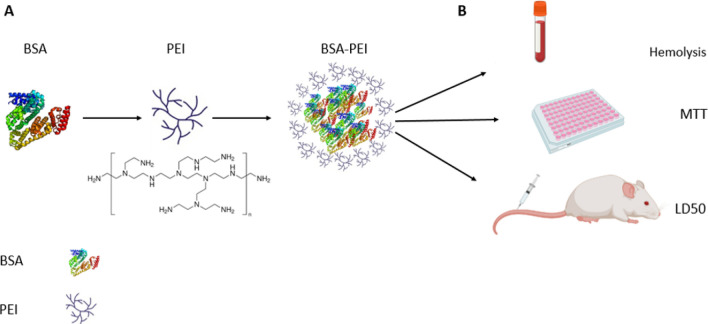
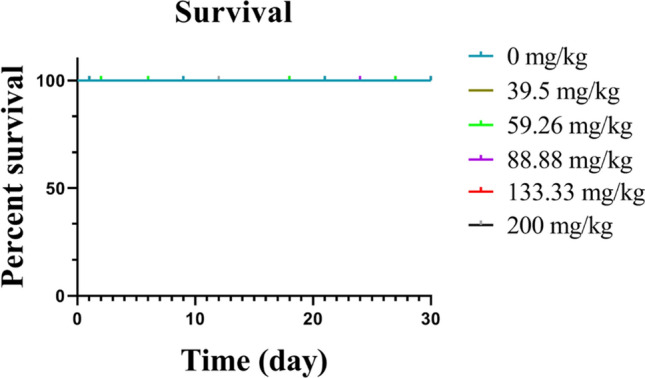
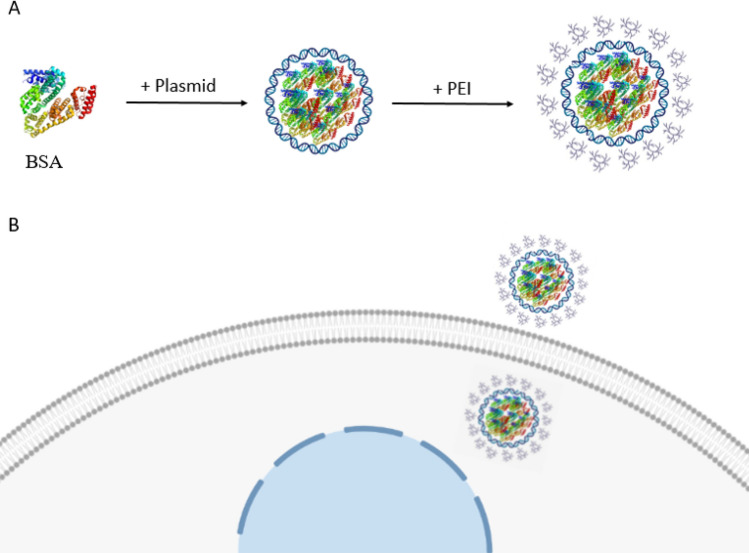
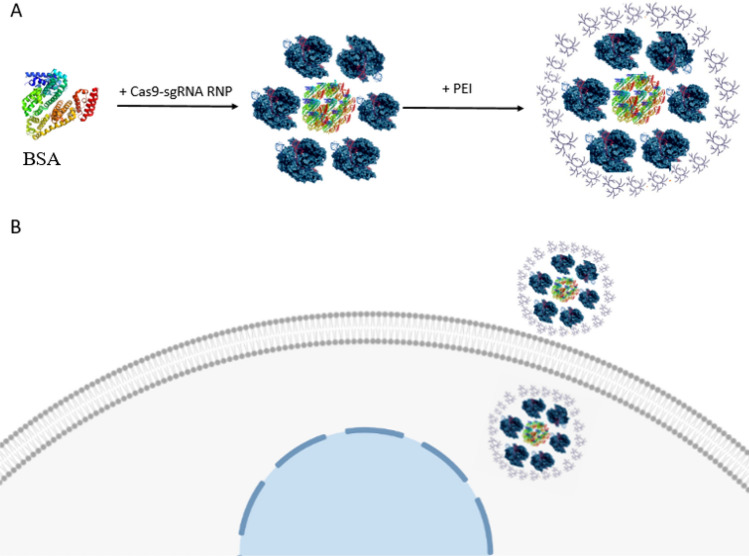
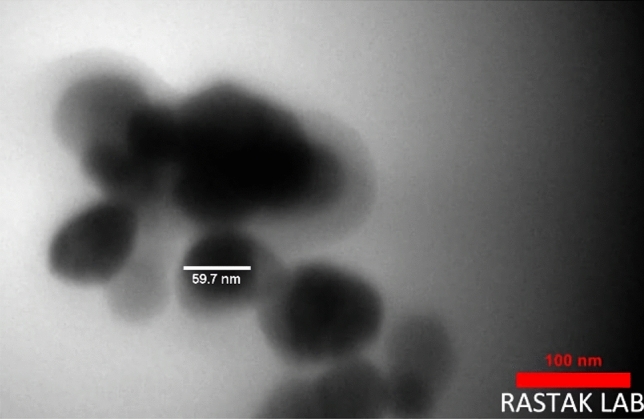
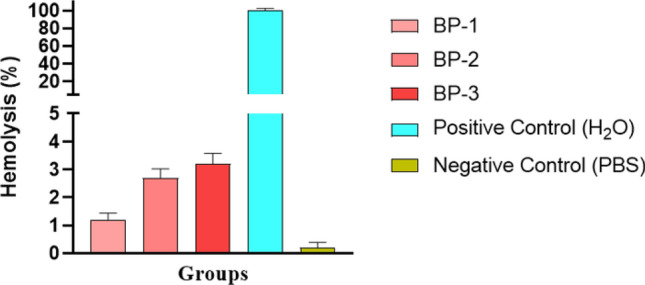
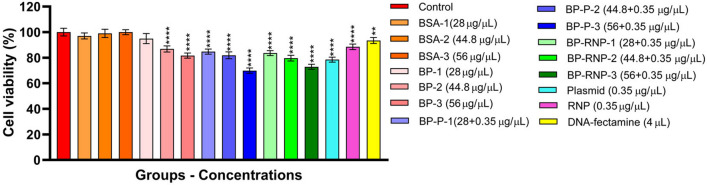
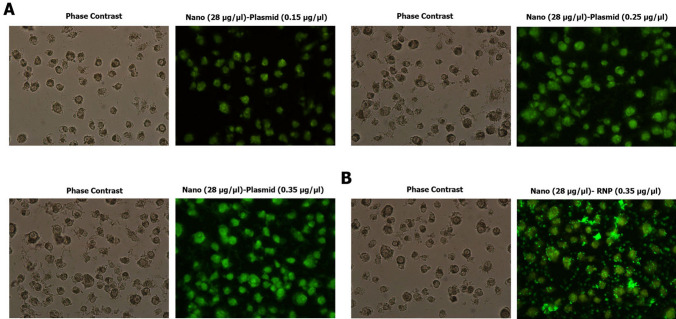
The discovery of bacterial-derived Clustered Regularly Interspaced Short Palindromic Repeats (CRISPR)/CRISPR-associated protein 9 (Cas9) system has revolutionized genome engineering and gene therapy due to its wide range of applications. One of the major challenging issues in CRISPR/Cas system is the lack of an efficient, safe, and clinically suitable delivery of the system's components into target cells. Here, we describe the development of polyethylenimine coated-bovine serum albumin nanoparticles (BSA-PEI NPs) for efficient delivery of CRISPR/Cas9 system in both DNA (px458 plasmid) and ribonucleoprotein (RNP) forms into MDA-MB-231 human breast cancer cell line. Our data showed that synthesized BSA-PEI (BP) NPs delivered plasmid px458 at concentrations of 0.15, 0.25, and 0.35 µg/µl with efficiencies of approximately 29.7, 54.8, and 84.1% into MDA-MB-231 cells, respectively. Our study demonstrated that Cas9/sgRNA RNP complex efficiently (~ 92.6%) delivered by BSA-PEI NPs into the same cells. Analysis of toxicity and biocompatibility of synthesized NPs on human red blood cells, MDA-MB-231 cells, and mice showed that the selected concentration (28 µg/µl) of BSA-PEI NPs for transfection had no remarkable toxicity effects. Thus, obtained results suggest BSA-PEI NPs as one of the most promising carrier for delivering CRISPR/Cas9 to target cells.
细菌衍生的规律成簇间隔短回文重复(CRISPR)/CRISPR 相关蛋白 9(Cas9)系统的发现,由于其广泛的应用,彻底改变了基因组工程和基因治疗。CRISPR/Cas 系统的主要挑战之一是缺乏有效的、安全的和临床适用的系统成分递送到靶细胞的方法。在这里,我们描述了聚乙二醇化牛血清白蛋白纳米粒子(BSA-PEI NPs)的开发,用于以 DNA(px458 质粒)和核糖核蛋白(RNP)形式高效递送至 MDA-MB-231 人乳腺癌细胞系中的 CRISPR/Cas 系统。我们的数据表明,合成的 BSA-PEI(BP)纳米粒在浓度为 0.15、0.25 和 0.35μg/μl 时,分别以大约 29.7、54.8 和 84.1%的效率将质粒 px458 递送至 MDA-MB-231 细胞。我们的研究表明,Cas9/sgRNA RNP 复合物通过 BSA-PEI 纳米粒有效地(~92.6%)递送至相同的细胞。对合成纳米粒在人红细胞、MDA-MB-231 细胞和小鼠中的毒性和生物相容性进行分析表明,所选的转染浓度(28μg/μl)BSA-PEI 纳米粒没有显著的毒性作用。因此,获得的结果表明 BSA-PEI 纳米粒是将 CRISPR/Cas9 递送至靶细胞的最有前途的载体之一。