Heart Center and Institute of Pediatrics, Guangzhou Women and Children's Medical Center, Guangzhou Medical University, Guangzhou 510120, China.
Medical College of South China University of Technology, Guangzhou 510120, China.
Theranostics. 2022 May 13;12(9):4110-4126. doi: 10.7150/thno.71392. eCollection 2022.
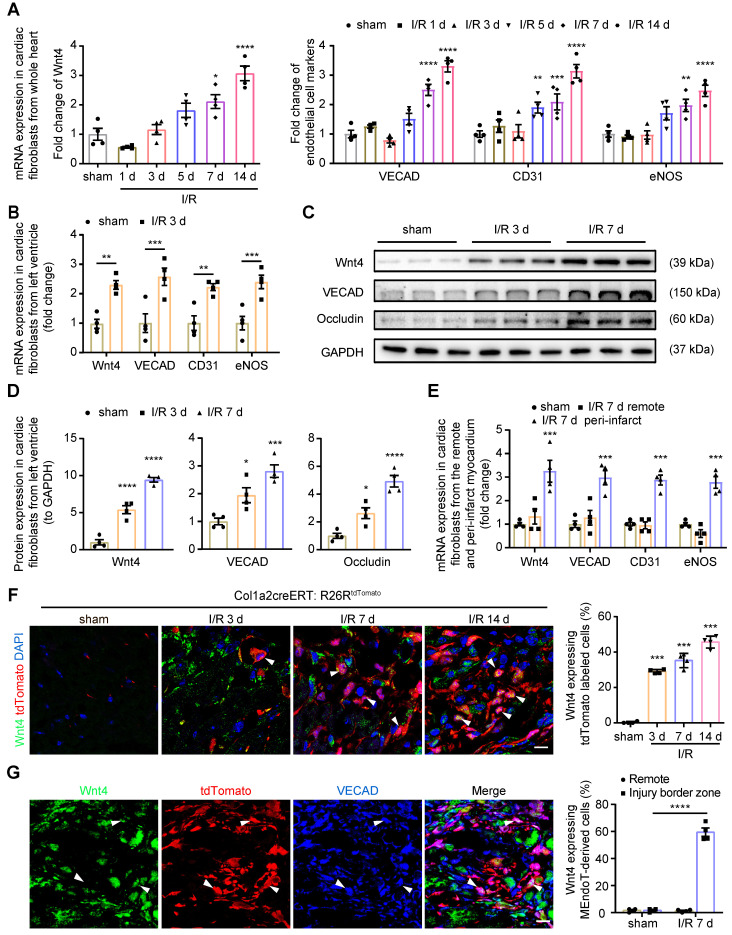
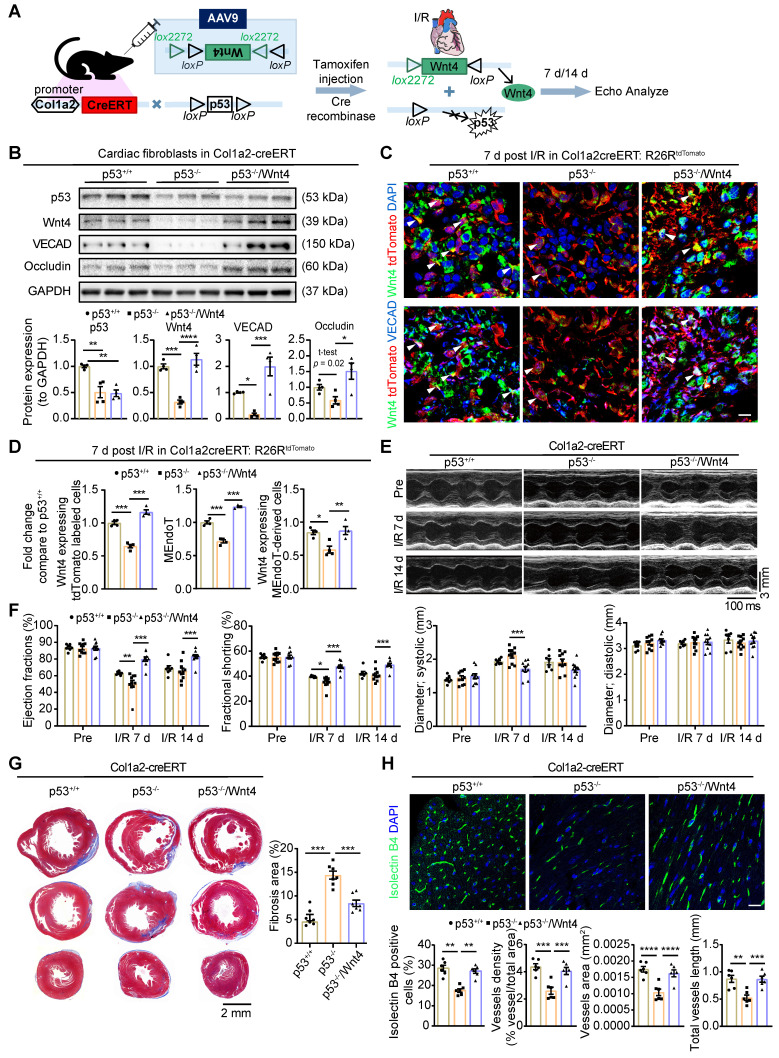
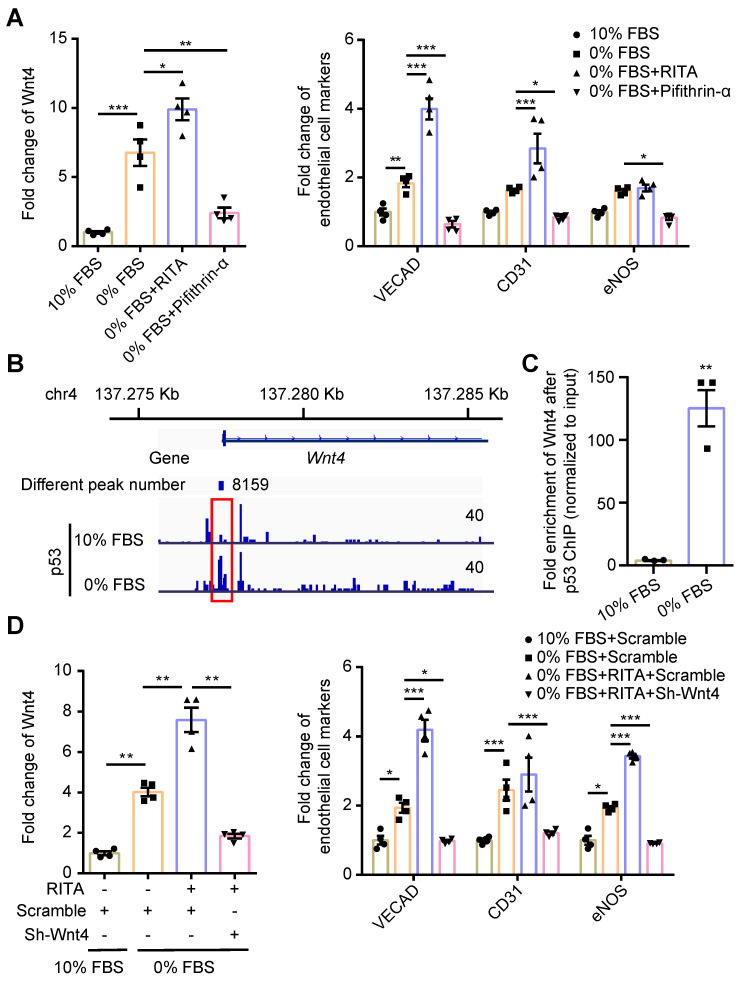
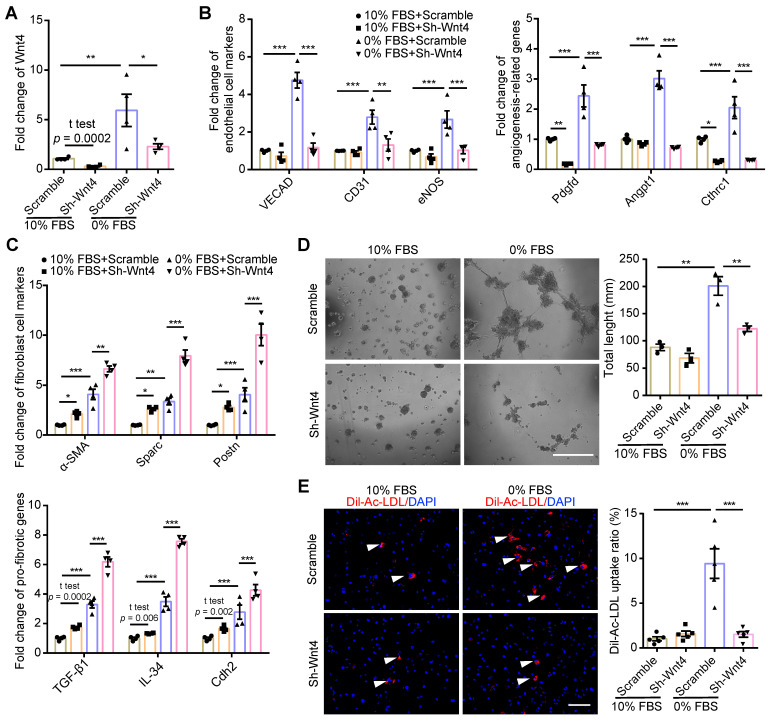
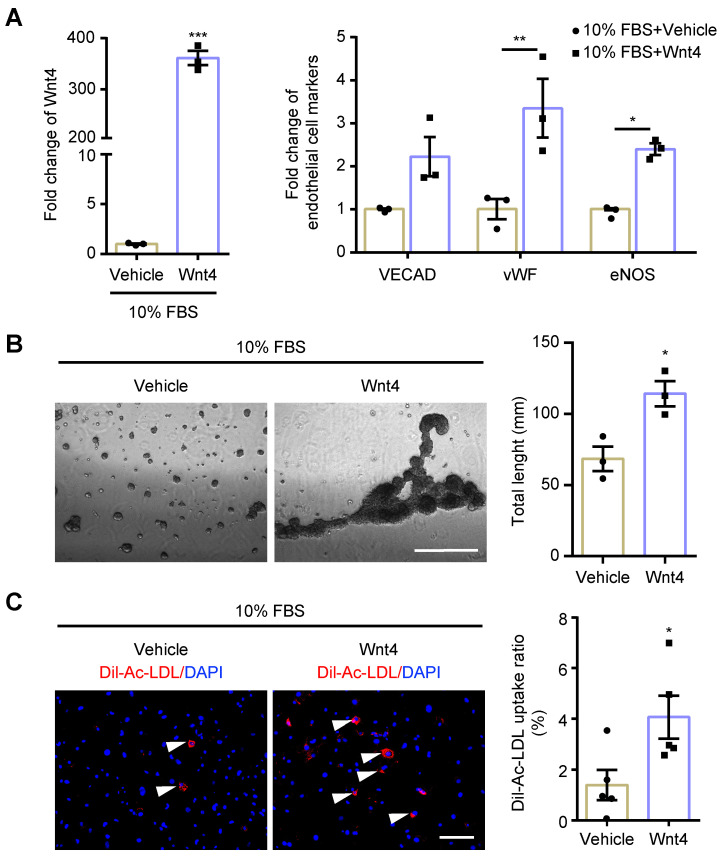
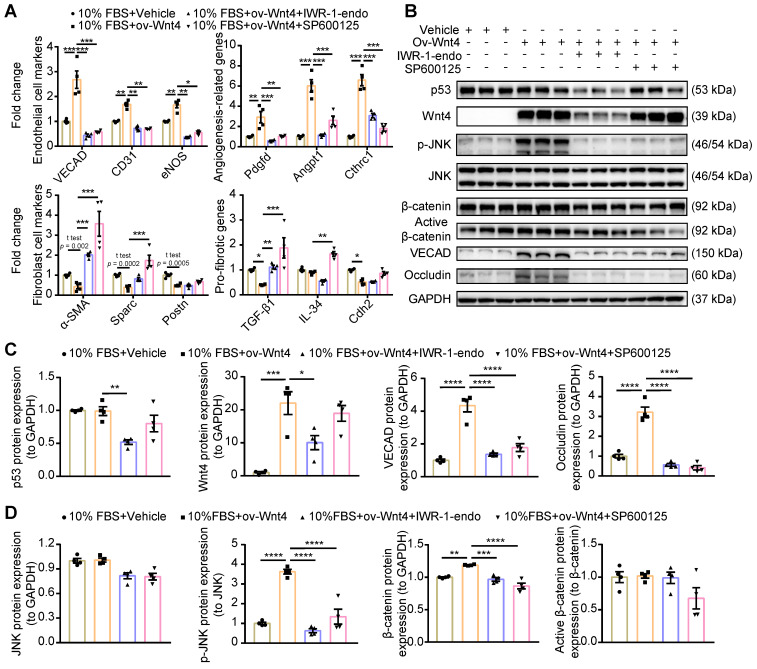
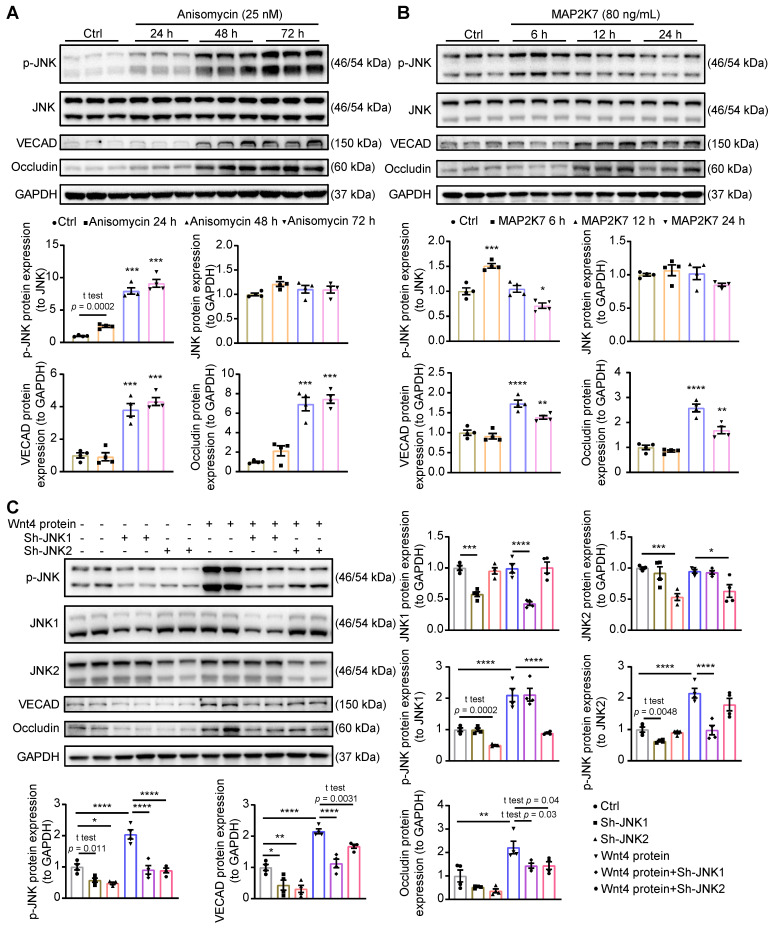
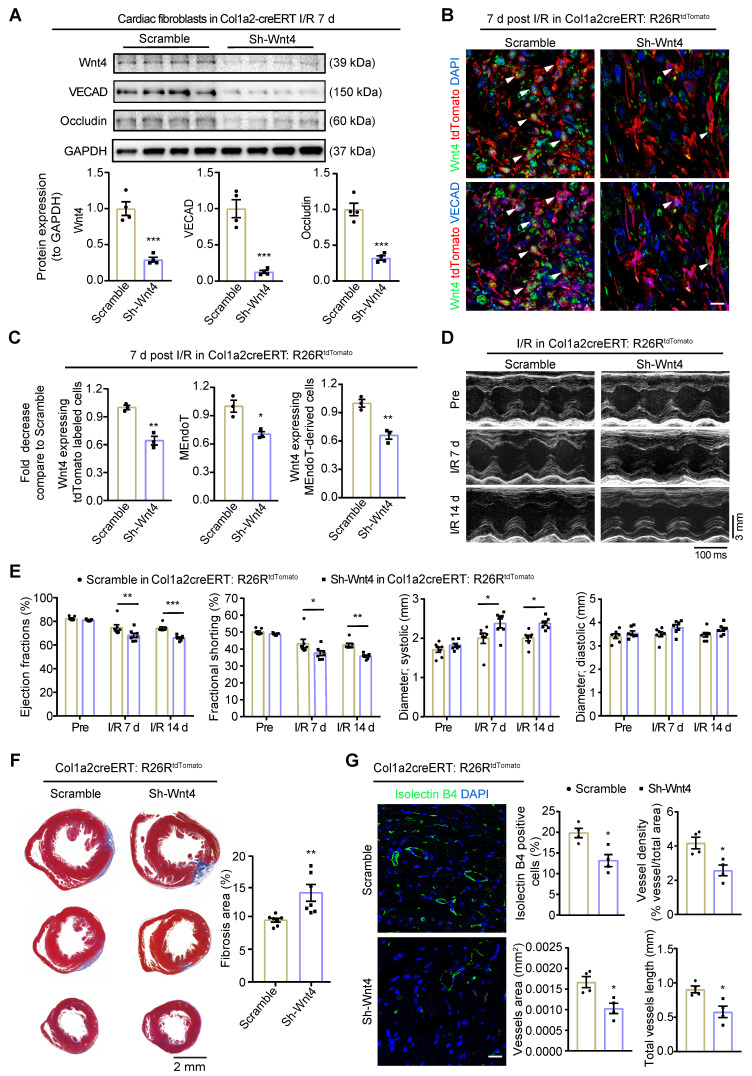
Wnt4 plays a critical role in development and is reactivated during fibrotic injury; however, the role of Wnt4 in cardiac repair remains unclear. In this study, our aim was to clarify the pathophysiological role and mechanisms of Wnt4 following acute cardiac ischemic reperfusion injury. We investigated the spatio-temporal expression of Wnt4 following acute cardiac ischemic reperfusion injury and found that Wnt4 was upregulated as an early injury response gene in cardiac fibroblasts near the injury border zone and associated with mesenchymal-endothelial transition (MEndoT), a beneficial process for revascularizing the damaged myocardium in cardiac repair. Using ChIP assay and and loss- and gain-of-function, we demonstrated that Wnt4 served as a crucial downstream target gene of p53 during MEndoT. Wnt4 knockdown in cardiac fibroblasts led to decreased MEndoT and worsened cardiac function. Conversely, Wnt4 overexpression in cardiac fibroblasts induced MEndoT in these cells via the phospho-JNK/JNK signaling pathway; however, both the p53 and Wnt4 protein levels were dependent on the β-catenin signaling pathway. JNK activation plays a critical role in the induction of MEndoT and is crucial for Wnt4 regulated MEndoT. Moreover, Wnt4 overexpression specifically in cardiac fibroblasts rescued the cardiac function worsening due to genetic p53 deletion by decreasing fibrosis and increasing MEndoT and vascular density. Our study revealed that Wnt4 plays a pivotal role in cardiac repair with involvement of phospho-JNK mediated MEndoT and is a crucial gene for cardiac fibroblast-targeted therapy in heart disease.
Wnt4 在发育过程中起着关键作用,并在纤维化损伤中被重新激活;然而,Wnt4 在心脏修复中的作用仍不清楚。在这项研究中,我们的目的是阐明急性心肌缺血再灌注损伤后 Wnt4 的病理生理作用和机制。我们研究了急性心肌缺血再灌注损伤后 Wnt4 的时空表达,发现 Wnt4 作为一种早期损伤反应基因在损伤边界区附近的心肌成纤维细胞中上调,并与间充质内皮转化(MEndoT)相关,这是心脏修复中使受损心肌再血管化的有益过程。通过 ChIP 检测和基因敲除/过表达实验,我们证实 Wnt4 是 MEndoT 过程中 p53 的关键下游靶基因。心肌成纤维细胞中 Wnt4 的敲低导致 MEndoT 减少和心脏功能恶化。相反,心肌成纤维细胞中 Wnt4 的过表达通过磷酸化-JNK/JNK 信号通路诱导 MEndoT;然而,p53 和 Wnt4 蛋白水平都依赖于β-catenin 信号通路。JNK 激活在诱导 MEndoT 中起着关键作用,对 Wnt4 调节的 MEndoT 至关重要。此外,心肌成纤维细胞中 Wnt4 的特异性过表达通过减少纤维化和增加 MEndoT 和血管密度,挽救了因遗传 p53 缺失导致的心脏功能恶化。我们的研究表明,Wnt4 在心脏修复中起着关键作用,涉及磷酸化-JNK 介导的 MEndoT,是心脏病中心肌成纤维细胞靶向治疗的关键基因。