Department of Obstetrics and Gynecology, University of Alberta, Edmonton, AB T6G 2R3, Canada.
Department of Physiology, University of Alberta, Edmonton, AB T6G 2R3, Canada.
Int J Mol Sci. 2022 May 31;23(11):6169. doi: 10.3390/ijms23116169.
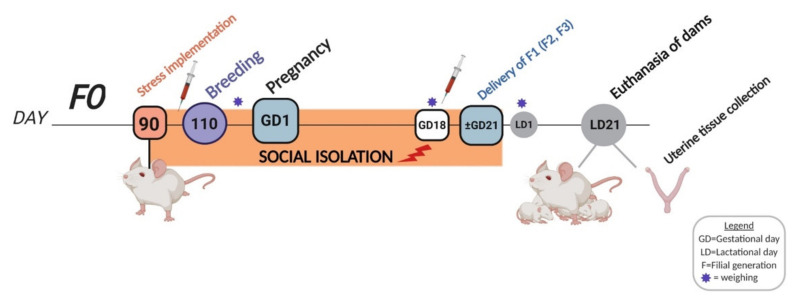
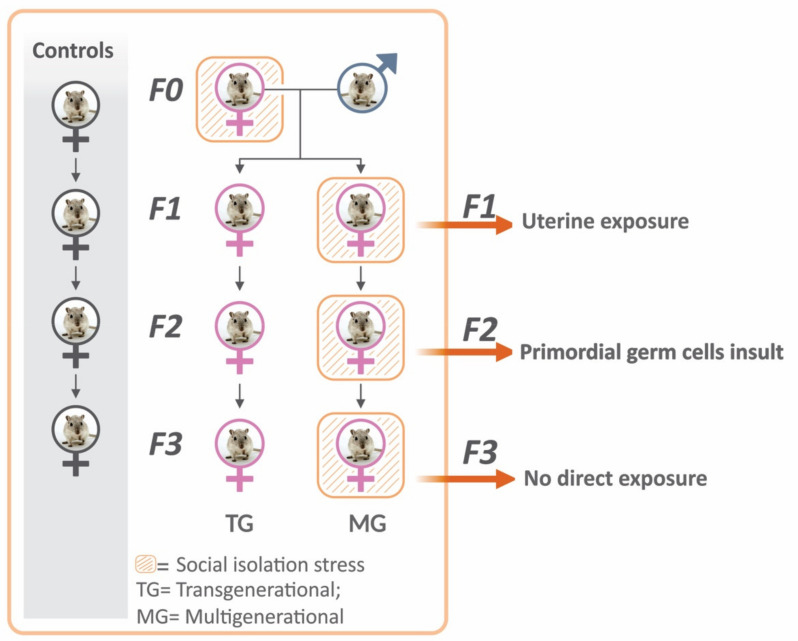
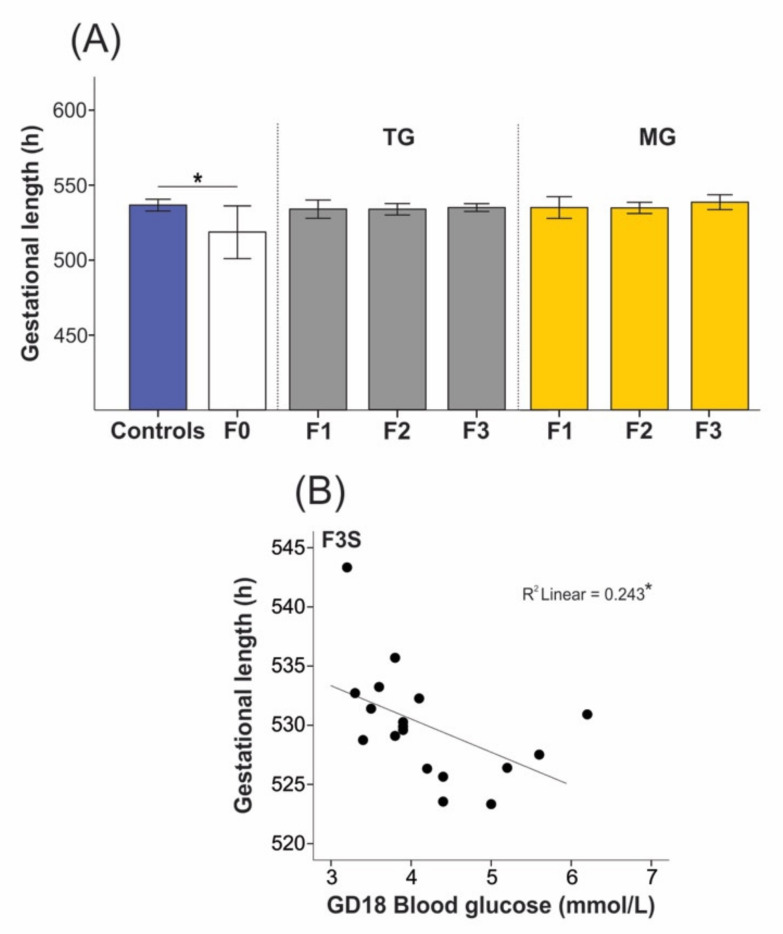
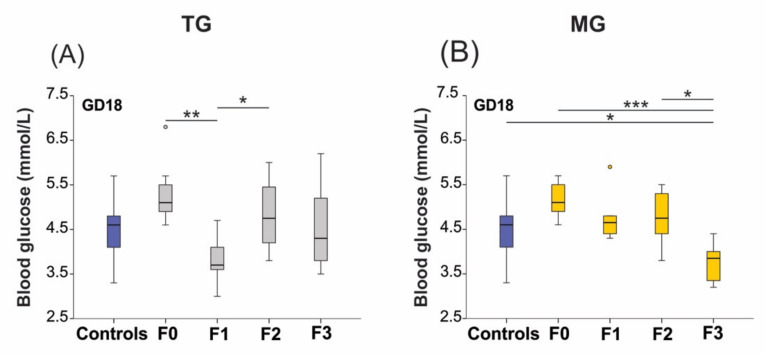
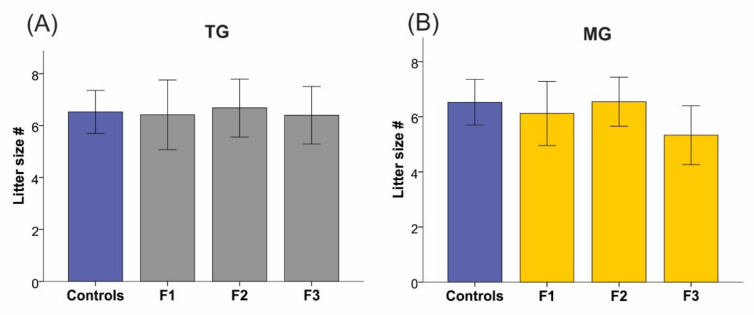
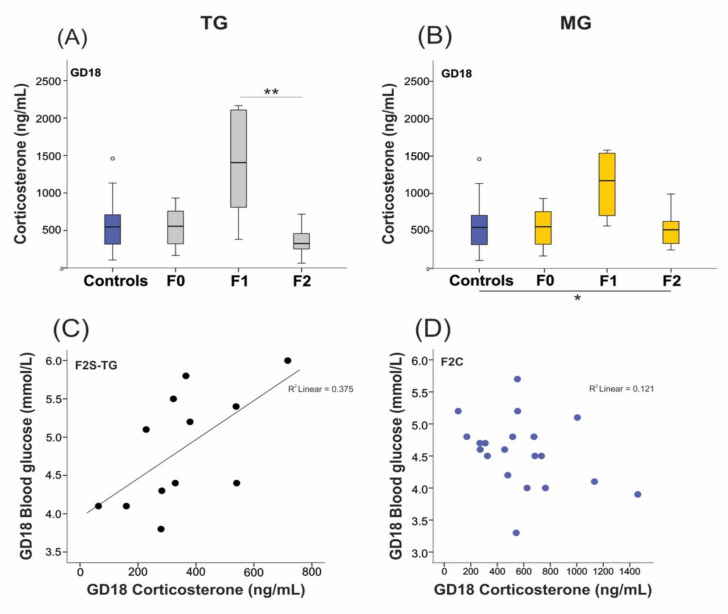
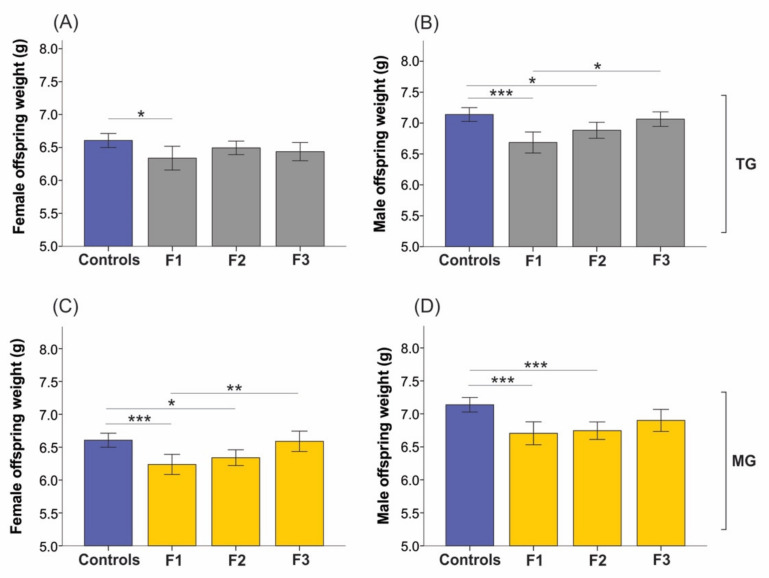
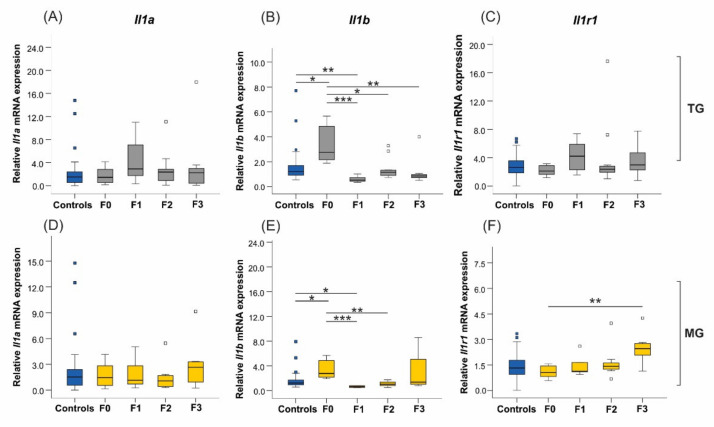
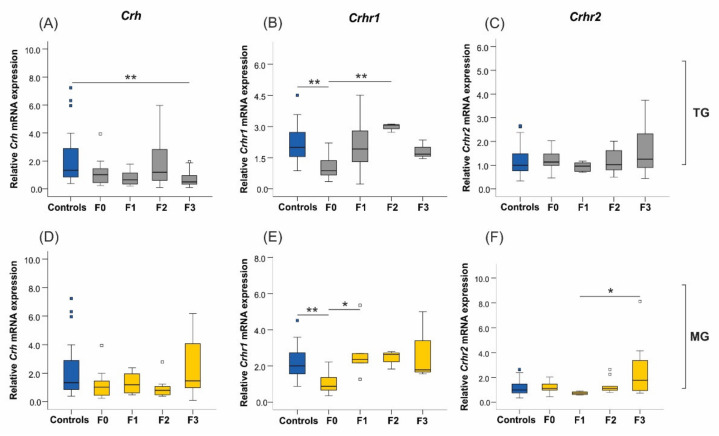
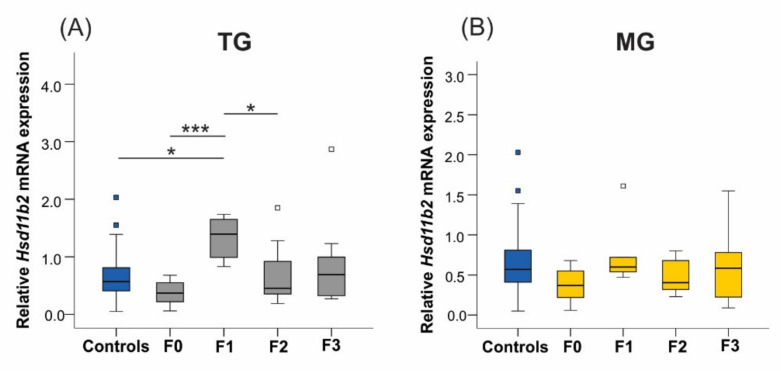
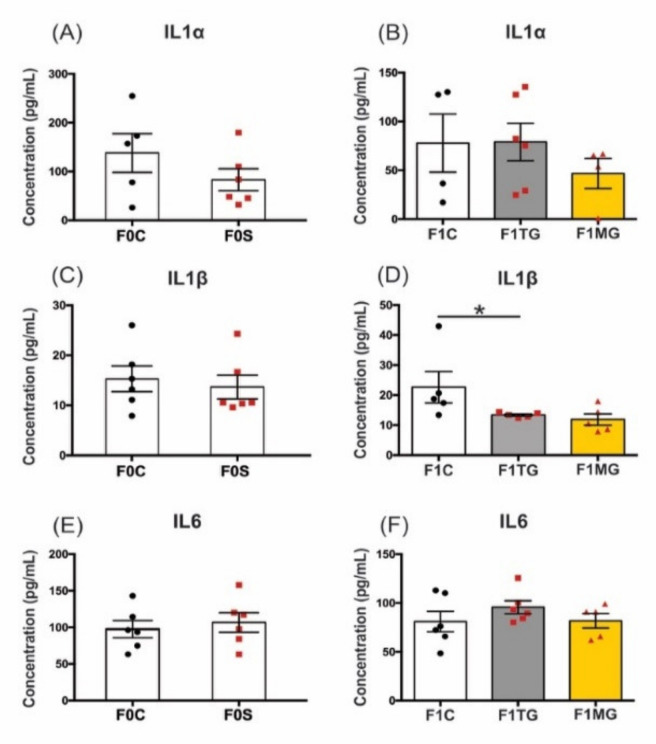
Prenatal stressors have been linked to adverse pregnancy outcomes; including preterm birth (PTB). Recent work demonstrates that social isolation in mothers represents a silent stressor contributing to PTB risk. Here; we investigate the association of inflammatory and stress markers with PTB risk in Long-Evans rats exposed to social isolation stress (SIS) during preconception and pregnancy across four generations (F0-F3). Gestational length; blood glucose; corticosterone levels; and maternal and offspring weights were assessed in two SIS paradigms: transgenerational (TG) and multigenerational (MG) exposure. Maternal uterine tissues were collected 21 days after the dams gave birth. Exposure to SIS reduced pregnancy lengths in the parental generation and neonatal birth weights in the F1 and F2 generations. Interleukin (IL)-1β () mRNA levels increased in F0 animals but decreased in the offspring of both stress lineages. Protein levels of IL-1β decreased in the TG lineage. Corticotrophin-releasing hormone receptor 1 () expression decreased in SIS-exposed F0 animals and increased in the TG-F2 and MG-F1 offspring. Expression of enzyme 11-β hydroxysteroid dehydrogenase-2 () was enhanced in F1 animals. These findings suggest SIS has adverse consequences on the F0 mothers; but their F1-F3 progeny may adapt to this chronic stress; thus supporting the fetal programming hypothesis.
产前应激与不良妊娠结局有关,包括早产(PTB)。最近的研究表明,母亲的社会隔离是一种潜在的应激源,会增加早产的风险。在这里,我们研究了在四个世代(F0-F3)中,在受孕前和孕期经历社交隔离应激(SIS)的长耳大鼠中,炎症和应激标志物与 PTB 风险之间的关联。我们评估了两种 SIS 模型(跨代 TG 和多代 MG)中的妊娠长度、血糖、皮质酮水平以及母鼠和幼鼠的体重。在母鼠分娩后 21 天收集其子宫组织。SIS 暴露使亲代的妊娠时间缩短,并使 F1 和 F2 代的新生鼠体重降低。F0 动物的白细胞介素 1β(IL-1β)mRNA 水平升高,但两种应激谱系的后代则降低。TG 谱系中 IL-1β 蛋白水平降低。在 SIS 暴露的 F0 动物中,促肾上腺皮质激素释放激素受体 1(CRHR1)表达降低,而在 TG-F2 和 MG-F1 后代中则增加。F1 动物的 11-β 羟类固醇脱氢酶-2()表达增强。这些发现表明 SIS 对 F0 母鼠有不良影响,但它们的 F1-F3 后代可能适应这种慢性应激,从而支持胎儿编程假说。