Department of Psychiatry and Behavioral Sciences, Stanford University School of Medicine, Stanford, CA, USA.
Center for Health Sciences, SRI International, Menlo Park, CA, USA.
J Affect Disord. 2022 Sep 1;312:30-38. doi: 10.1016/j.jad.2022.06.002. Epub 2022 Jun 8.
Given the high prevalence of depressive symptoms reported by adolescents and associated risk of experiencing psychiatric disorders as adults, differentiating the trajectories of the symptoms related to negative valence at an individual level could be crucial in gaining a better understanding of their effects later in life.
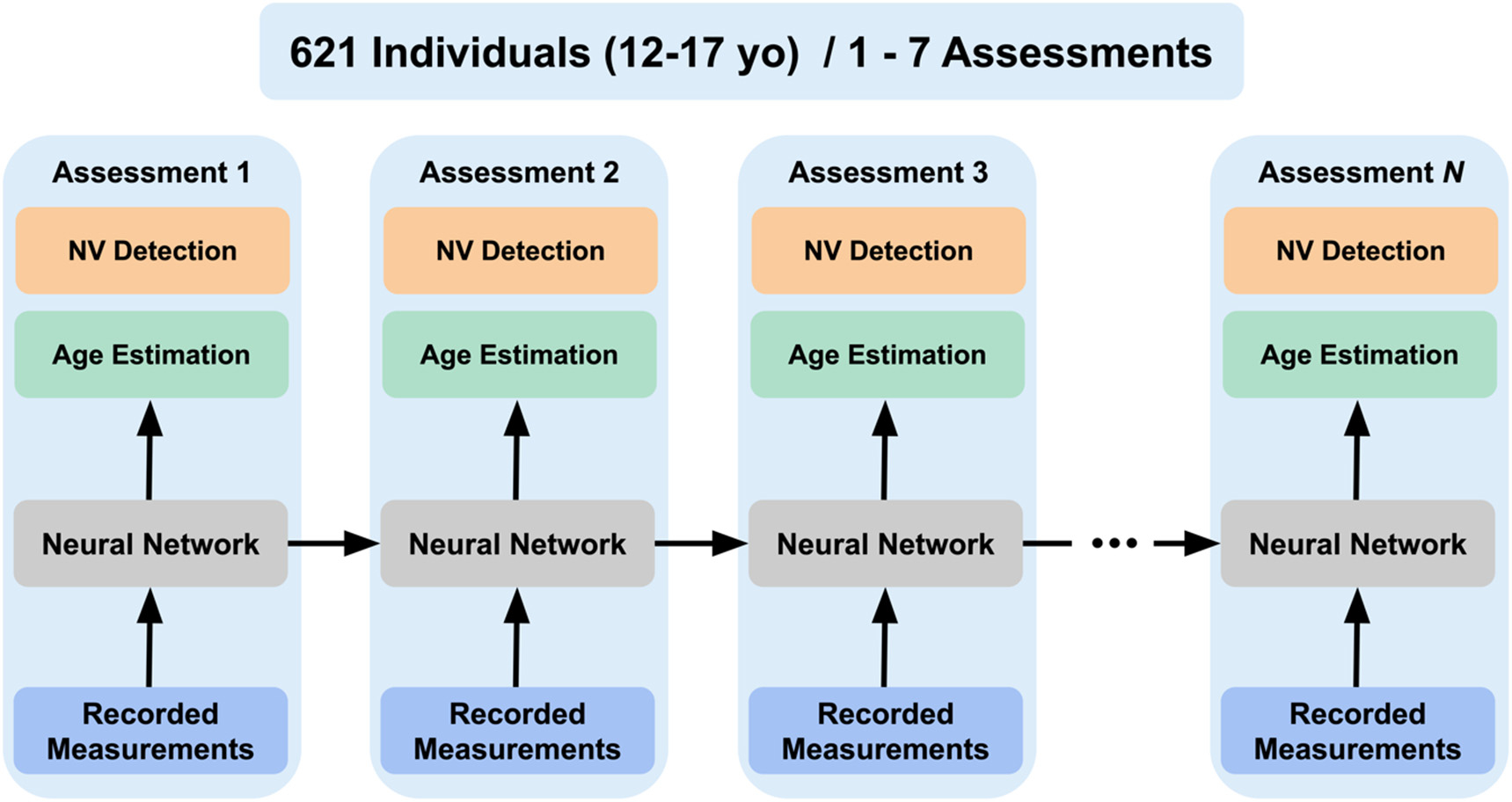
A longitudinal deep learning framework is presented, identifying self-reported and behavioral measurements that detect the depressive symptoms associated with the Negative Valence System domain of the NIMH Research Domain Criteria (RDoC).
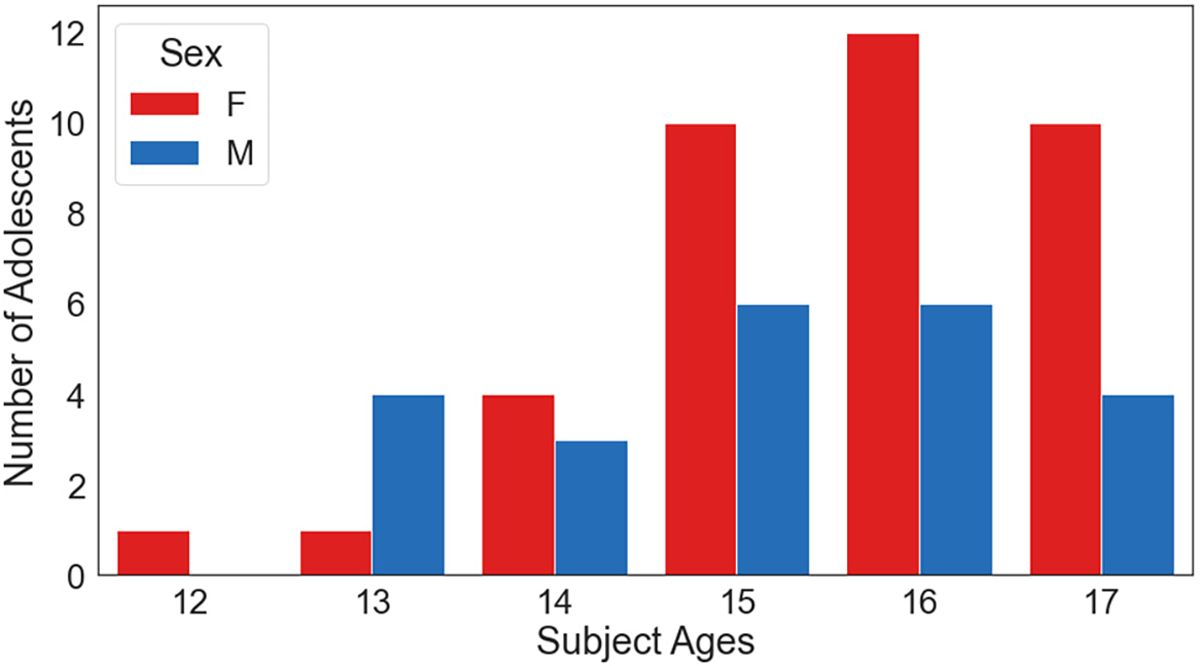
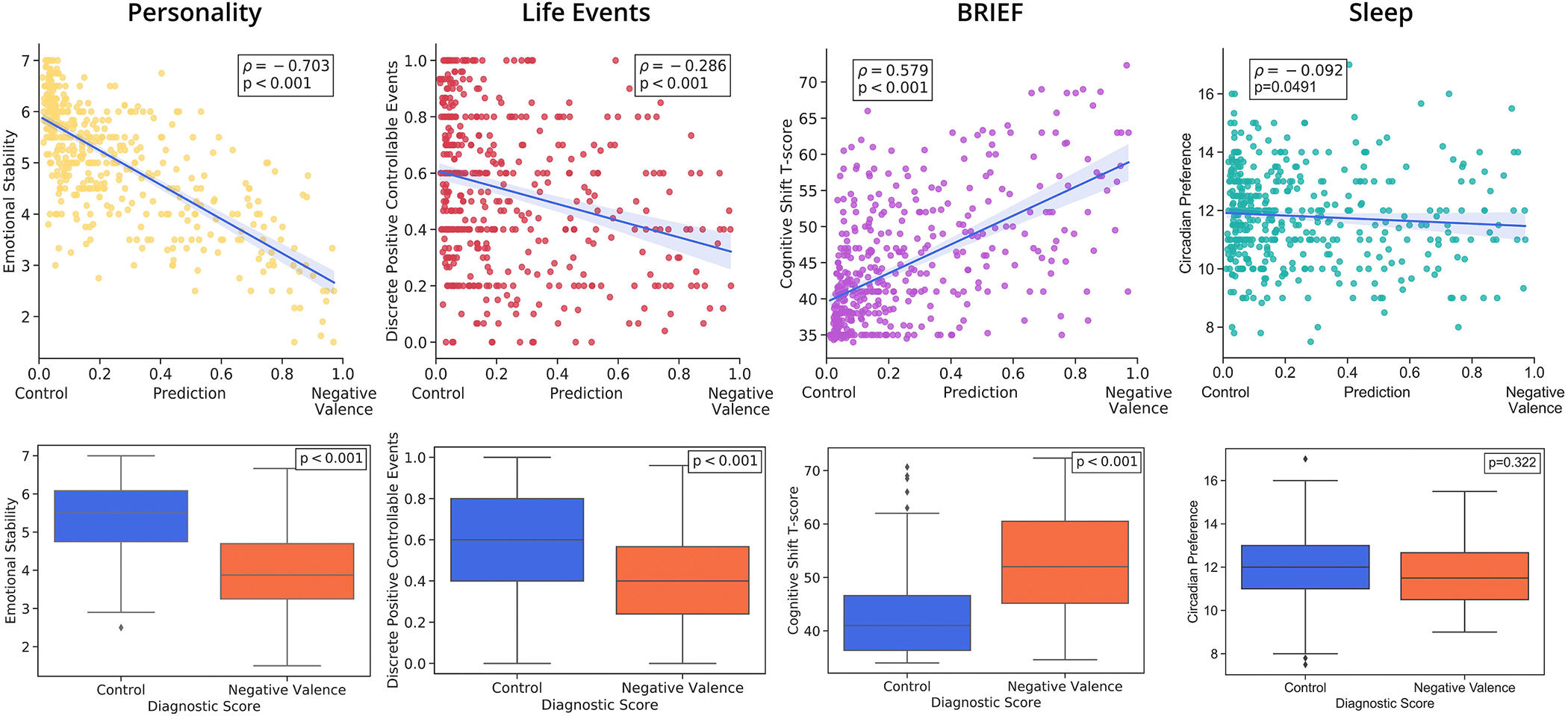
Applied to the annual records of 621 participants (age range: 12 to 17 years) of the National Consortium on Alcohol and Neurodevelopment in Adolescence (NCANDA), the deep learning framework identifies predictors of negative valence symptoms, which include lower extraversion, poorer sleep quality, impaired executive control function and factors related to substance use.
The results rely mainly on self-reported measures and do not provide information about the underlying neural correlates. Also, a larger sample is required to understand the role of sex and other demographics related to the risk of experiencing symptoms of negative valence.
These results provide new information about predictors of negative valence symptoms in individuals during adolescence that could be critical in understanding the development of depression and identifying targets for intervention. Importantly, findings can inform preventive and treatment approaches for depression in adolescents, focusing on a unique predictor set of modifiable modulators to include factors such as sleep hygiene training, cognitive-emotional therapy enhancing coping and controllability experience and/or substance use interventions.
鉴于青少年报告的抑郁症状高发率,以及成年后患精神障碍的相关风险,在个体层面区分与负性效价相关的症状轨迹,可能对更好地了解其对后期生活的影响至关重要。
提出了一种纵向深度学习框架,识别与 NIMH 研究领域标准(RDoC)的负性效价系统领域相关的抑郁症状相关的自我报告和行为测量。
将深度学习框架应用于青少年酒精与神经发育国家联盟(NCANDA)的 621 名参与者(年龄范围:12 至 17 岁)的年度记录,确定了负性效价症状的预测因素,包括较低的外向性、较差的睡眠质量、执行控制功能受损以及与物质使用相关的因素。
结果主要依赖于自我报告的测量,不提供有关潜在神经相关性的信息。此外,还需要更大的样本量来了解与体验负性效价症状风险相关的性别和其他人口统计学因素的作用。
这些结果提供了有关个体在青春期经历负性效价症状的预测因素的新信息,这对于理解抑郁的发展和确定干预目标可能至关重要。重要的是,这些发现可以为青少年的抑郁预防和治疗方法提供信息,重点关注可改变的调节因素的独特预测因素集,包括睡眠卫生训练、增强应对和可控性体验的认知情感治疗,以及/或物质使用干预。