Department of Pediatric Oncology/Hematology, Charité - Universitätsmedizin Berlin, Augustenburger Platz 1, 13353, Berlin, Germany.
Berlin School of Integrative Oncology (BSIO), Augustenburger Platz 1, 13353, Berlin, Germany.
Mol Cancer. 2022 Jun 10;21(1):126. doi: 10.1186/s12943-022-01583-z.
Development of resistance to targeted therapies has tempered initial optimism that precision oncology would improve poor outcomes for cancer patients. Resistance mechanisms, however, can also confer new resistance-specific vulnerabilities, termed collateral sensitivities. Here we investigated anaplastic lymphoma kinase (ALK) inhibitor resistance in neuroblastoma, a childhood cancer frequently affected by activating ALK alterations.
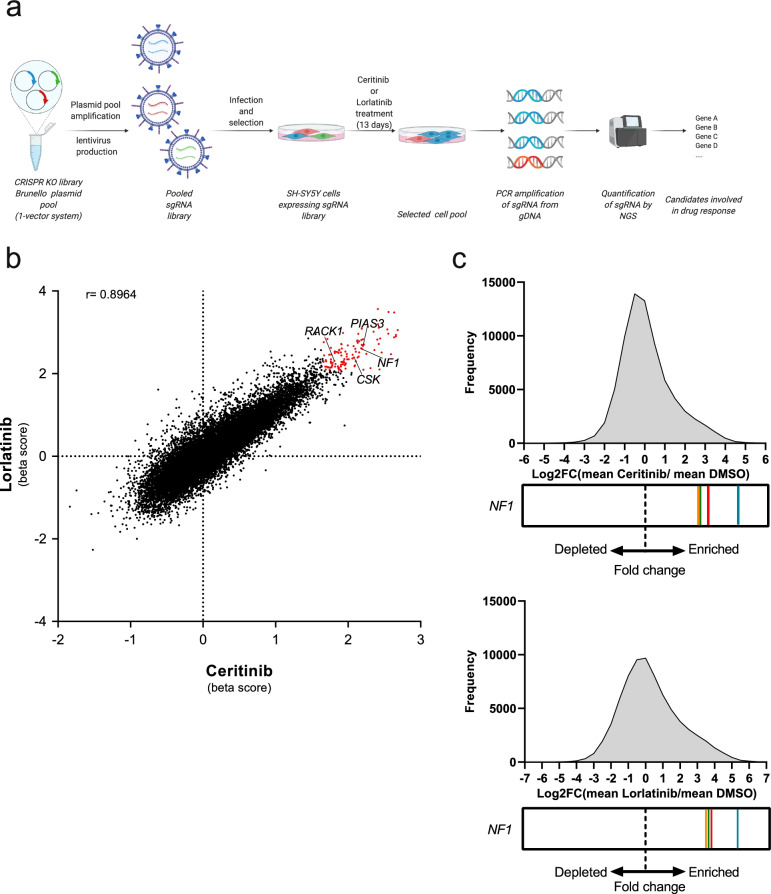
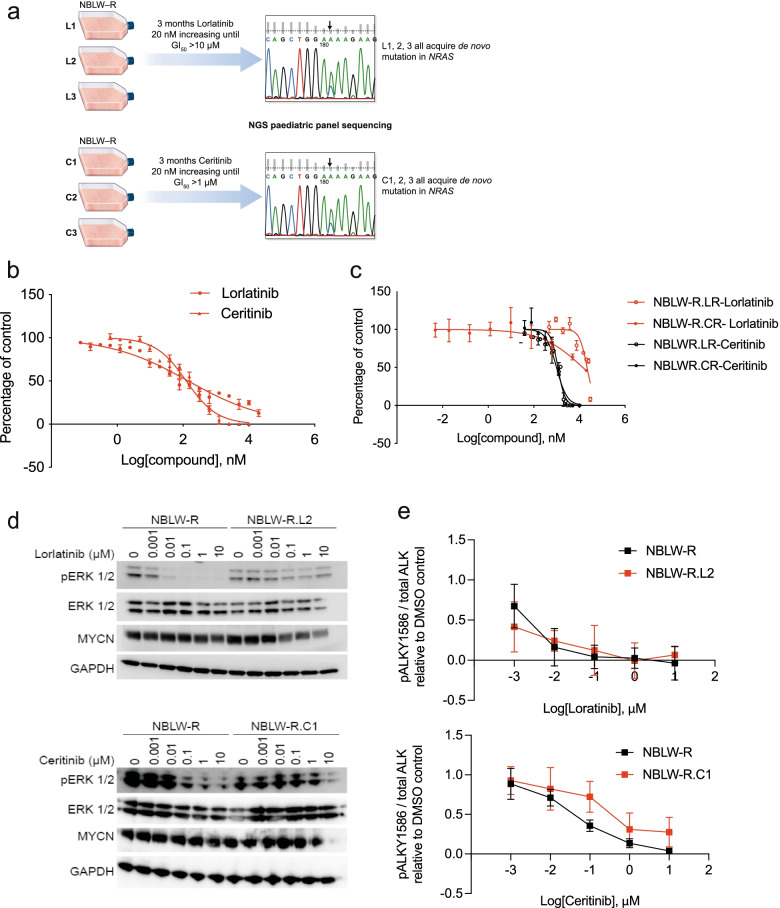
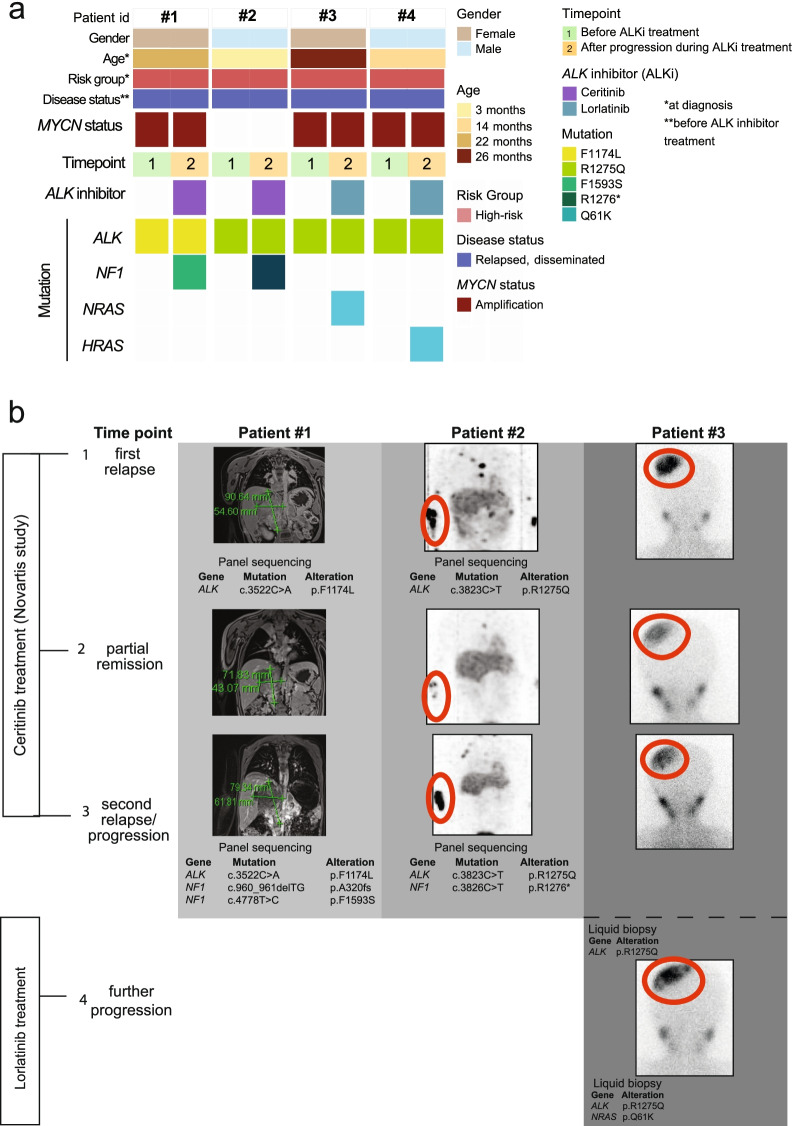
Genome-wide forward genetic CRISPR-Cas9 based screens were performed to identify genes associated with ALK inhibitor resistance in neuroblastoma cell lines. Furthermore, the neuroblastoma cell line NBLW-R was rendered resistant by continuous exposure to ALK inhibitors. Genes identified to be associated with ALK inhibitor resistance were further investigated by generating suitable cell line models. In addition, tumor and liquid biopsy samples of four patients with ALK-mutated neuroblastomas before ALK inhibitor treatment and during tumor progression under treatment were genomically profiled.
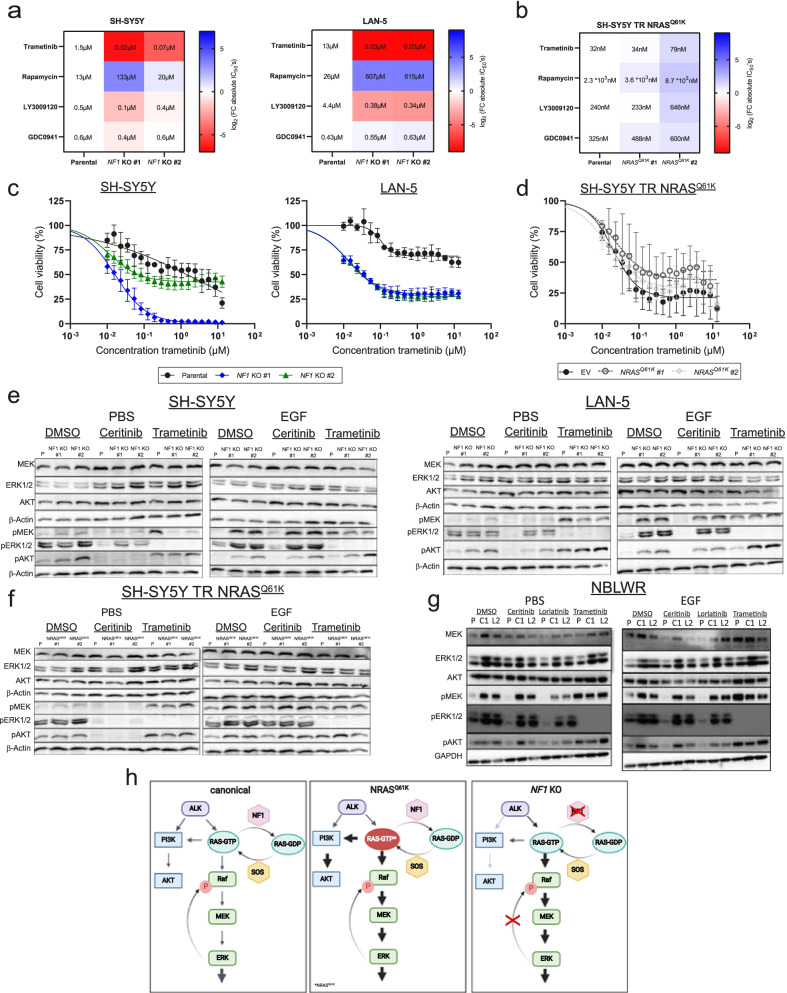
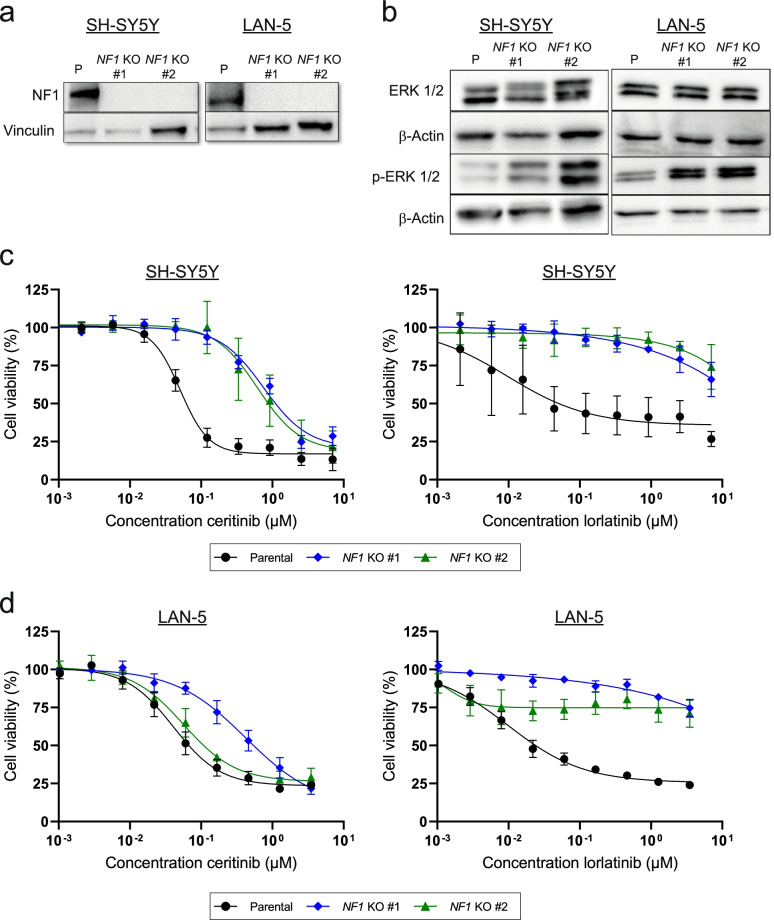
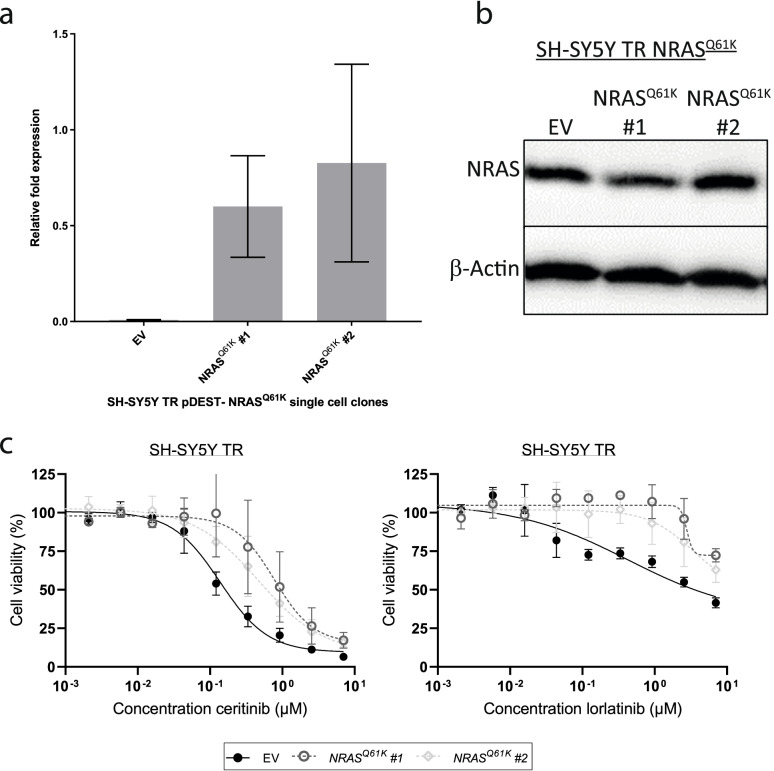
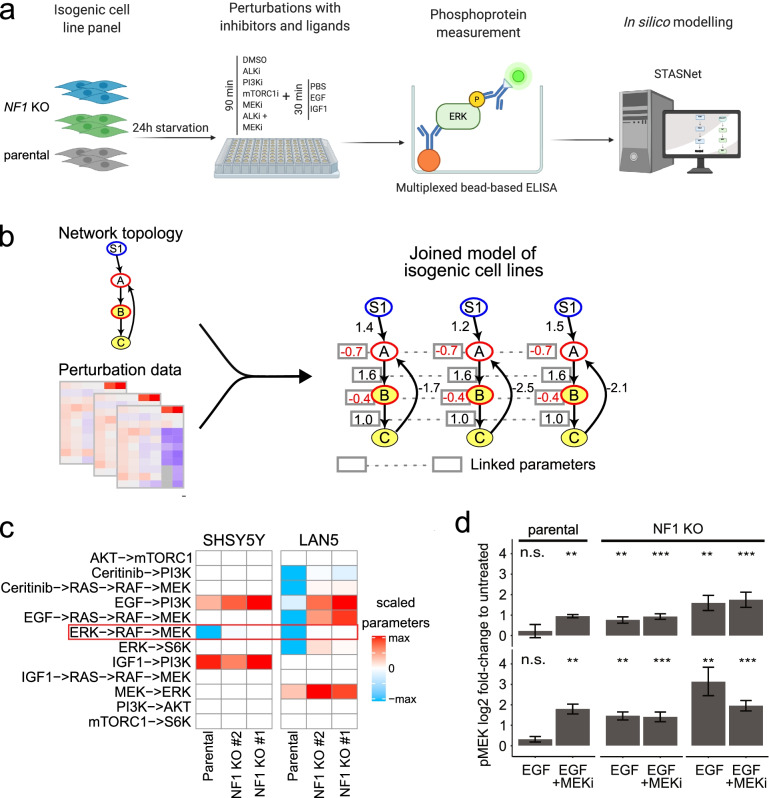
Both genome-wide CRISPR-Cas9-based screens and preclinical spontaneous ALKi resistance models identified NF1 loss and activating NRAS mutations to confer resistance to chemically diverse ALKi. Moreover, human neuroblastomas recurrently developed de novo loss of NF1 and activating RAS mutations after ALKi treatment, leading to therapy resistance. Pathway-specific perturbations confirmed that NF1 loss and activating RAS mutations lead to RAS-MAPK signaling even in the presence of ALKi. Intriguingly, NF1 loss rendered neuroblastoma cells hypersensitive to MEK inhibition.
Our results provide a clinically relevant mechanistic model of ALKi resistance in neuroblastoma and highlight new clinically actionable collateral sensitivities in resistant cells.
针对靶向治疗的耐药性的发展削弱了人们最初对精准肿瘤学将改善癌症患者不良预后的乐观情绪。然而,耐药机制也可以赋予新的耐药特异性脆弱性,称为旁系敏感性。在这里,我们研究了神经母细胞瘤中的间变性淋巴瘤激酶(ALK)抑制剂耐药性,这是一种常受激活 ALK 改变影响的儿童癌症。
使用全基因组正向遗传 CRISPR-Cas9 基于筛选来鉴定与神经母细胞瘤细胞系中 ALK 抑制剂耐药相关的基因。此外,通过连续暴露于 ALK 抑制剂使神经母细胞瘤细胞系 NBLW-R 产生耐药性。通过生成合适的细胞系模型进一步研究与 ALK 抑制剂耐药相关的基因。此外,对四名 ALK 突变神经母细胞瘤患者的肿瘤和液体活检样本在接受 ALK 抑制剂治疗前和治疗期间肿瘤进展时进行了基因组分析。
全基因组 CRISPR-Cas9 基于筛选和临床前自发 ALKi 耐药模型均发现 NF1 缺失和激活的 NRAS 突变可赋予化学上不同的 ALKi 耐药性。此外,人神经母细胞瘤在接受 ALKi 治疗后经常会出现新的 NF1 缺失和激活的 RAS 突变,导致治疗耐药。通路特异性扰动证实,即使存在 ALKi,NF1 缺失和激活的 RAS 突变也会导致 RAS-MAPK 信号传导。有趣的是,NF1 缺失使神经母细胞瘤细胞对 MEK 抑制更为敏感。
我们的研究结果提供了一种具有临床相关性的神经母细胞瘤中 ALKi 耐药的机制模型,并强调了耐药细胞中新的临床可操作性的旁系敏感性。