Asiri Ashwaq F, Altuwalah Ahmed Sulaiman
Department of Restorative Science, College of Dentistry, Majmaah University, Al Zulfi, Saudi Arabia.
Saudi Dent J. 2022 May;34(4):270-281. doi: 10.1016/j.sdentj.2022.04.004. Epub 2022 Apr 25.
The role of artificial intelligence (AI) is currently increasing in terms of diagnosing diseases and planning treatment in endodontics. However, findings from individual research studies are not systematically reviewed and compiled together. Hence, this study aimed to systematically review, appraise, and evaluate neural AI algorithms employed and their comparative efficacy to conventional methods in endodontic diagnosis and treatment planning.
The present research question focused on the literature search about different AI algorithms and models of AI assisted endodontic diagnosis and treatment planning. The search engine included databases such as Google Scholar, PubMed, and Science Direct with search criteria of primary research paper, published in English, and analyzed data on AI and its role in the field of endodontics.
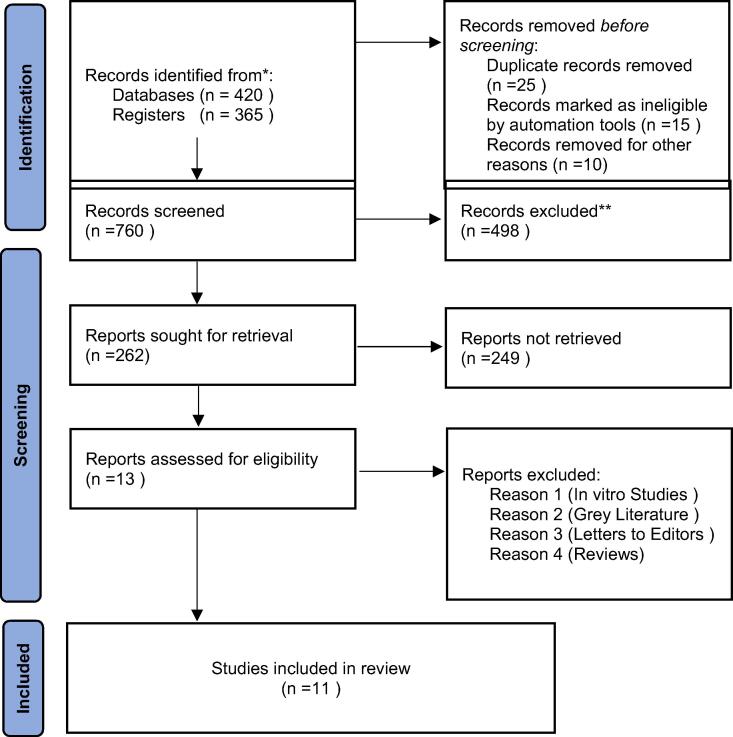
The initial search resulted in 785 articles, exclusion based on abstract relevance, animal studies, grey literature and letter to editors narrowed down the scope of selected articles to 11 accepted for review. The review data supported the findings that AI can play a crucial role in the area of endodontics, such as identification of apical lesions, classifying and numbering teeth, detecting dental caries, periodontitis and periapical disease, diagnosing different dental problems, helping dentists make referrals, and also helping them make plans for treatment of dental disorders in a timely and effective manner with greater accuracy.
AI with different models or frameworks and algorithms can help dentists to diagnose and manage endodontic problems with greater accuracy. However, endodontic fraternity needs to provide more emphasis on the utilization of AI, provision of evidence based guidelines and implementation of the AI models.
目前,人工智能(AI)在牙髓病学的疾病诊断和治疗计划制定方面的作用日益增强。然而,个别研究的结果并未得到系统的综述和汇总。因此,本研究旨在系统地综述、评估和评价所采用的神经人工智能算法及其在牙髓病诊断和治疗计划中与传统方法相比的疗效。
本研究问题聚焦于对不同人工智能算法以及人工智能辅助牙髓病诊断和治疗计划模型的文献检索。搜索引擎包括谷歌学术、PubMed和科学Direct等数据库,检索标准为英文发表的原发性研究论文,并分析了关于人工智能及其在牙髓病学领域作用的数据。
初步检索得到785篇文章,基于摘要相关性、动物研究、灰色文献和给编辑的信件进行排除后,选定文章的范围缩小至11篇可接受综述。综述数据支持了以下发现:人工智能在牙髓病学领域可发挥关键作用,例如识别根尖病变、对牙齿进行分类和编号、检测龋齿、牙周炎和根尖周病、诊断不同的牙齿问题、帮助牙医进行转诊,还能帮助他们更准确、及时且有效地制定牙齿疾病的治疗计划。
具有不同模型、框架和算法的人工智能可以帮助牙医更准确地诊断和处理牙髓病问题。然而,牙髓病学界需要更加强调人工智能的应用、提供循证指南以及实施人工智能模型。