Department of Pharmacology and Pharmacy, Li Ka Shing Faculty of Medicine, The University of Hong Kong, Hong Kong SAR, China.
Department of Rehabilitation Sciences, Faculty of Health and Social Sciences, Hong Kong Polytechnic University, Hong Kong SAR, China.
Oxid Med Cell Longev. 2022 Jun 1;2022:9266178. doi: 10.1155/2022/9266178. eCollection 2022.
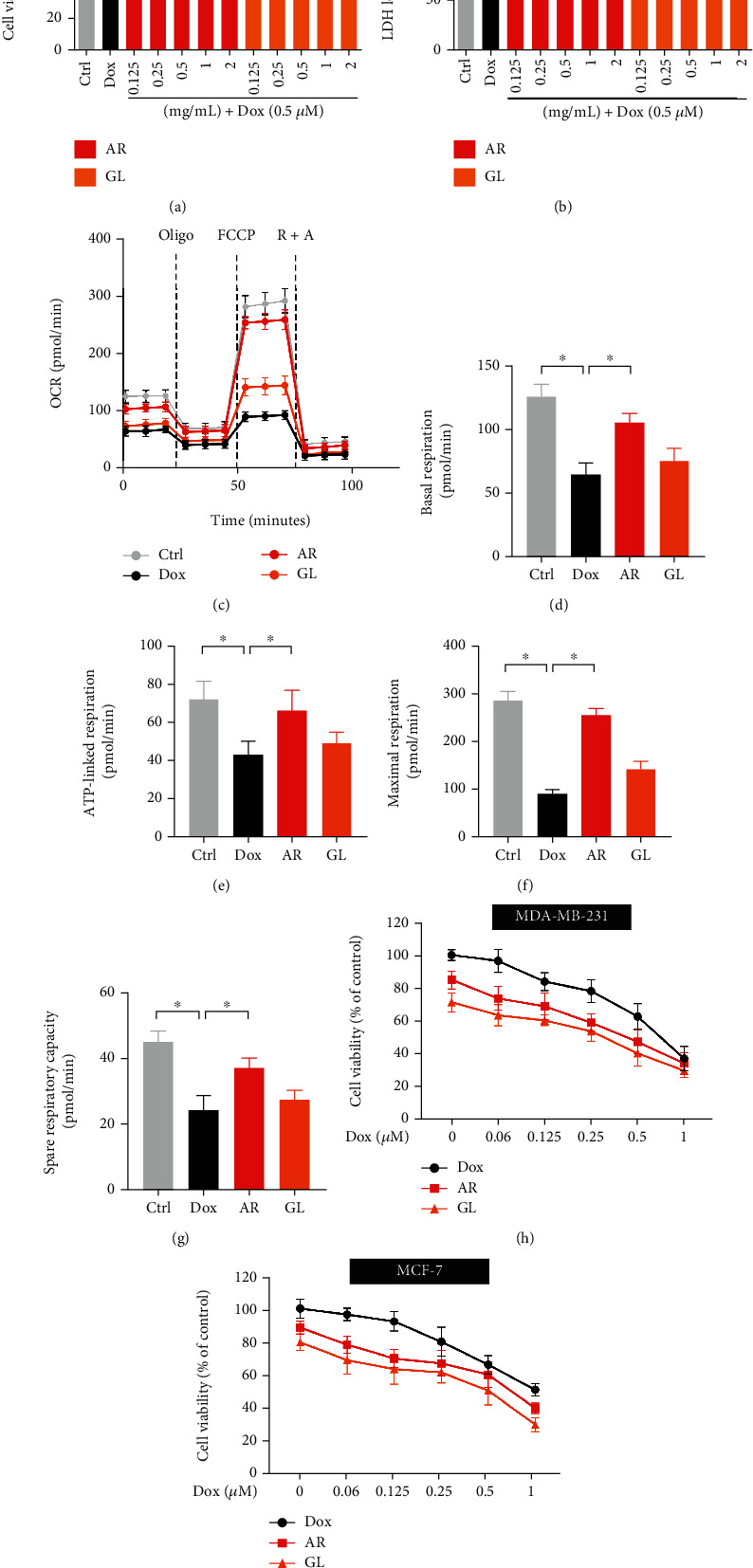
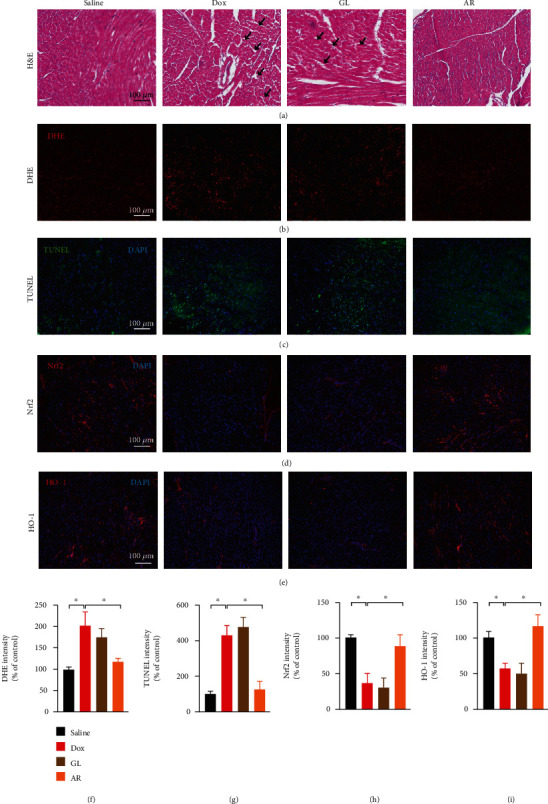
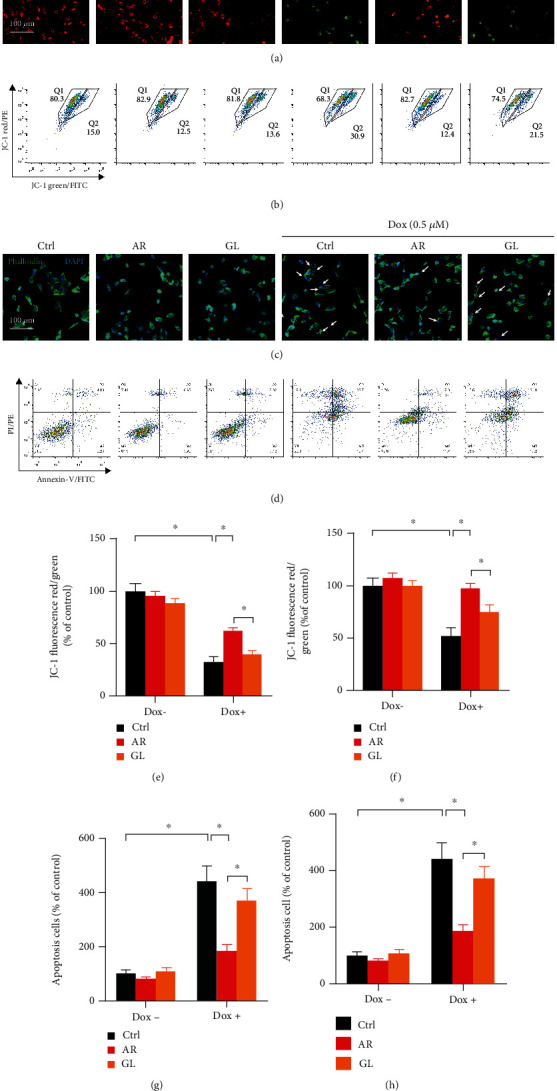
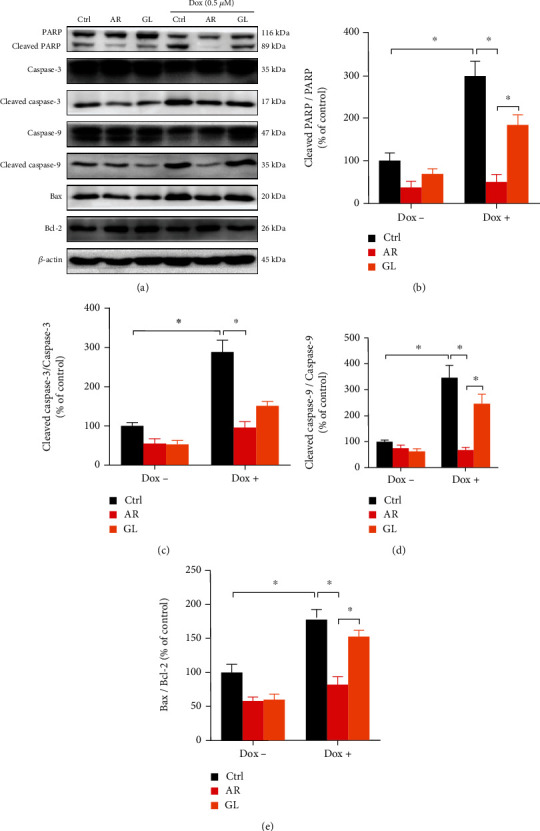
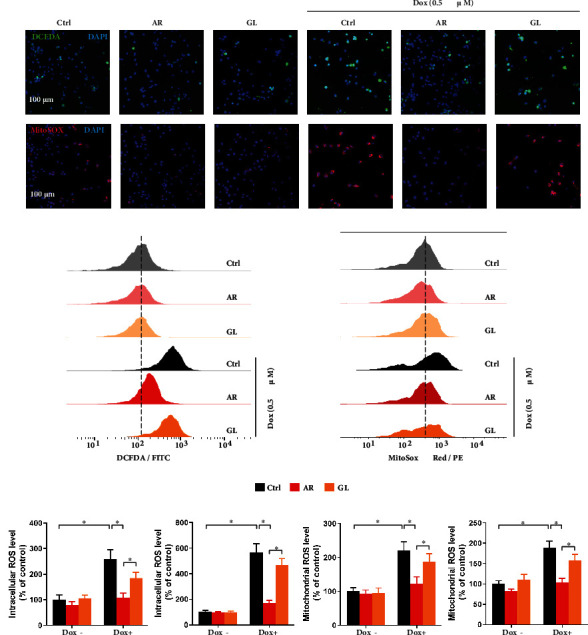
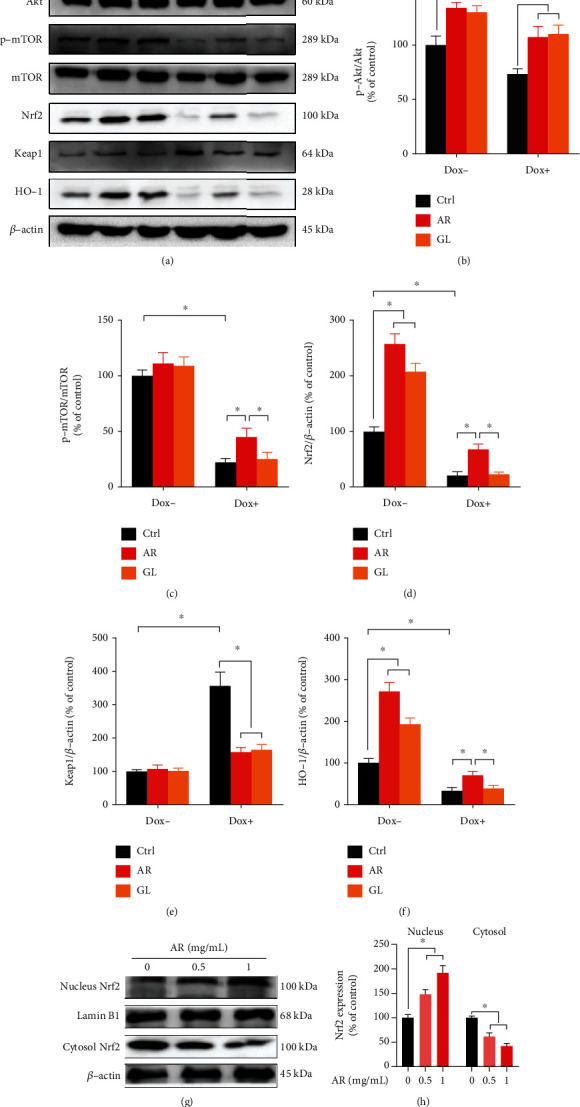
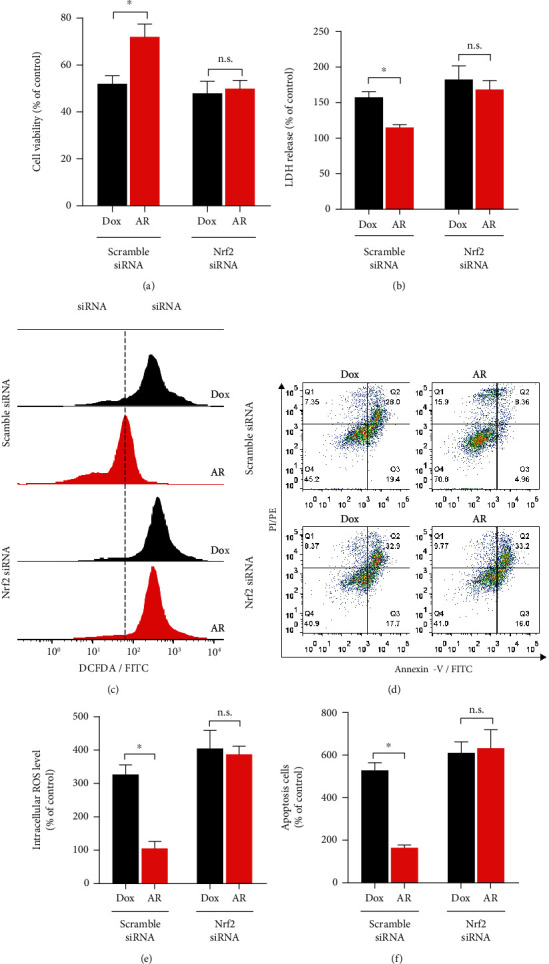
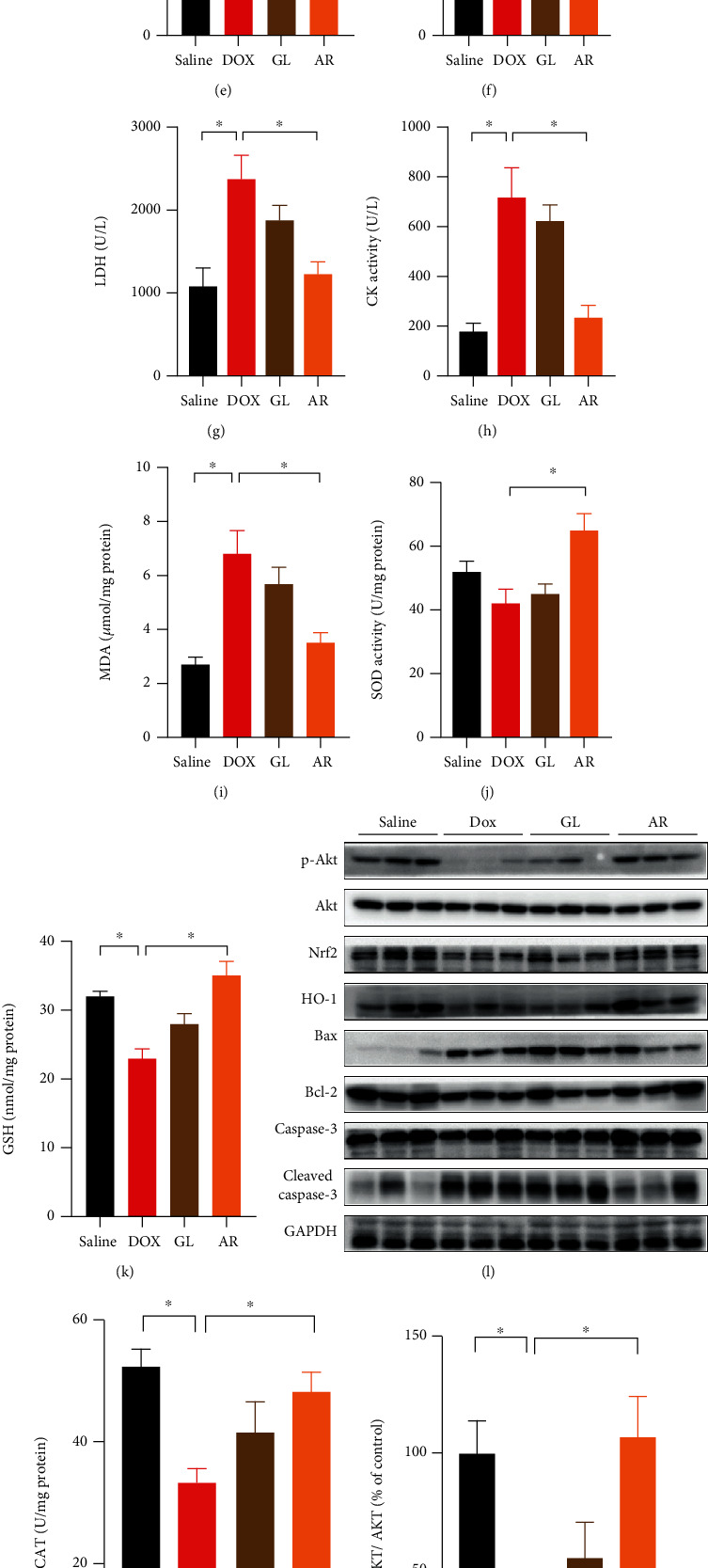
Clinical outcomes for doxorubicin (Dox) are limited by its cardiotoxicity but a combination of Dox and agents with cardioprotective activities is an effective strategy to improve its therapeutic outcome. Natural products provide abundant resources to search for novel cardioprotective agents. (GL) is the most well-known edible mushroom within the family. It is commonly used in traditional Chinese medicine or as a healthcare product. (AR) is another genus of mushroom from the family, but its pharmacological activity and medicinal value have rarely been reported. In the present study, the cardioprotective effects of the AR water extract against Dox-induced cardiotoxicity were studied and . Results showed that both the AR and GL extracts could potentiate the anticancer effect of Dox. The AR extract significantly decreased the oxidative stress, mitochondrial dysfunction, and apoptosis seen in Dox-treated H9c2 rat cardiomyocytes. However, knockdown of Nrf2 by siRNA abolished the protective effects of AR in these cells. In addition, Dox upregulated the expression of proapoptotic proteins and downregulated the Akt/mTOR and Nrf2/HO-1 signaling pathways, and these effects could be reversed by the AR extract. Consistently, the AR extract significantly prolonged survival time, reversed weight loss, and reduced cardiac dysfunction in Dox-treated mice. In addition, oxidative stress and apoptosis were suppressed, while Nrf2 and HO-1 expressions were elevated in the heart tissues of Dox-treated mice after treatment with the AR extract. However, the GL extract had less cardioprotective effect against Dox in both the cell and animal models. In conclusion, the AR water extract demonstrated a remarkable cardioprotective effect against Dox-induced cardiotoxicity. One of the possible mechanisms for this effect was the upregulation of the mTOR/Akt and Nrf2/HO-1-dependent pathways, which may reduce oxidative stress, mitochondrial dysfunction, and cardiomyocyte apoptosis. These findings suggested that AR may be beneficial for the heart, especially in patients receiving Dox-based chemotherapy.
多柔比星(Dox)的临床疗效受到其心脏毒性的限制,但将 Dox 与具有心脏保护活性的药物联合使用是改善其治疗效果的有效策略。天然产物为寻找新型心脏保护剂提供了丰富的资源。(GL)是 科中最著名的食用蘑菇。它在传统中药中被广泛使用,也被用作保健品。(AR)是另一种来自 科的蘑菇,但它的药理活性和药用价值很少有报道。在本研究中,研究了 AR 水提物对 Dox 诱导的心脏毒性的心脏保护作用。结果表明,AR 和 GL 提取物都能增强 Dox 的抗癌作用。AR 提取物可显著减轻 Dox 处理的 H9c2 大鼠心肌细胞中的氧化应激、线粒体功能障碍和细胞凋亡。然而,siRNA 敲低 Nrf2 可消除 AR 在这些细胞中的保护作用。此外,Dox 上调了促凋亡蛋白的表达,下调了 Akt/mTOR 和 Nrf2/HO-1 信号通路,而这些作用可被 AR 提取物逆转。一致地,AR 提取物显著延长了 Dox 处理小鼠的生存时间,逆转了体重减轻,并减轻了心脏功能障碍。此外,在 Dox 处理的小鼠心脏组织中,AR 提取物可抑制氧化应激和细胞凋亡,上调 Nrf2 和 HO-1 的表达。然而,GL 提取物在细胞和动物模型中对 Dox 的心脏保护作用较弱。总之,AR 水提物对 Dox 诱导的心脏毒性具有显著的心脏保护作用。这种作用的可能机制之一是上调 mTOR/Akt 和 Nrf2/HO-1 依赖性通路,这可能减轻氧化应激、线粒体功能障碍和心肌细胞凋亡。这些发现表明,AR 可能对心脏有益,特别是在接受 Dox 为基础的化疗的患者中。