Zhang Wencan, Cao Xu, Zhong Xiancai, Wu Hongmin, Feng Mingye, Gwack Yousang, Isakov Noah, Sun Zuoming
Department of Immunology and Theranostics, Arthur Riggs Diabetes and Metabolism Research Institute, Beckman Research Institute of the City of Hope, Duarte, CA 91010, USA.
Department of Immuno-Oncology, Beckman Research Institute of the City of Hope, Duarte, CA 91010, USA.
Sci Adv. 2022 Jun 17;8(24):eabn7662. doi: 10.1126/sciadv.abn7662. Epub 2022 Jun 15.
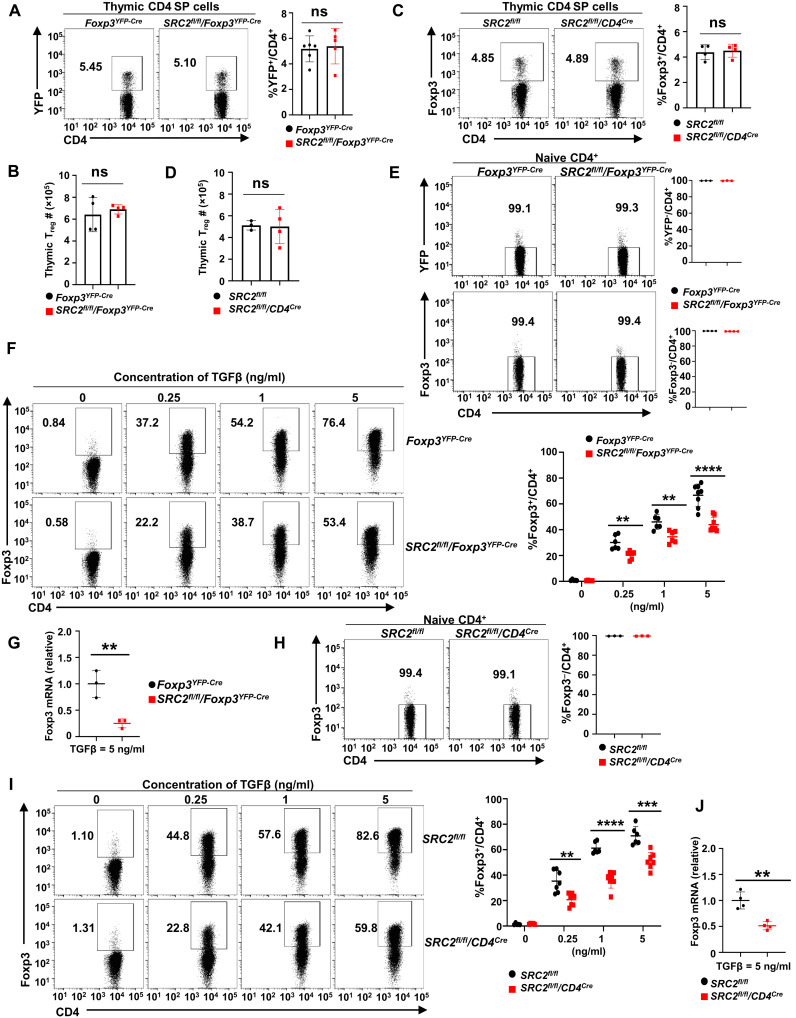
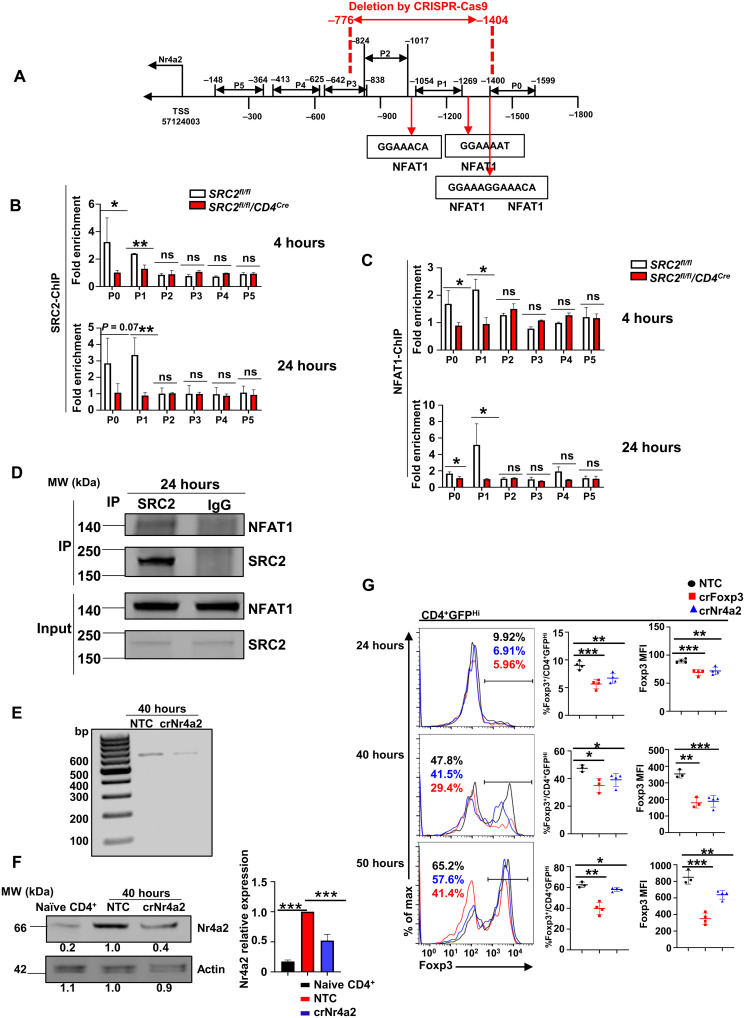
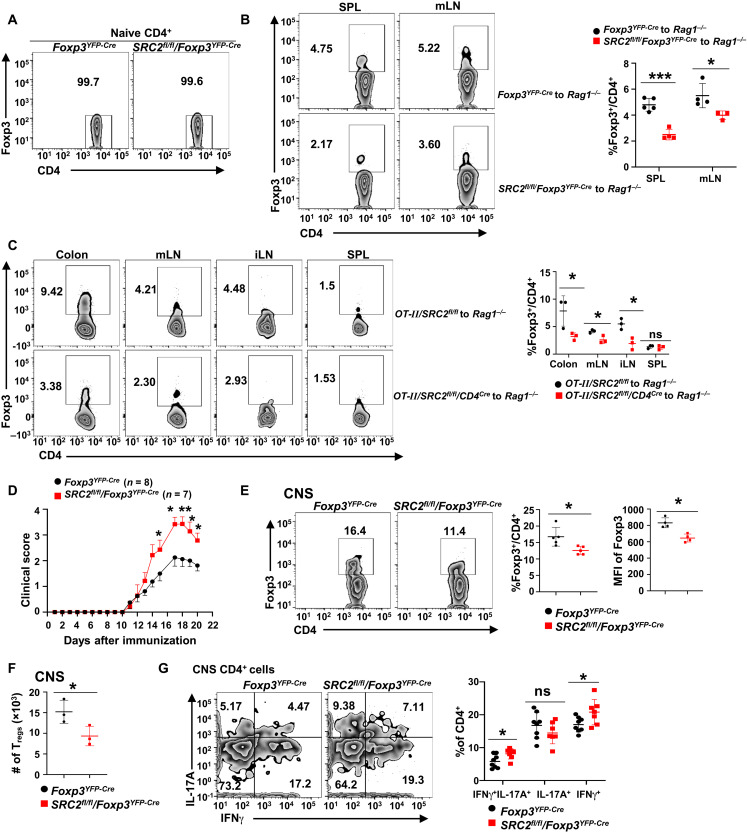
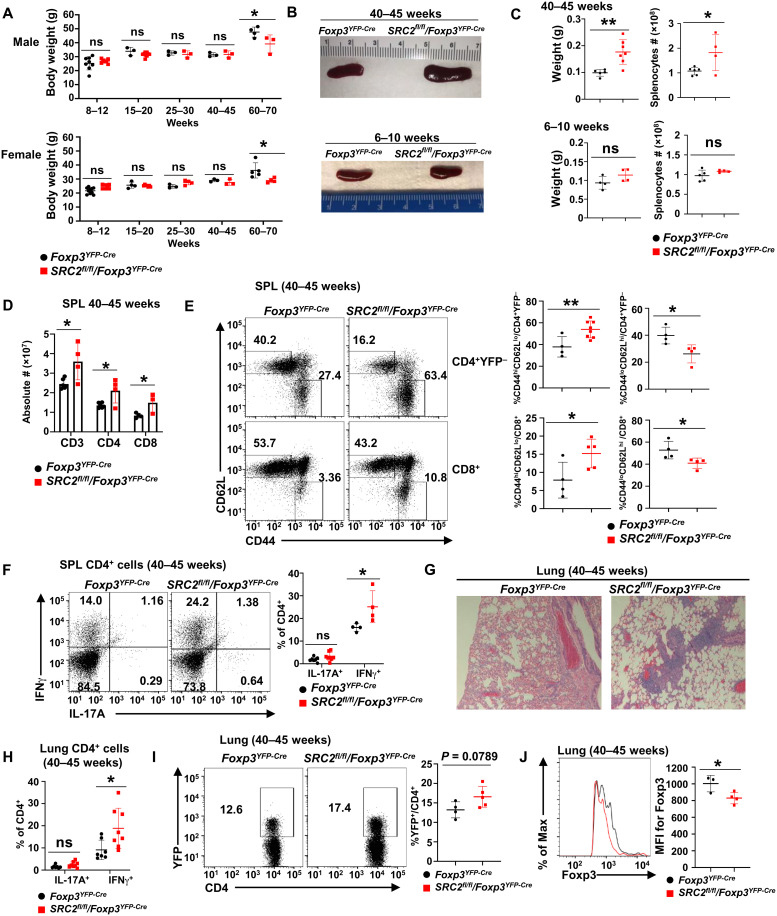
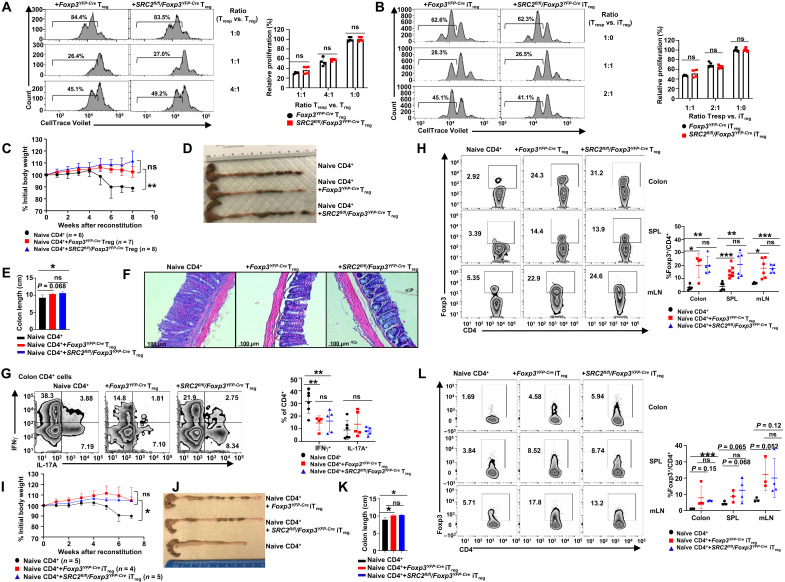
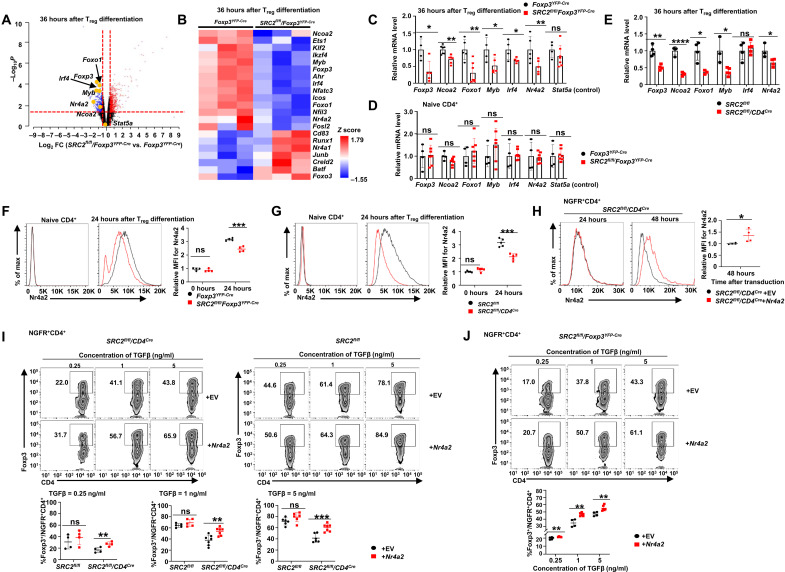
Steroid nuclear receptor coactivator 2 (SRC2) is a member of a family of transcription coactivators. While SRC1 inhibits the differentiation of regulatory T cells (T) critical for establishing immune tolerance, we show here that SRC2 stimulates T differentiation. SRC2 is dispensable for the development of thymic T, whereas naive CD4 T cells from mice deficient of SRC2 specific in T () display defective T differentiation. Furthermore, the aged mice spontaneously develop autoimmune phenotypes including enlarged spleen and lung inflammation infiltrated with IFNγ-producing CD4 T cells. mice also develop severer experimental autoimmune encephalomyelitis (EAE) due to reduced T. Mechanically, SRC2 recruited by NFAT1 binds to the promoter and activates the expression of , which then stimulates Foxp3 expression to promote T differentiation. Members of SRC family coactivators thus play distinct roles in T differentiation and are potential drug targets for controlling immune tolerance.
类固醇核受体辅激活因子2(SRC2)是转录辅激活因子家族的一员。虽然SRC1抑制对建立免疫耐受至关重要的调节性T细胞(Treg)的分化,但我们在此表明SRC2刺激Treg分化。SRC2对胸腺T细胞的发育并非必需,而来自Treg中SRC2特异性缺陷小鼠的初始CD4 T细胞表现出有缺陷的Treg分化。此外,老年SRC2缺陷小鼠会自发出现自身免疫表型,包括脾脏肿大和肺部炎症,其中浸润有产生IFNγ的CD4 T细胞。SRC2缺陷小鼠还会因Treg减少而发生更严重的实验性自身免疫性脑脊髓炎(EAE)。从机制上讲,由NFAT1招募的SRC2与启动子结合并激活Il2的表达,然后刺激Foxp3表达以促进Treg分化。因此,SRC家族辅激活因子成员在Treg分化中发挥不同作用,并且是控制免疫耐受的潜在药物靶点。