Division of Pulmonary and Sleep Medicine, Department of Pediatrics, University of Alabama at Birmingham, Birmingham, Alabama, USA.
Division of Pulmonary Medicine, Department of Pediatrics, Virginia Commonwealth University and Children's Hospital of Richmond at VCU, USA.
Expert Rev Respir Med. 2022 Jun;16(6):637-650. doi: 10.1080/17476348.2022.2090928. Epub 2022 Jun 23.
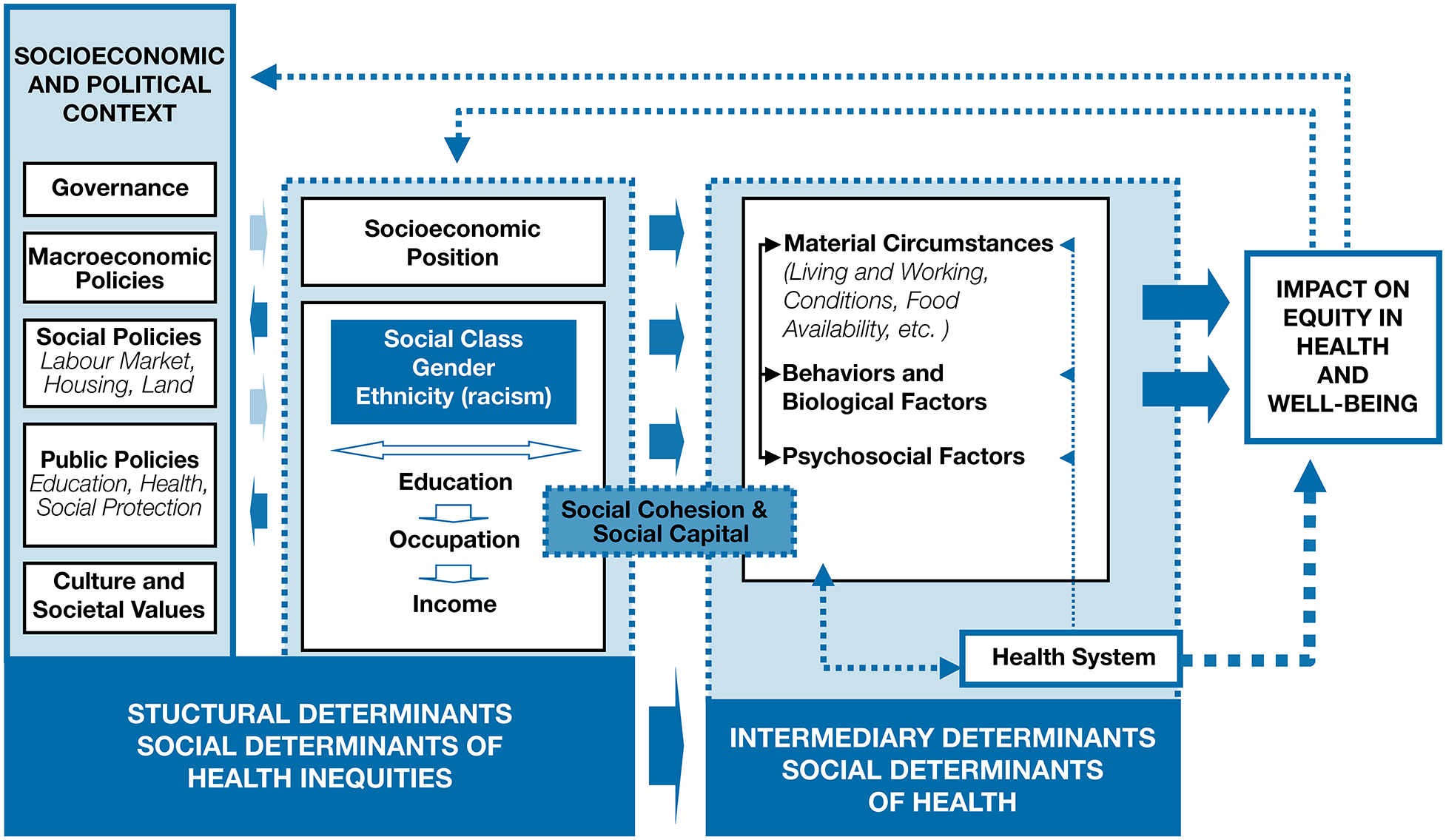
Great variation exists in the progression and outcomes of cystic fibrosis (CF) lung disease, due to both genetic and environmental influences. Social determinants mediate environmental exposures and treatment success; people with CF from socioeconomically disadvantaged backgrounds have worse health and die younger than those in more advantaged positions.
This paper reviews the literature on the mechanisms that are responsible for generating and sustaining disparities in CF health, and the ways by which social determinants translate into health advantages or disadvantages in people with CF. The authors make recommendations for addressing social risk factors in CF clinical practice.
Socioeconomic factors are not dichotomous and their impact is felt at every step of the social ladder. CF care programs need to adopt a systematic protocol to screen for health-related social risk factors, and then connect patients to available resources to meet individual needs. Considerations such as daycare, schooling options, living and working conditions, and opportunities for physical exercise and recreation as well as promotion of self-efficacy are often overlooked. In addition, advocacy for changes in public policies on health insurance, environmental regulations, social welfare, and education would all help address the root causes of CF health inequities.
囊性纤维化(CF)肺部疾病的进展和结果存在很大差异,这是由于遗传和环境因素的共同作用。社会决定因素调节环境暴露和治疗效果;来自社会经济地位较低背景的 CF 患者的健康状况较差,比处于较有利地位的患者更早死亡。
本文回顾了导致 CF 健康差异的机制的文献,以及社会决定因素如何在 CF 患者中转化为健康优势或劣势。作者为 CF 临床实践中解决社会风险因素提出了建议。
社会经济因素并非非此即彼,其影响在社会阶梯的每一步都能感受到。CF 护理项目需要采用系统方案来筛选与健康相关的社会风险因素,然后将患者与可用资源联系起来,以满足个人需求。诸如日托、学校选择、生活和工作条件以及体育锻炼和娱乐机会以及自我效能的提升等方面往往被忽视。此外,倡导医疗保险、环境法规、社会福利和教育方面的公共政策改革将有助于解决 CF 健康不平等的根本原因。