Cell Biology and Gene Expression Section, National Institute on Aging, National Institutes of Health, Bethesda, Maryland, USA.
Department of Molecular Medicine, Beckman Research Institute at City of Hope, California, USA.
J Neurochem. 2022 Aug;162(3):245-261. doi: 10.1111/jnc.15656. Epub 2022 Jul 2.
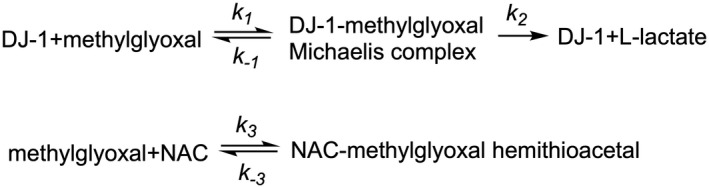
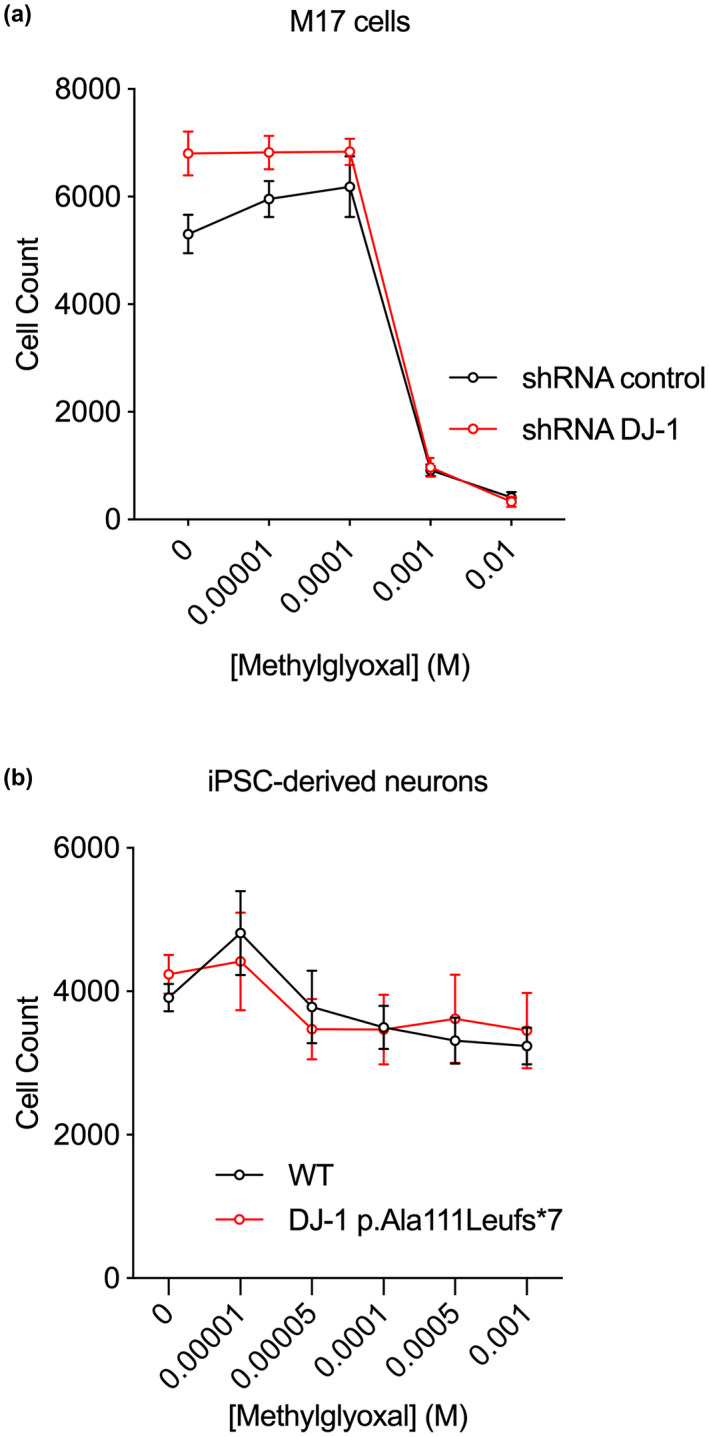
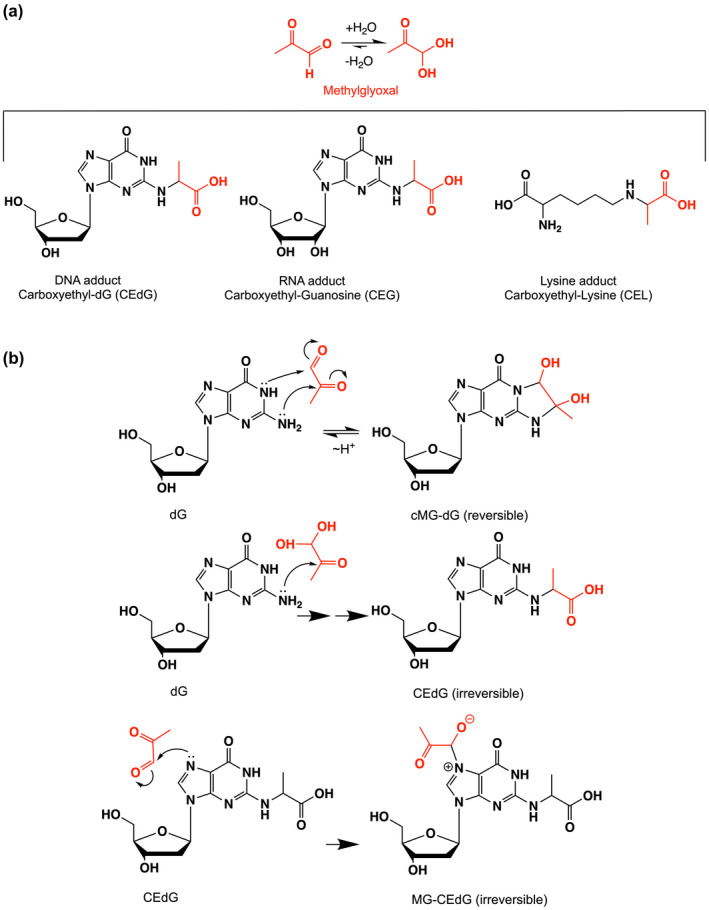
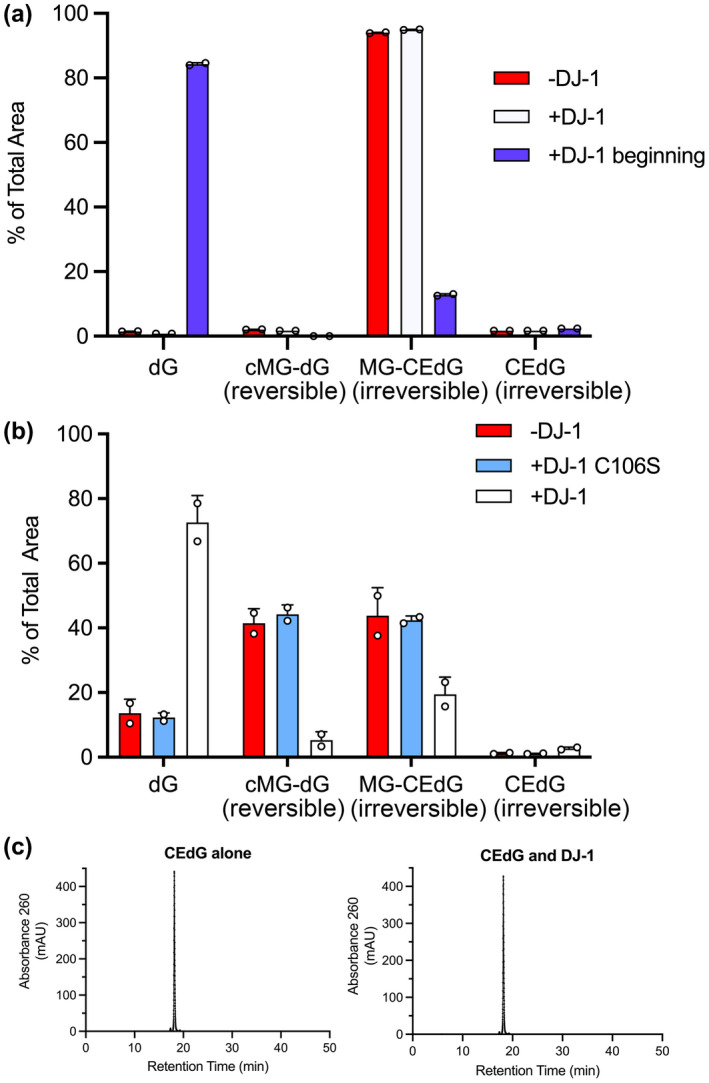
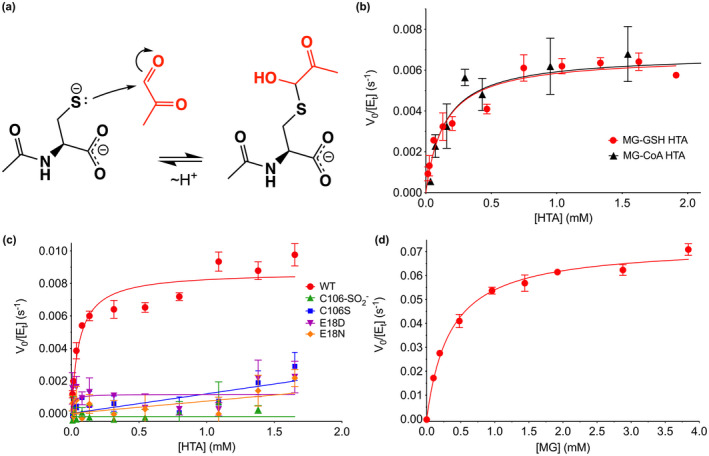
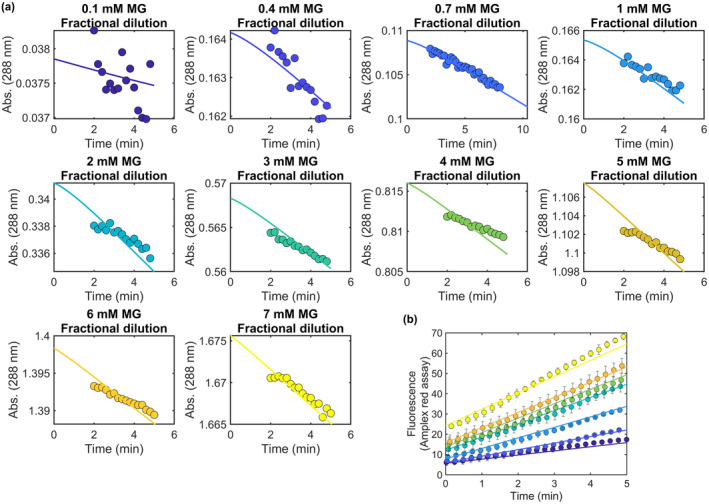
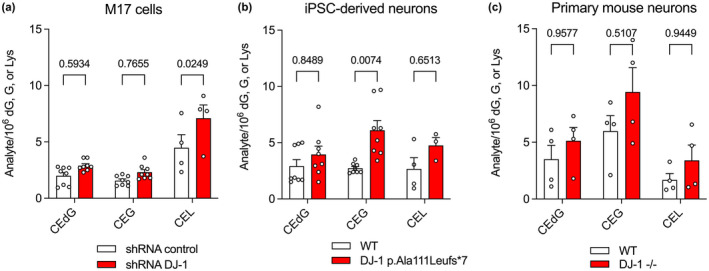
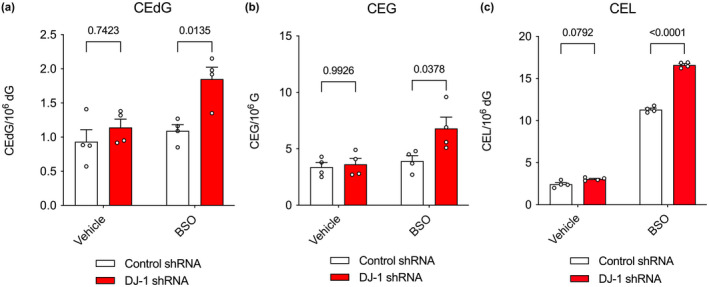
Human DJ-1 is a cytoprotective protein whose absence causes Parkinson's disease and is also associated with other diseases. DJ-1 has an established role as a redox-regulated protein that defends against oxidative stress and mitochondrial dysfunction. Multiple studies have suggested that DJ-1 is also a protein/nucleic acid deglycase that plays a key role in the repair of glycation damage caused by methylglyoxal (MG), a reactive α-keto aldehyde formed by central metabolism. Contradictory reports suggest that DJ-1 is a glyoxalase but not a deglycase and does not play a major role in glycation defense. Resolving this issue is important for understanding how DJ-1 protects cells against insults that can cause disease. We find that DJ-1 reduces levels of reversible adducts of MG with guanine and cysteine in vitro. The steady-state kinetics of DJ-1 acting on reversible hemithioacetal substrates are fitted adequately with a computational kinetic model that requires only a DJ-1 glyoxalase activity, supporting the conclusion that deglycation is an apparent rather than a true activity of DJ-1. Sensitive and quantitative isotope-dilution mass spectrometry shows that DJ-1 modestly reduces the levels of some irreversible guanine and lysine glycation products in primary and cultured neuronal cell lines and whole mouse brain, consistent with a small but measurable effect on total neuronal glycation burden. However, DJ-1 does not improve cultured cell viability in exogenous MG. In total, our results suggest that DJ-1 is not a deglycase and has only a minor role in protecting neurons against methylglyoxal toxicity.
人 DJ-1 是一种细胞保护蛋白,其缺失会导致帕金森病,也与其他疾病有关。DJ-1 作为一种氧化还原调节蛋白,具有抵抗氧化应激和线粒体功能障碍的作用。多项研究表明,DJ-1 也是一种蛋白/核酸去糖基化酶,在修复由甲基乙二醛 (MG) 引起的糖化损伤中发挥关键作用,MG 是一种由中心代谢形成的反应性α-酮醛。相互矛盾的报告表明,DJ-1 是一种糖基酶,但不是去糖基化酶,在糖化防御中不起主要作用。解决这个问题对于了解 DJ-1 如何保护细胞免受可能导致疾病的损伤很重要。我们发现 DJ-1 可降低体外 MG 与鸟嘌呤和半胱氨酸可逆加合物的水平。DJ-1 作用于可逆半硫缩醛底物的稳态动力学可以通过仅需要 DJ-1 糖基酶活性的计算动力学模型进行充分拟合,支持这样的结论,即去糖化是 DJ-1 的表观而不是真实活性。灵敏和定量的同位素稀释质谱法表明,DJ-1 可适度降低原代和培养神经元细胞系以及整个小鼠脑中一些不可逆的鸟嘌呤和赖氨酸糖化产物的水平,这与 DJ-1 对总神经元糖化负担的微小但可测量的影响一致。然而,DJ-1 并不能改善外源性 MG 培养细胞的活力。总的来说,我们的结果表明 DJ-1 不是去糖基化酶,在保护神经元免受甲基乙二醛毒性方面仅发挥次要作用。