Department of Public Health, Policy & System, University of Liverpool, Liverpool, UK.
Department of Primary Care and Mental Health, University of Liverpool, Liverpool, UK.
Trials. 2022 Jun 18;23(1):509. doi: 10.1186/s13063-022-06453-z.
Understanding patient and health practitioner perspectives on clinical trials can inform opportunities to enhance trial conduct and design, and therefore patient experience. Patients with haematological cancers have faced additional risk and uncertainty during the pandemic but it is unclear how they and practitioners have experienced cancer trials during this period. In the context of a haemato-oncology trial (PETReA), we compared patient and practitioner views and experiences of PETReA before and during COVID-19.
Qualitative study embedded within PETReA. Semi-structured interviews (N=41) with patients and practitioners from 16 NHS sites before (n=17) and during the first wave of COVID-19 (n=24). Analysis drew on the framework approach.
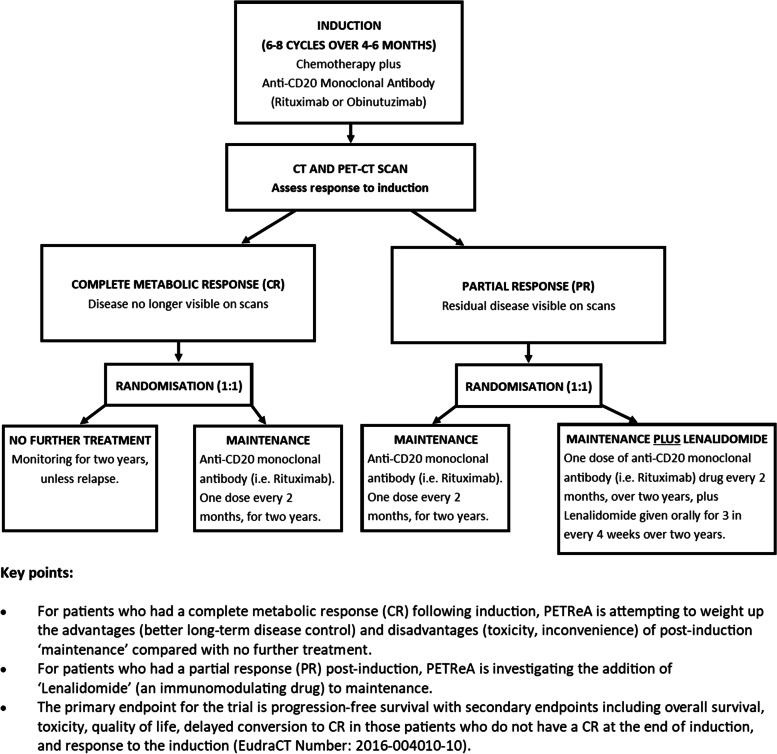
Practitioners acknowledged the need for the trial to continue during the pandemic but their treatment preferences altered, becoming more pronounced for patients who had a favourable response to induction treatment, while staying unchanged for patients with a less favourable response. Practitioners commented that COVID-19 meant the evidence base for the trial arms was lacking or mixed, but that it likely increased the risks of maintenance treatment for patients with a favourable response to induction treatment. While only one participant interviewed withdrew from PETReA during the pandemic, others said they would consider withdrawing if information that they were at increased risk of severe illness from COVID-19 became available. During COVID-19, patients described less frequent contact with the trial team, which left some feeling less clear about their trial pathway. However, several described having in-depth, collaborative discussions with practitioners about the risks and benefits of randomisation in the context of COVID-19. Patients valued these discussions and were reassured by the emphasis practitioners placed on patients being free to withdraw if circumstances changed, and this helped patients feel comfortable about continuing in PETReA.
The findings point to ways trial communication can support patients to feel comfortable about continuing in a trial during uncertain times, including adopting a more in-depth, collaborative exploration of the risks and benefits of trial arms with patients and emphasising voluntariness. The results are relevant to trialists recruiting patients who are clinically extremely vulnerable or are at increased risk of poor COVID-19 outcomes despite being vaccinated.
了解患者和医疗从业者对临床试验的看法,可以为改善试验的进行和设计提供信息,并因此改善患者体验。患有血液系统癌症的患者在疫情期间面临额外的风险和不确定性,但尚不清楚他们和从业者在这期间对癌症试验的体验如何。在一项血液肿瘤学试验(PETReA)中,我们比较了患者和从业者在 COVID-19 之前和期间对 PETReA 的看法和体验。
嵌入在 PETReA 中的定性研究。在 COVID-19 第一波期间(n=24),对来自 16 个 NHS 站点的 17 名(n=17)和 24 名(n=24)患者和从业者进行了半结构化访谈。分析采用了框架方法。
从业者承认试验需要在疫情期间继续进行,但他们的治疗偏好发生了变化,对于诱导治疗反应良好的患者变得更加明显,而对于反应较差的患者则保持不变。从业者评论说,COVID-19 意味着试验臂的证据基础缺乏或混杂,但对于诱导治疗反应良好的患者,维持治疗的风险可能增加。虽然只有一名接受采访的参与者在疫情期间退出了 PETReA,但其他人表示,如果有信息表明他们因 COVID-19 而患重病的风险增加,他们会考虑退出。在 COVID-19 期间,患者描述与试验团队的联系较少,这使一些人对自己的试验途径不太清楚。然而,一些患者描述了与从业者就 COVID-19 背景下随机分组的风险和收益进行深入、协作的讨论。患者非常重视这些讨论,并对从业者强调患者如果情况发生变化可以自由退出感到放心,这有助于患者对继续参加 PETReA 感到放心。
这些发现指出了在不确定时期,试验沟通可以如何支持患者继续参加试验的方式,包括与患者更深入、协作地探讨试验臂的风险和收益,并强调自愿性。这些结果与招募临床极度脆弱或尽管接种疫苗但 COVID-19 结局较差风险增加的患者的试验人员有关。