Rane Rahul Prakash, Jain Ashish, Hussain Khandakar M, Naik Sarvesh, Shahab Asna
Internal Medicine, Conemaugh Memorial Medical Center, Johnstown, USA.
Cureus. 2022 Jun 10;14(6):e25810. doi: 10.7759/cureus.25810. eCollection 2022 Jun.
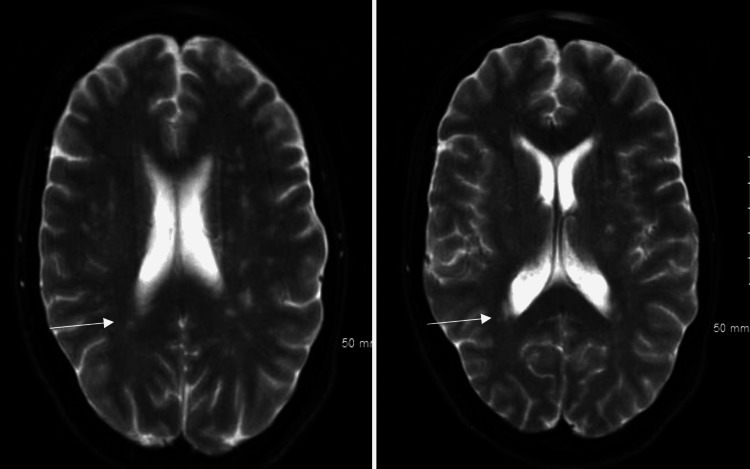
Coronavirus disease 2019 (COVID-19) has become a worldwide pandemic since the first case of severe acute respiratory syndrome coronavirus 2 (SARS-CoV-2) infection was identified in December 2019. Numerous neurological consequences have been reported with COVID-19 infection and its approved vaccines. However, Guillain-Barré syndrome (GBS) is a rare neurological complication associated with COVID-19 infection. This case report describes a 62-year-old female with a three-week history of COVID-19 infection who presented with symmetric polyneuropathy in bilateral lower extremities that progressed to involve bilateral upper extremities and skeletal muscles of respiration, resulting in respiratory distress and necessitating intubation and mechanical ventilation. Cerebrospinal fluid (CSF) analysis revealed albumino-cytologic dissociation, and our patient met the National Institute of Neurological Disorders and Strokes (NINDS) criteria for diagnosing Guillain-Barré Syndrome, making GBS to be the most likely diagnosis. This case report aims to strengthen the association of GBS with COVID-19 infection and describes the hospital course of GBS.
自2019年12月首例严重急性呼吸综合征冠状病毒2(SARS-CoV-2)感染病例被发现以来,2019冠状病毒病(COVID-19)已成为全球大流行疾病。已有众多关于COVID-19感染及其获批疫苗所致神经学后果的报道。然而,吉兰-巴雷综合征(GBS)是一种与COVID-19感染相关的罕见神经并发症。本病例报告描述了一名62岁女性,有3周的COVID-19感染病史,表现为双侧下肢对称性多发性神经病,病情进展累及双侧上肢及呼吸肌,导致呼吸窘迫,需行气管插管及机械通气。脑脊液(CSF)分析显示蛋白细胞分离,且我们的患者符合美国国立神经疾病与中风研究所(NINDS)吉兰-巴雷综合征诊断标准,GBS为最可能的诊断。本病例报告旨在强化GBS与COVID-19感染之间的关联,并描述GBS的住院病程。