The University of Queensland, Queensland Alliance for Agriculture and Food Innovation, Centre for Animal Science, St Lucia, Queensland, 4072, Australia.
University of Glasgow, Institute of Biodiversity Animal Health and Comparative Medicine, Glasgow, G61 1QH, UK.
BMC Genomics. 2022 Jun 20;23(1):454. doi: 10.1186/s12864-022-08686-3.
Disease emergence and production loss caused by cattle tick infestations have focused attention on genetic selection strategies to breed beef cattle with increased tick resistance. However, the mechanisms behind host responses to tick infestation have not been fully characterised. Hence, this study examined gene expression profiles of peripheral blood leukocytes from tick-naive Brangus steers (Bos taurus x Bos indicus) at 0, 3, and 12 weeks following artificial tick challenge experiments with Rhipicephalus australis larvae. The aim of the study was to investigate the effect of tick infestation on host leukocyte response to explore genes associated with the expression of high and low host resistance to ticks.
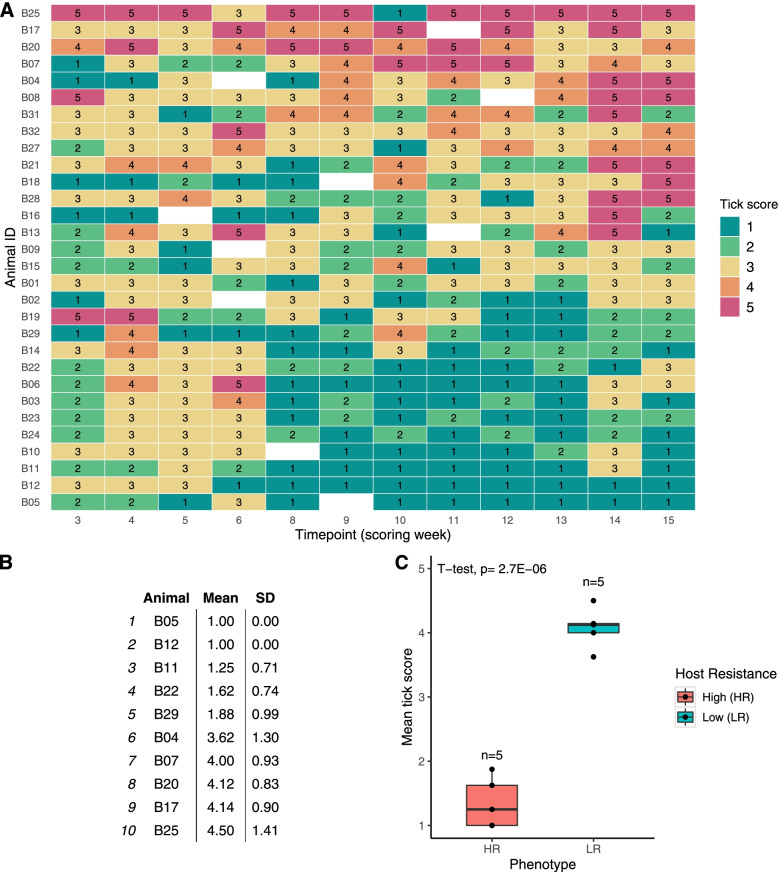
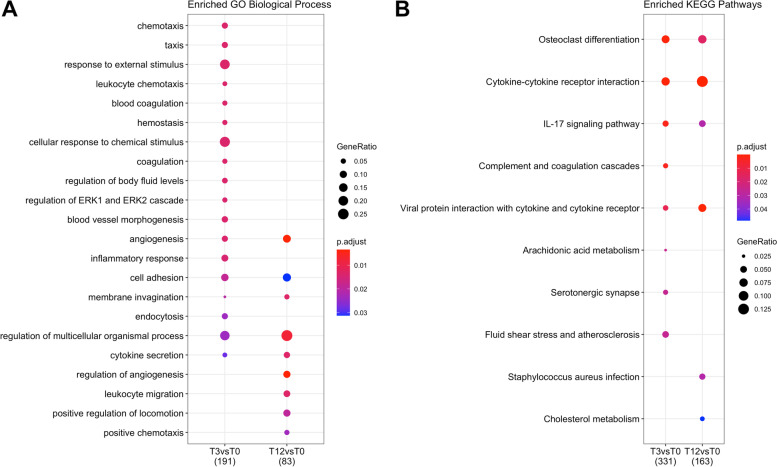
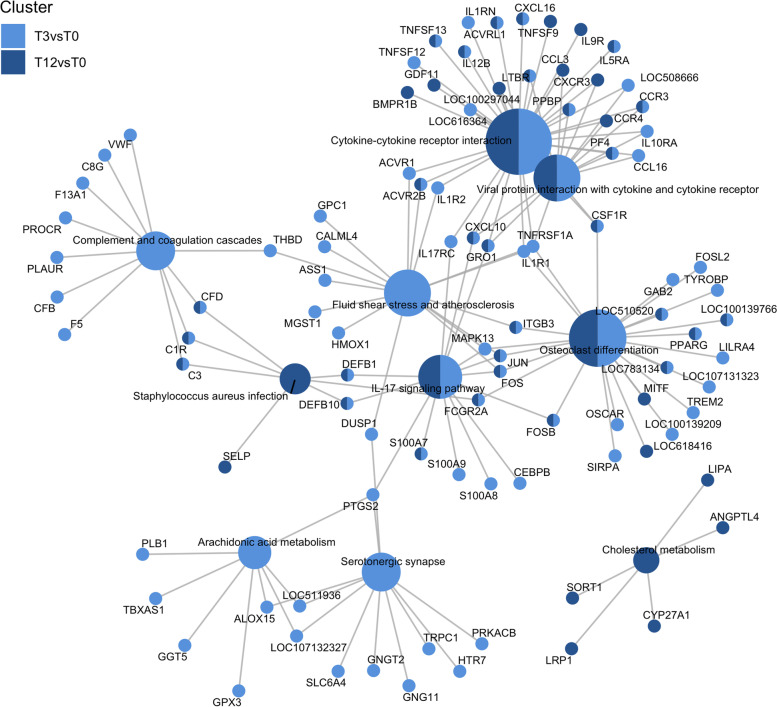
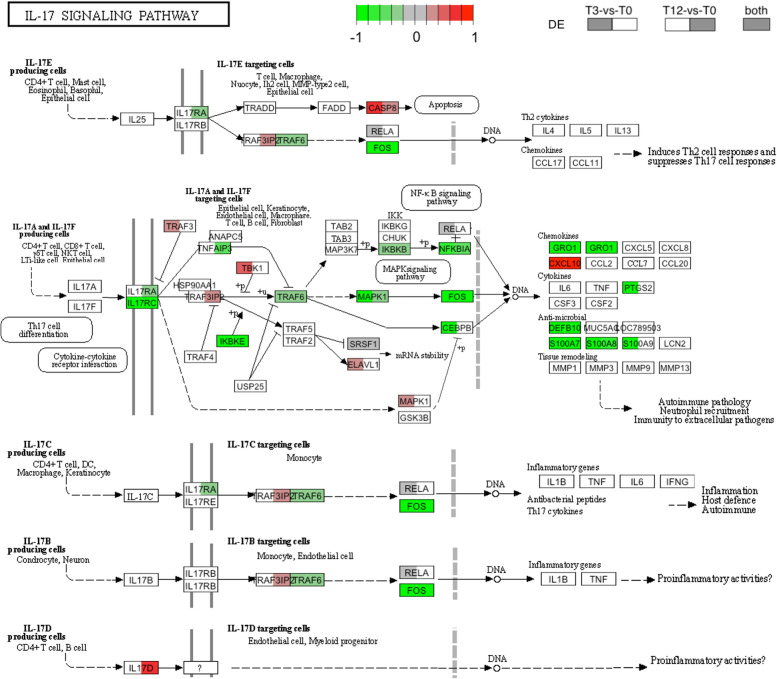
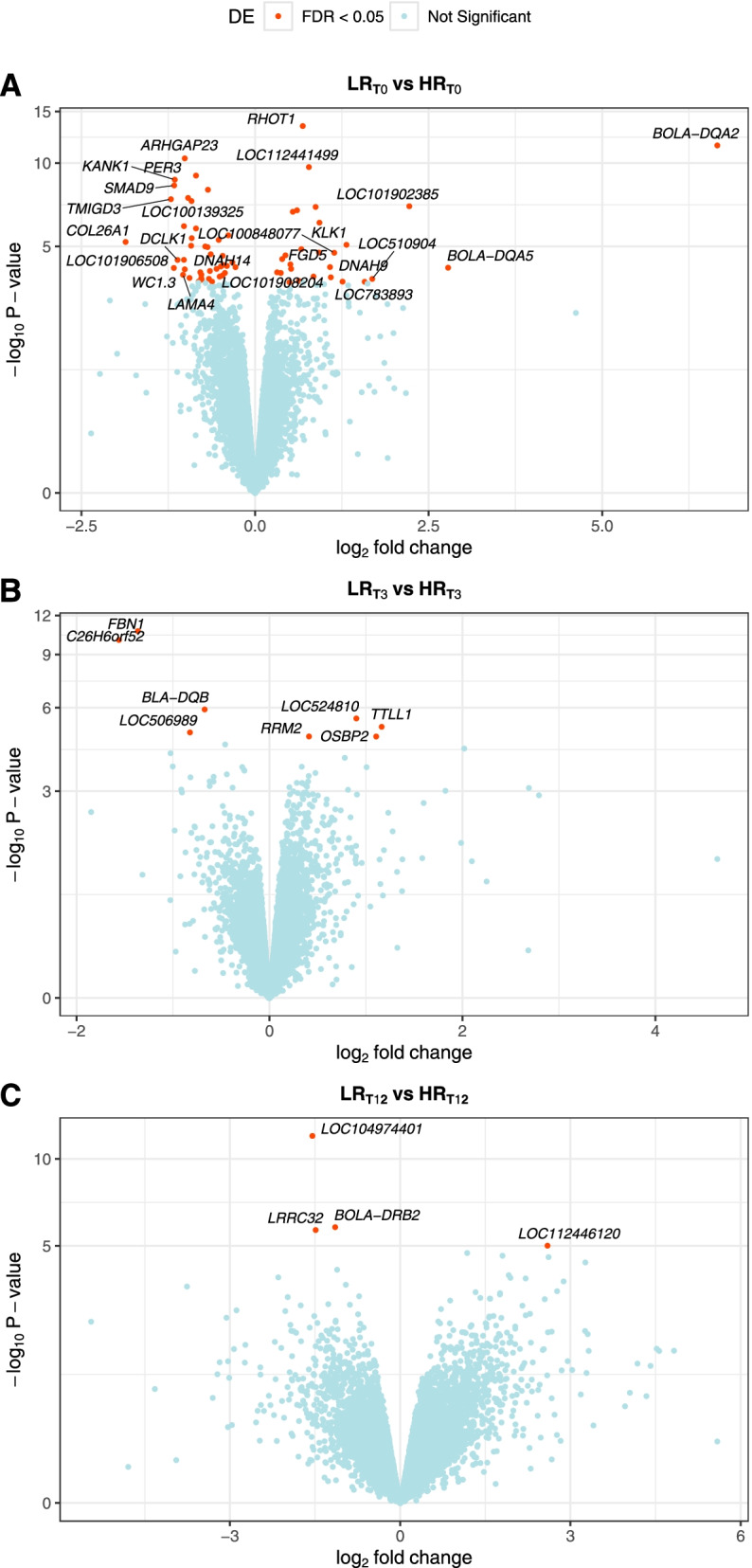
Animals with high (HR, n = 5) and low (LR, n = 5) host resistance were identified after repeated tick challenge. A total of 3644 unique differentially expressed genes (FDR < 0.05) were identified in the comparison of tick-exposed (both HR and LR) and tick-naive steers for the 3-week and 12-week infestation period. Enrichment analyses showed genes were involved in leukocyte chemotaxis, coagulation, and inflammatory response. The IL-17 signalling, and cytokine-cytokine interactions pathways appeared to be relevant in protection and immunopathology to tick challenge. Comparison of HR and LR phenotypes at timepoints of weeks 0, 3, and 12 showed there were 69, 8, and 4 differentially expressed genes, respectively. Most of these genes were related to immune, tissue remodelling, and angiogenesis functions, suggesting this is relevant in the development of resistance or susceptibility to tick challenge.
This study showed the effect of tick infestation on Brangus cattle with variable phenotypes of host resistance to R. australis ticks. Steers responded to infestation by expressing leukocyte genes related to chemotaxis, cytokine secretion, and inflammatory response. The altered expression of genes from the bovine MHC complex in highly resistant animals at pre- and post- infestation stages also supports the relevance of this genomic region for disease resilience. Overall, this study offers a resource of leukocyte gene expression data on matched tick-naive and tick-infested steers relevant for the improvement of tick resistance in composite cattle.
牛蜱感染导致的疾病爆发和生产损失引起了人们对遗传选择策略的关注,这些策略旨在培育对蜱具有更高抵抗力的肉牛。然而,宿主对蜱感染的反应机制尚未完全阐明。因此,本研究通过人工接种 Rhipicephalus australis 幼虫,检测了 tick-naive Brangus 种公牛(Bos taurus x Bos indicus)外周血白细胞的基因表达谱,这些种公牛在实验开始后的 0、3 和 12 周接受了 tick 挑战。本研究的目的是研究蜱感染对宿主白细胞反应的影响,以探索与宿主对蜱的高抵抗力和低抵抗力表达相关的基因。
通过反复 tick 挑战,确定了具有高(HR,n=5)和低(LR,n=5)宿主抗性的动物。在 3 周和 12 周的感染期间,暴露于 tick(HR 和 LR 均暴露)和 tick-naive 牛之间的比较中,共鉴定出 3644 个独特的差异表达基因(FDR<0.05)。富集分析表明,这些基因参与白细胞趋化、凝血和炎症反应。IL-17 信号和细胞因子-细胞因子相互作用途径似乎与 tick 挑战的保护和免疫病理学相关。在 0、3 和 12 周的时间点比较 HR 和 LR 表型时,分别有 69、8 和 4 个差异表达基因。这些基因大多与免疫、组织重塑和血管生成功能有关,表明这与 tick 挑战的抗性或易感性发展有关。
本研究表明,tick 感染对 Brangus 牛产生了不同表型的宿主对 R. australis 蜱的抵抗力。牛对感染的反应是通过表达与趋化、细胞因子分泌和炎症反应相关的白细胞基因来实现的。在感染前和感染后阶段,高度抗性动物中来自牛 MHC 复合体的基因表达改变也支持了该基因组区域对疾病抗性的相关性。总的来说,本研究提供了匹配的 tick-naive 和 tick-infested 种公牛的白细胞基因表达数据资源,这对提高复合牛的 tick 抗性具有重要意义。