Department of Gastroenterology, Graduate School of Medicine, The University of Tokyo, 7-3-1 Hongo, Bunkyo-ku, Tokyo, 113-8655, Japan.
J Gastroenterol. 2022 Sep;57(9):603-618. doi: 10.1007/s00535-022-01889-1. Epub 2022 Jun 21.
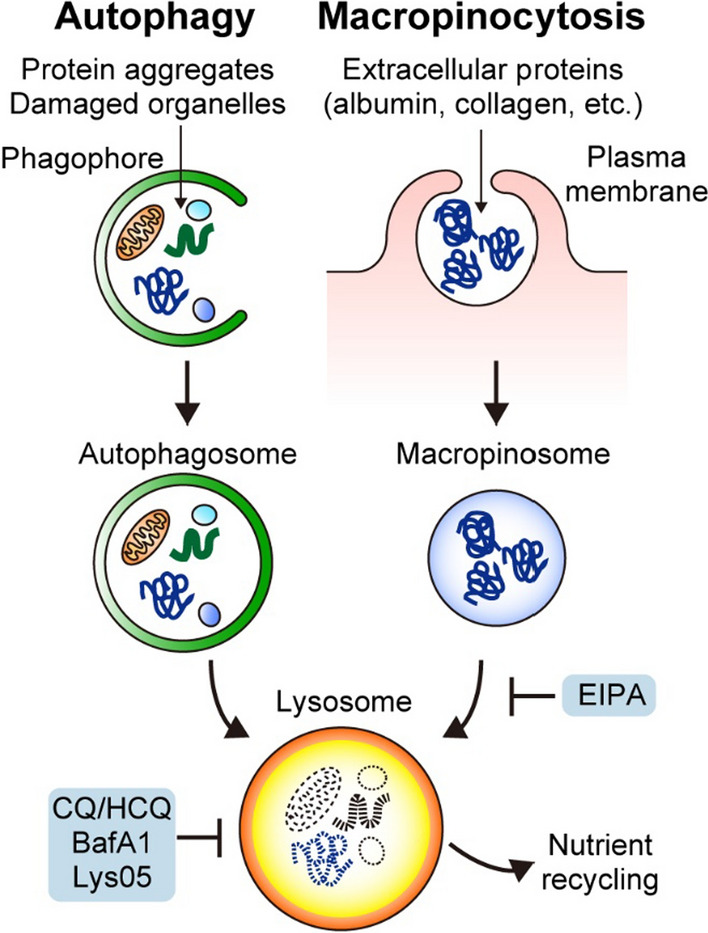
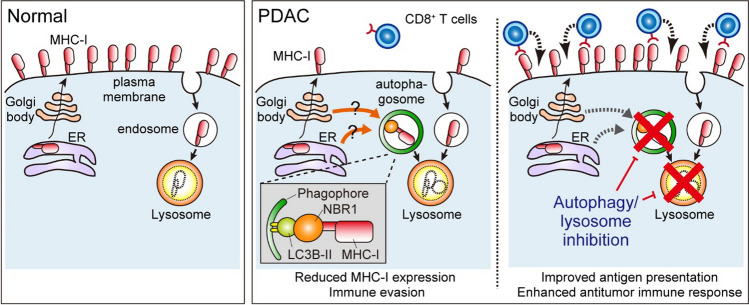
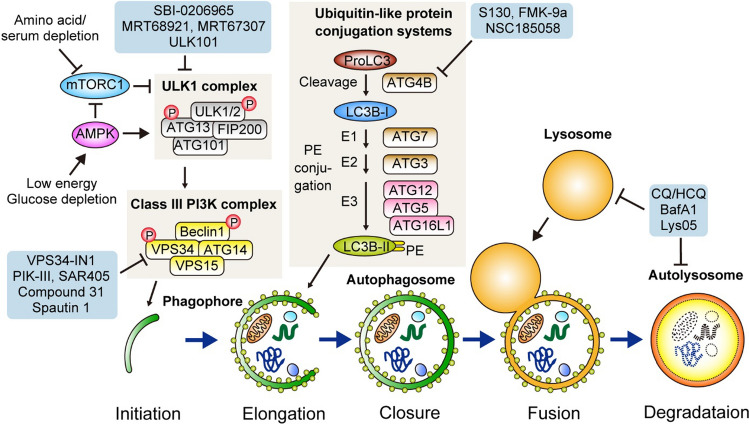
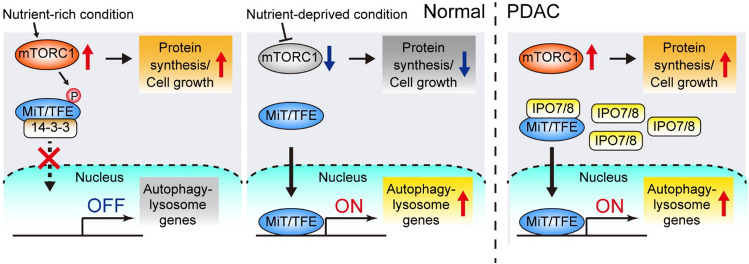
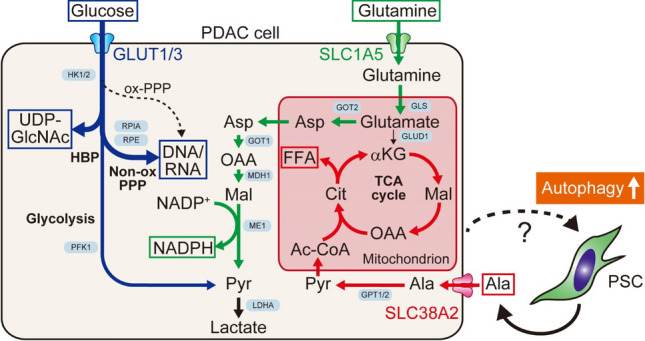
Macroautophagy (hereafter autophagy) is a catabolic process through which cytosolic components are captured in the autophagosome and degraded in the lysosome. Autophagy plays two major roles: nutrient recycling under starvation or stress conditions and maintenance of cellular homeostasis by removing the damaged organelles or protein aggregates. In established cancer cells, autophagy-mediated nutrient recycling promotes tumor progression, whereas in normal/premalignant cells, autophagy suppresses tumor initiation by eliminating the oncogenic/harmful molecules. Pancreatic ductal adenocarcinoma (PDAC) is a deadly disease that is refractory to most currently available treatment modalities, including immune checkpoint blockade and molecular-targeted therapy. One prominent feature of PDAC is its constitutively active and elevated autophagy-lysosome function, which enables PDAC to thrive in its nutrient-scarce tumor microenvironment. In addition to metabolic support, autophagy promotes PDAC progression in a metabolism-independent manner by conferring resistance to therapeutic treatment or facilitating immune evasion. Besides to cell-autonomous autophagy in cancer cells, host autophagy (autophagy in non-cancer cells) supports PDAC progression, further highlighting autophagy as a promising therapeutic target in PDAC. Based on a growing list of compelling preclinical evidence, there are numerous ongoing clinical trials targeting the autophagy-lysosome pathway in PDAC. Given the multifaceted and context-dependent roles of autophagy in both cancer cells and normal host cells, a deeper understanding of the mechanisms underlying the tumor-promoting roles of autophagy as well as of the consequences of autophagy inhibition is necessary for the development of autophagy inhibition-based therapies against PDAC.
自噬(以下简称自噬)是一种分解代谢过程,通过该过程,细胞质成分被捕获在自噬体中,并在溶酶体中降解。自噬有两个主要作用:在饥饿或应激条件下回收营养物质,以及通过去除受损的细胞器或蛋白聚集体来维持细胞内稳态。在已建立的癌细胞中,自噬介导的营养物质回收促进肿瘤进展,而在正常/前癌细胞中,自噬通过消除致癌/有害分子来抑制肿瘤起始。胰腺导管腺癌(PDAC)是一种致命疾病,对大多数目前可用的治疗方法(包括免疫检查点阻断和分子靶向治疗)均具有抗性。PDAC 的一个突出特征是其持续活跃和升高的自噬-溶酶体功能,这使 PDAC 能够在其营养匮乏的肿瘤微环境中茁壮成长。除了提供代谢支持外,自噬还通过赋予对治疗的抗性或促进免疫逃逸,以代谢独立的方式促进 PDAC 的进展。除了癌细胞中的细胞自主自噬外,宿主自噬(非癌细胞中的自噬)也支持 PDAC 的进展,这进一步强调了自噬作为 PDAC 中一种有前途的治疗靶点。基于大量令人信服的临床前证据,目前有许多针对 PDAC 中自噬-溶酶体途径的临床试验正在进行中。鉴于自噬在癌细胞和正常宿主细胞中的作用具有多方面和上下文依赖性,因此需要更深入地了解自噬促进肿瘤的作用机制以及自噬抑制的后果,以便针对 PDAC 开发基于自噬抑制的治疗方法。