Department of Aeronautics and Astronautics, Stanford University, Stanford, California 94305, United States.
Department of Mechanical Engineering, Stanford University, Stanford, California 94305, United States.
Chem Rev. 2022 Aug 10;122(15):12904-12976. doi: 10.1021/acs.chemrev.1c00640. Epub 2022 Jun 22.
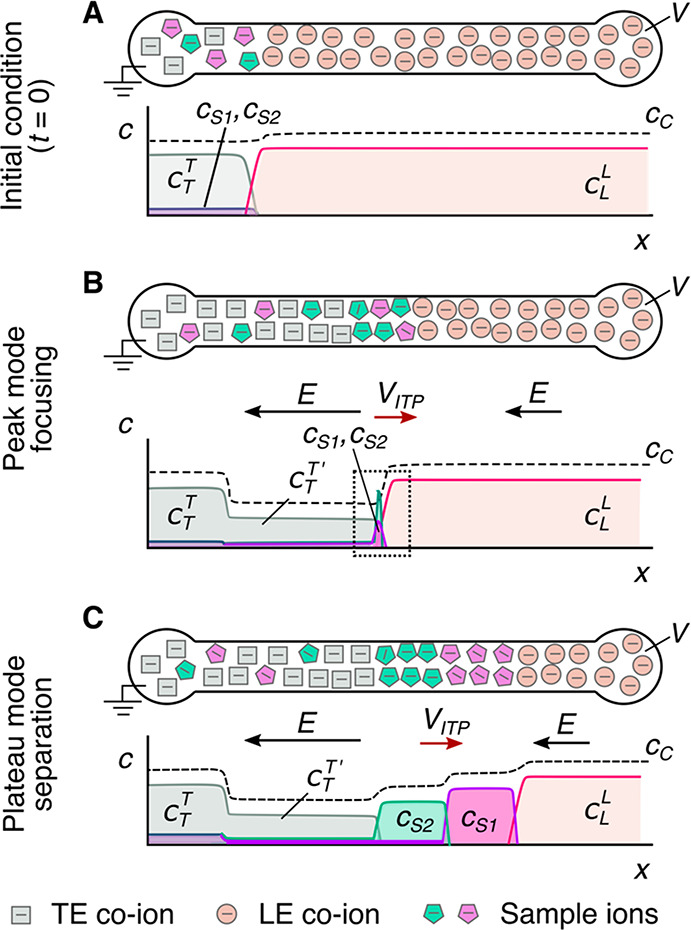
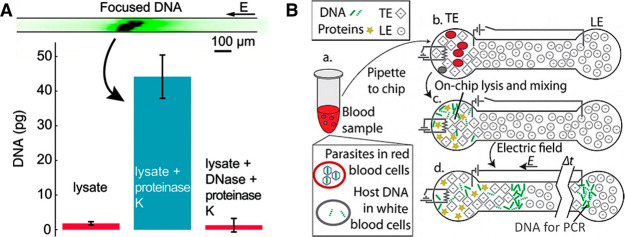
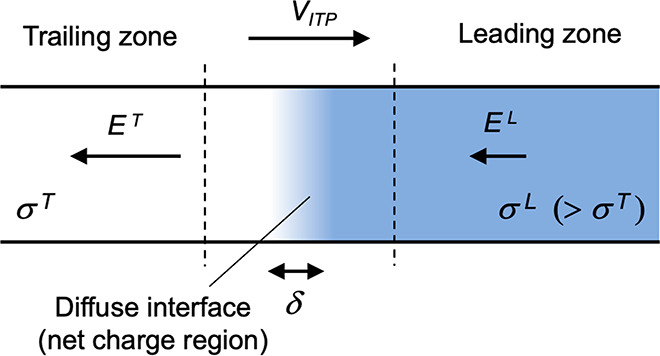
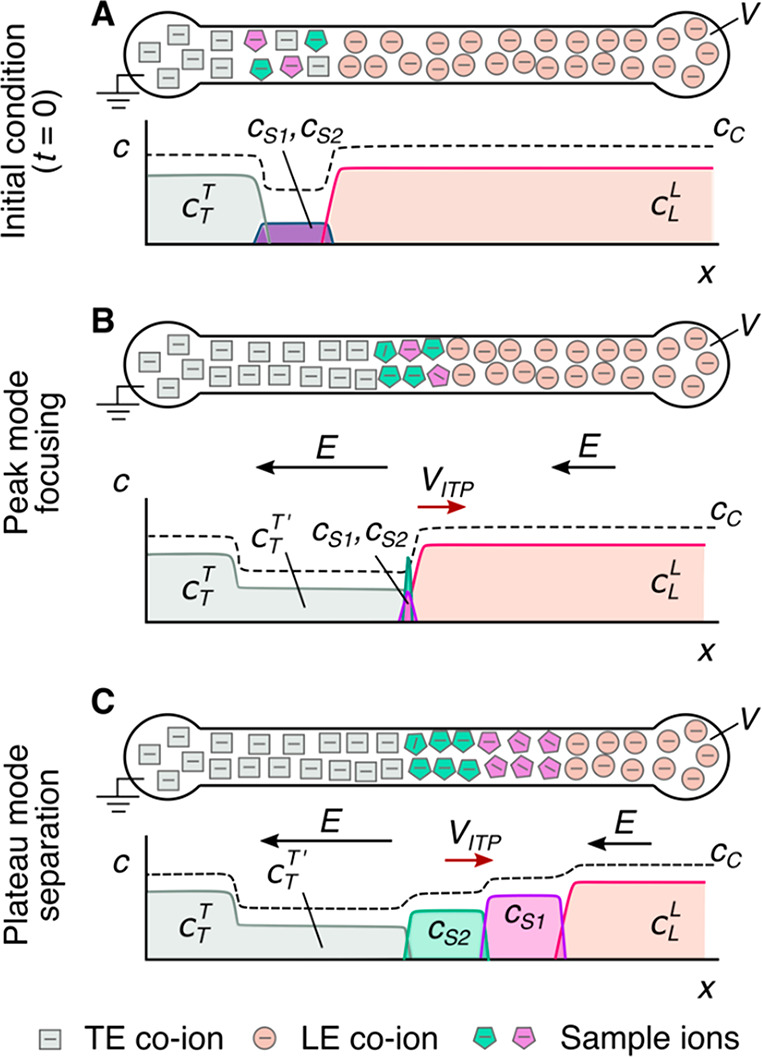
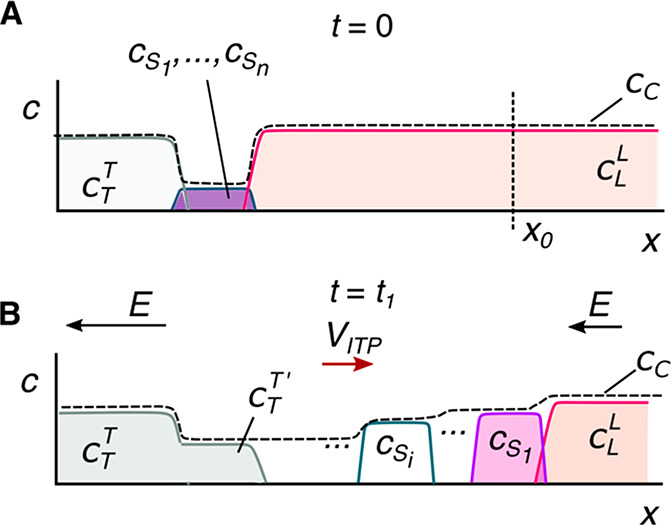
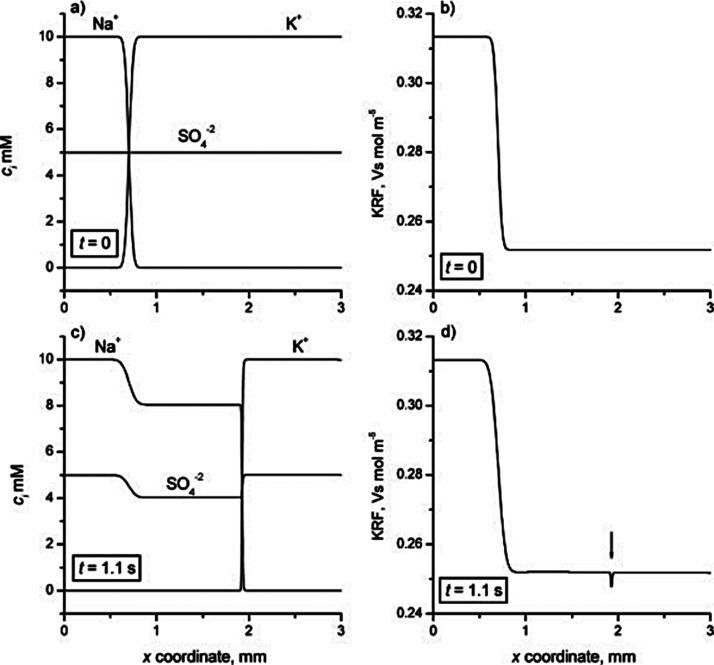
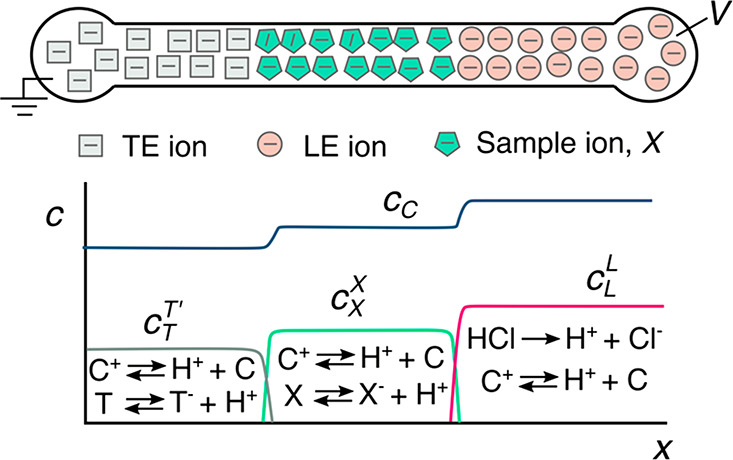
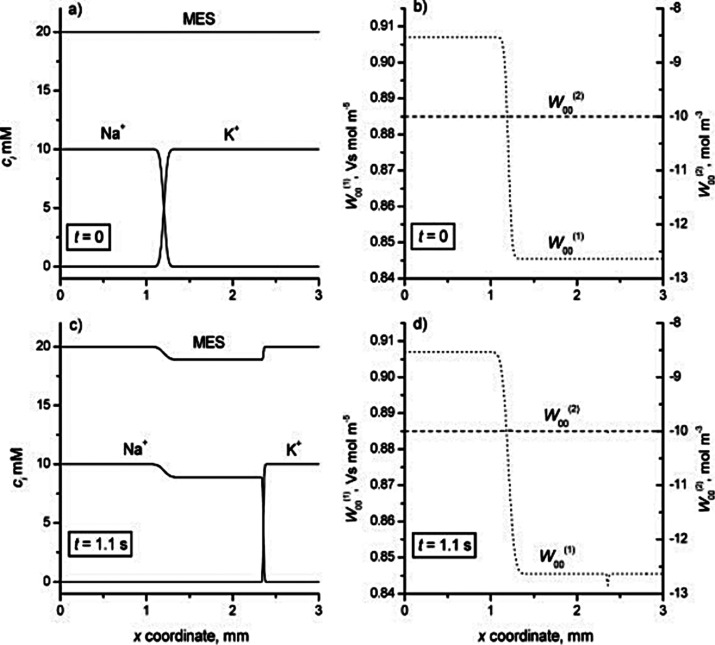
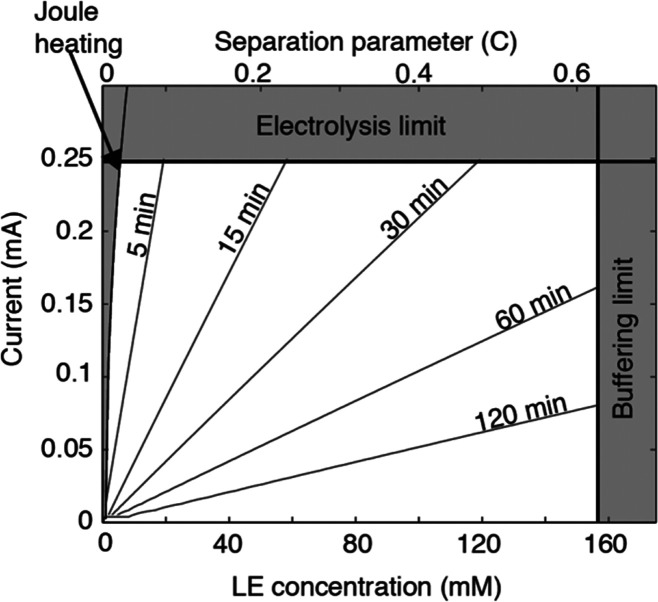
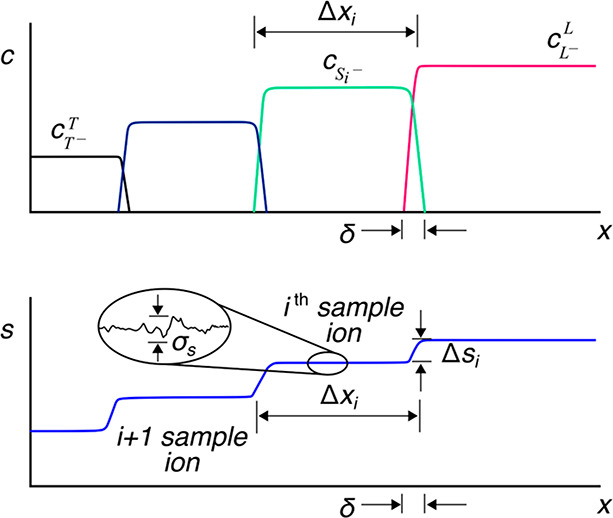
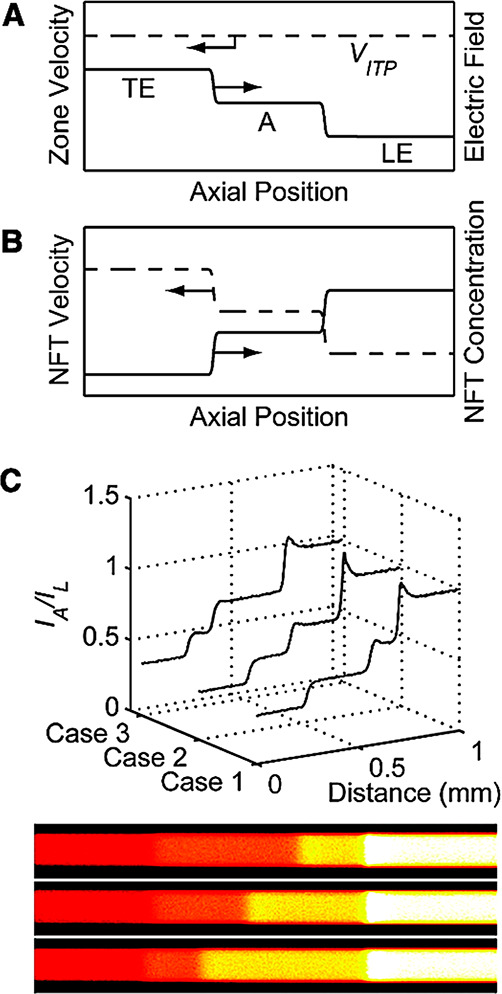
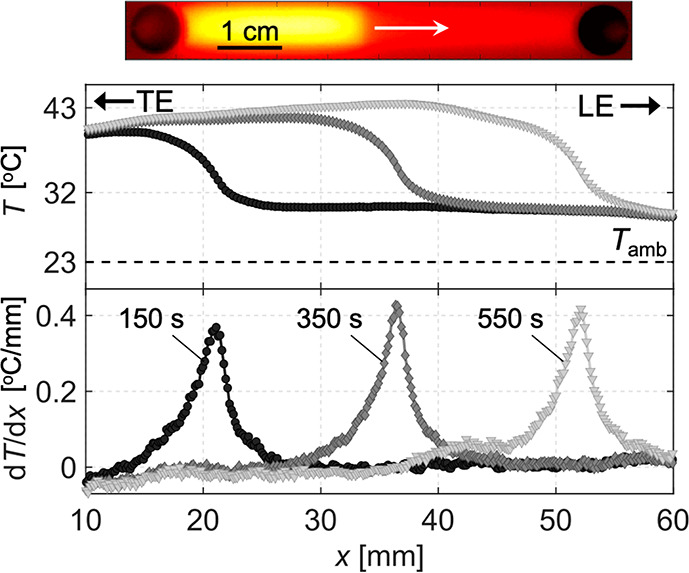
Isotachophoresis (ITP) is a versatile electrophoretic technique that can be used for sample preconcentration, separation, purification, and mixing, and to control and accelerate chemical reactions. Although the basic technique is nearly a century old and widely used, there is a persistent need for an easily approachable, succinct, and rigorous review of ITP theory and analysis. This is important because the interest and adoption of the technique has grown over the last two decades, especially with its implementation in microfluidics and integration with on-chip chemical and biochemical assays. We here provide a review of ITP theory starting from physicochemical first-principles, including conservation of species, conservation of current, approximation of charge neutrality, pH equilibrium of weak electrolytes, and so-called regulating functions that govern transport dynamics, with a strong emphasis on steady and unsteady transport. We combine these generally applicable (to all types of ITP) theoretical discussions with applications of ITP in the field of microfluidic systems, particularly on-chip biochemical analyses. Our discussion includes principles that govern the ITP focusing of weak and strong electrolytes; ITP dynamics in peak and plateau modes; a review of simulation tools, experimental tools, and detection methods; applications of ITP for on-chip separations and trace analyte manipulation; and design considerations and challenges for microfluidic ITP systems. We conclude with remarks on possible future research directions. The intent of this review is to help make ITP analysis and design principles more accessible to the scientific and engineering communities and to provide a rigorous basis for the increased adoption of ITP in microfluidics.
等电聚焦(ITP)是一种多功能电泳技术,可用于样品预浓缩、分离、纯化和混合,以及控制和加速化学反应。尽管基本技术已有近一个世纪的历史且应用广泛,但仍需要一个易于理解、简洁而严格的 ITP 理论和分析综述。这很重要,因为过去二十年来,该技术的兴趣和应用不断增加,特别是在微流控技术中的应用以及与芯片上化学和生物化学分析的集成。我们在此从物理化学的第一性原理出发,提供了 ITP 理论的综述,包括物种守恒、电流守恒、电荷中性近似、弱酸弱碱的 pH 平衡以及所谓的调节函数,这些都对输运动力学起控制作用,并强烈强调稳态和非稳态输运。我们将这些普遍适用(适用于所有类型的 ITP)的理论讨论与微流控系统中 ITP 的应用结合起来,特别是在芯片上的生化分析方面。我们的讨论包括控制弱电解质和强电解质 ITP 聚焦的原理;峰和平台模式下的 ITP 动力学;模拟工具、实验工具和检测方法的综述;ITP 在芯片上分离和痕量分析物操纵中的应用;以及微流控 ITP 系统的设计考虑因素和挑战。最后,我们对未来可能的研究方向进行了评论。本综述的目的是帮助科学界和工程界更容易理解 ITP 分析和设计原理,并为微流控中 ITP 的广泛采用提供严格的基础。