Niu Xi, Huang Yali, Lu Huan, Li Sheng, Huang Shihui, Ran Xueqin, Wang Jiafu
Institute of Agro-Bioengineering / Key Laboratory of Plant Resource Conservative and Germplasm Innovation in Mountainous Region and Key Laboratory of Animal Genetics, Breeding and Reproduction in the Plateau Mountainous Region (Ministry of Education), College of Life Science and College of Animal Science, Guizhou University, Guiyang, 550055, China.
Porcine Health Manag. 2022 Jun 23;8(1):29. doi: 10.1186/s40813-022-00270-1.
The fecundity of sows is a trait of major economic in pig industry. The molecular regulation of estrus cycles can affect the fecundity of female animals. Compared with the other pig breeds, Xiang pig exhibits the special estrus behaviors. CircRNAs are thought to involve in regulation of multiple biological processes. However, the potential roles of circRNAs in ovary regulation on Xiang pig estrus are largely unknown.
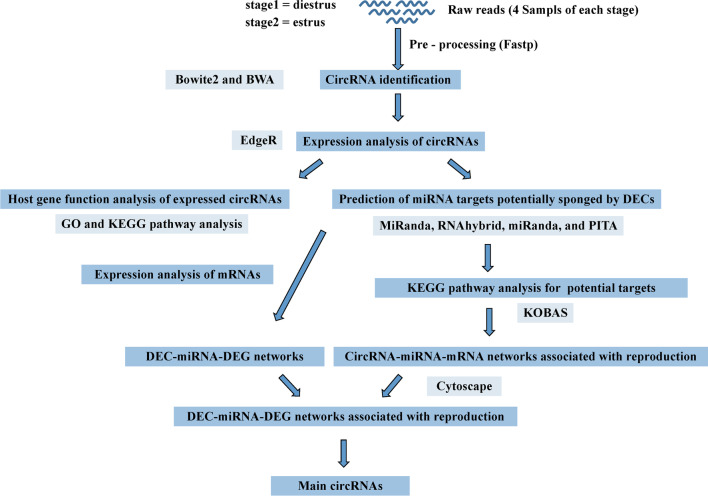
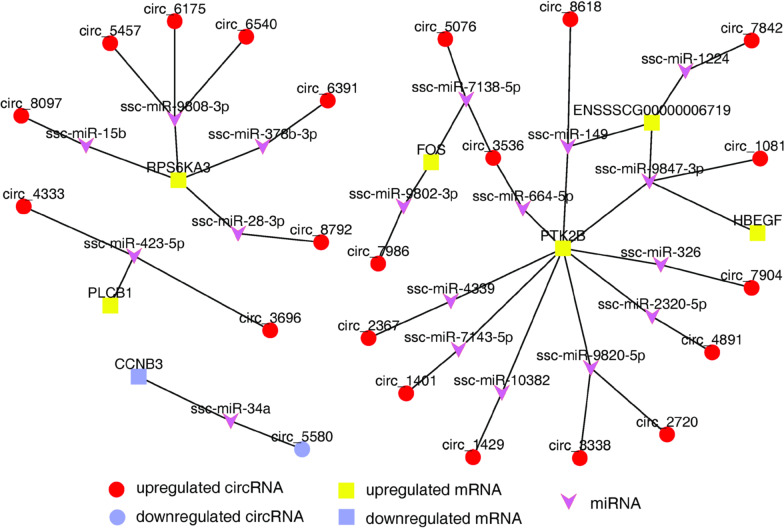
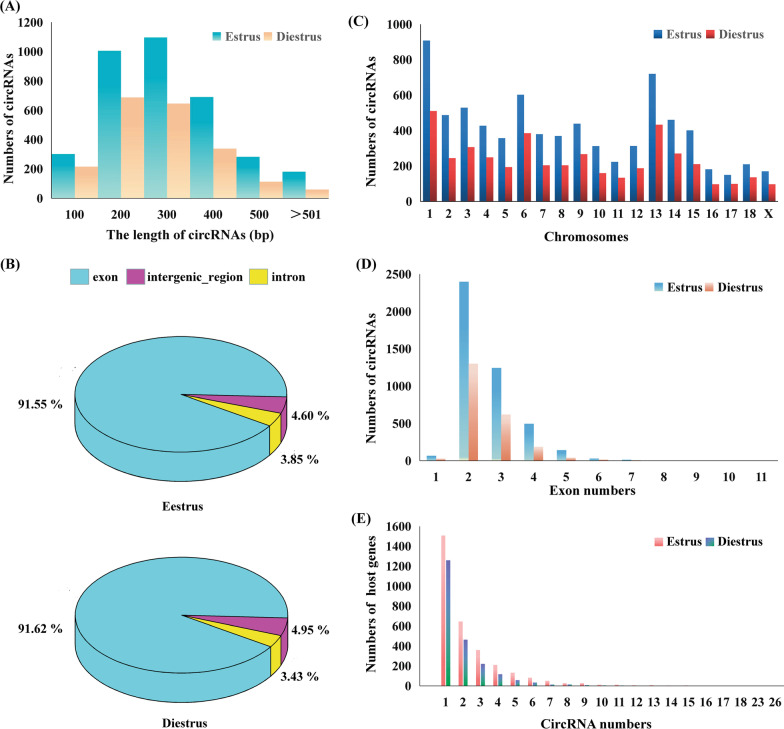
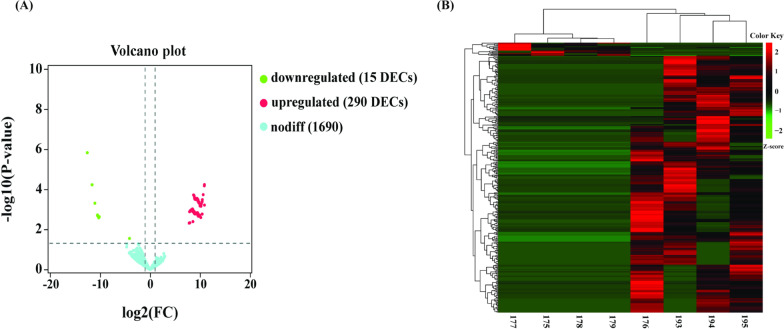
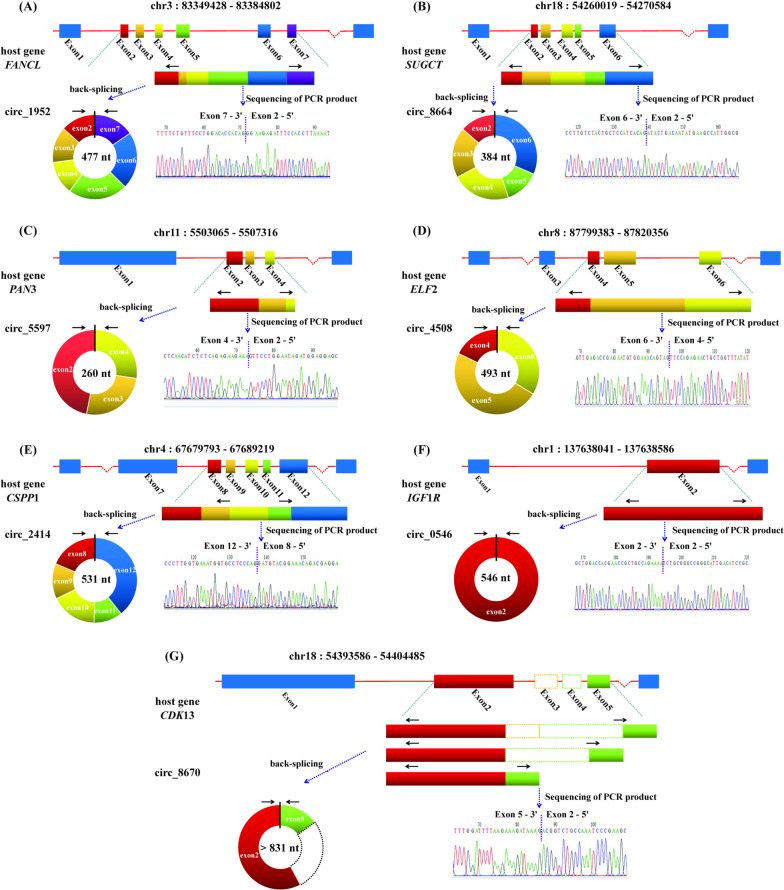
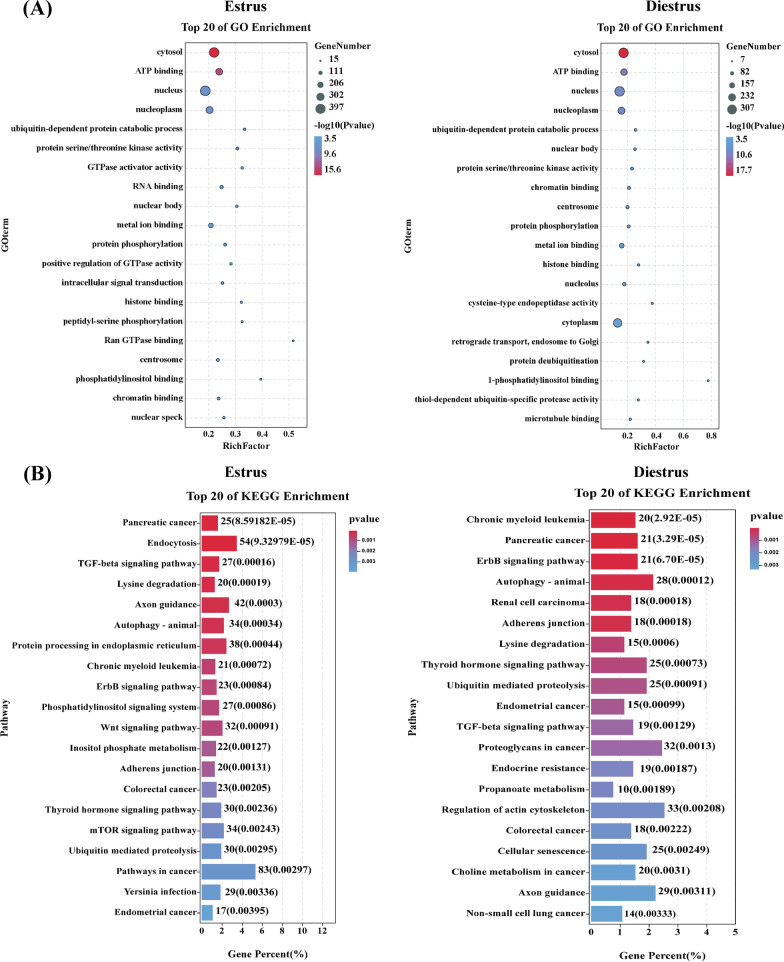
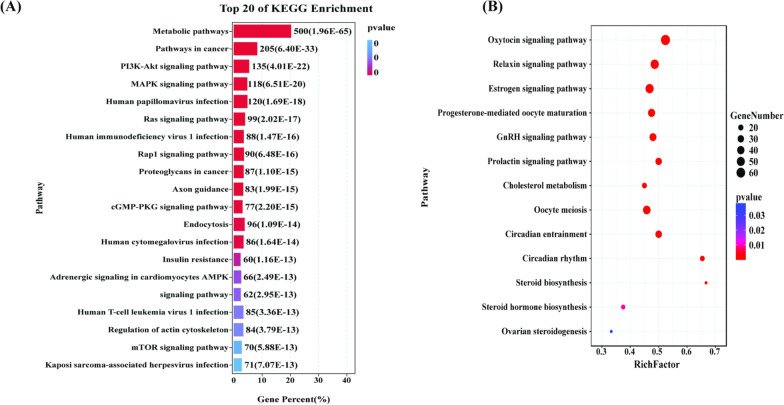
8,937 circRNAs were identified from eight libraries constructed from the ovarian samples of Xiang pig at estrus and diestrus stages by RNA sequencing method. Of which, 1,995 were high confidence circRNAs detected at least two junction reads in each ovary sample and seven circRNAs were validated by RT-PCR method. Furthermore, we identified 290 upregulated and 15 downregulated circRNAs in estrus ovaries. These differentially expressed circRNAs (DECs) derived from 273 host genes. And 207 miRNAs were identified to be targets sponged by 156 DECs with 432 binding sites, containing more than one miRNA binding site in each circRNA. Function enrichment analysis revealed that the host genes and the targets of miRNAs sponged by DECs were enriched in several reproduction-related signaling pathways, such as ovarian steroidogenesis, oocyte maturation, circadian rhythm, estrogen signaling pathway, GnRH signaling pathway, circadian entrainment, and oocyte meiosis. The circRNA-miRNA-mRNA networks revealed that 153 miRNAs interacting with 122 DECs and 86 miRNAs interacting with 84 DECs were involved in ovarian functions and ovarian circadian entrainment and circadian rhythm respectively. The DEC-miRNA-DEG (differentially expressed gene, DEG) networks associated with reproduction-related signaling pathways contained 22 DECs,18 miRNAs and 7 DEGs. 22 DECs were recognized as hub circRNAs during the estrus phase of Xiang pigs.
The circRNAs that function as miRNA sponges could play a key role in post-transcriptional regulation of gene expression during Xiang pig's estrus cycle.
母猪繁殖力是养猪业中一项重要的经济性状。发情周期的分子调控会影响雌性动物的繁殖力。与其他猪品种相比,香猪表现出特殊的发情行为。环状RNA(circRNAs)被认为参与多种生物学过程的调控。然而,circRNAs在香猪卵巢调控发情方面的潜在作用很大程度上尚不清楚。
通过RNA测序方法,从发情期和间情期香猪卵巢样本构建的8个文库中鉴定出8937个circRNAs。其中,1995个是高可信度circRNAs,在每个卵巢样本中至少检测到两个连接 reads,并且通过RT-PCR方法验证了7个circRNAs。此外,我们在发情期卵巢中鉴定出290个上调和15个下调的circRNAs。这些差异表达的circRNAs(DECs)来源于273个宿主基因。并且鉴定出207个miRNAs是156个DECs的靶标,具有432个结合位点,每个circRNA中包含多个miRNA结合位点。功能富集分析表明,DECs海绵化的宿主基因和miRNAs的靶标富集在几个与繁殖相关的信号通路中,如卵巢类固醇生成、卵母细胞成熟、昼夜节律、雌激素信号通路、GnRH信号通路、昼夜节律同步和卵母细胞减数分裂。circRNA-miRNA-mRNA网络表明,分别有153个miRNAs与122个DECs相互作用以及86个miRNAs与84个DECs相互作用,它们分别参与卵巢功能以及卵巢昼夜节律同步和昼夜节律。与繁殖相关信号通路相关的DEC-miRNA-DEG(差异表达基因,DEG)网络包含22个DECs、18个miRNAs和7个DEGs。22个DECs被认为是香猪发情期的枢纽circRNAs。
作为miRNA海绵发挥作用的circRNAs可能在香猪发情周期中基因表达的转录后调控中起关键作用。