Martínez-González José de Jesús, Guevara-Flores Alberto, Del Arenal Mena Irene Patricia
Departamento de Bioquímica, Facultad de Medicina, Universidad Nacional Autónoma de México, Ciudad de Mexico 04510, Mexico.
Antioxidants (Basel). 2022 May 31;11(6):1102. doi: 10.3390/antiox11061102.
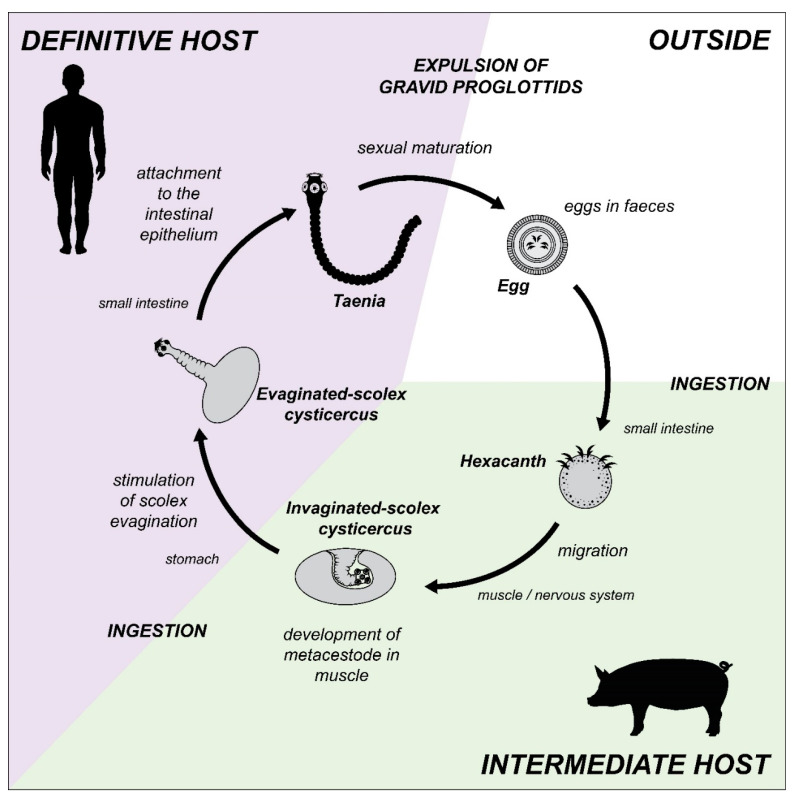
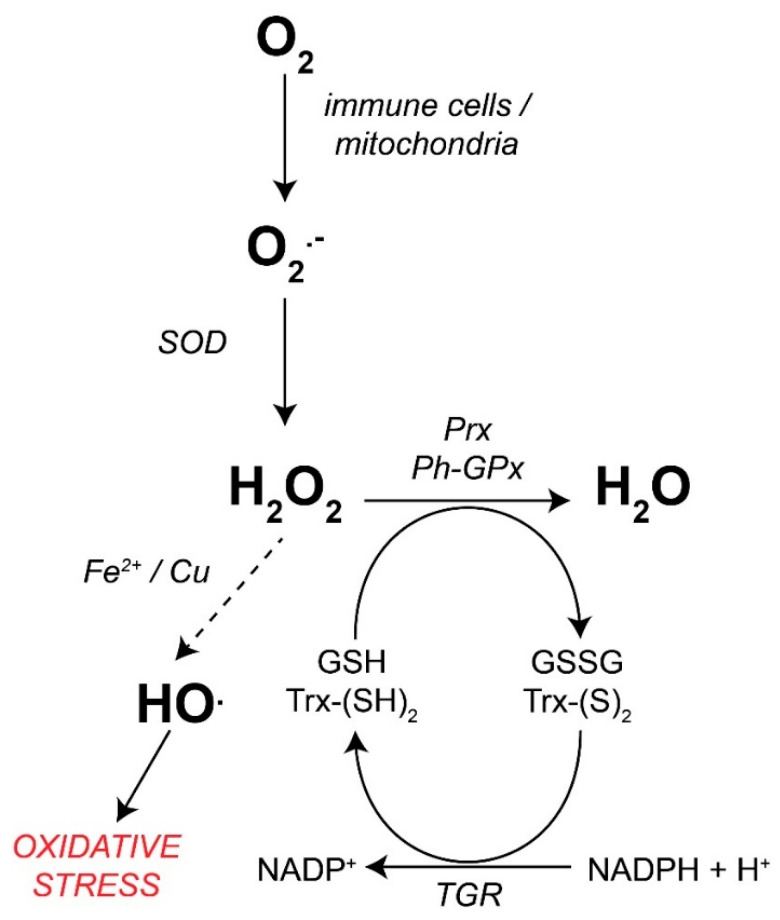
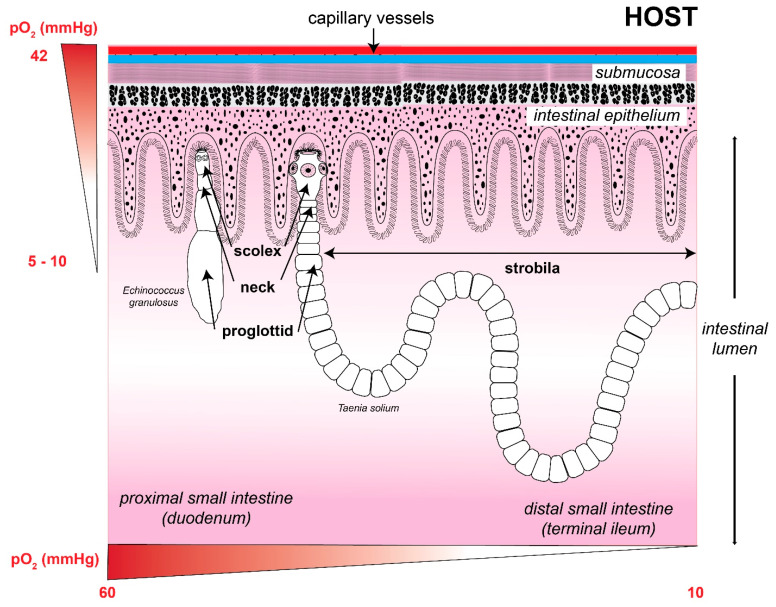
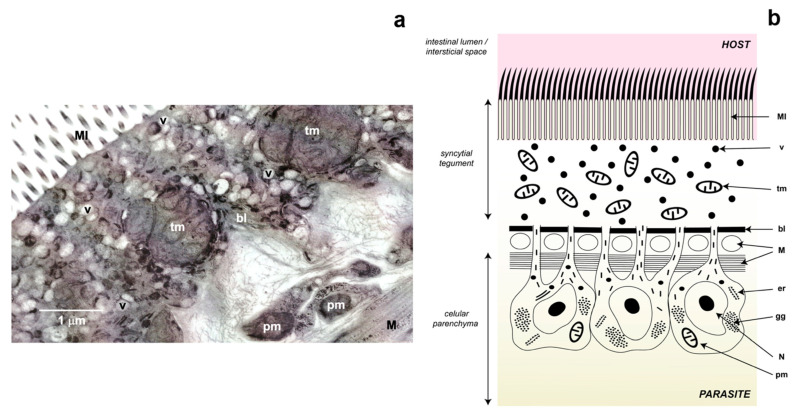
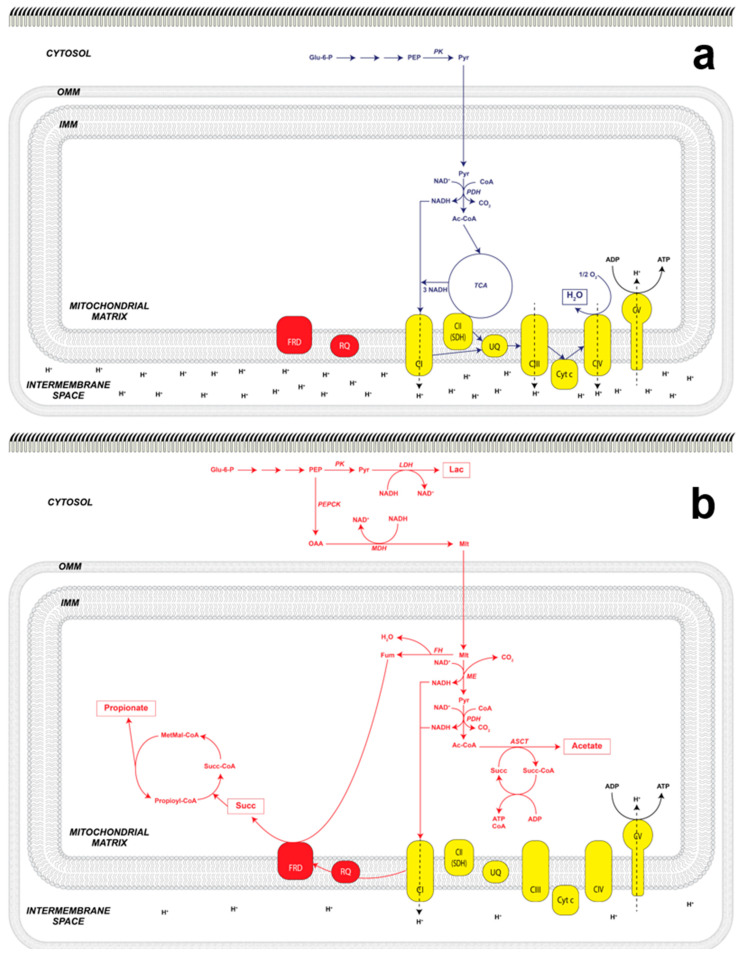
During the evolution of the Earth, the increase in the atmospheric concentration of oxygen gave rise to the development of organisms with aerobic metabolism, which utilized this molecule as the ultimate electron acceptor, whereas other organisms maintained an anaerobic metabolism. Platyhelminthes exhibit both aerobic and anaerobic metabolism depending on the availability of oxygen in their environment and/or due to differential oxygen tensions during certain stages of their life cycle. As these organisms do not have a circulatory system, gas exchange occurs by the passive diffusion through their body wall. Consequently, the flatworms developed several adaptations related to the oxygen gradient that is established between the aerobic tegument and the cellular parenchyma that is mostly anaerobic. Because of the aerobic metabolism, hydrogen peroxide (HO) is produced in abundance. Catalase usually scavenges HO in mammals; however, this enzyme is absent in parasitic platyhelminths. Thus, the architecture of the antioxidant systems is different, depending primarily on the superoxide dismutase, glutathione peroxidase, and peroxiredoxin enzymes represented mainly in the tegument. Here, we discuss the adaptations that parasitic flatworms have developed to be able to transit from the different metabolic conditions to those they are exposed to during their life cycle.
在地球的演化过程中,大气中氧气浓度的增加促使了具有有氧代谢的生物的发展,这些生物利用氧气分子作为最终电子受体,而其他生物则维持无氧代谢。扁形动物根据其环境中氧气的可获得性和/或由于其生命周期某些阶段的不同氧张力,表现出有氧和无氧代谢。由于这些生物没有循环系统,气体交换通过其体壁的被动扩散进行。因此,扁虫发展出了几种与在有氧的体表和大多为无氧的细胞实质之间建立的氧梯度相关的适应性变化。由于有氧代谢,会大量产生过氧化氢(H₂O₂)。过氧化氢酶通常在哺乳动物中清除H₂O₂;然而,这种酶在寄生扁形动物中不存在。因此,抗氧化系统的结构不同,主要取决于主要存在于体表的超氧化物歧化酶、谷胱甘肽过氧化物酶和过氧化物酶。在这里,我们讨论寄生扁虫为了能够从不同的代谢条件过渡到它们在生命周期中所面临的代谢条件而发展出的适应性变化。