Khare Noopur, Maheshwari Sanjiv Kumar, Rizvi Syed Mohd Danish, Albadrani Hind Muteb, Alsagaby Suliman A, Alturaiki Wael, Iqbal Danish, Zia Qamar, Villa Chiara, Jha Saurabh Kumar, Jha Niraj Kumar, Jha Abhimanyu Kumar
Institute of Biosciences and Technology, Shri Ramswaroop Memorial University, Barabanki 225003, Uttar Pradesh, India.
Department of Biotechnology, Dr. A.P.J. Abdul Kalam Technical University, Lucknow 226021, Uttar Pradesh, India.
Brain Sci. 2022 Jun 12;12(6):770. doi: 10.3390/brainsci12060770.
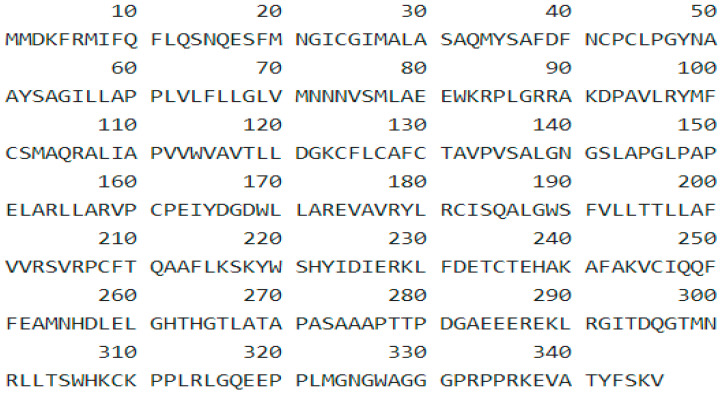
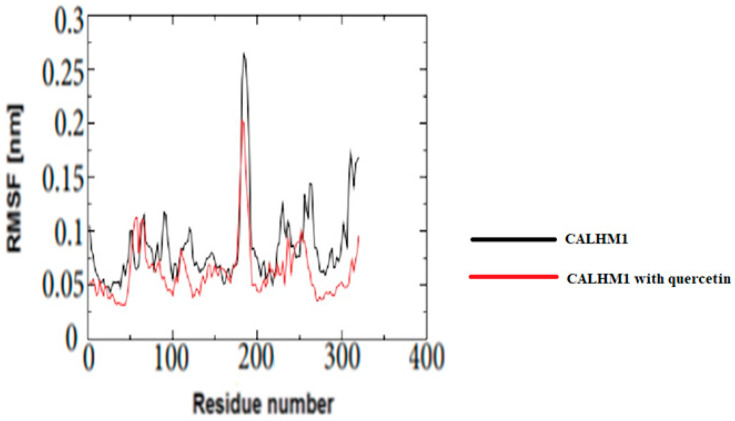
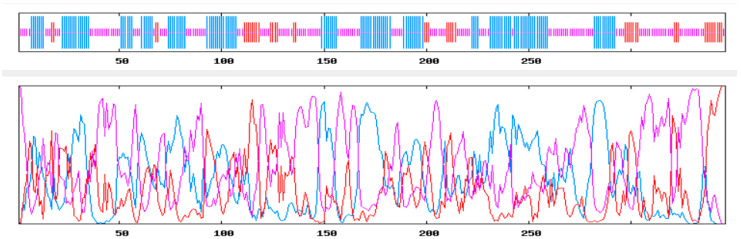
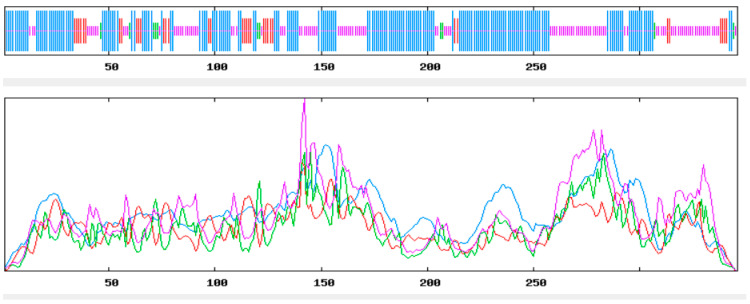
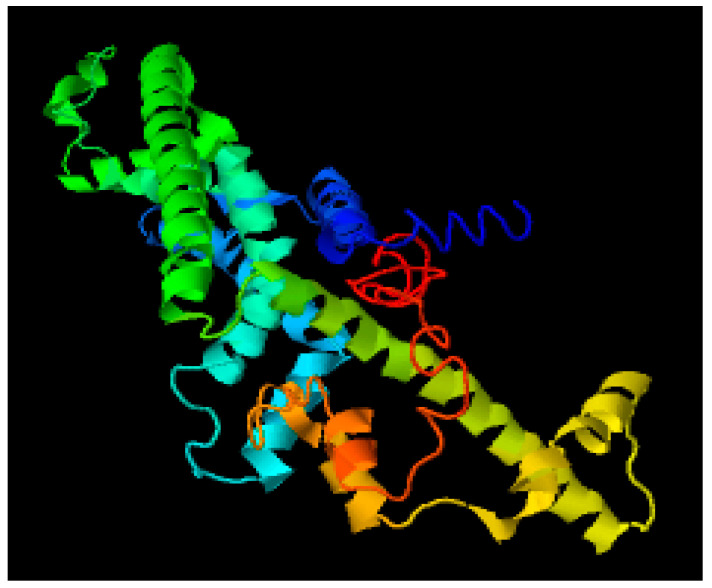
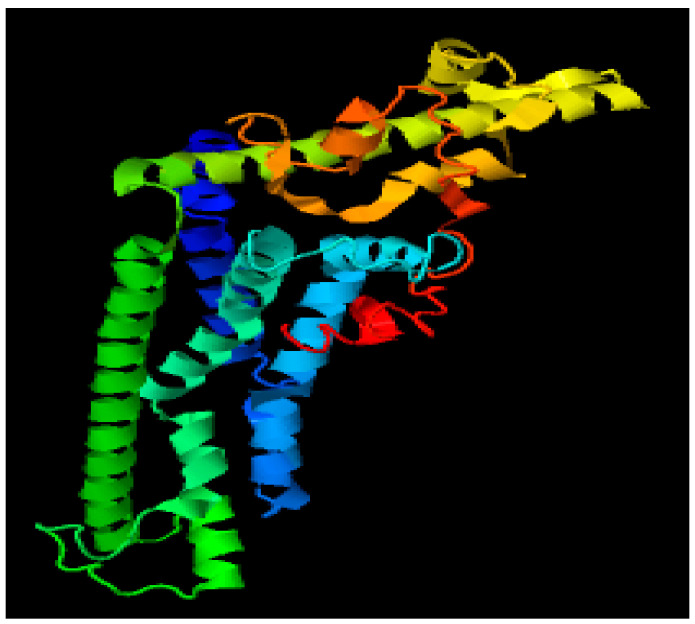
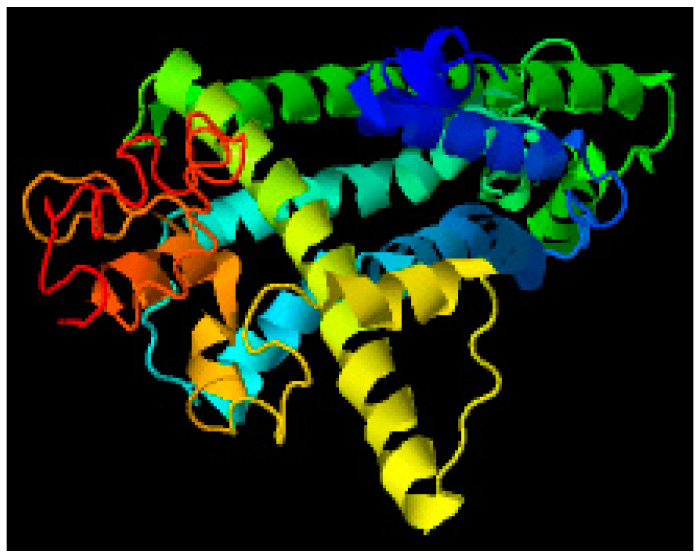
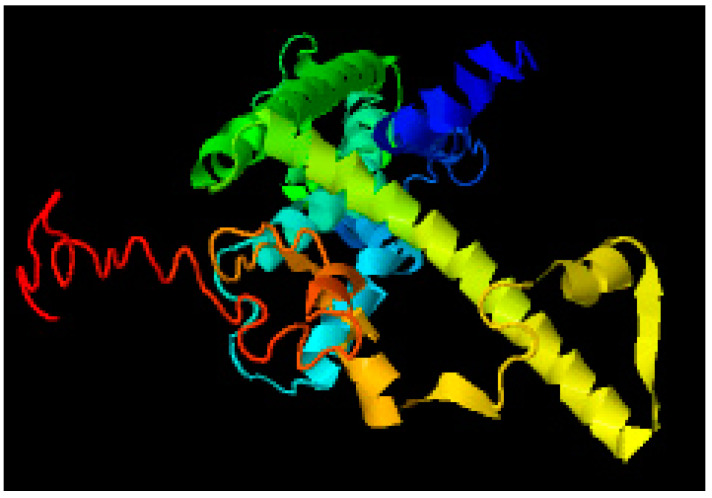
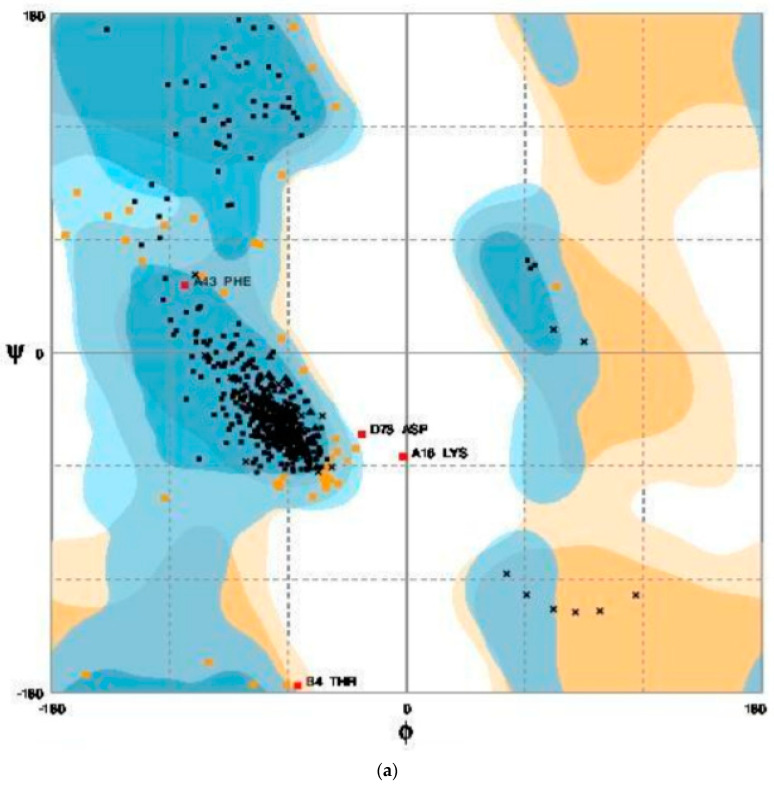
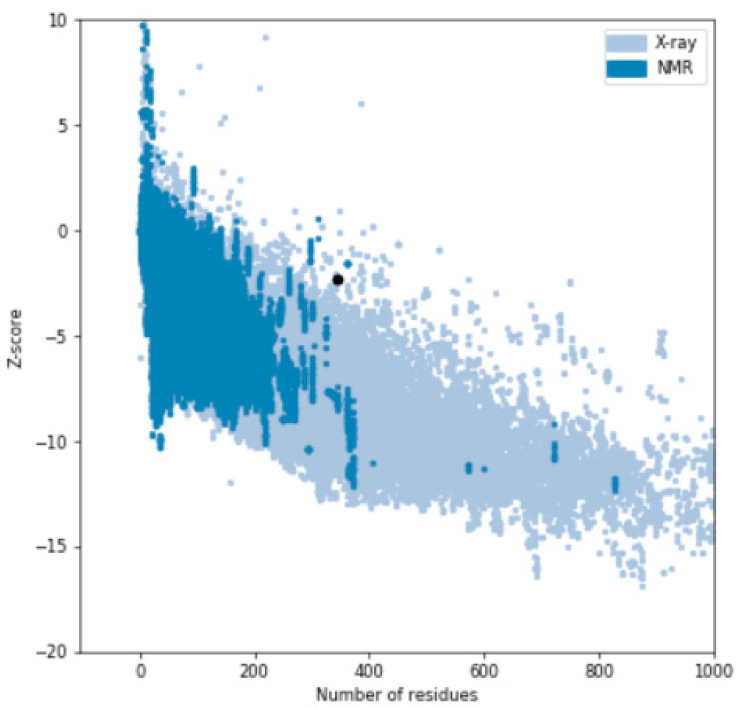
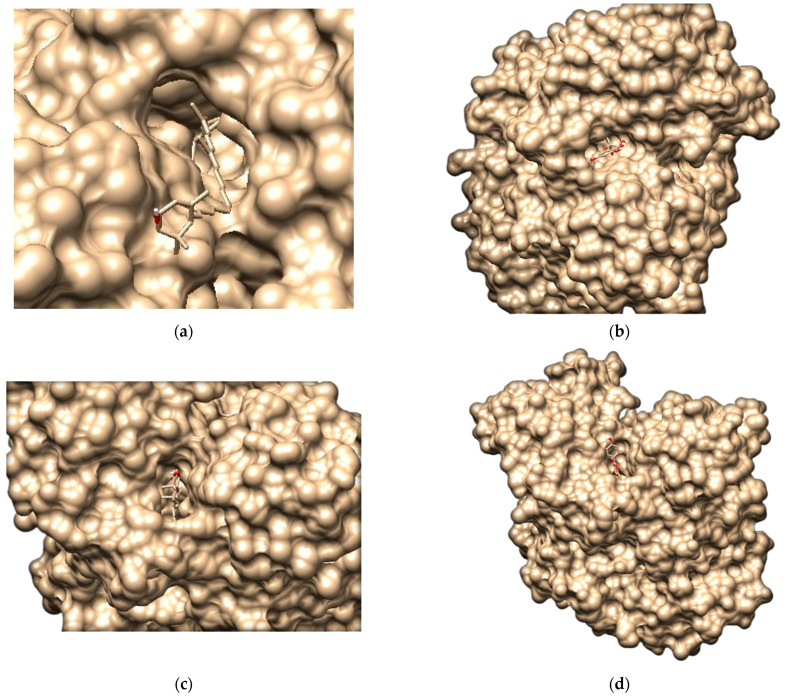
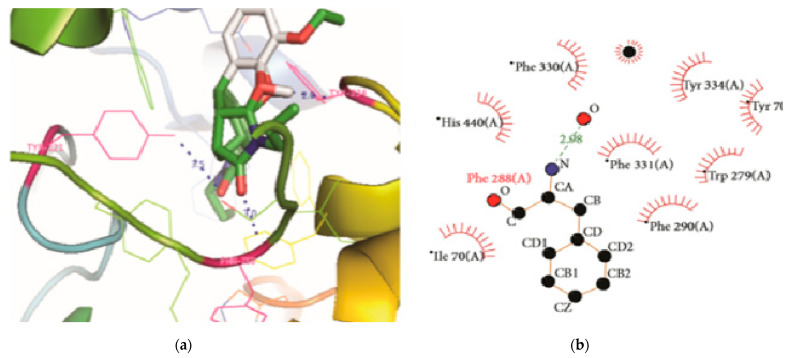
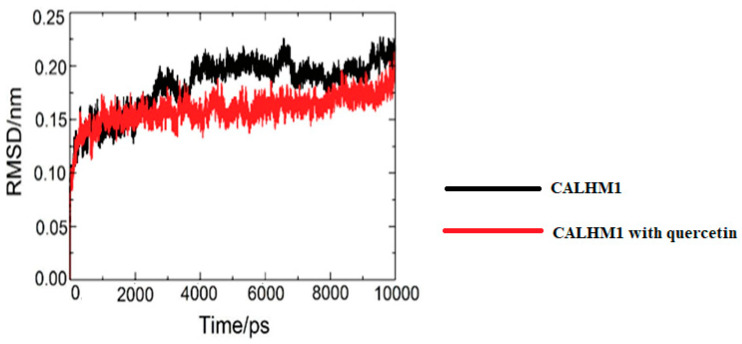
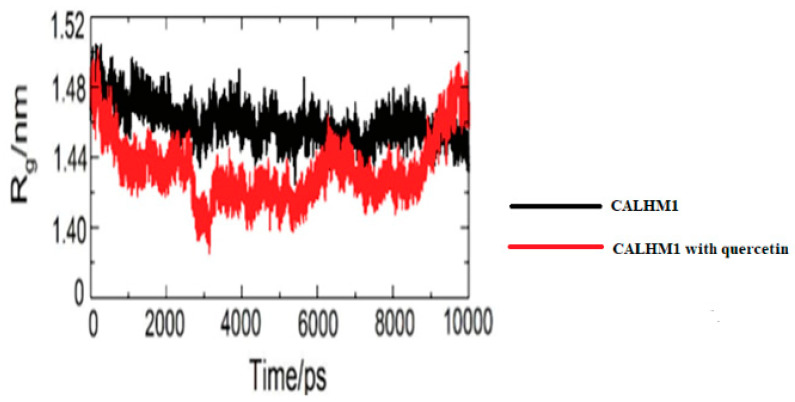
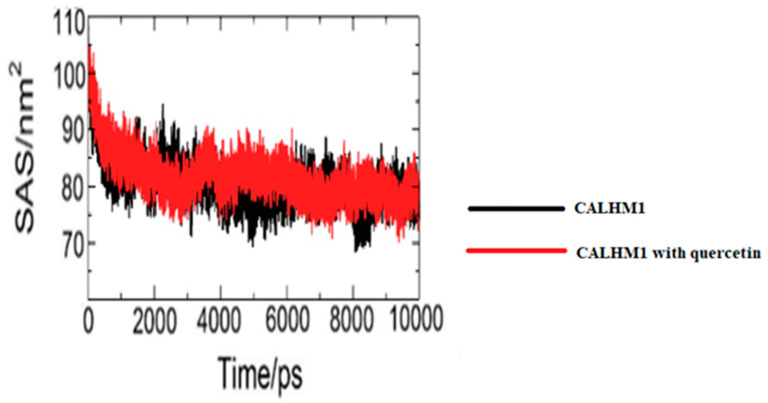
Calcium homeostasis modulator 1 (CALHM1) is a protein responsible for causing Alzheimer's disease. In the absence of an experimentally designed protein molecule, homology modelling was performed. Through homology modelling, different CALHM1 models were generated and validated through Rampage. To carry out further in silico studies, through molecular docking and molecular dynamics simulation experiments, various flavonoids and alkaloids from were utilised as inhibitors to target the protein (CALHM1). The sequence of CALHM1 was retrieved from UniProt and the secondary structure prediction of CALHM1 was done through CFSSP, GOR4, and SOPMA methods. The structure was identified through LOMETS, MUSTER, and MODELLER and finally, the structures were validated through Rampage. plant was used to check the interaction of alkaloids and flavonoids against CALHM1. The protein and protein-ligand complex were also validated through molecular dynamics simulations studies. The model generated through MODELLER software with 6VAM A was used because this model predicted the best results in the Ramachandran plot. Further molecular docking was performed, quercetin was found to be the most appropriate candidate for the protein molecule with the minimum binding energy of -12.45 kcal/mol and their ADME properties were analysed through Molsoft and Molinspiration. Molecular dynamics simulations showed that CALHM1 and CALHM1-quercetin complex became stable at 2500 ps. It may be seen through the study that quercetin may act as a good inhibitor for treatment. With the help of an in silico study, it was easier to analyse the 3D structure of the protein, which may be scrutinized for the best-predicted model. Quercetin may work as a good inhibitor for treating Alzheimer's disease, according to in silico research using molecular docking and molecular dynamics simulations, and future in vitro and in vivo analysis may confirm its effectiveness.
钙稳态调节剂1(CALHM1)是一种引发阿尔茨海默病的蛋白质。在缺乏实验设计的蛋白质分子的情况下,进行了同源建模。通过同源建模,生成了不同的CALHM1模型,并通过Rampage进行了验证。为了开展进一步的计算机模拟研究,通过分子对接和分子动力学模拟实验,利用来自[未提及具体来源]的各种黄酮类化合物和生物碱作为抑制剂来靶向该蛋白质(CALHM1)。CALHM1的序列从UniProt中检索获得,其二级结构预测通过CFSSP、GOR4和SOPMA方法完成。通过LOMETS、MUSTER和MODELLER鉴定结构,最后通过Rampage验证结构。[未提及具体植物名称]植物被用于检测生物碱和黄酮类化合物与CALHM1的相互作用。蛋白质和蛋白质 - 配体复合物也通过分子动力学模拟研究进行了验证。使用通过MODELLER软件生成的与6VAM A的模型,因为该模型在拉氏图中预测结果最佳。进一步进行了分子对接,发现槲皮素是该蛋白质分子最合适的候选物,其最小结合能为 -12.45 kcal/mol,并通过Molsoft和Molinspiration分析了它们的ADME性质。分子动力学模拟表明,CALHM1和CALHM1 - 槲皮素复合物在2500 ps时变得稳定。通过该研究可以看出,槲皮素可能作为一种良好的治疗抑制剂。借助计算机模拟研究,更容易分析蛋白质的三维结构,可对最佳预测模型进行审查。根据使用分子对接和分子动力学模拟的计算机模拟研究,槲皮素可能作为治疗阿尔茨海默病的良好抑制剂,未来的体外和体内分析可能会证实其有效性。