Department of Reconstructive Surgery and Hand Surgery, University Hospital (AOU Ospedali Riuniti di Ancona), Via Conca 71, 60126 Ancona, Italy.
Department of Plastic and Reconstructive Surgery, Faculty of Medicine, Fukuoka University, Fukuoka 814-0180, Japan.
Medicina (Kaunas). 2022 Jun 20;58(6):835. doi: 10.3390/medicina58060835.
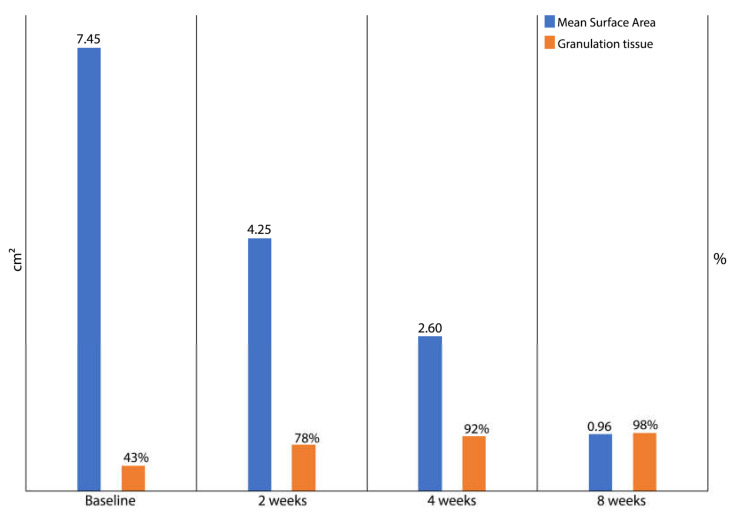
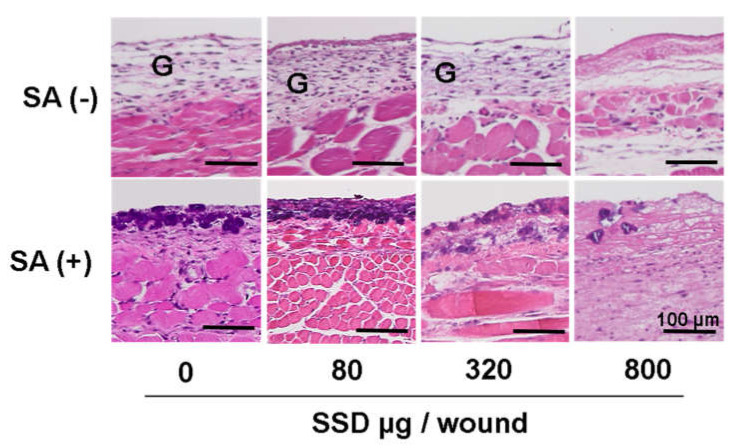
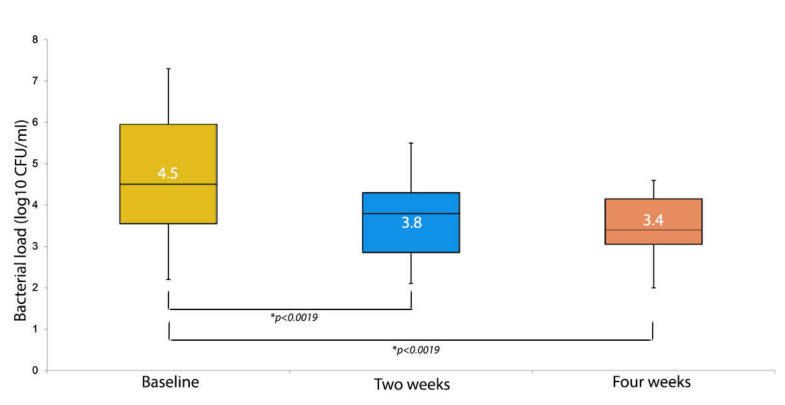
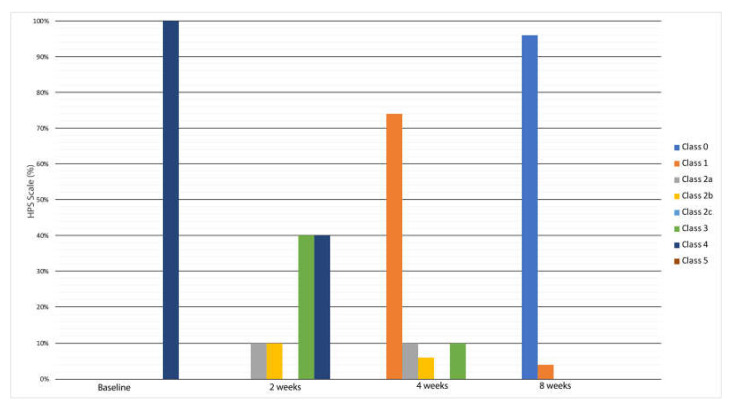
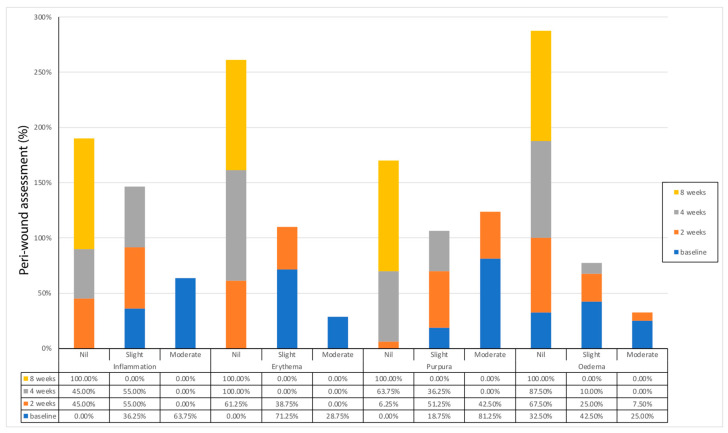
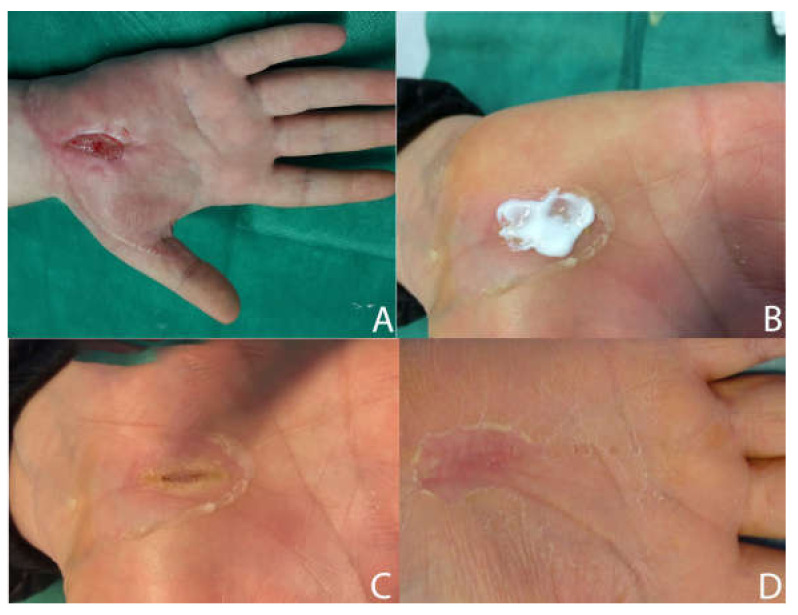
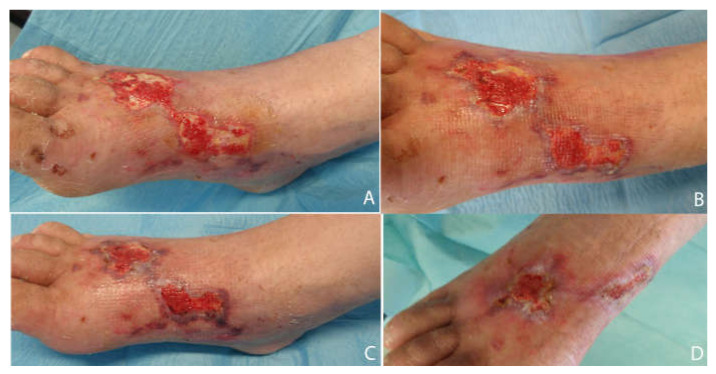
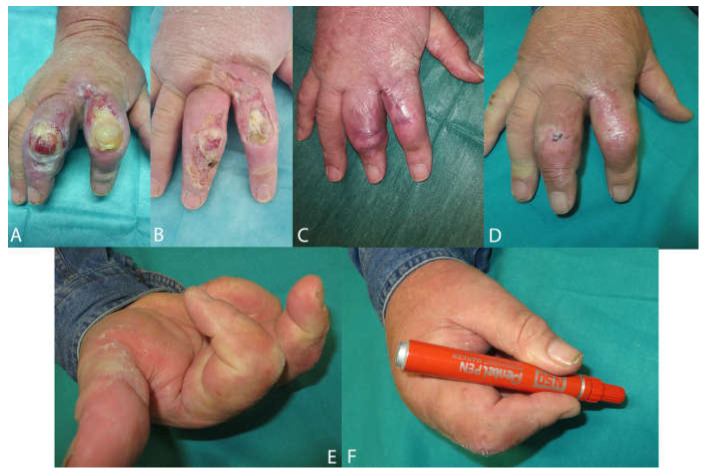
Background and Objectives: Wound healing is commonly associated with critical bacterial colonization or bacterial infection, which induces prolonged inflammation, resulting in delayed re-epithelialization. An appropriate wound dressing requires a humid environment, which also functions as a barrier against bacterial contamination and will accelerate a regenerative response of the wound. Silver sulfadiazine (SSD) is used to prevent wound infection. Hyaluronic acid (HA) is an extracellular matrix component involved in tissue regeneration. This retrospective study was conducted to evaluate the effectiveness of cream and gauze pads based on hyaluronic acid at low molecular weight (200 kDa) and silver sulfadiazine 1% in the wound healing process. In addition, we examined SSD action on biofilms in vitro and on animal wounds, obtaining positive outcomes therefrom. Materials and Methods: We selected 80 patients with complicated chronic wounds of different etiologies, including diabetes mellitus (10), post-traumatic ulcers (45), burns (15), and superficial abrasion (10). Results: After 8 weeks, ulcer size was decreased in 95 ± 2% of the treated patients; a significant reduction in the inflammatory process was observed from day 14 onwards (p < 0.01 vs. baseline), considering improvement of the surrounding skin and reduction of the bacterial load. The SSD treatment decreased bacterial colony proliferation, both in planktonic state and in biofilm, in a dose-dependent manner on the wound but inhibited the development of tissue granulation at the highest dose (800 μg/wound). Conclusions: In conclusion, the combined action of SSD and HA is clinically effective in improving wound healing.
伤口愈合通常与严重的细菌定植或细菌感染有关,这会引发长期炎症,导致上皮细胞再形成延迟。适当的伤口敷料需要保持湿润的环境,这也可以作为防止细菌污染的屏障,并加速伤口的再生反应。磺胺嘧啶银(SSD)用于预防伤口感染。透明质酸(HA)是一种参与组织再生的细胞外基质成分。本回顾性研究旨在评估基于低分子量(200kDa)HA 和 1% SSD 的乳膏和纱布垫在伤口愈合过程中的有效性。此外,我们还研究了 SSD 在体外生物膜和动物伤口上的作用,获得了积极的结果。材料与方法:我们选择了 80 名患有不同病因的复杂慢性伤口的患者,包括糖尿病(10 名)、创伤后溃疡(45 名)、烧伤(15 名)和浅表擦伤(10 名)。结果:8 周后,治疗患者的溃疡面积缩小了 95 ± 2%;从第 14 天开始,炎症过程明显减轻(p < 0.01 与基线相比),考虑到周围皮肤的改善和细菌负荷的减少。SSD 治疗以剂量依赖性方式减少了浮游状态和生物膜中的细菌菌落增殖,在伤口上,但在最高剂量(800μg/伤口)时抑制了组织肉芽形成的发展。结论:综上所述,SSD 和 HA 的联合作用在改善伤口愈合方面具有临床疗效。