Alhakamy Nabil A, Caruso Giuseppe, Privitera Anna, Ahmed Osama A A, Fahmy Usama A, Md Shadab, Mohamed Gamal A, Ibrahim Sabrin R M, Eid Basma G, Abdel-Naim Ashraf B, Caraci Filippo
Department of Pharmaceutics, Faculty of Pharmacy, King Abdulaziz University, Jeddah 21589, Saudi Arabia.
Advanced Drug Delivery Research Group, Faculty of Pharmacy, King Abdulaziz University, Jeddah 21589, Saudi Arabia.
Pharmaceutics. 2022 May 26;14(6):1133. doi: 10.3390/pharmaceutics14061133.
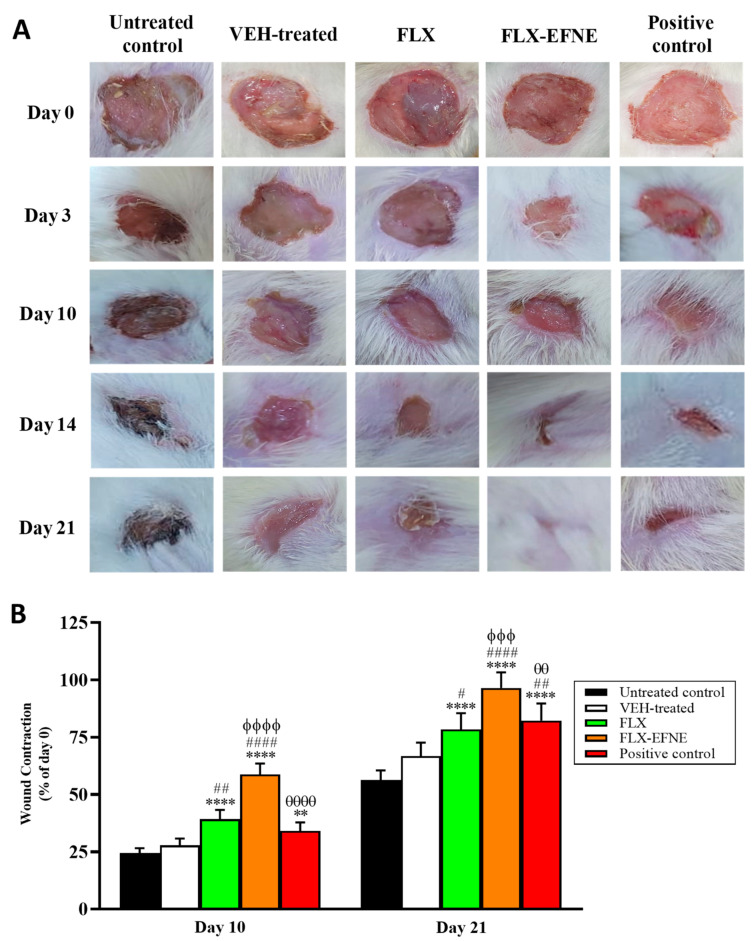
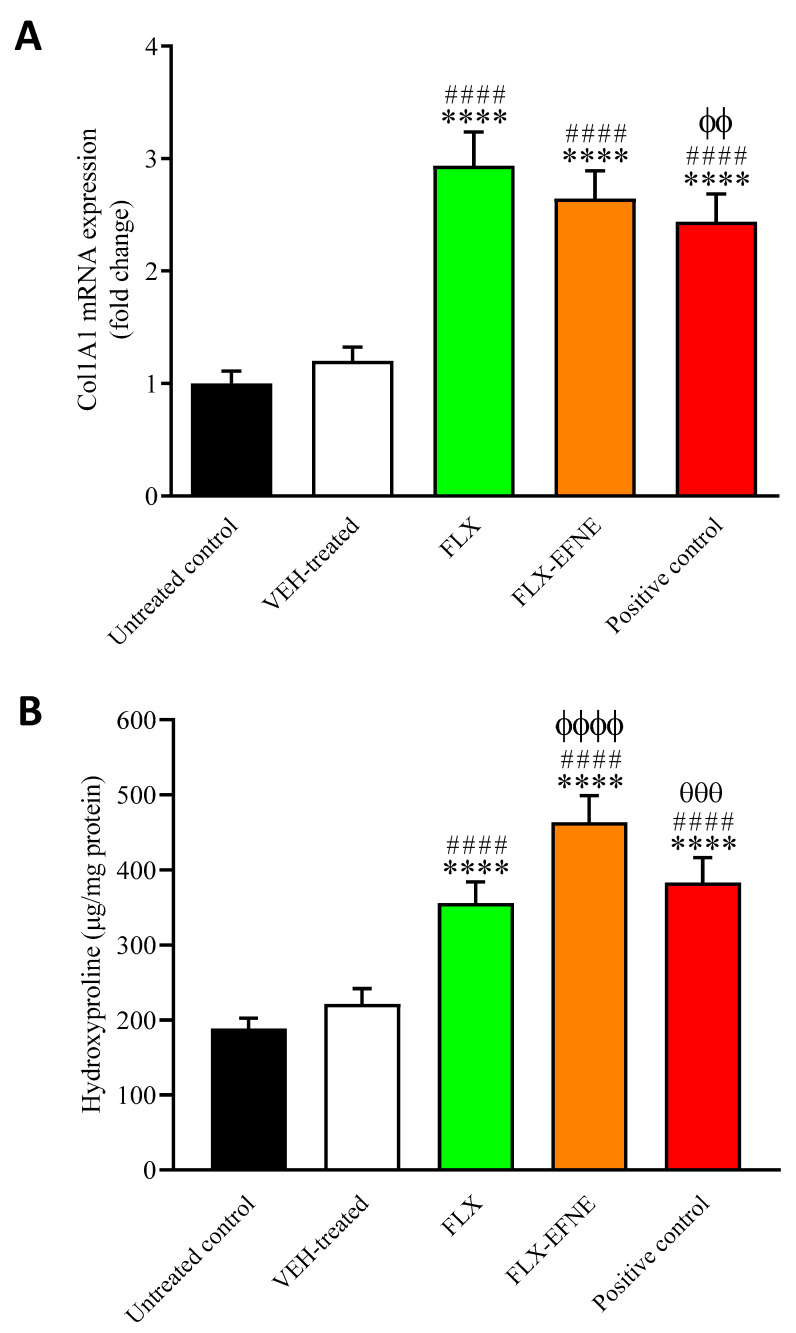
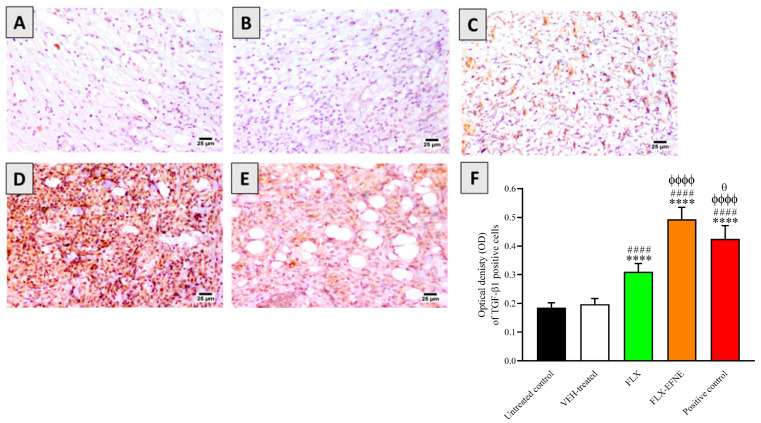
Impaired diabetic wound healing is a major concern for health care professionals worldwide, imposing an intense financial burden and reducing the quality of life of patients. A dysregulation of this process can be responsible for the development of intractable ulcers and the formation of excessive scars. Therefore, the identification of novel pharmacological strategies able to promote wound healing and restore the mechanical integrity of injured tissue becomes essential. In the present study, fluoxetine ecofriendly nanoemulsion (FLX-EFNE) was prepared and its potential efficacy in enhancing wound healing was tested in diabetic rats. The Box-Behnken response surface design was used to select the optimized formulation that was prepared by the high-shear homogenization-based technique. A Zetasizer was used for the characterization of the optimized formulation, providing a FLX-EFNE with a globule size of 199 nm. For the in vivo study, a wound was induced by surgical methods, and diabetic rats (streptozotocin-induced) were divided into five groups: untreated control, vehicle-treated, FLX, FLX-EFNE, and positive control receiving a commercially available formula. The treatment continued from the day of wound induction to day 21. Then, the animals were sacrificed and skin tissues were collected at the site of wounding and used for biochemical, histopathological, immunohistochemical, and mRNA expression assessments. In the FLX-EFNE treated group, the rate of wound contraction and signs of healing were significantly higher compared to all other groups. In addition, angiogenesis, proliferation, and collagen deposition were enhanced, while oxidative stress and inflammation decreased. The present data highlight the enhanced wound healing activity of the optimized FLX-EFNE formulation.
糖尿病伤口愈合受损是全球医疗保健专业人员主要关注的问题,它带来了沉重的经济负担并降低了患者的生活质量。这一过程的失调可能导致顽固性溃疡的发展和过度瘢痕的形成。因此,确定能够促进伤口愈合并恢复受损组织机械完整性的新型药理学策略变得至关重要。在本研究中,制备了氟西汀环保纳米乳剂(FLX-EFNE),并在糖尿病大鼠中测试了其促进伤口愈合的潜在功效。采用Box-Behnken响应面设计来选择通过基于高剪切均质化技术制备的优化配方。使用Zetasizer对优化配方进行表征,得到了粒径为199nm的FLX-EFNE。在体内研究中,通过手术方法诱导伤口,将糖尿病大鼠(链脲佐菌素诱导)分为五组:未治疗对照组、赋形剂治疗组、FLX组、FLX-EFNE组和接受市售配方的阳性对照组。治疗从伤口诱导当天持续到第21天。然后,处死动物,在伤口部位收集皮肤组织,用于生化、组织病理学、免疫组织化学和mRNA表达评估。在FLX-EFNE治疗组中,伤口收缩率和愈合迹象明显高于所有其他组。此外,血管生成、增殖和胶原蛋白沉积增强,而氧化应激和炎症减少。目前的数据突出了优化的FLX-EFNE配方增强的伤口愈合活性。