Lephart Edwin D, Naftolin Frederick
Department of Cell Biology, Physiology and The Neuroscience Center LS 4005, College of Life Sciences, Brigham Young University, Provo, UT, 84602, USA.
e-Bio Corp., 4 Stonewall Lane, Woodbridge, CT, 06525, USA.
Dermatol Ther (Heidelb). 2022 Jul;12(7):1535-1550. doi: 10.1007/s13555-022-00759-1. Epub 2022 Jun 25.
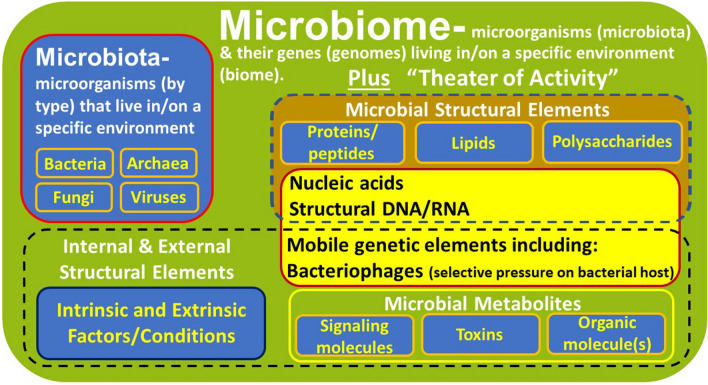
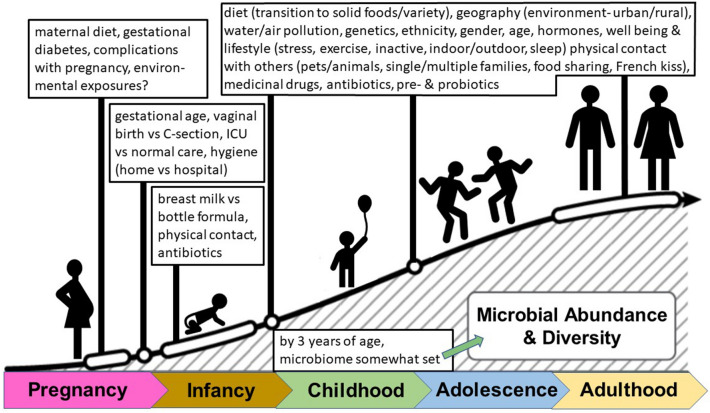
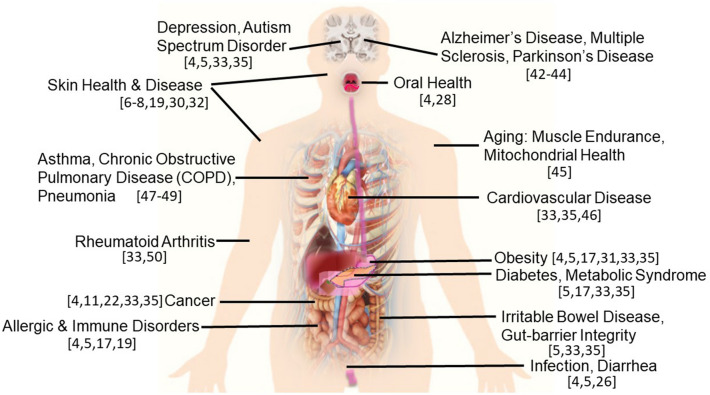
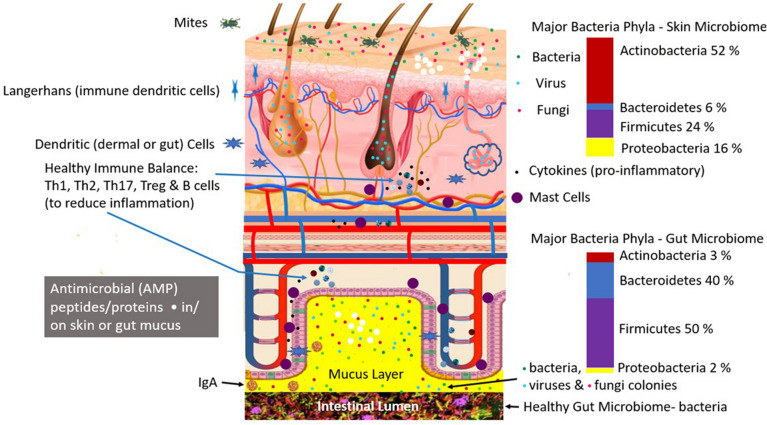
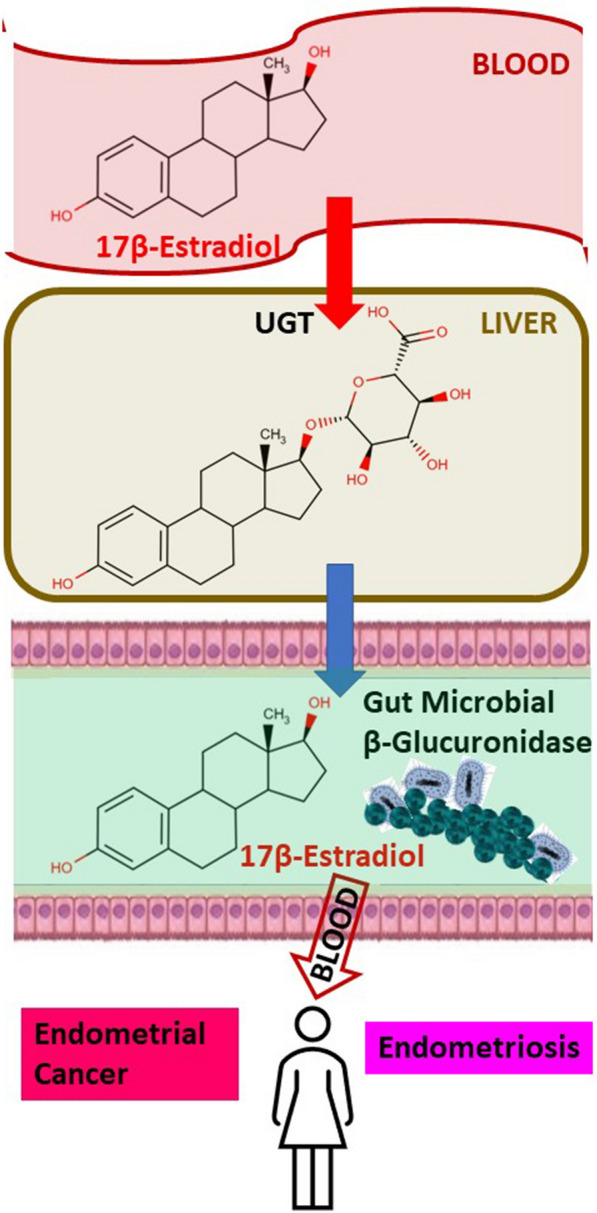
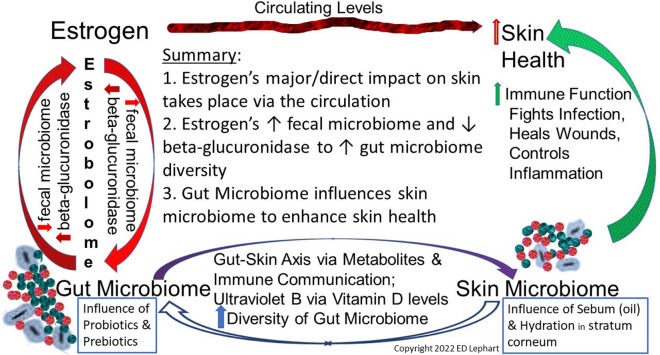
Emerging scientific advances in microbial research linking estrogens and the gut-skin microbiome in reference to dermal health are featured in this narrative review of journal reports and reviews from January 2018 through February 2022. Background information on advances in microbial research along with defining the microbiota and microbiome is presented in brief. The development of and factors that influence the gut microbiome in health and disease as well as the intrinsic and extrinsic factors influencing the skin microbiome and skin aging are summarized. New information on the development and changes of organ microbiomes have exposed similarities between skin and gut structure/function, microbial components/diversity/taxonomy and how they impact the immune response for combating disease and enhancing wellness. Estrogens promote health and support homeostasis in general and directly impact dermal health. Moreover, the gut, based upon the level of the microbial enzyme β-glucuronidase, which regulates estrogen's enterohepatic recirculation, constitutes a gut-skin microbial axis. This axis revolves around the systemically available estrogen to support immune function, counteract inflammation and oxidative stress, and decrease the risk of hormone-dependent skin cancers. These data support the direct effect of estrogens on skin health and the interaction of diet on dermal health via effects on the gut microflora. Finally, the potential for bioactive botanicals containing phytoestrogens or selective estrogen receptor modulators (SERMs) to evade the effects of gut β-glucuronidase expressing flora is proposed that may have a positive impact on skin.
本叙述性综述对2018年1月至2022年2月期间的期刊报告和综述进行了总结,重点介绍了微生物研究方面新出现的科学进展,这些进展将雌激素与肠道-皮肤微生物群与皮肤健康联系起来。简要介绍了微生物研究进展的背景信息以及微生物群和微生物组的定义。总结了健康和疾病状态下肠道微生物组的发育及影响因素,以及影响皮肤微生物组和皮肤衰老的内在和外在因素。关于器官微生物组发育和变化的新信息揭示了皮肤和肠道在结构/功能、微生物组成/多样性/分类学方面的相似性,以及它们如何影响对抗疾病和促进健康的免疫反应。雌激素总体上促进健康并维持体内平衡,直接影响皮肤健康。此外,基于调节雌激素肝肠循环的微生物酶β-葡萄糖醛酸酶水平,肠道构成了肠道-皮肤微生物轴。该轴围绕全身可利用的雌激素展开,以支持免疫功能、对抗炎症和氧化应激,并降低激素依赖性皮肤癌的风险。这些数据支持了雌激素对皮肤健康的直接影响以及饮食通过对肠道微生物群的作用对皮肤健康的影响。最后,提出了含有植物雌激素或选择性雌激素受体调节剂(SERM)的生物活性植物药可能规避表达肠道β-葡萄糖醛酸酶菌群影响的可能性,这可能对皮肤产生积极影响。