He Wenjun, Wang Yanming, Yang Rui, Ma Huihui, Qin Xuqing, Yan Meijuan, Rong Yi, Xie Yufang, Li Li, Si Junqiang, Li Xinzhi, Ma Ketao
Key Laboratory of Xinjiang Endemic and Ethnic Diseases, Ministry of Education, Shihezi University School of Medicine, Shihezi, China.
NHC Key Laboratory of Prevention and Treatment of Central Asia High Incidence Diseases, First Affiliated Hospital, Shihezi University School of Medicine, Shihezi, China.
Front Pharmacol. 2022 Jun 9;13:862709. doi: 10.3389/fphar.2022.862709. eCollection 2022.
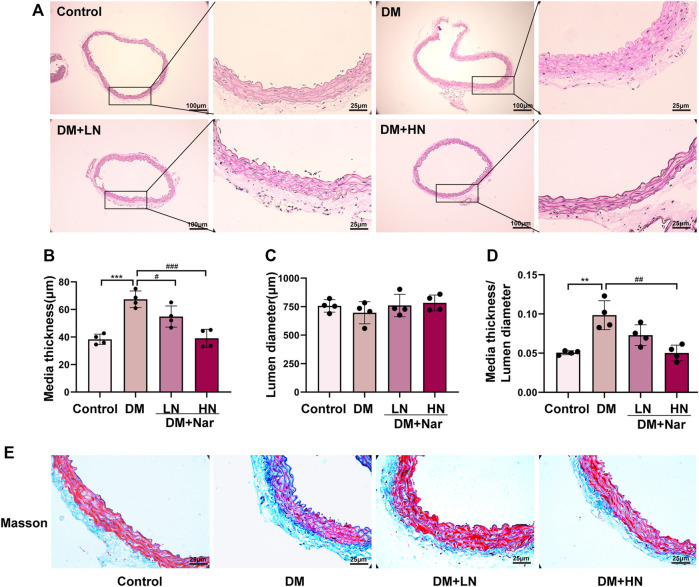
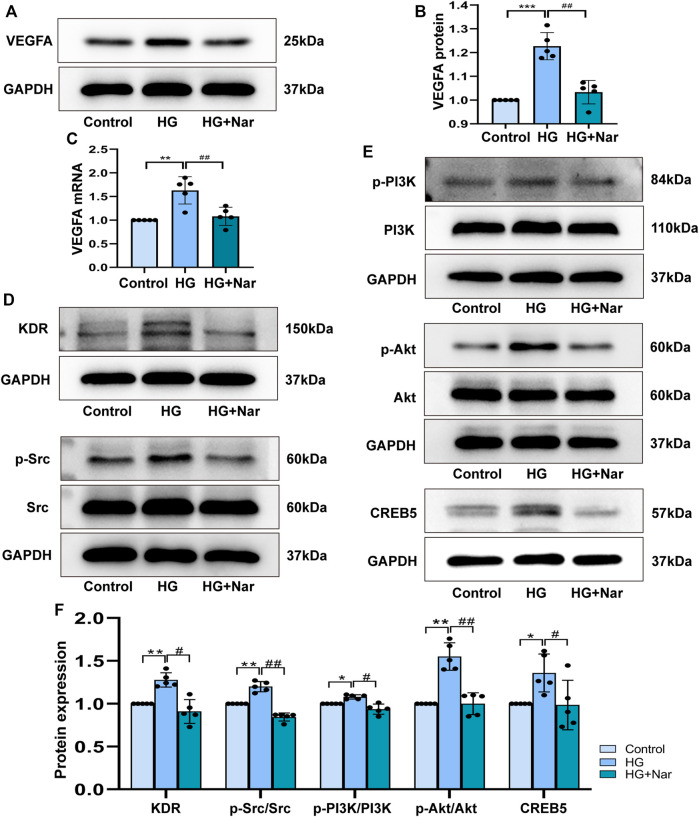
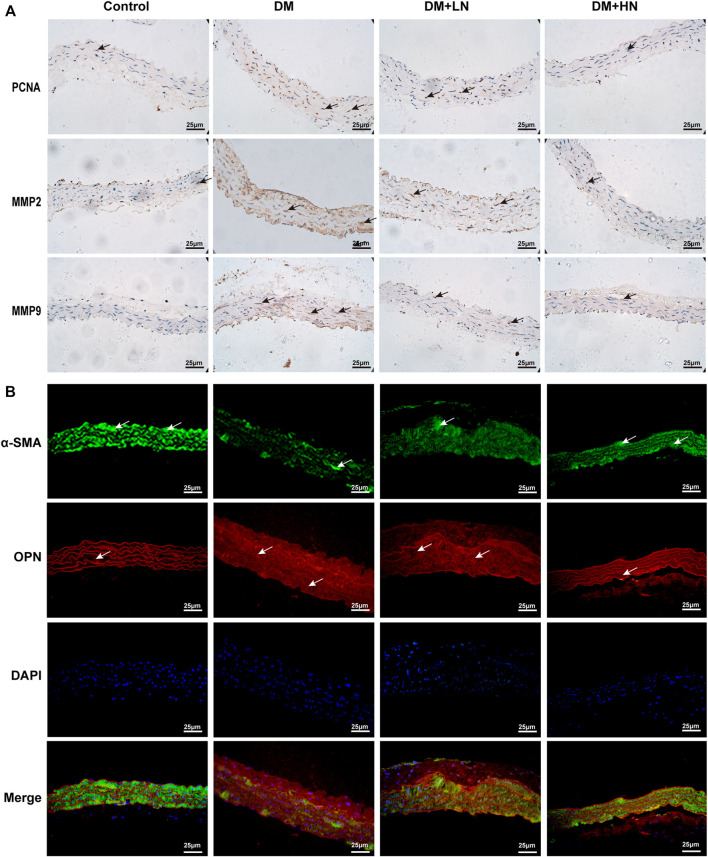
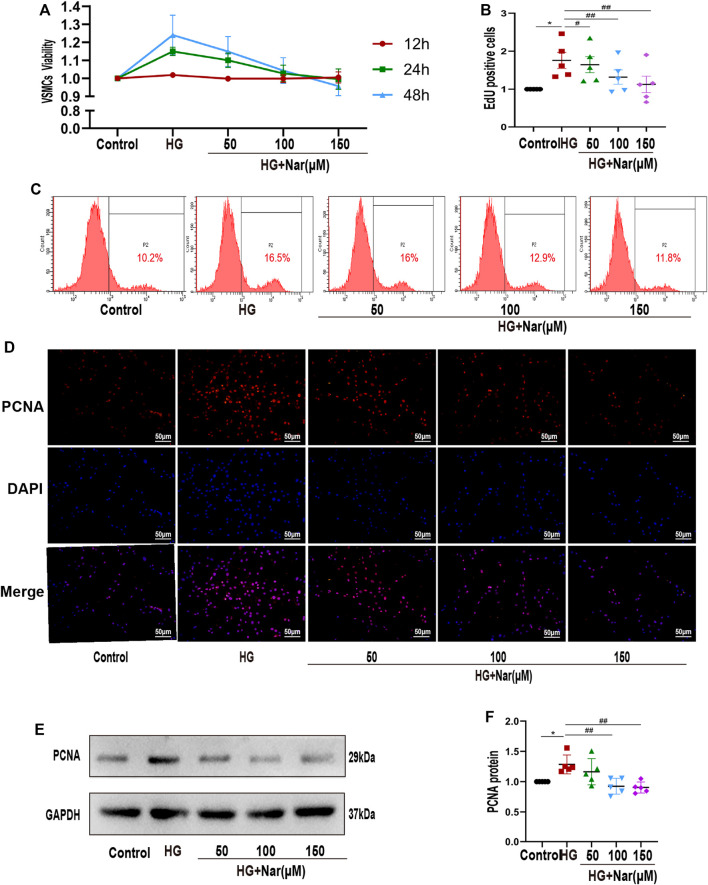
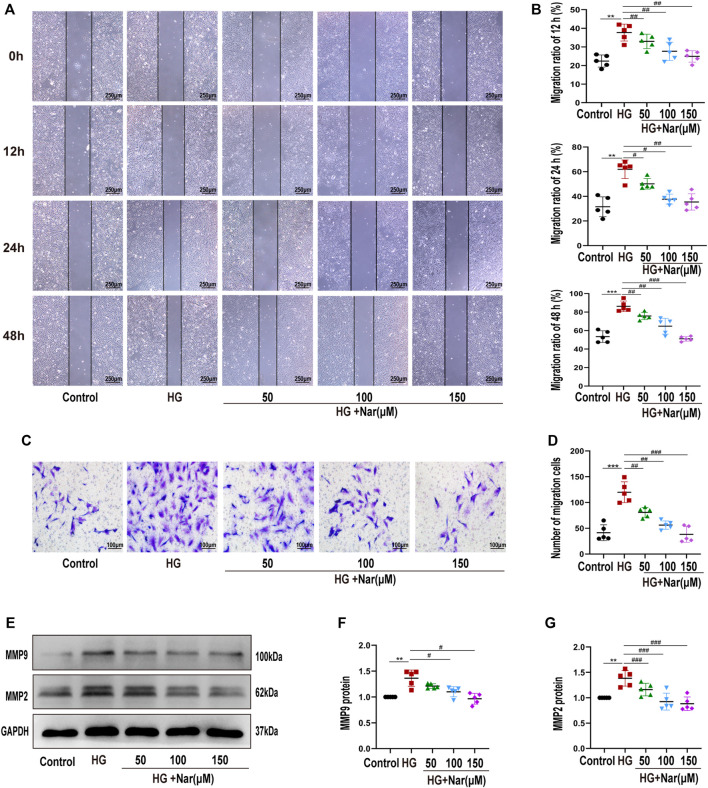
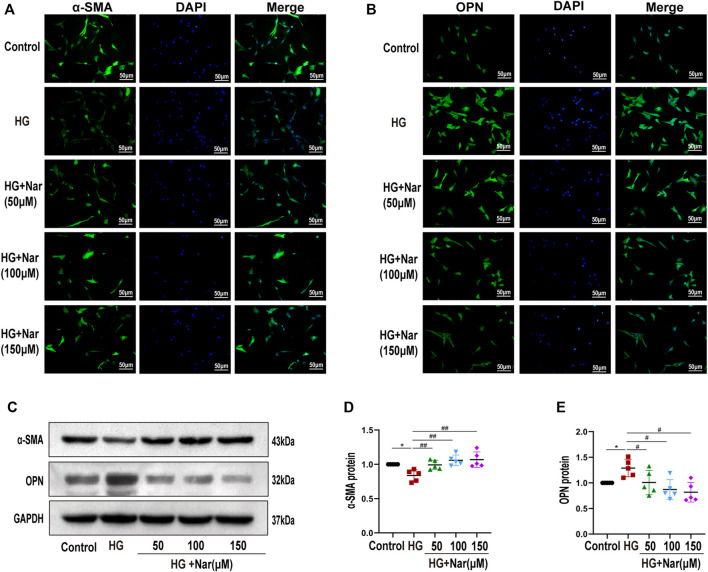
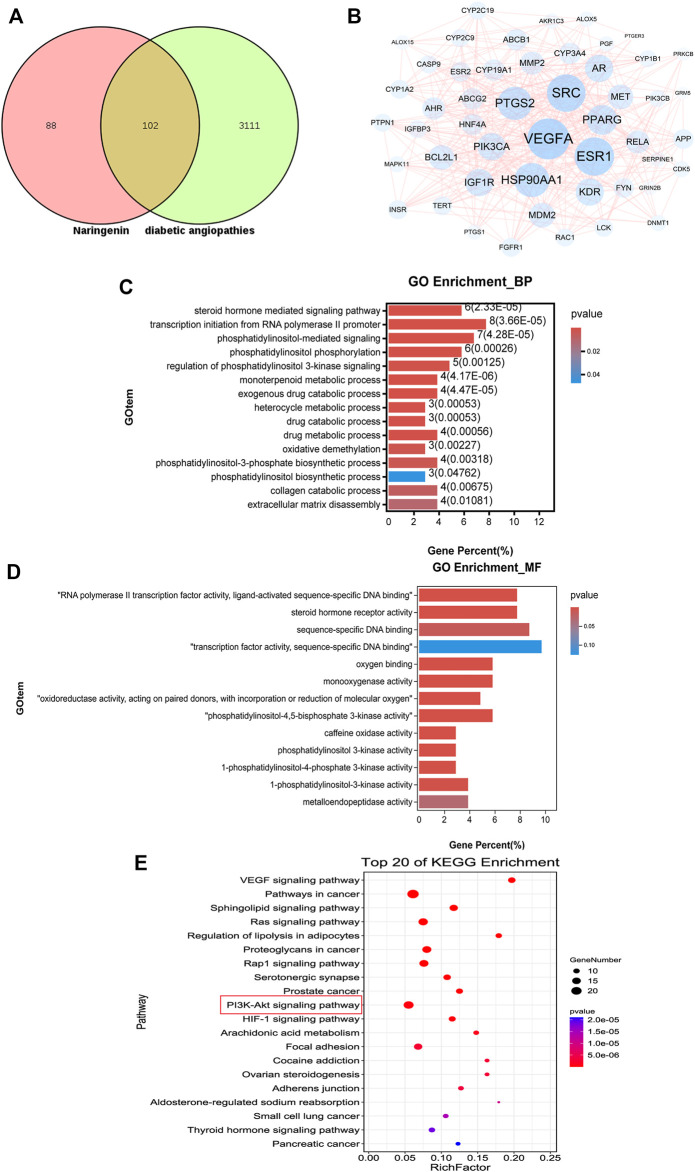
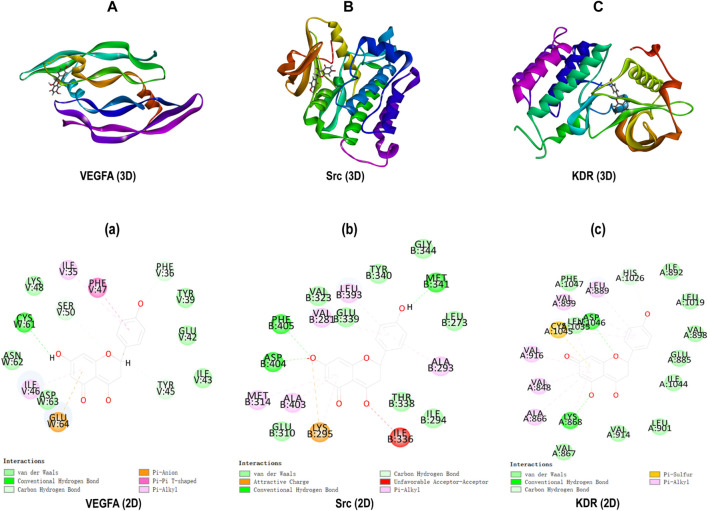
Although the protective effects of naringenin (Nar) on vascular smooth muscle cells (VSMCs) have been confirmed, whether it has anti-proliferation and anti-migration effects in high-glucose-induced VSMCs has remained unclear. This study aimed to clarify the potential targets and molecular mechanism of Nar when used to treat high-glucose-induced vasculopathy based on transcriptomics, network pharmacology, molecular docking, and and assays. We found that Nar has visible anti-proliferation and anti-migration effects both (high-glucose-induced VSMC proliferation and migration model) and (type 1 diabetes mouse model). Based on the results of network pharmacology and molecular docking, vascular endothelial growth factor A (VEGFA), the proto-oncogene tyrosine-protein kinase Src (Src) and the kinase insert domain receptor (KDR) are the core targets of Nar when used to treat diabetic angiopathies, according to the degree value and the docking score of the three core genes. Interestingly, not only the Biological Process (BP), Molecular Function (MF), and KEGG enrichment results from network pharmacology analysis but also transcriptomics showed that phosphatidylinositol-3-kinase (PI3K)/protein kinase B (Akt) is the most likely downstream pathway involved in the protective effects of Nar on VSMCs. Notably, according to the differentially expressed genes (DEGs) in the transcriptomic analysis, we found that cAMP-responsive element binding protein 5 (CREB5) is a downstream protein of the PI3K/Akt pathway that participates in VSMCs proliferation and migration. Furthermore, the results of molecular experiments were consistent with the bioinformatic analysis. Nar significantly inhibited the protein expression of the core targets (VEGFA, Src and KDR) and downregulated the PI3K/Akt/CREB5 pathway. Our results indicated that Nar exerted anti-proliferation and anti-migration effects on high-glucose-induced VSMCs through decreasing expression of the target protein VEGFA, and then downregulating the PI3K/Akt/CREB5 pathway, suggesting its potential for treating diabetic angiopathies.
尽管柚皮素(Nar)对血管平滑肌细胞(VSMC)的保护作用已得到证实,但其在高糖诱导的VSMC中是否具有抗增殖和抗迁移作用仍不清楚。本研究旨在基于转录组学、网络药理学、分子对接以及实验分析,阐明Nar用于治疗高糖诱导的血管病变时的潜在靶点和分子机制。我们发现,Nar在体外(高糖诱导的VSMC增殖和迁移模型)和体内(1型糖尿病小鼠模型)均具有明显的抗增殖和抗迁移作用。基于网络药理学和分子对接结果,根据三个核心基因的度值和对接分数,血管内皮生长因子A(VEGFA)、原癌基因酪氨酸蛋白激酶Src(Src)和激酶插入结构域受体(KDR)是Nar用于治疗糖尿病血管病变时的核心靶点。有趣的是,不仅网络药理学分析的生物学过程(BP)、分子功能(MF)和KEGG富集结果,而且转录组学也表明磷脂酰肌醇-3-激酶(PI3K)/蛋白激酶B(Akt)是Nar对VSMC保护作用最可能涉及的下游通路。值得注意的是,根据转录组分析中的差异表达基因(DEG),我们发现cAMP反应元件结合蛋白5(CREB5)是PI3K/Akt通路的下游蛋白,参与VSMC的增殖和迁移。此外,分子实验结果与生物信息学分析一致。Nar显著抑制核心靶点(VEGFA、Src和KDR)的蛋白表达,并下调PI3K/Akt/CREB5通路。我们的结果表明,Nar通过降低靶蛋白VEGFA的表达,进而下调PI3K/Akt/CREB5通路,对高糖诱导的VSMC发挥抗增殖和抗迁移作用,提示其在治疗糖尿病血管病变方面的潜力。