Kim Hyun-Jin, Jeon Hye-Min, Batara Don Carlo, Lee Seongsoo, Lee Suk Jun, Yin Jinlong, Park Sang-Ik, Park Minha, Seo Jong Bae, Hwang Jinik, Oh Young Joon, Suh Sung-Suk, Kim Sung-Hak
Department of Animal Science, College of Agriculture and Life Sciences, Chonnam National University, Gwangju, 61186, Republic of Korea.
Department of Cancer Biology, Lerner Research Institute, Cleveland Clinic, Cleveland, OH, USA.
Cell Death Discov. 2024 Feb 28;10(1):103. doi: 10.1038/s41420-024-01873-z.
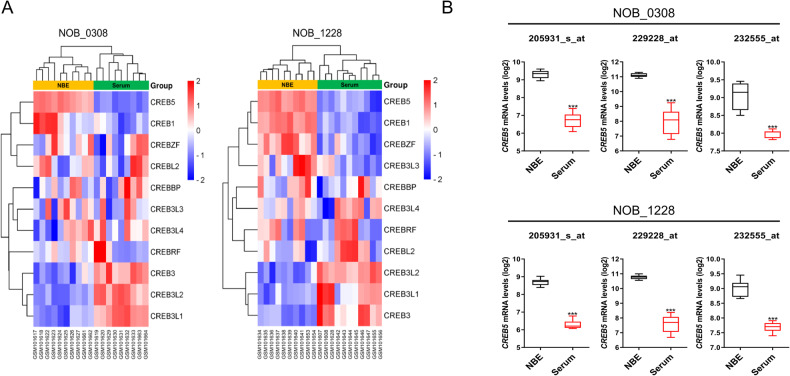
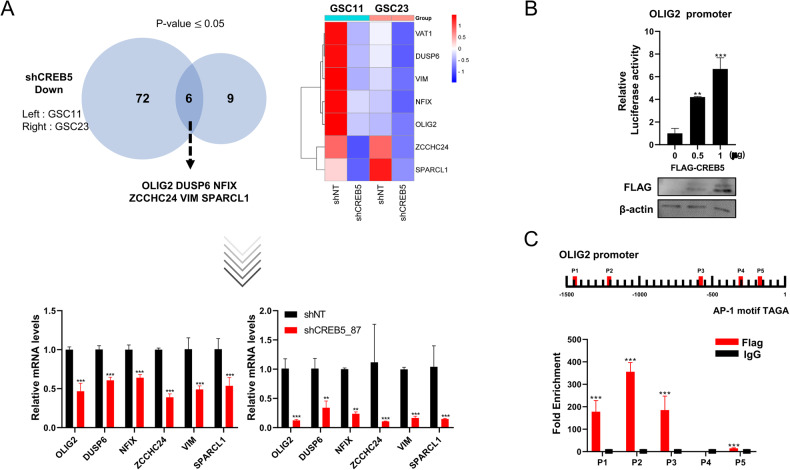
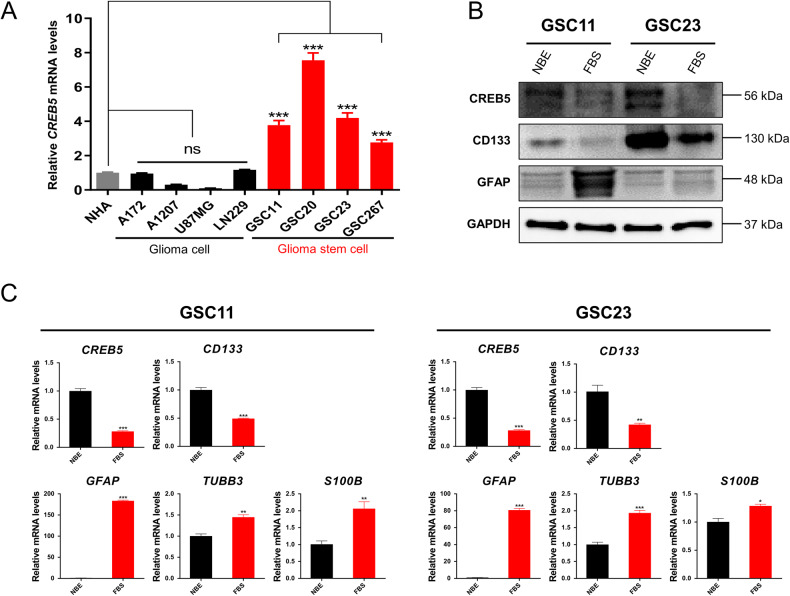
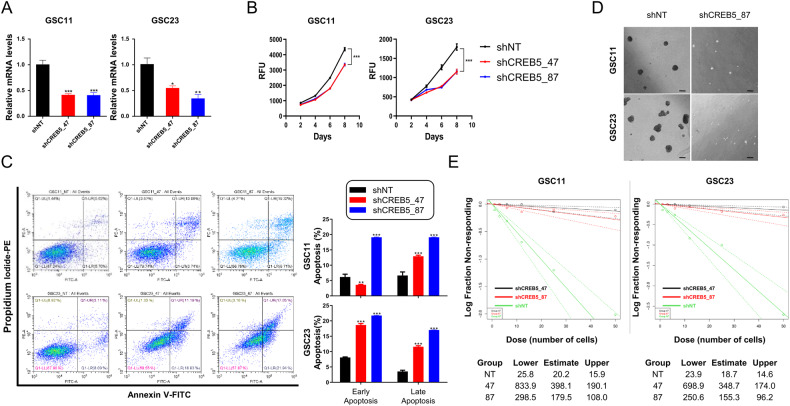
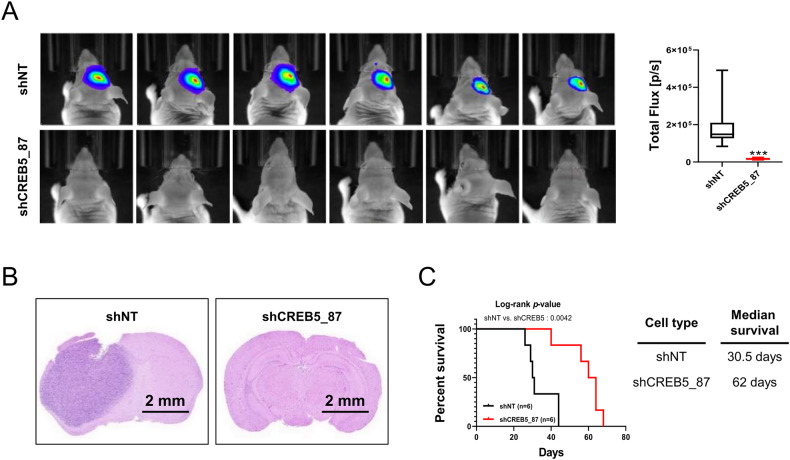
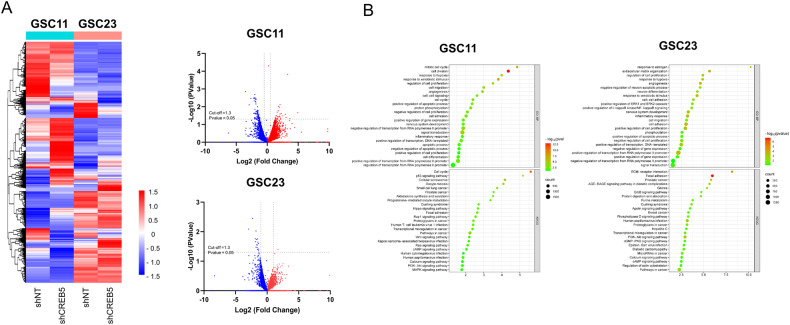
Glioblastoma multiforme (GBM) is the most fatal form of brain cancer in humans, with a dismal prognosis and a median overall survival rate of less than 15 months upon diagnosis. Glioma stem cells (GSCs), have recently been identified as key contributors in both tumor initiation and therapeutic resistance in GBM. Both public dataset analysis and direct differentiation experiments on GSCs have demonstrated that CREB5 is more highly expressed in undifferentiated GSCs than in differentiated GSCs. Additionally, gene silencing by short hairpin RNA (shRNA) of CREB5 has prevented the proliferation and self-renewal ability of GSCs in vitro and decreased their tumor forming ability in vivo. Meanwhile, RNA-sequencing, luciferase reporter assay, and ChIP assay have all demonstrated the closely association between CREB5 and OLIG2. These findings suggest that targeting CREB5 could be an effective approach to overcoming GSCs.
多形性胶质母细胞瘤(GBM)是人类最致命的脑癌形式,预后不佳,诊断后的中位总生存率不到15个月。胶质瘤干细胞(GSCs)最近被确定为GBM肿瘤起始和治疗耐药性的关键因素。对公开数据集的分析以及对GSCs的直接分化实验均表明,与分化的GSCs相比,CREB5在未分化的GSCs中表达更高。此外,通过短发夹RNA(shRNA)对CREB5进行基因沉默,已在体外阻止了GSCs的增殖和自我更新能力,并在体内降低了它们的肿瘤形成能力。同时,RNA测序、荧光素酶报告基因检测和染色质免疫沉淀检测均表明CREB5与OLIG2之间存在密切关联。这些发现表明,靶向CREB5可能是克服GSCs的有效方法。