Suparpprom Chaturong, Vilaivan Tirayut
Department of Chemistry and Center of Excellence for Innovation in Chemistry, Faculty of Science, Naresuan University, Tah-Poe District, Muang Phitsanulok 65000 Thailand
Organic Synthesis Research Unit, Department of Chemistry, Faculty of Science, Chulalongkorn University Phayathai Road Pathumwan Bangkok 10330 Thailand.
RSC Chem Biol. 2022 Mar 18;3(6):648-697. doi: 10.1039/d2cb00017b. eCollection 2022 Jun 8.
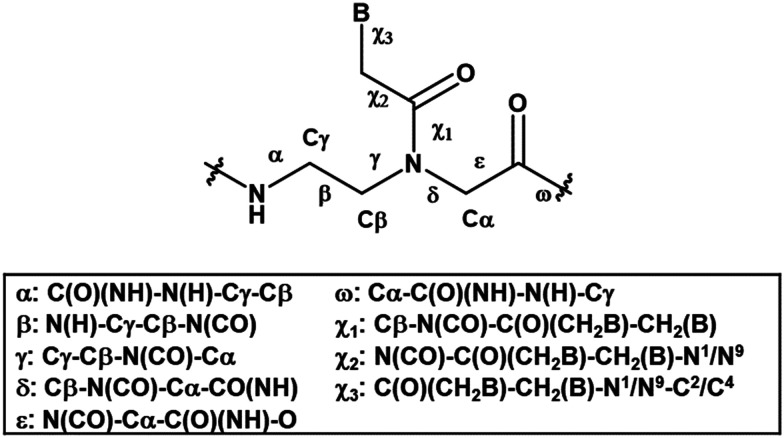
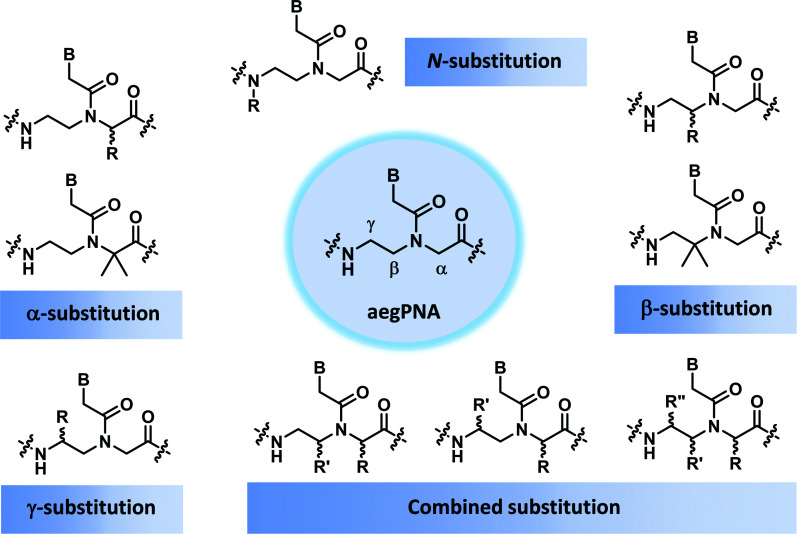
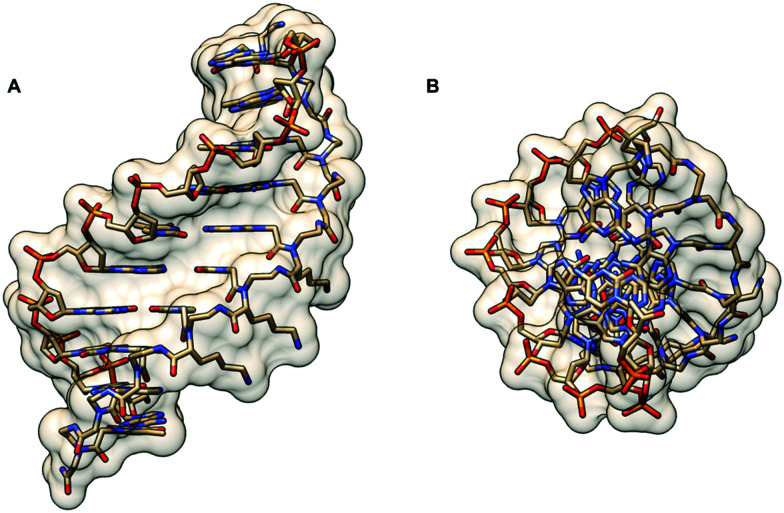
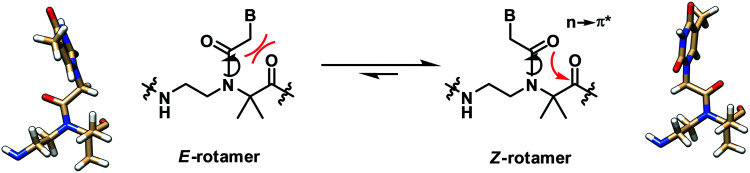
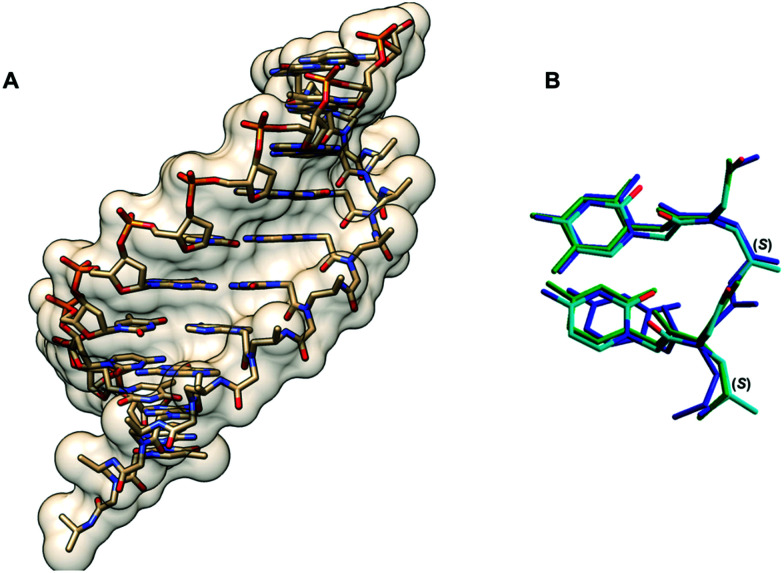
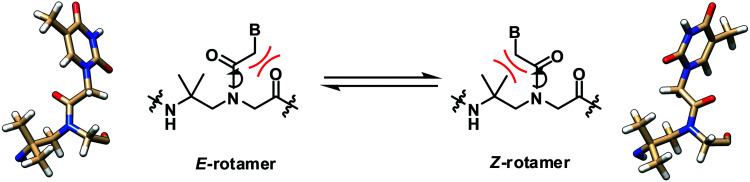
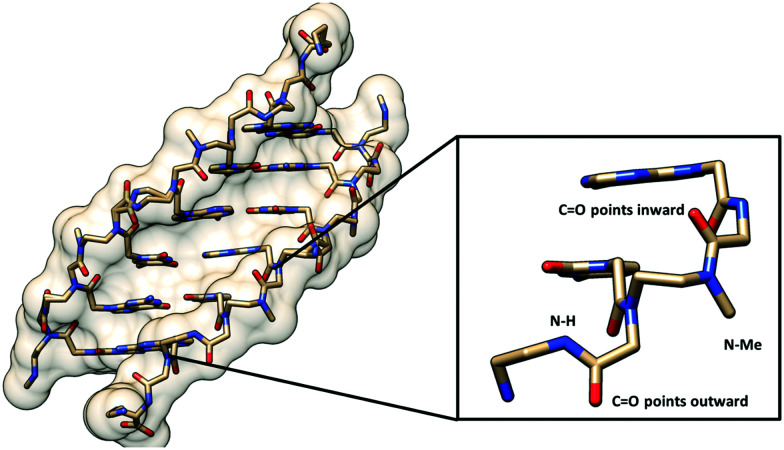
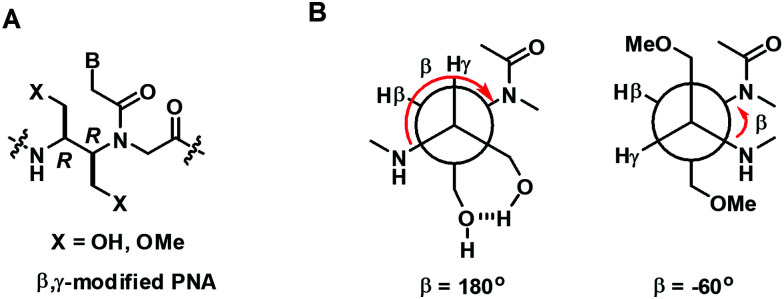
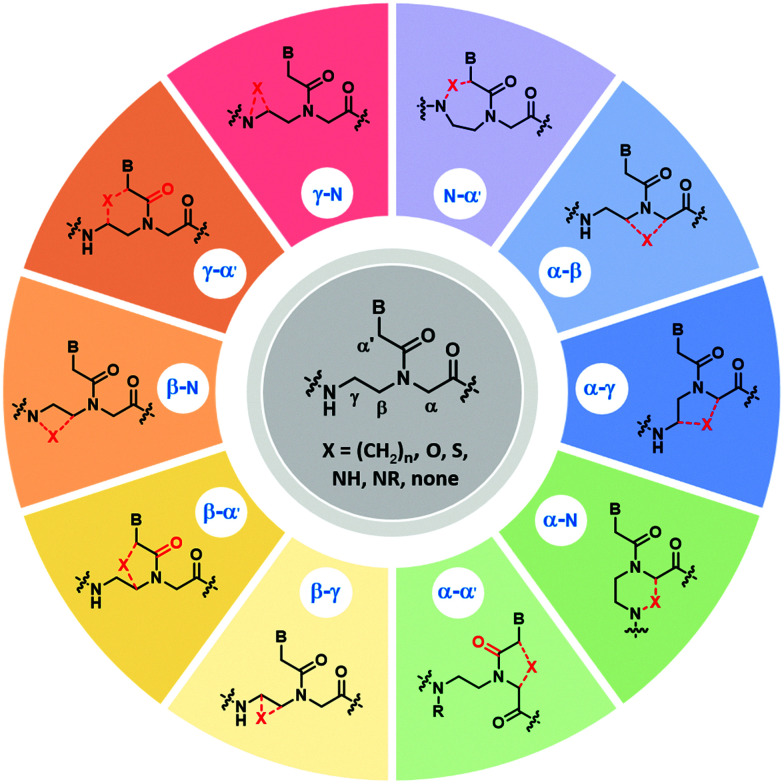
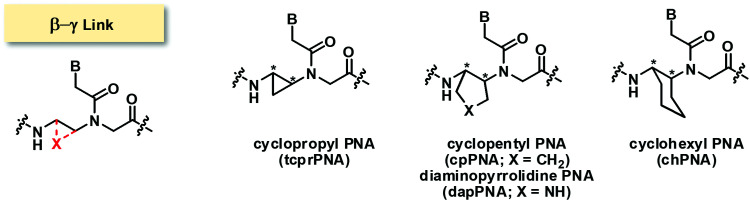
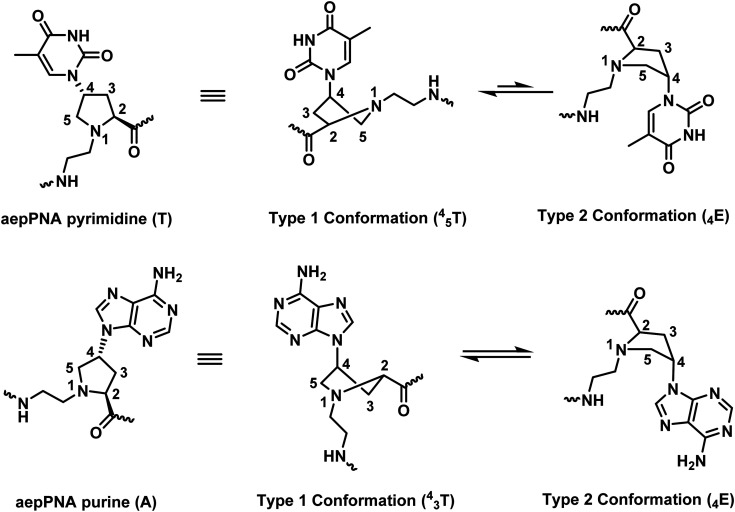
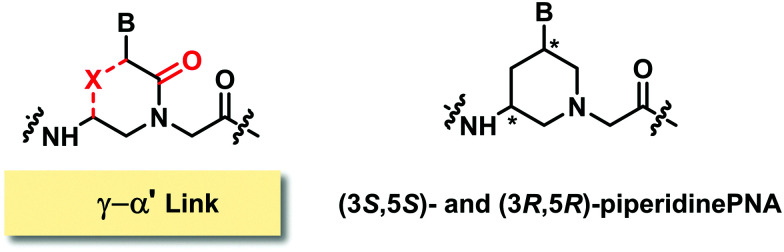
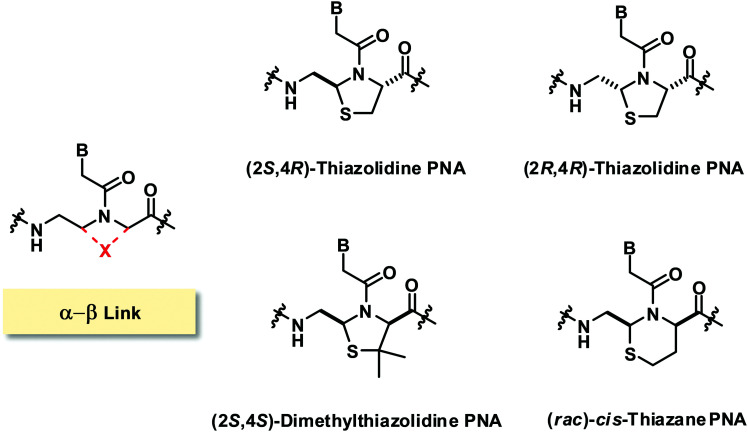
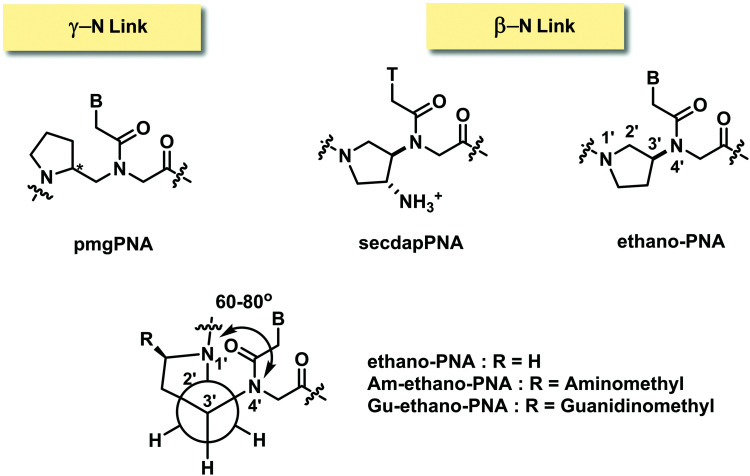
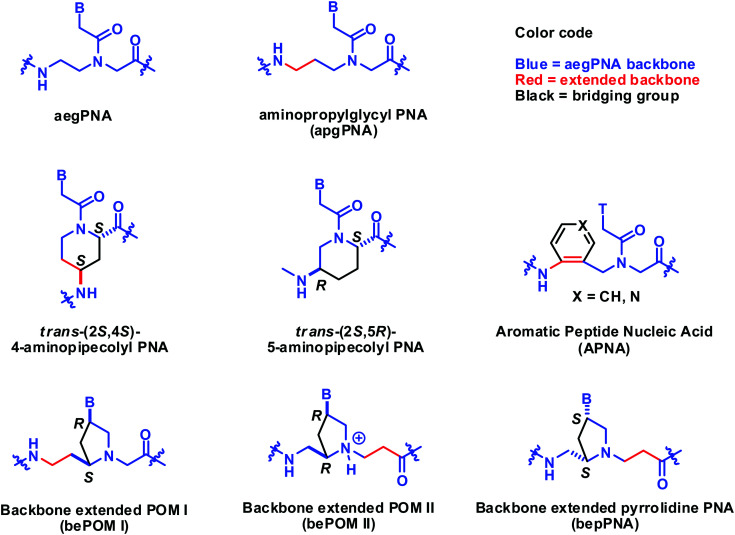
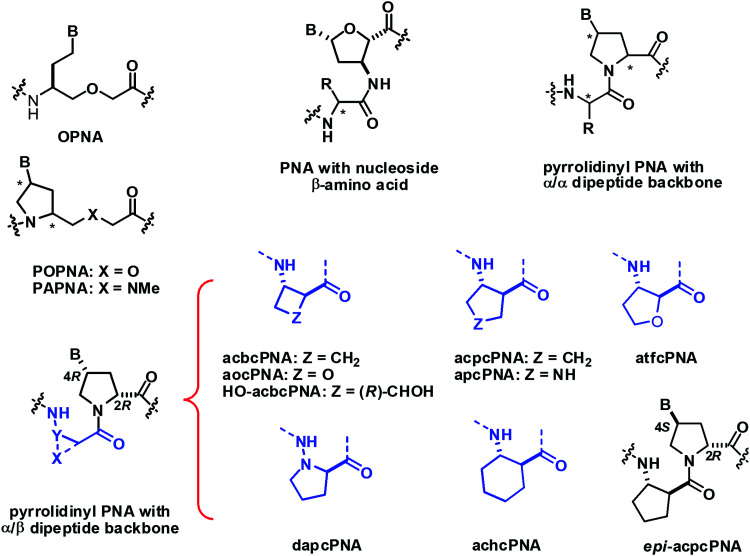
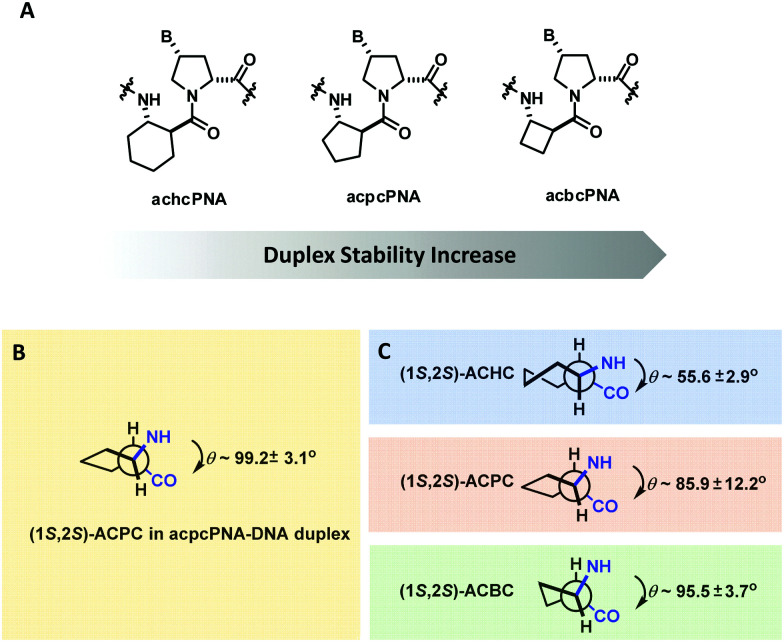
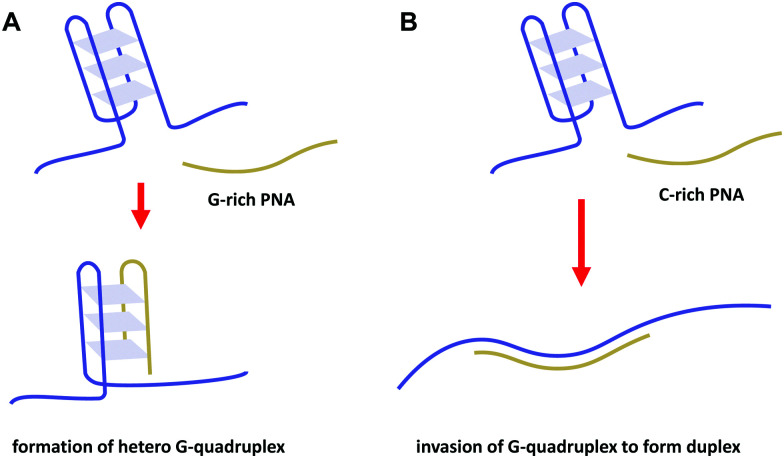
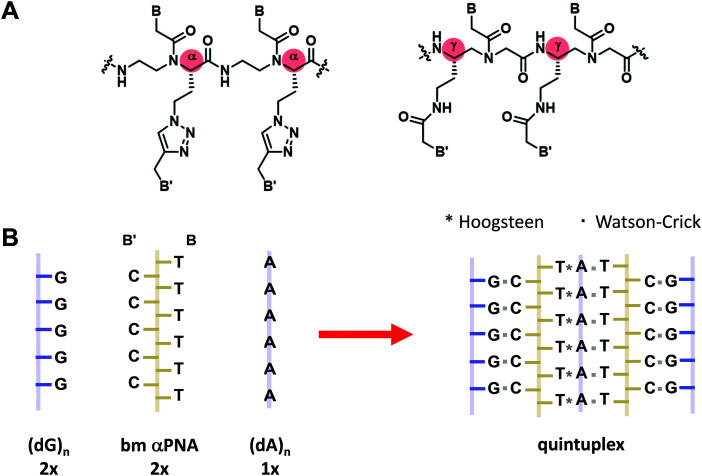
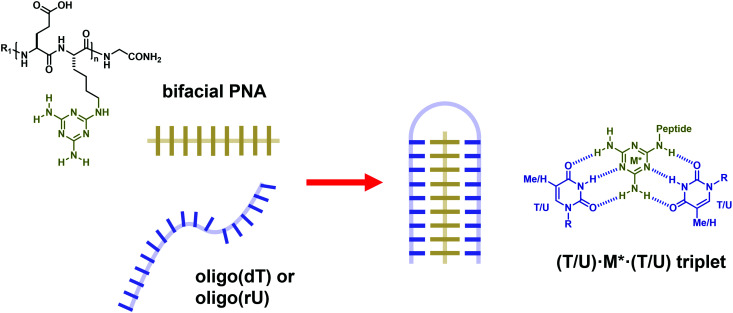
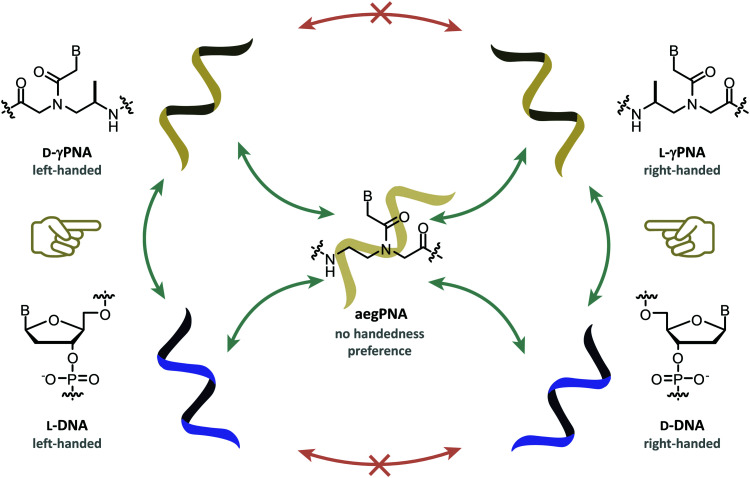
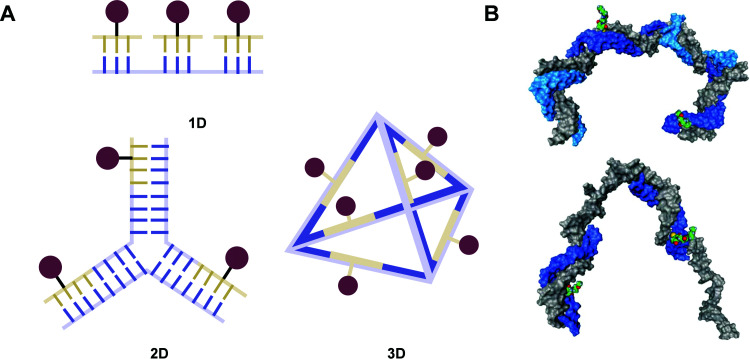
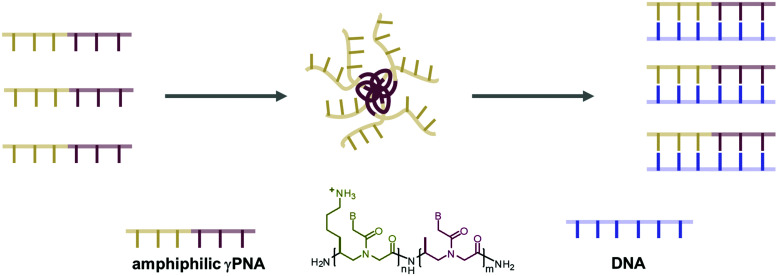
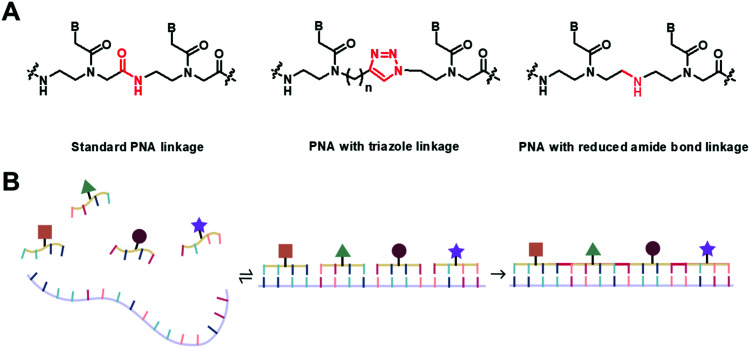
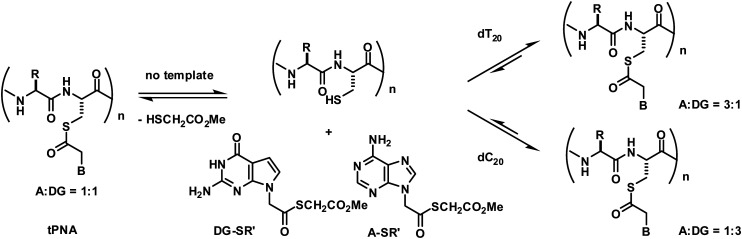
Peptide nucleic acid or PNA is a synthetic DNA mimic that contains a sequence of nucleobases attached to a peptide-like backbone derived from -2-aminoethylglycine. The semi-rigid PNA backbone acts as a scaffold that arranges the nucleobases in a proper orientation and spacing so that they can pair with their complementary bases on another DNA, RNA, or even PNA strand perfectly well through the standard Watson-Crick base-pairing. The electrostatically neutral backbone of PNA contributes to its many unique properties that make PNA an outstanding member of the xeno-nucleic acid family. Not only PNA can recognize its complementary nucleic acid strand with high affinity, but it does so with excellent specificity that surpasses the specificity of natural nucleic acids and their analogs. Nevertheless, there is still room for further improvements of the original PNA in terms of stability and specificity of base-pairing, direction of binding, and selectivity for different types of nucleic acids, among others. This review focuses on attempts towards the rational design of new generation PNAs with superior performance by introducing conformational constraints such as a ring or a chiral substituent in the PNA backbone. A large collection of conformationally rigid PNAs developed during the past three decades are analyzed and compared in terms of molecular design and properties in relation to structural data if available. Applications of selected modified PNA in various areas such as targeting of structured nucleic acid targets, supramolecular scaffold, biosensing and bioimaging, and gene regulation will be highlighted to demonstrate how the conformation constraint can improve the performance of the PNA. Challenges and future of the research in the area of constrained PNA will also be discussed.
肽核酸(PNA)是一种合成的DNA模拟物,它包含一系列与源自-2-氨基乙基甘氨酸的肽样主链相连的核碱基。半刚性的PNA主链充当支架,将核碱基以适当的方向和间距排列,以便它们能够通过标准的沃森-克里克碱基配对与另一条DNA、RNA甚至PNA链上的互补碱基完美配对。PNA的静电中性主链促成了其许多独特的性质,使PNA成为异源核酸家族中的杰出成员。PNA不仅能以高亲和力识别其互补核酸链,而且具有优异的特异性,超过了天然核酸及其类似物的特异性。然而,就碱基配对的稳定性和特异性、结合方向以及对不同类型核酸的选择性等方面而言,原始PNA仍有进一步改进的空间。本综述重点关注通过在PNA主链中引入构象限制(如环或手性取代基)来合理设计具有卓越性能的新一代PNA的尝试。如果有相关结构数据,将根据分子设计和性质对过去三十年中开发的大量构象刚性PNA进行分析和比较。将重点介绍选定的修饰PNA在各种领域的应用,如靶向结构化核酸靶点、超分子支架、生物传感和生物成像以及基因调控,以展示构象限制如何改善PNA的性能。还将讨论受限PNA领域研究的挑战和未来。