Mitoulas Leon R, Davanzo Riccardo
School of Molecular Sciences, The University of Western Australia, Perth, WA, Australia.
Medela AG, Baar, Switzerland.
Front Pediatr. 2022 Jun 10;10:856353. doi: 10.3389/fped.2022.856353. eCollection 2022.
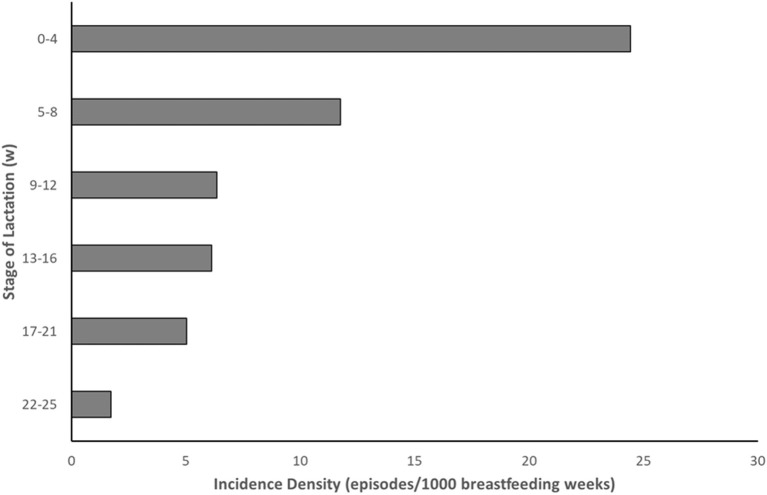
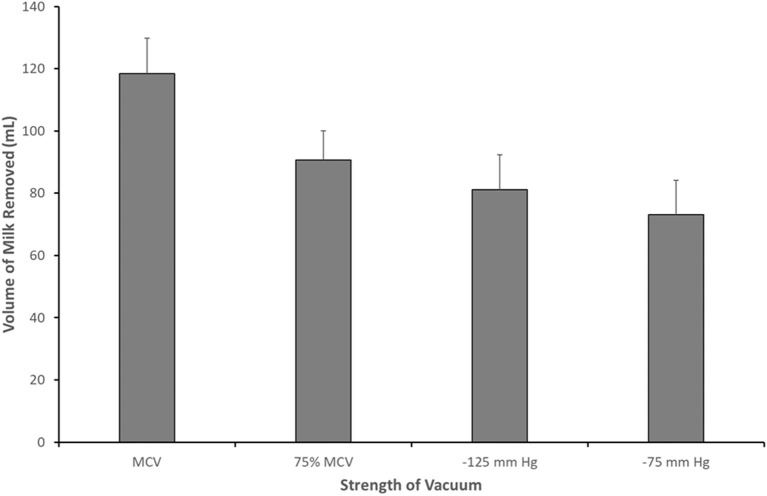
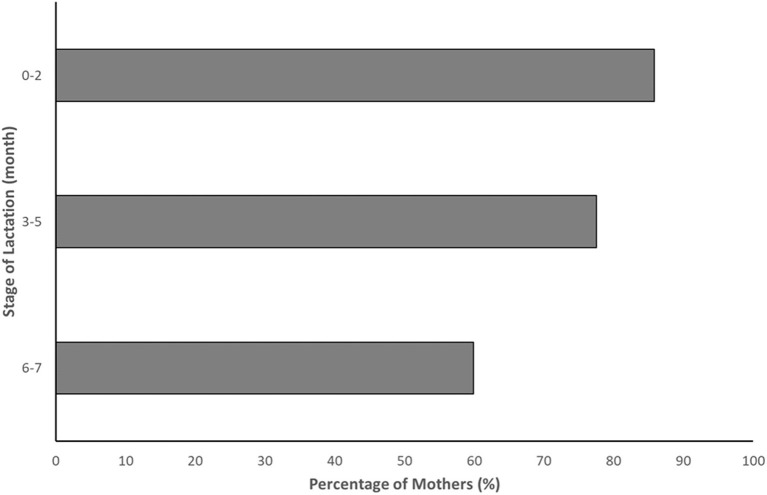
Mastitis is a debilitating condition that can impact around 20% of mothers and is characterized by fever, flu-like symptoms and tender, swollen areas of the breasts. Despite the emerging evidence that breast milk dysbiosis is an underlying cause of mastitis, breast pumps have been implicated as a predisposing risk factor in the pathophysiology of mastitis in breastfeeding mothers. Previous studies have suggested that the use of a breast pump increases a mother's risk for developing mastitis, however, incidence rates of mastitis over the stages of lactation do not match breast pump usage rates. Furthermore, breast pumps, even when used at low vacuum, still promote some breast drainage, thus avoiding milk stasis, which is considered a key factor in the development of mastitis. As a consequence, these data suggest that the literature association of breast pumps with mastitis is more a case of reverse causation and not direct association. Moreover, it is important to note that breast pumps are actually a part of the conservative management of mastitis. In combination, these data show that the breast pump should not be considered a driver in the pathophysiology of mastitis in women.
乳腺炎是一种使人虚弱的病症,约20%的母亲会受到影响,其特征为发热、类似流感的症状以及乳房出现压痛、肿胀区域。尽管越来越多的证据表明母乳微生物失调是乳腺炎的一个潜在病因,但吸奶器却被认为是母乳喂养母亲患乳腺炎病理生理学中的一个诱发风险因素。先前的研究表明,使用吸奶器会增加母亲患乳腺炎的风险,然而,哺乳期各阶段的乳腺炎发病率与吸奶器使用率并不匹配。此外,即使在低真空度下使用吸奶器,仍会促进一定程度的乳房排乳,从而避免乳汁淤积,而乳汁淤积被认为是乳腺炎发生的一个关键因素。因此,这些数据表明,文献中吸奶器与乳腺炎的关联更多是一种因果倒置的情况,而非直接关联。此外,需要注意的是,吸奶器实际上是乳腺炎保守治疗的一部分。综合来看,这些数据表明,不应将吸奶器视为女性乳腺炎病理生理学中的一个驱动因素。