Department of Medicine (H.Z., S.W., J.W.N., H.A.W., S.A.R., S.S., R.M.W., P.K.N., S.M.W.), Stanford University, CA.
Stanford Cardiovascular Institute (H.Z., F.X.G., D.L., J.R., R.M.W.' P.K.N., S.M.W.), Stanford University, CA.
Circulation. 2022 Jul 26;146(4):316-335. doi: 10.1161/CIRCULATIONAHA.121.056730. Epub 2022 Jun 28.
Immune checkpoint inhibitors (ICIs) are monoclonal antibodies used to activate the immune system against tumor cells. Despite therapeutic benefits, ICIs have the potential to cause immune-related adverse events such as myocarditis, a rare but serious side effect with up to 50% mortality in affected patients. Histologically, patients with ICI myocarditis have lymphocytic infiltrates in the heart, implicating T cell-mediated mechanisms. However, the precise pathological immune subsets and molecular changes in ICI myocarditis are unknown.
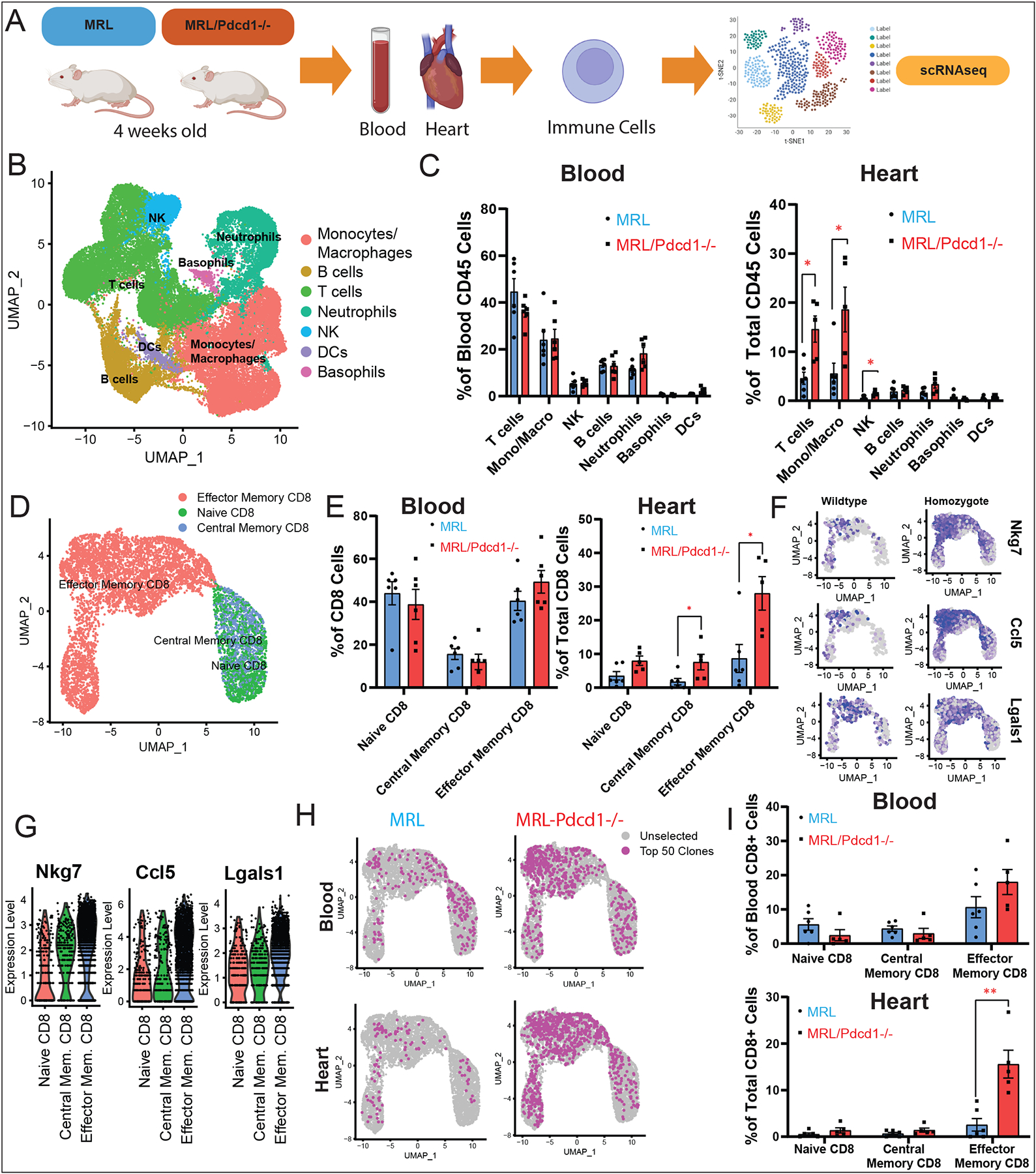
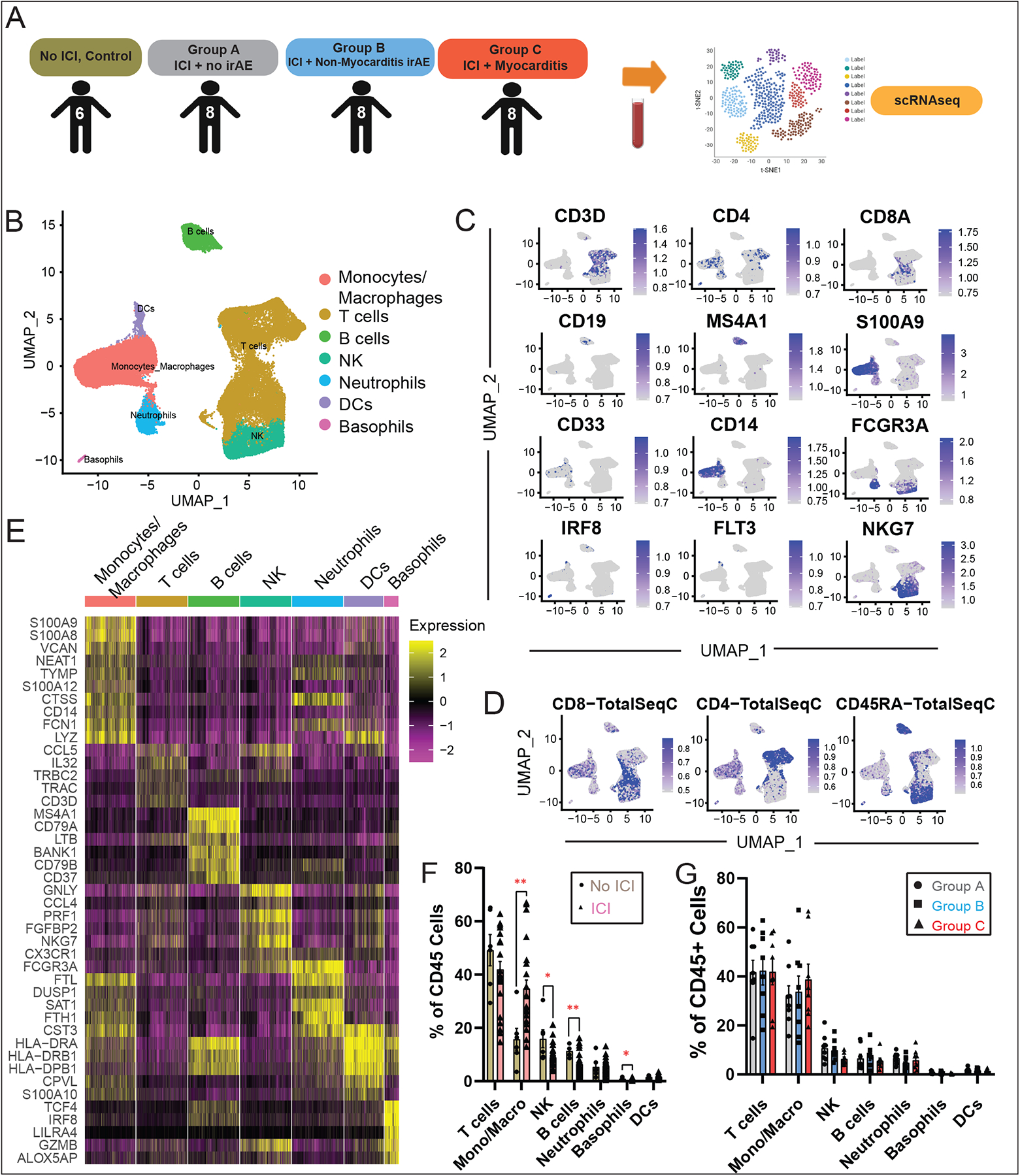
To identify immune subset(s) associated with ICI myocarditis, we performed time-of-flight mass cytometry on peripheral blood mononuclear cells from 52 individuals: 29 patients with autoimmune adverse events (immune-related adverse events) on ICI, including 8 patients with ICI myocarditis, and 23 healthy control subjects. We also used multiomics single-cell technology to immunophenotype 30 patients/control subjects using single-cell RNA sequencing, single-cell T-cell receptor sequencing, and cellular indexing of transcriptomes and epitopes by sequencing with feature barcoding for surface marker expression confirmation. To correlate between the blood and the heart, we performed single-cell RNA sequencing/T-cell receptor sequencing/cellular indexing of transcriptomes and epitopes by sequencing on MRL/Pdcd1 (Murphy Roths large/programmed death-1-deficient) mice with spontaneous myocarditis.
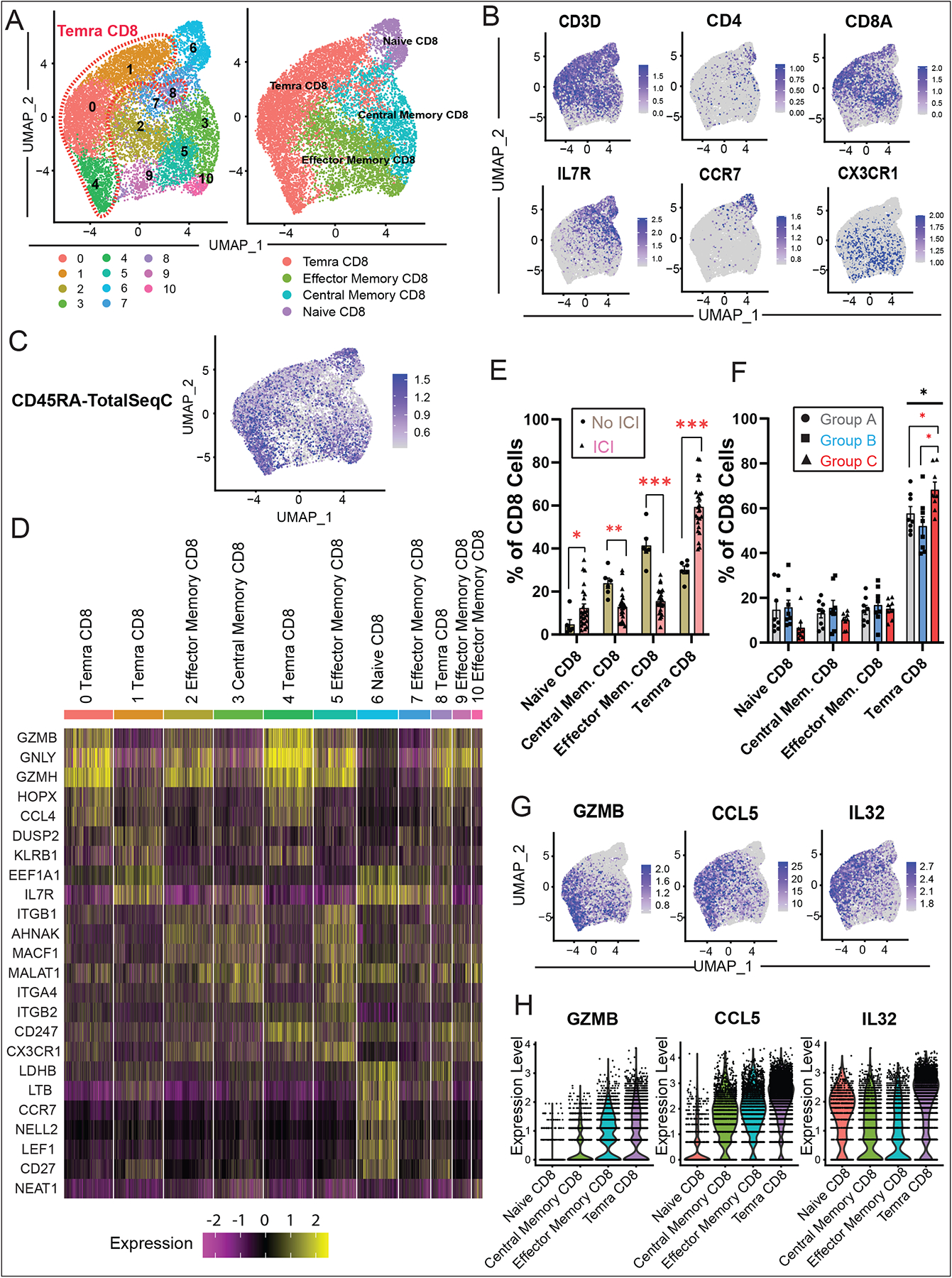
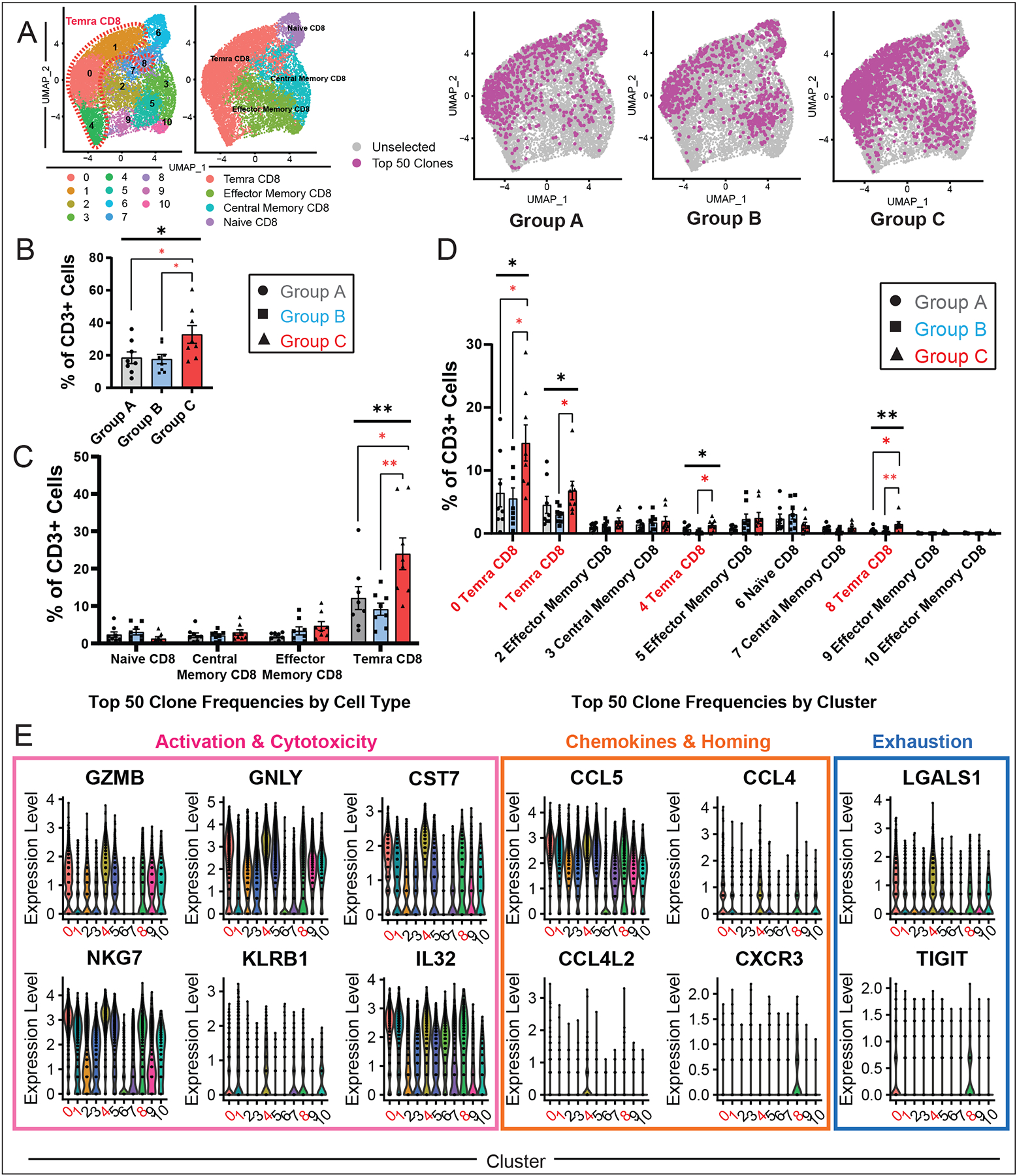
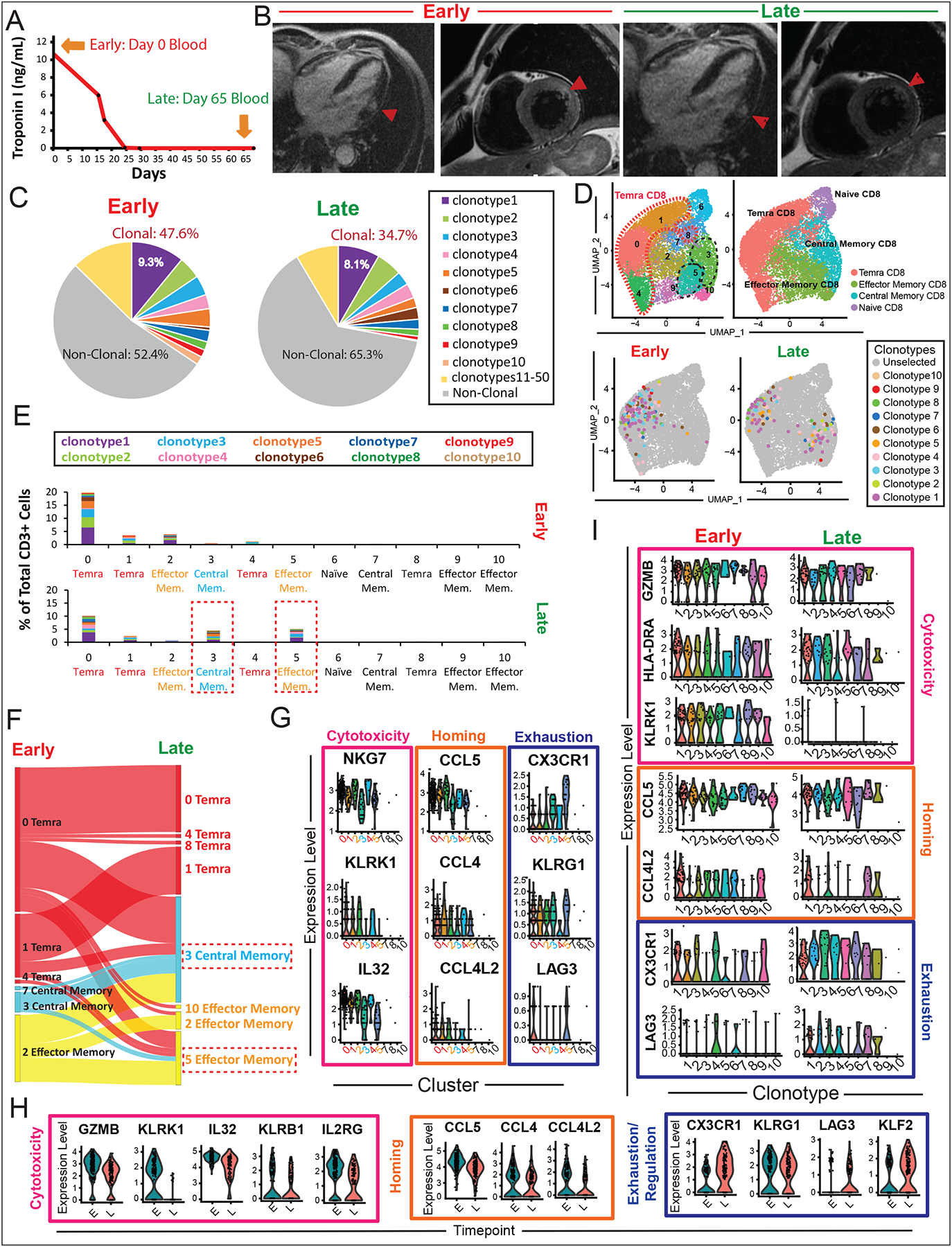
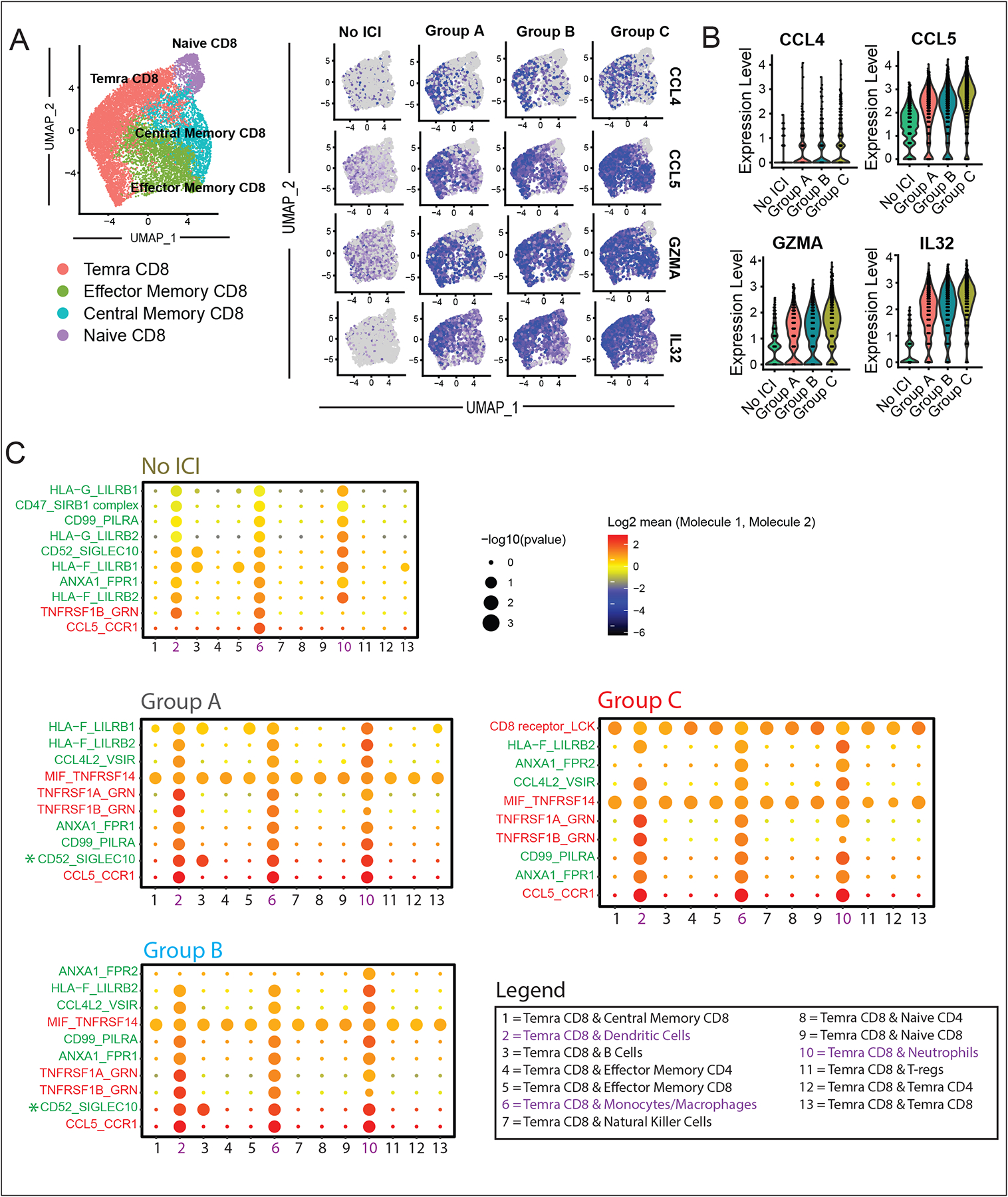
Using these complementary approaches, we found an expansion of cytotoxic CD8 T effector cells re-expressing CD45RA (Temra CD8 cells) in patients with ICI myocarditis compared with control subjects. T-cell receptor sequencing demonstrated that these CD8 Temra cells were clonally expanded in patients with myocarditis compared with control subjects. Transcriptomic analysis of these Temra CD8 clones confirmed a highly activated and cytotoxic phenotype. Longitudinal study demonstrated progression of these Temra CD8 cells into an exhausted phenotype 2 months after treatment with glucocorticoids. Differential expression analysis demonstrated elevated expression levels of proinflammatory chemokines (CCL5/CCL4/CCL4L2) in the clonally expanded Temra CD8 cells, and ligand receptor analysis demonstrated their interactions with innate immune cells, including monocytes/macrophages, dendritic cells, and neutrophils, as well as the absence of key anti-inflammatory signals. To complement the human study, we performed single-cell RNA sequencing/T-cell receptor sequencing/cellular indexing of transcriptomes and epitopes by sequencing in Pdcd1 mice with spontaneous myocarditis and found analogous expansions of cytotoxic clonal effector CD8 cells in both blood and hearts of such mice compared with controls.
Clonal cytotoxic Temra CD8 cells are significantly increased in the blood of patients with ICI myocarditis, corresponding to an analogous increase in effector cytotoxic CD8 cells in the blood/hearts of Pdcd1 mice with myocarditis. These expanded effector CD8 cells have unique transcriptional changes, including upregulation of chemokines CCL5/CCL4/CCL4L2, which may serve as attractive diagnostic/therapeutic targets for reducing life-threatening cardiac immune-related adverse events in ICI-treated patients with cancer.
免疫检查点抑制剂(ICIs)是用于激活免疫系统对抗肿瘤细胞的单克隆抗体。尽管具有治疗益处,但 ICI 有可能引起免疫相关的不良反应,如心肌炎,这是一种罕见但严重的副作用,受影响患者的死亡率高达 50%。组织学上,ICI 心肌炎患者的心脏中有淋巴细胞浸润,提示 T 细胞介导的机制。然而,ICI 心肌炎的确切病理免疫亚群和分子变化尚不清楚。
为了确定与 ICI 心肌炎相关的免疫亚群,我们对 52 个人的外周血单核细胞进行了飞行时间质谱流式细胞术分析:29 名患有自身免疫不良事件(免疫相关不良事件)的患者接受了 ICI 治疗,其中 8 名患有 ICI 心肌炎,23 名健康对照者。我们还使用多组学单细胞技术通过单细胞 RNA 测序、单细胞 T 细胞受体测序以及通过带有特征条形码的转录组和表位细胞索引测序对 30 名患者/对照者进行免疫表型分析,以确认表面标志物表达的确认。为了将血液和心脏相关联,我们对 MRL/Pdcd1(Murphy Roths large/programmed death-1-deficient)小鼠自发性心肌炎进行了单细胞 RNA 测序/T 细胞受体测序/通过带有特征条形码的转录组和表位细胞索引测序。
使用这些互补方法,我们发现与对照组相比,ICI 心肌炎患者的细胞毒性 CD8 T 效应细胞(Temra CD8 细胞)重新表达 CD45RA。T 细胞受体测序表明,与对照组相比,这些 Temra CD8 细胞在心肌炎患者中呈克隆扩增。对这些 Temra CD8 克隆的转录组分析证实了其高度激活和细胞毒性表型。纵向研究表明,在接受糖皮质激素治疗 2 个月后,这些 Temra CD8 细胞进展为耗竭表型。差异表达分析表明,在克隆扩增的 Temra CD8 细胞中,促炎趋化因子(CCL5/CCL4/CCL4L2)的表达水平升高,配体受体分析表明它们与先天免疫细胞(包括单核细胞/巨噬细胞、树突状细胞和中性粒细胞)相互作用,同时缺乏关键的抗炎信号。为了补充人类研究,我们对 MRL/Pdcd1 小鼠自发性心肌炎进行了单细胞 RNA 测序/T 细胞受体测序/通过带有特征条形码的转录组和表位细胞索引测序,并发现与对照组相比,此类小鼠的血液和心脏中均存在类似的细胞毒性克隆效应 CD8 细胞扩增。
ICI 心肌炎患者血液中的克隆细胞毒性 Temra CD8 细胞显著增加,与 MRL/Pdcd1 小鼠心肌炎中血液/心脏中的效应细胞毒性 CD8 细胞的类似增加相对应。这些扩增的效应 CD8 细胞具有独特的转录变化,包括趋化因子 CCL5/CCL4/CCL4L2 的上调,这可能成为减少接受 ICI 治疗的癌症患者危及生命的心脏免疫相关不良事件的有吸引力的诊断/治疗靶点。