Department of Neuroscience, College of Medicine, University of Florida, Gainesville, FL, 32610, USA.
Center for Translational Research in Neurodegenerative Disease, College of Medicine, University of Florida, BMS J483/CTRND, 1275 Center Drive, Gainesville, FL, 32610, USA.
Acta Neuropathol Commun. 2022 Jun 28;10(1):94. doi: 10.1186/s40478-022-01394-9.
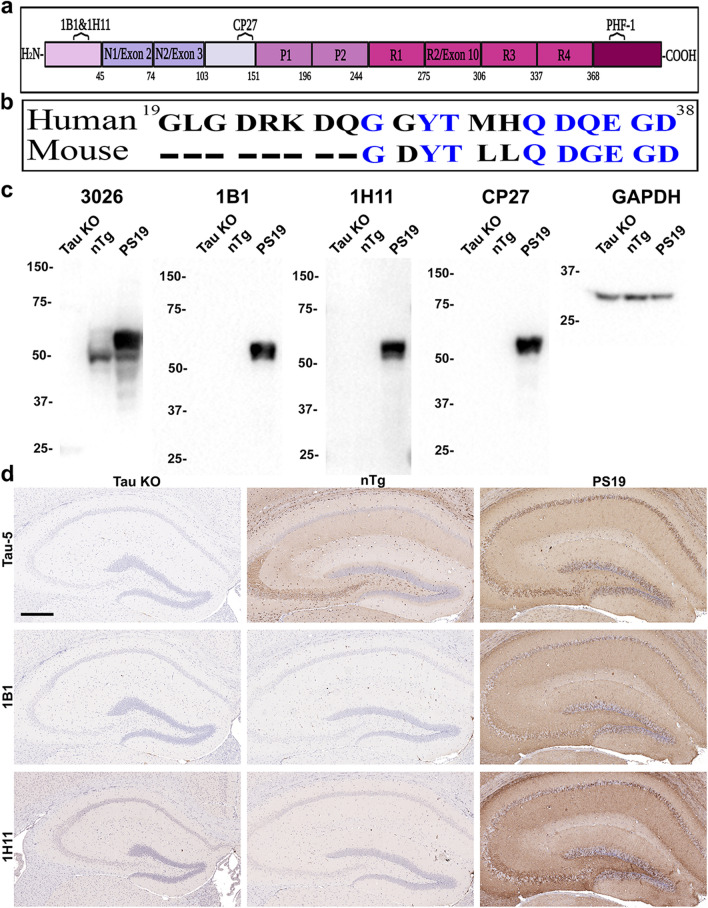
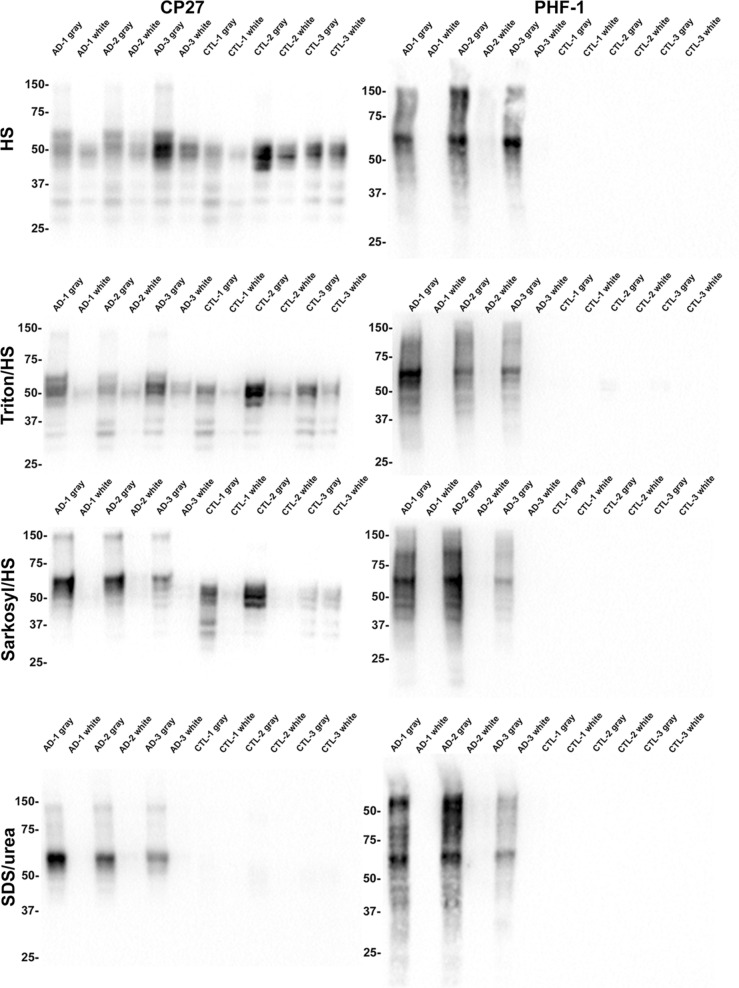
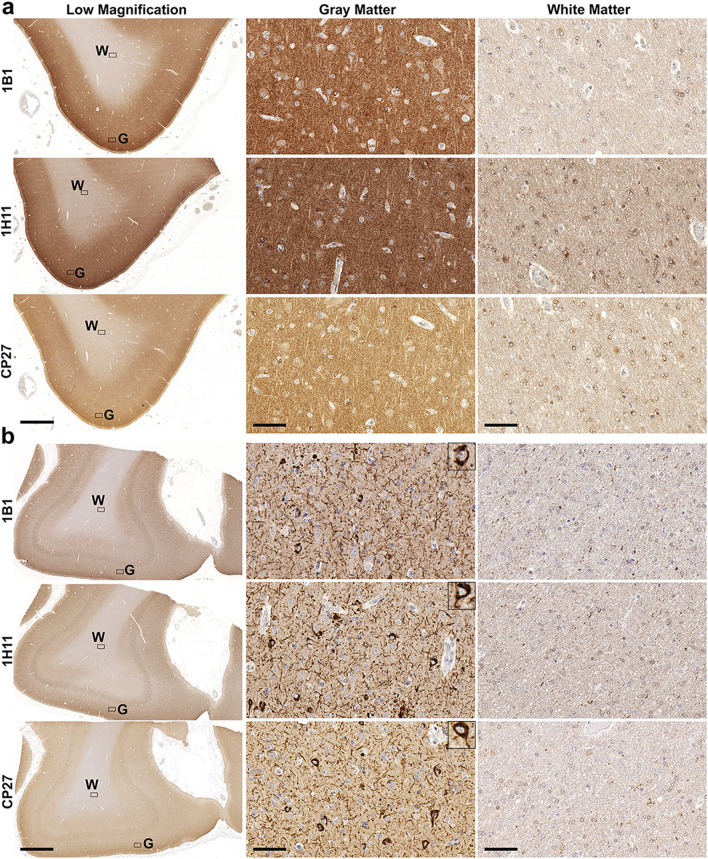
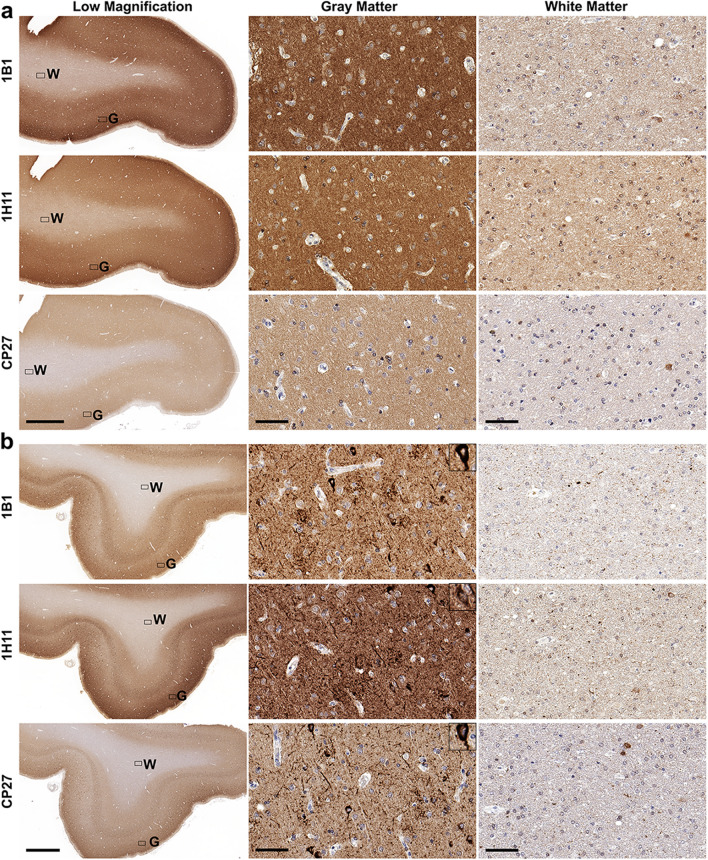
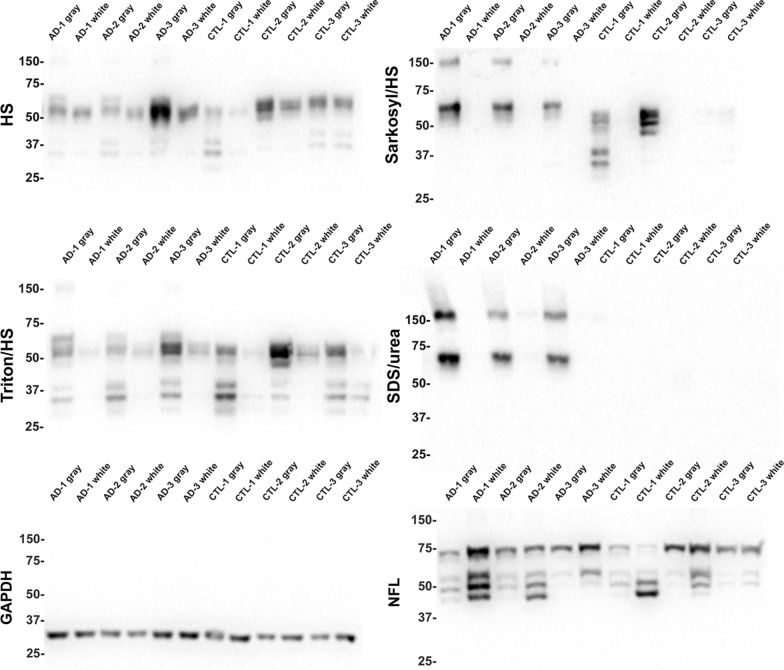
Tau is a predominantly neuronal, soluble and natively unfolded protein that can bind and stabilize microtubules in the central nervous system. Tau has been extensively studied over several decades, especially in the context of neurodegenerative diseases where it can aberrantly aggregate to form a spectrum of pathological inclusions. The presence of tau inclusions in the form of neurofibrillary tangles, neuropil threads and dystrophic neurites within senile plaques are essential and defining features of Alzheimer's disease. The current dogma favors the notion that tau is predominantly an axonal protein, and that in Alzheimer's disease there is a redistribution of tau towards the neuronal soma that is associated with the formation of pathological inclusions such as neurofibrillary tangles and neuropil threads. Using novel as well as previously established highly specific tau antibodies, we demonstrate that contrary to this overwhelmingly accepted fact, as asserted in numerous articles and reviews, in adult human brain, tau is more abundant in cortical gray matter that is enriched in neuronal soma and dendrites compared to white matter that is predominantly rich in neuronal axons. Additionally, in Alzheimer's disease tau pathology is significantly more abundant in the brain cortical gray matter of affected brain regions compared to the adjacent white matter regions. These findings have important implications for the biological function of tau as well as the mechanisms involved in the progressive spread of tau associated with the insidious nature of Alzheimer's disease.
tau 是一种主要存在于神经元中的可溶性、天然无规卷曲的蛋白质,能够在中枢神经系统中结合并稳定微管。几十年来,tau 一直是研究的热点,特别是在神经退行性疾病中,tau 可以异常聚集形成一系列病理包涵体。在老年斑中,tau 以神经原纤维缠结、神经丝网和神经突的形式存在,是阿尔茨海默病的必要和明确特征。目前的主流观点认为 tau 主要是一种轴突蛋白,在阿尔茨海默病中,tau 向神经元胞体的重新分布与病理包涵体的形成有关,如神经原纤维缠结和神经丝网。使用新的以及以前建立的高度特异性 tau 抗体,我们证明与在许多文章和综述中断言的这一压倒性事实相反,在成人脑中,tau 在富含神经元胞体和树突的皮质灰质中比富含神经元轴突的白质中更为丰富。此外,在阿尔茨海默病中,tau 病理学在受影响脑区的大脑皮质灰质中比相邻的白质区域更为丰富。这些发现对 tau 的生物学功能以及与阿尔茨海默病隐匿性质相关的 tau 相关的渐进性传播机制具有重要意义。