Department of Aerospace and Mechanical Engineering, Bioengineering Graduate Program, University of Notre Dame, Notre Dame, IN, 46556, USA.
Herman B Wells Center for Pediatric Research, Department of Pediatrics, Indiana University School of Medicine, Riley Hospital for Children at Indiana University Health, Indianapolis, IN, 46202, USA.
Commun Biol. 2022 Jun 29;5(1):635. doi: 10.1038/s42003-022-03578-4.
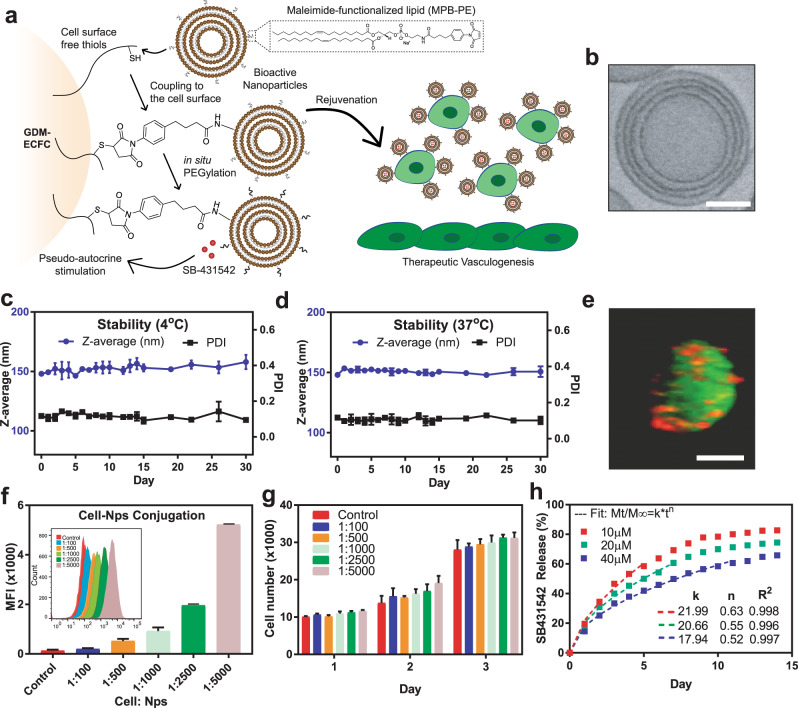
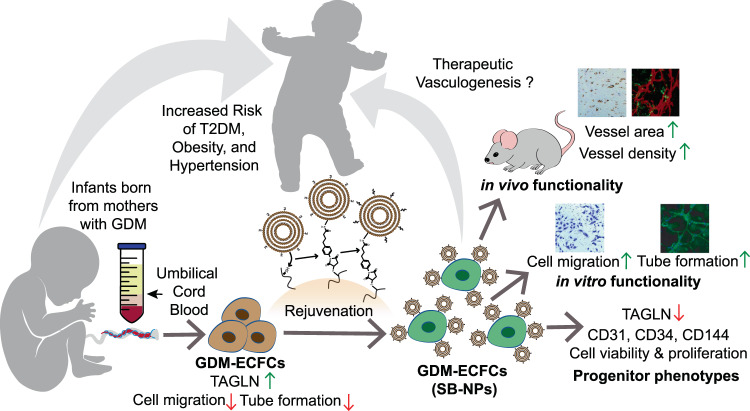
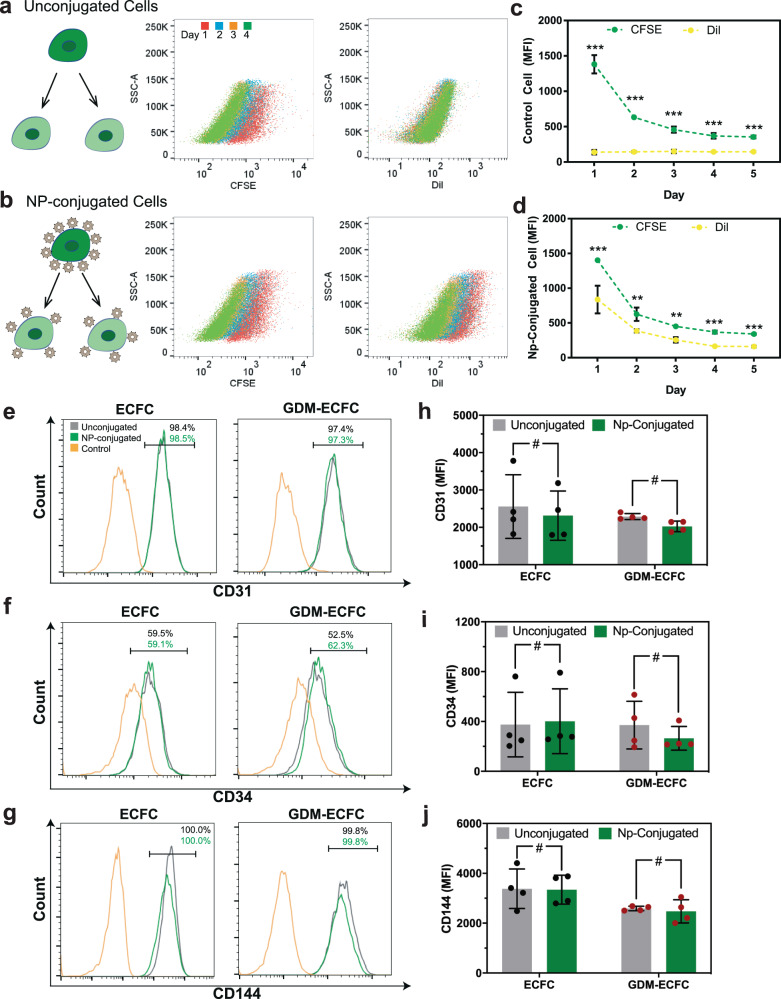
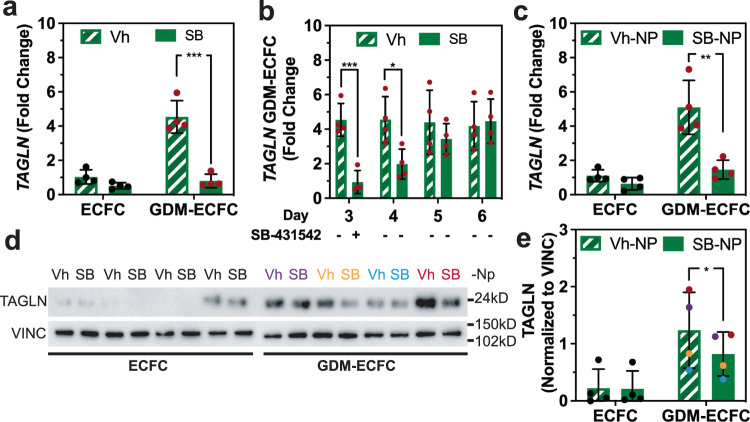
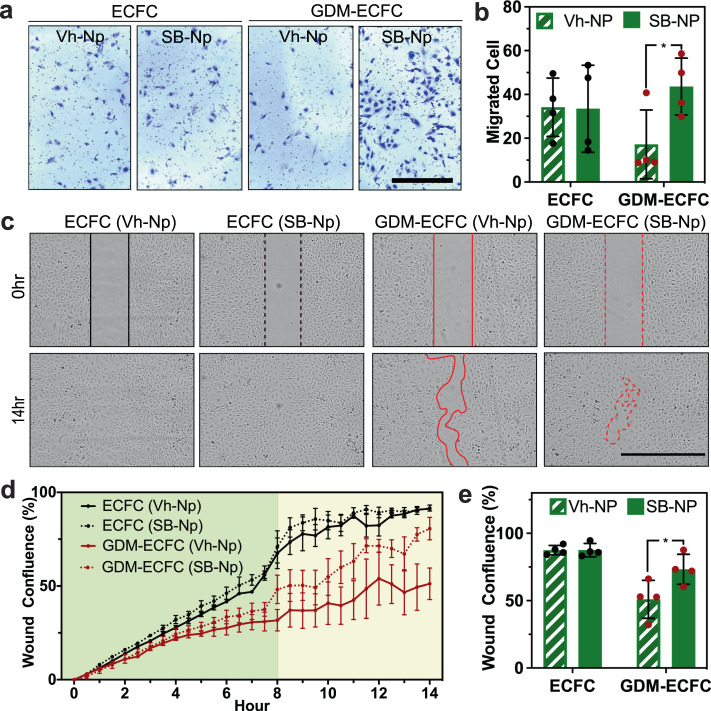
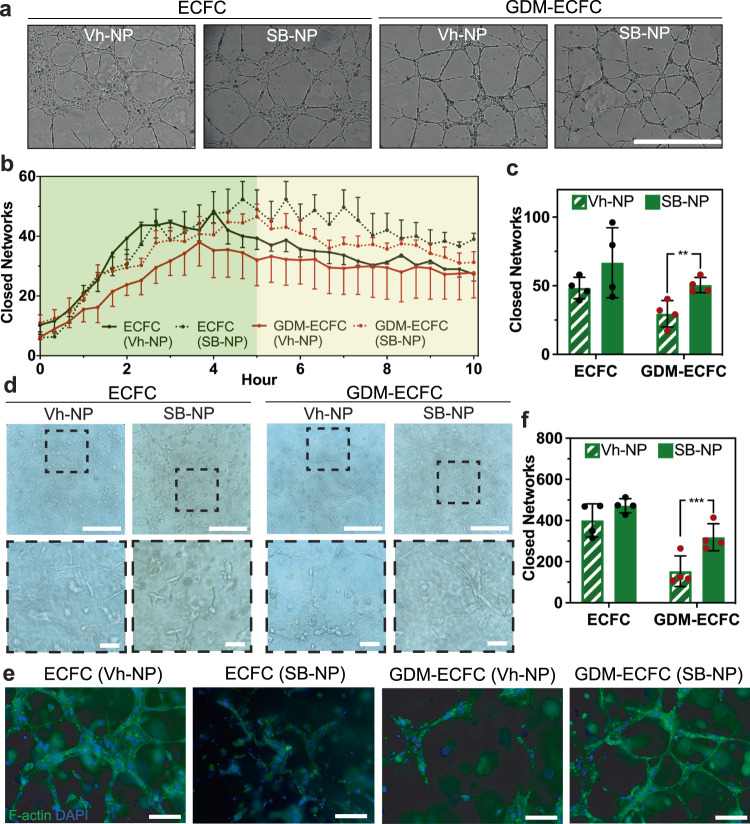
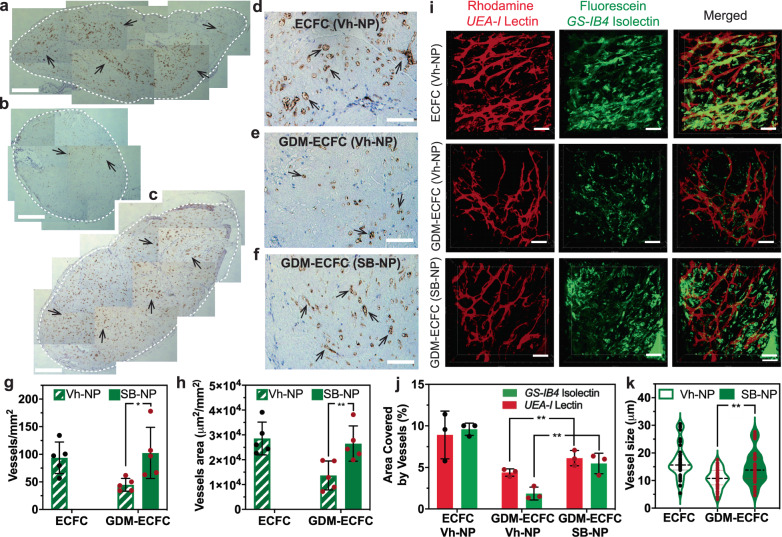
Fetal exposure to gestational diabetes mellitus (GDM) predisposes children to future health complications including type-2 diabetes mellitus, hypertension, and cardiovascular disease. A key mechanism by which these complications occur is through stress-induced dysfunction of endothelial progenitor cells (EPCs), including endothelial colony-forming cells (ECFCs). Although several approaches have been previously explored to restore endothelial function, their widespread adoption remains tampered by systemic side effects of adjuvant drugs and unintended immune response of gene therapies. Here, we report a strategy to rejuvenate circulating vascular progenitor cells by conjugation of drug-loaded liposomal nanoparticles directly to the surface of GDM-exposed ECFCs (GDM-ECFCs). Bioactive nanoparticles can be robustly conjugated to the surface of ECFCs without altering cell viability and key progenitor phenotypes. Moreover, controlled delivery of therapeutic drugs to GDM-ECFCs is able to normalize transgelin (TAGLN) expression and improve cell migration, which is a critical key step in establishing functional vascular networks. More importantly, sustained pseudo-autocrine stimulation with bioactive nanoparticles is able to improve in vitro and in vivo vasculogenesis of GDM-ECFCs. Collectively, these findings highlight a simple, yet promising strategy to rejuvenate GDM-ECFCs and improve their therapeutic potential. Promising results from this study warrant future investigations on the prospect of the proposed strategy to improve dysfunctional vascular progenitor cells in the context of other chronic diseases, which has broad implications for addressing various cardiovascular complications, as well as advancing tissue repair and regenerative medicine.
胎儿暴露于妊娠糖尿病(GDM)会使儿童易患未来的健康并发症,包括 2 型糖尿病、高血压和心血管疾病。这些并发症发生的一个关键机制是内皮祖细胞(EPC),包括内皮集落形成细胞(ECFC),受到应激诱导的功能障碍。尽管以前已经探索了几种方法来恢复内皮功能,但由于辅助药物的全身副作用和基因治疗的意外免疫反应,它们的广泛采用仍然受到阻碍。在这里,我们报告了一种通过将载药脂质体纳米颗粒直接偶联到 GDM 暴露的 ECFC(GDM-ECFC)表面来使循环血管祖细胞年轻化的策略。生物活性纳米颗粒可以牢固地偶联到 ECFC 表面,而不会改变细胞活力和关键祖细胞表型。此外,将治疗药物递送到 GDM-ECFC 能够使转凝胶蛋白(TAGLN)的表达正常化并改善细胞迁移,这是建立功能性血管网络的关键步骤。更重要的是,生物活性纳米颗粒的持续假性自分泌刺激能够改善 GDM-ECFC 的体外和体内血管生成。总之,这些发现强调了一种简单但有前途的策略,能够使 GDM-ECFC 年轻化并提高其治疗潜力。这项研究的有希望的结果证明了所提出的策略在改善其他慢性疾病中功能失调的血管祖细胞方面的前景,这对解决各种心血管并发症以及推进组织修复和再生医学具有广泛的意义。