RCPAQAP Biosecurity, St Leonards, NSW, Australia.
Communicable Diseases Genomics Network (CDGN), Public Health Laboratory Network (PHLN), Sydney, NSW, Australia; Microbiological Diagnostic Unit Public Health Laboratory (MDU PHL), The University of Melbourne at The Peter Doherty Institute for Immunity and Infection, Melbourne, Vic, Australia.
Pathology. 2022 Aug;54(5):615-622. doi: 10.1016/j.pathol.2022.04.002. Epub 2022 Jun 29.
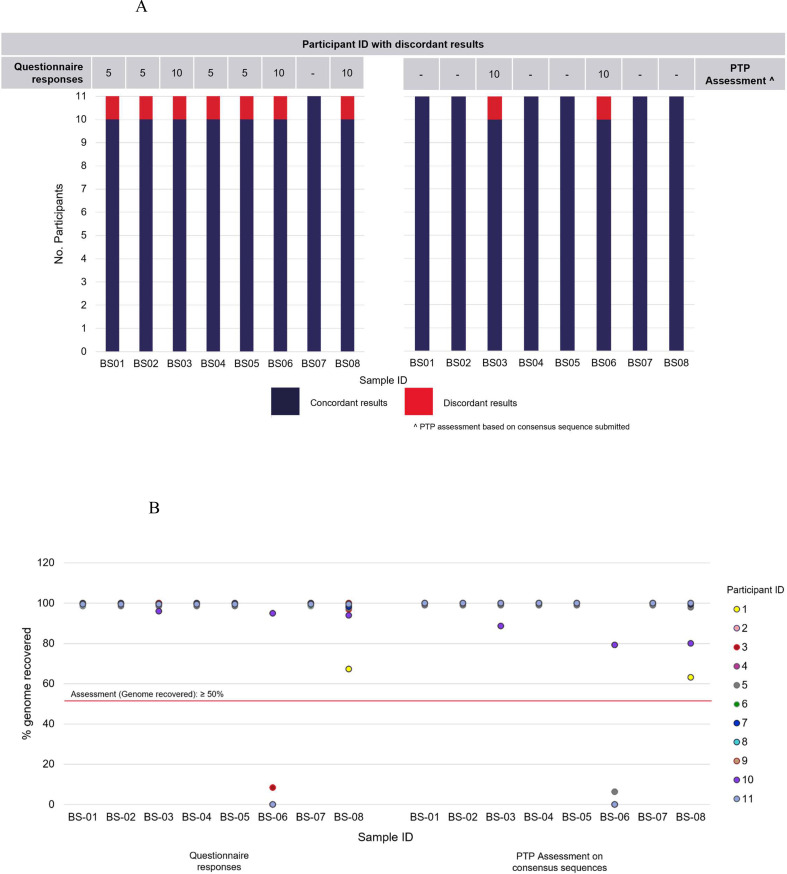
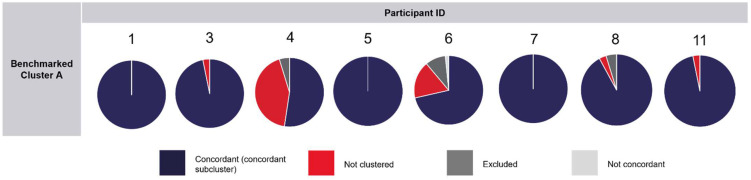
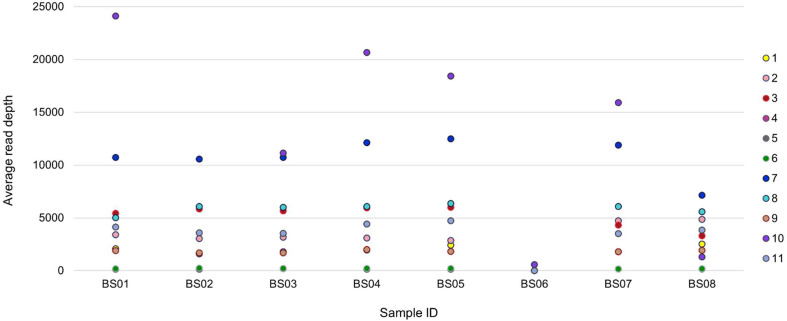
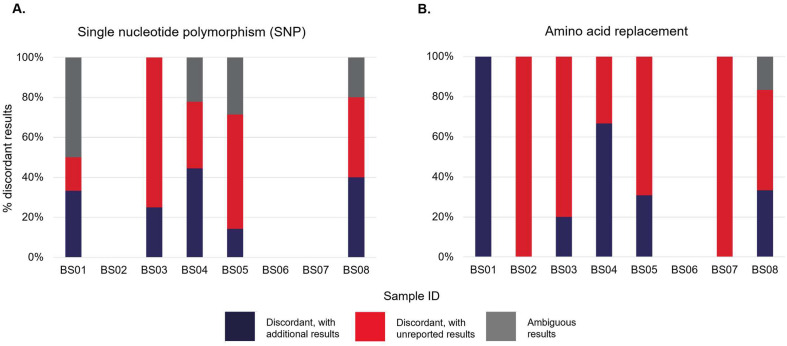
Extensive studies and analyses into the molecular features of severe acute respiratory syndrome related coronavirus 2 (SARS-CoV-2) have enhanced the surveillance and investigation of its clusters and transmission worldwide. The whole genome sequencing (WGS) approach is crucial in identifying the source of infection and transmission routes by monitoring the emergence of variants over time and through communities. Varying SARS-CoV-2 genomics capacity and capability levels have been established in public health laboratories across different Australian states and territories. Therefore, laboratories performing SARS-CoV-2 WGS for public health purposes are recommended to participate in an external proficiency testing program (PTP). This study describes the development of a SARS-CoV-2 WGS PTP. The PTP assessed the performance of laboratories while providing valuable insight into the current state of SARS-CoV-2 genomics in public health across Australia. Part 1 of the PTP contained eight simulated SARS-CoV-2 positive and negative specimens to assess laboratories' wet and dry laboratory capacity. Part 2 involved the analysis of a genomic dataset that consisted of a multi-FASTA file of 70 consensus genomes of SARS-CoV-2. Participating laboratories were required to (1) submit raw data for independent bioinformatics analysis, (2) analyse the data with their processes, and (3) answer relevant questions about the data. The performance of the laboratories was commendable, despite some variation in the reported results due to the different sequencing and bioinformatics approaches used by laboratories. The overall outcome is positive and demonstrates the critical role of the PTP in supporting the implementation and validation of SARS-CoV-2 WGS processes. The data derived from this PTP will contribute to the development of SARS-CoV-2 bioinformatic quality control (QC) and performance benchmarking for accreditation.
对严重急性呼吸综合征相关冠状病毒 2(SARS-CoV-2)的分子特征进行了广泛的研究和分析,增强了对其在全球范围内的聚类和传播的监测和调查。全基因组测序(WGS)方法通过监测随时间和通过社区出现的变体,对于识别感染源和传播途径至关重要。不同的澳大利亚州和地区的公共卫生实验室已经建立了不同的 SARS-CoV-2 基因组学能力和能力水平。因此,建议从事公共卫生目的 SARS-CoV-2 WGS 的实验室参加外部能力验证测试计划(PTP)。本研究描述了 SARS-CoV-2 WGS PTP 的开发。该 PTP 评估了实验室的性能,同时提供了有关澳大利亚公共卫生领域 SARS-CoV-2 基因组学现状的宝贵见解。PTP 的第 1 部分包含 8 个模拟 SARS-CoV-2 阳性和阴性样本,以评估实验室的湿实验室和干实验室能力。第 2 部分涉及分析基因组数据集,该数据集由 70 个 SARS-CoV-2 共识基因组的多 FASTA 文件组成。要求参与实验室(1)提交原始数据进行独立的生物信息学分析,(2)用其流程分析数据,以及(3)回答有关数据的相关问题。尽管由于实验室使用的不同测序和生物信息学方法导致报告结果存在差异,但实验室的表现值得称赞。总体结果是积极的,证明了 PTP 在支持 SARS-CoV-2 WGS 流程的实施和验证方面的关键作用。该 PTP 产生的数据将有助于 SARS-CoV-2 生物信息学质量控制(QC)和认证性能基准的开发。