Kaeffer Nicolas, Leitner Walter
Max Planck Institute for Chemical Energy Conversion, Stiftstrasse 34-36, 45470 Mülheim an der Ruhr, Germany.
JACS Au. 2022 May 31;2(6):1266-1289. doi: 10.1021/jacsau.2c00031. eCollection 2022 Jun 27.
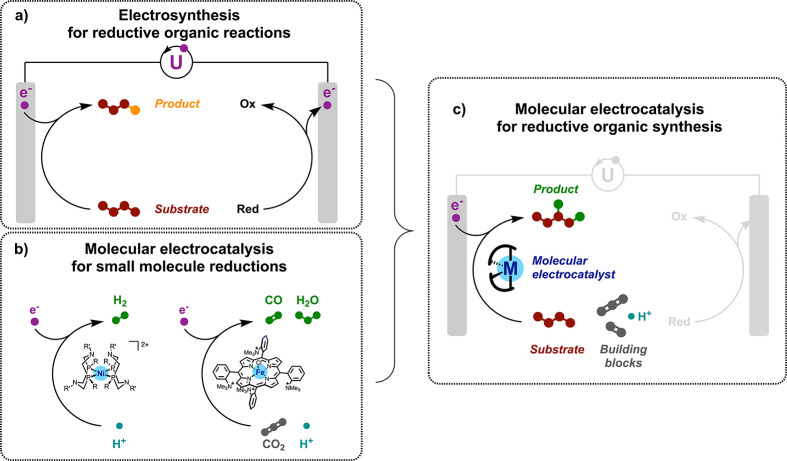
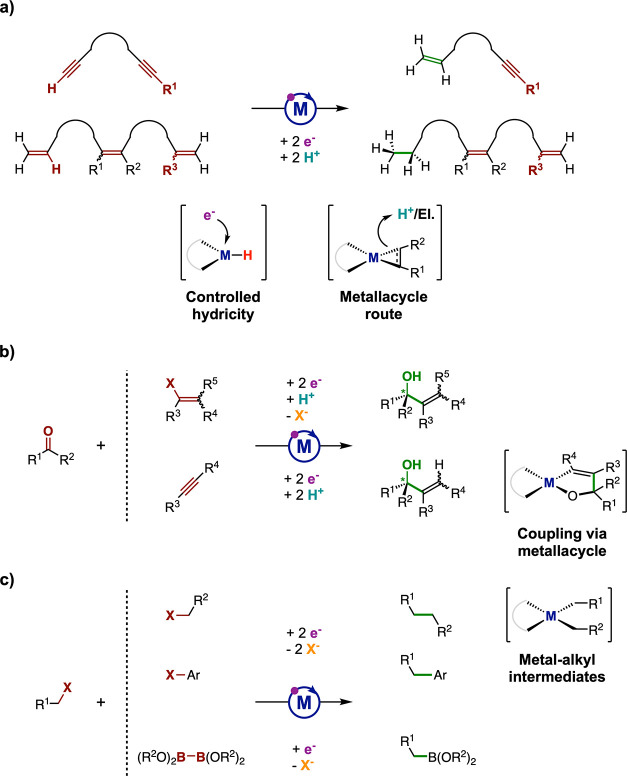
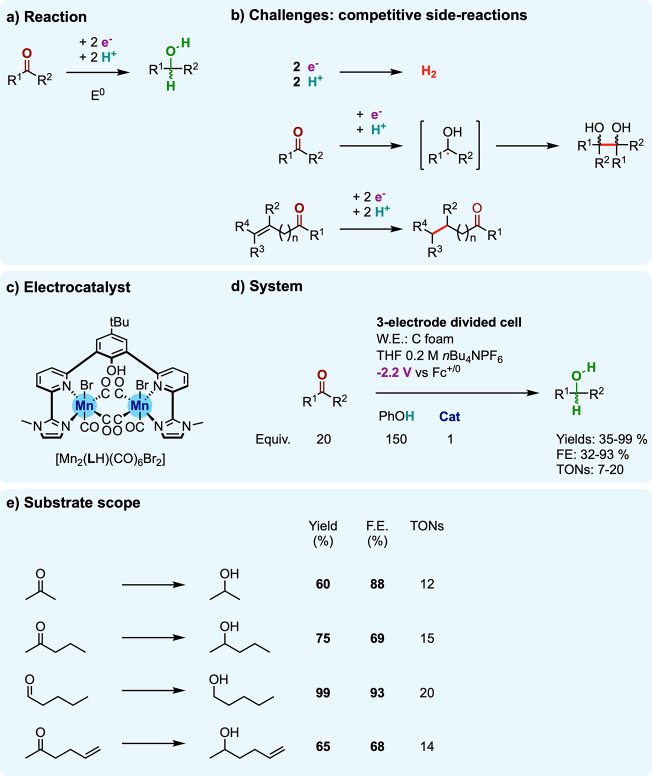
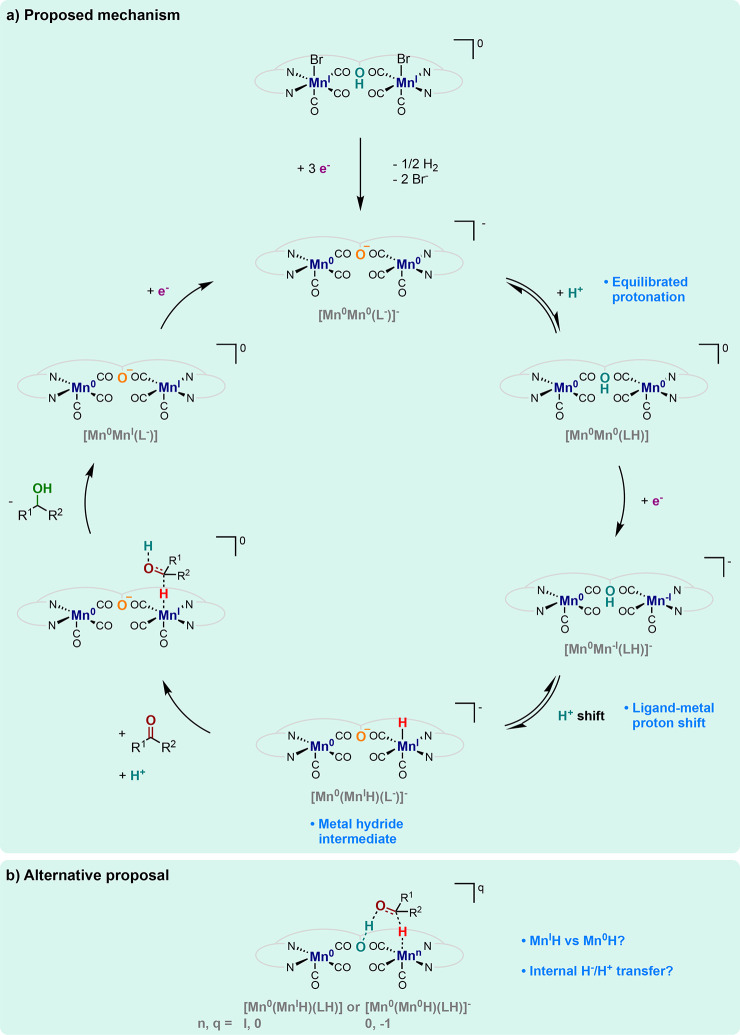
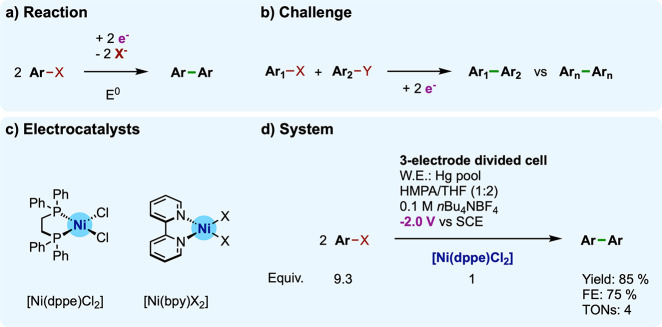
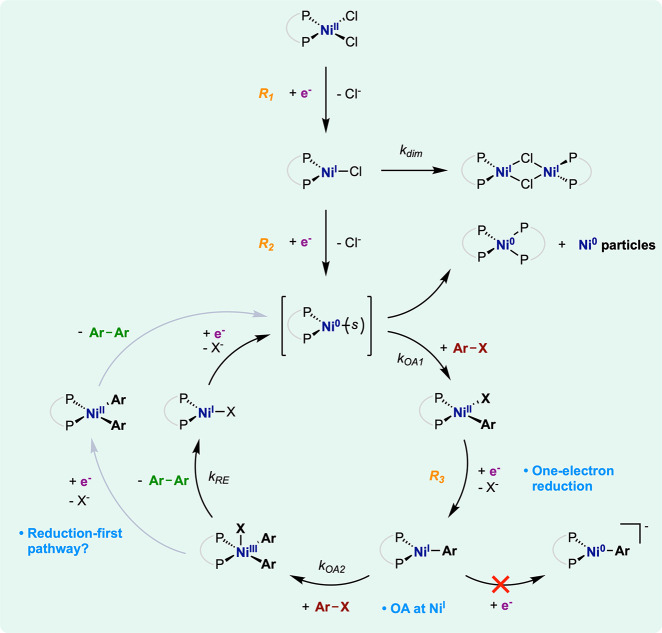
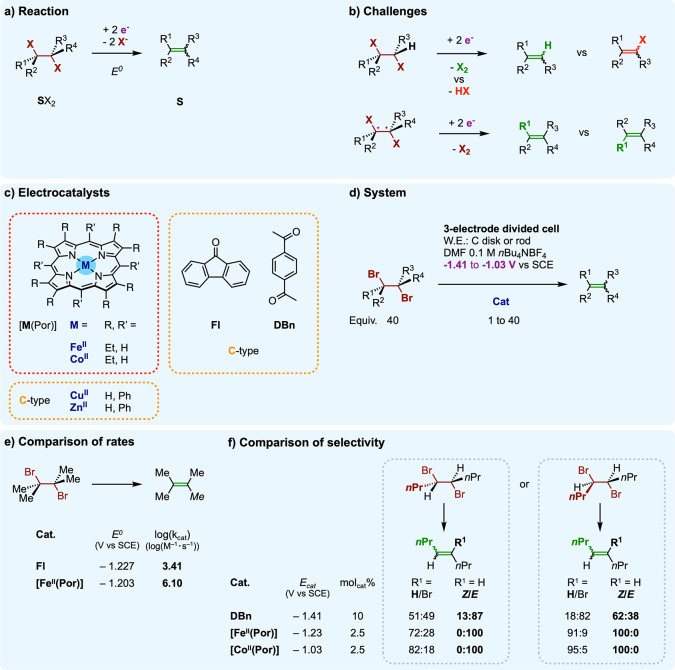
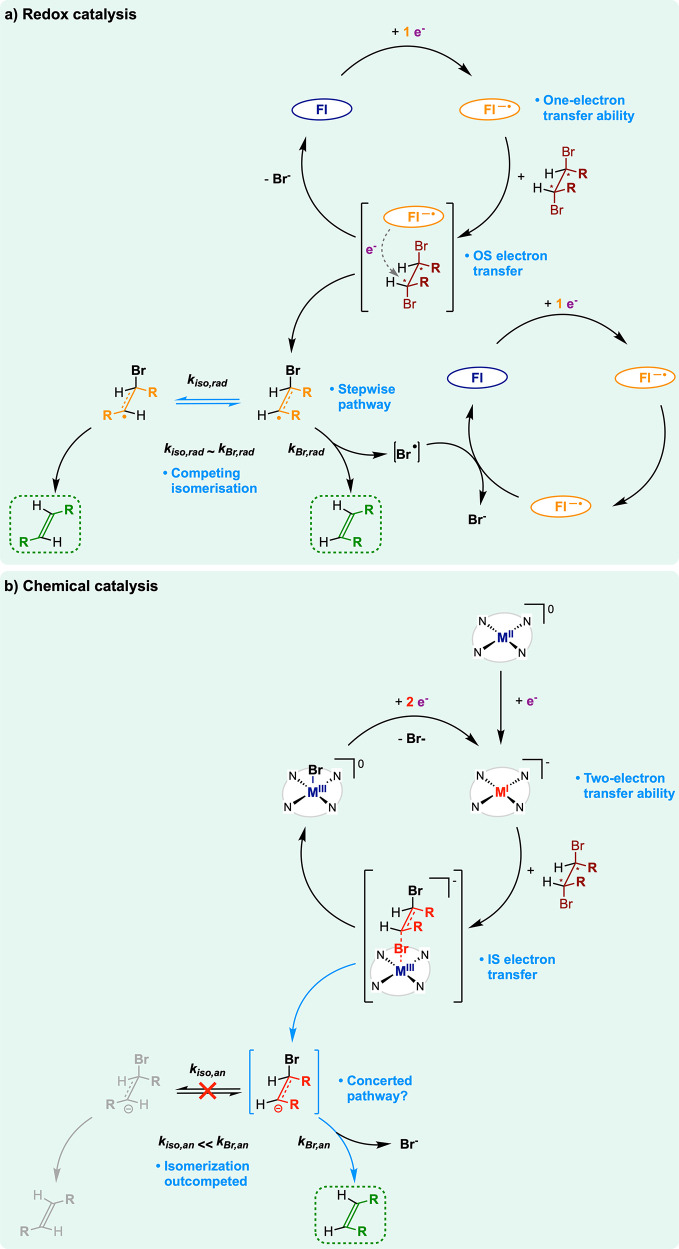
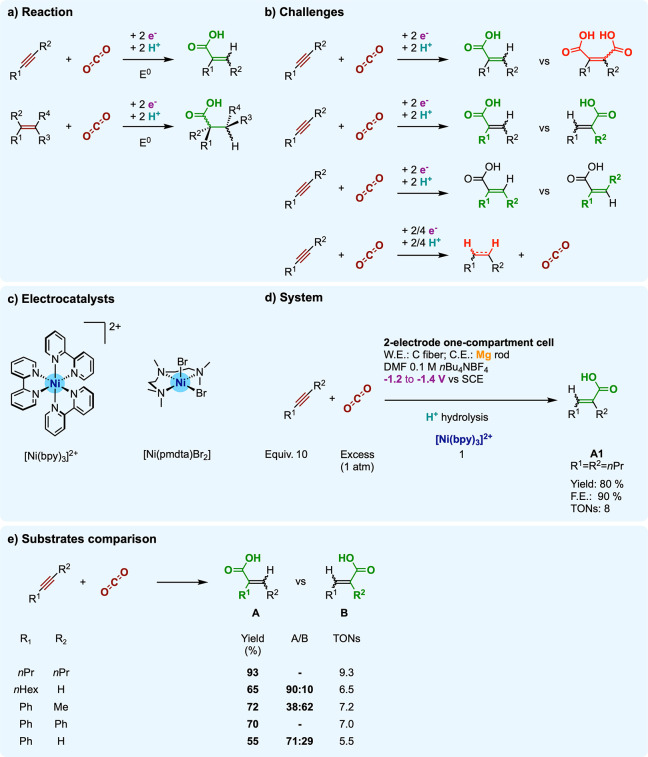
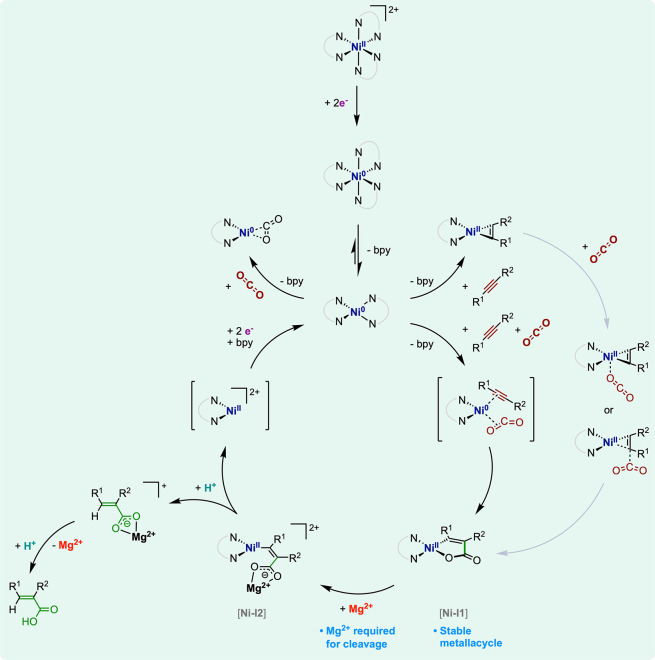
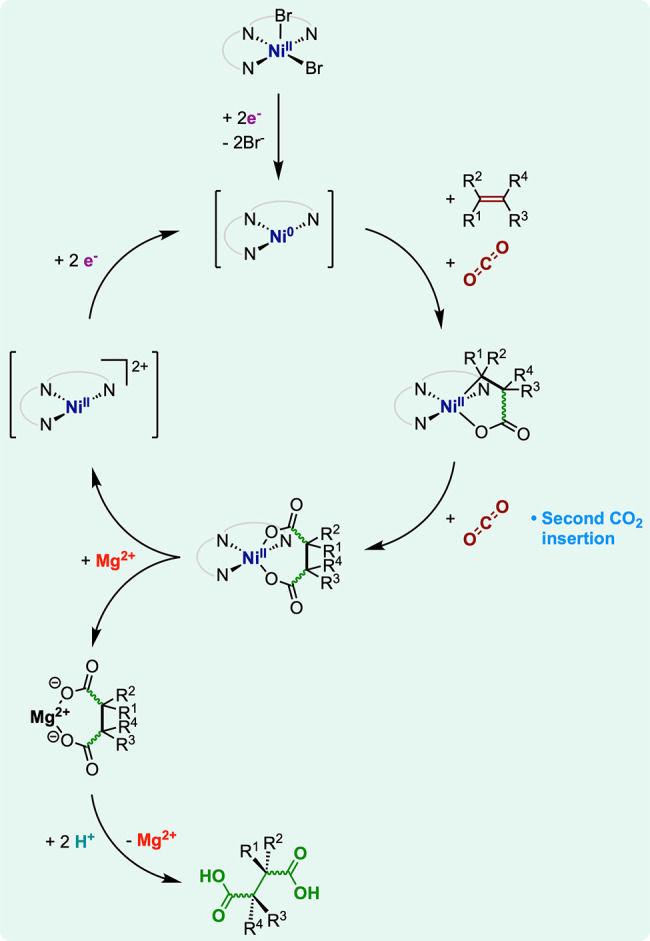
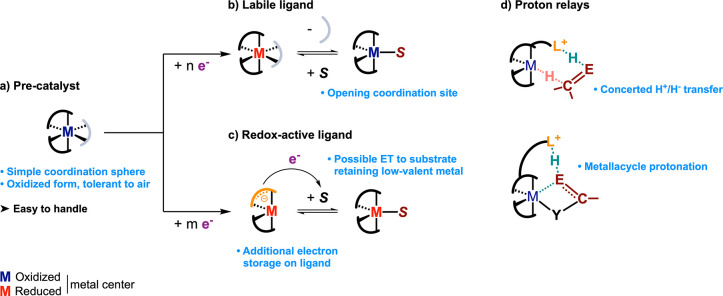
Electrocatalysis enables the formation or cleavage of chemical bonds by a genuine use of electrons or holes from an electrical energy input. As such, electrocatalysis offers resource-economical alternative pathways that bypass sacrificial, waste-generating reagents often required in classical thermal redox reactions. In this Perspective, we showcase the exploitation of molecular electrocatalysts for electrosynthesis, in particular for reductive conversion of organic substrates. Selected case studies illustrate that efficient molecular electrocatalysts not only are appropriate redox shuttles but also embrace the features of organometallic catalysis to facilitate and control chemical steps. From these examples, guidelines are proposed for the design of molecular electrocatalysts suited to the reduction of organic substrates. We finally expose opportunities brought by catalyzed electrosynthesis to functionalize organic backbones, namely using sustainable building blocks.
电催化通过真正利用来自电能输入的电子或空穴来实现化学键的形成或断裂。因此,电催化提供了资源经济的替代途径,绕过了传统热氧化还原反应中经常需要的牺牲性、产生废物的试剂。在这篇综述中,我们展示了分子电催化剂在电合成中的应用,特别是在有机底物的还原转化方面。选定的案例研究表明,高效的分子电催化剂不仅是合适的氧化还原穿梭体,还具备有机金属催化的特性,以促进和控制化学步骤。从这些例子中,我们提出了适用于有机底物还原的分子电催化剂设计指南。我们最终揭示了催化电合成在有机骨架功能化方面带来的机遇,即使用可持续的构建模块。