Proulx Jessica, Stacy Satomi, Park In-Woo, Borgmann Kathleen
Department of Microbiology, Immunology and Genetics at University of North Texas Health Science Center, Fort Worth, TX, United States.
Front Neurosci. 2022 Jun 17;16:906651. doi: 10.3389/fnins.2022.906651. eCollection 2022.
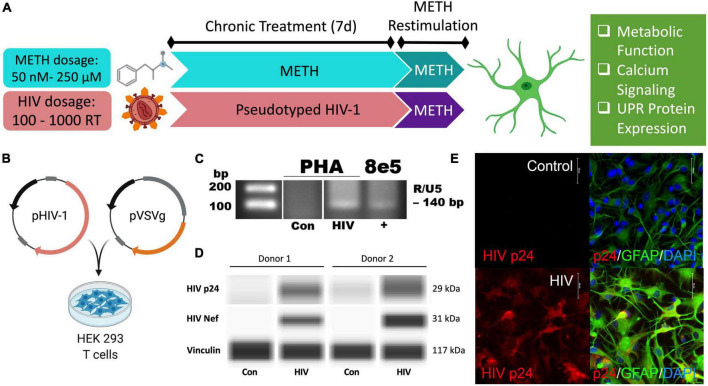
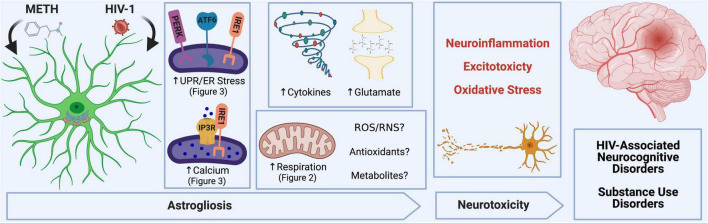
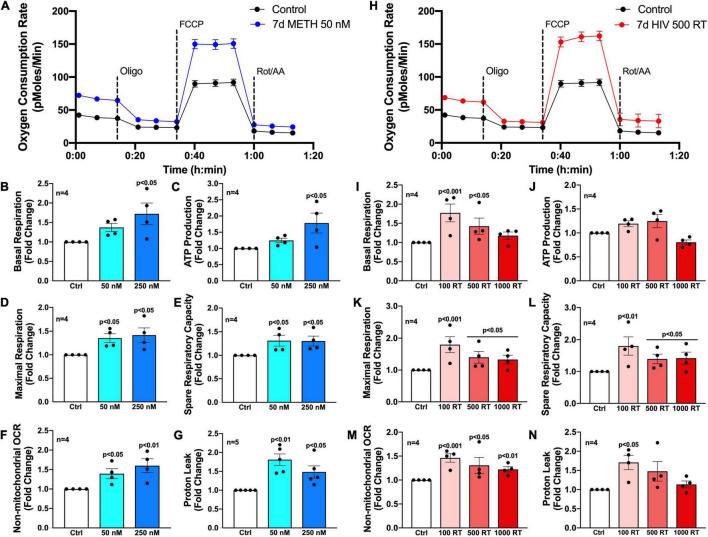
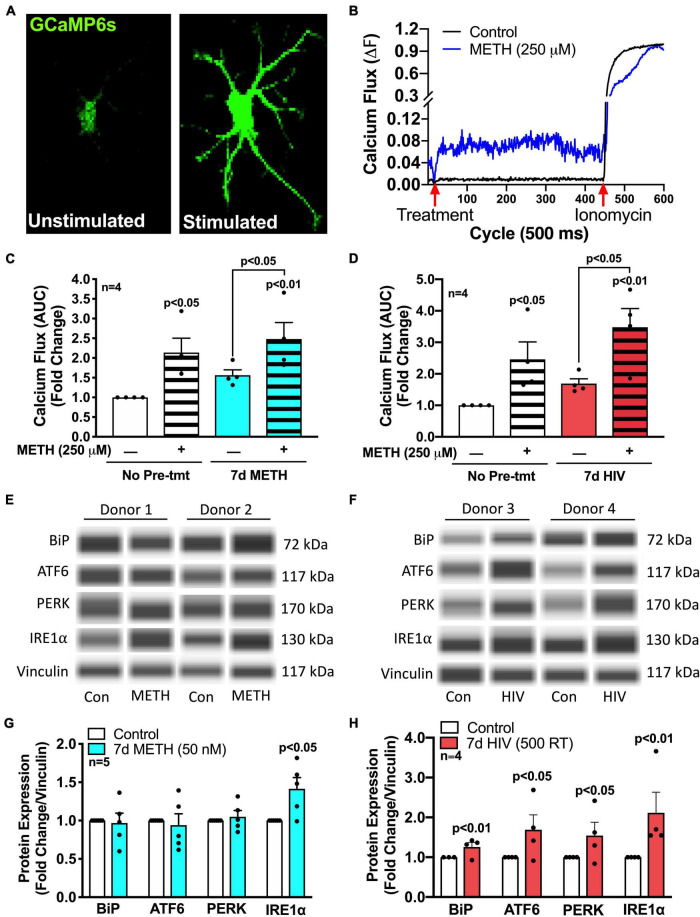
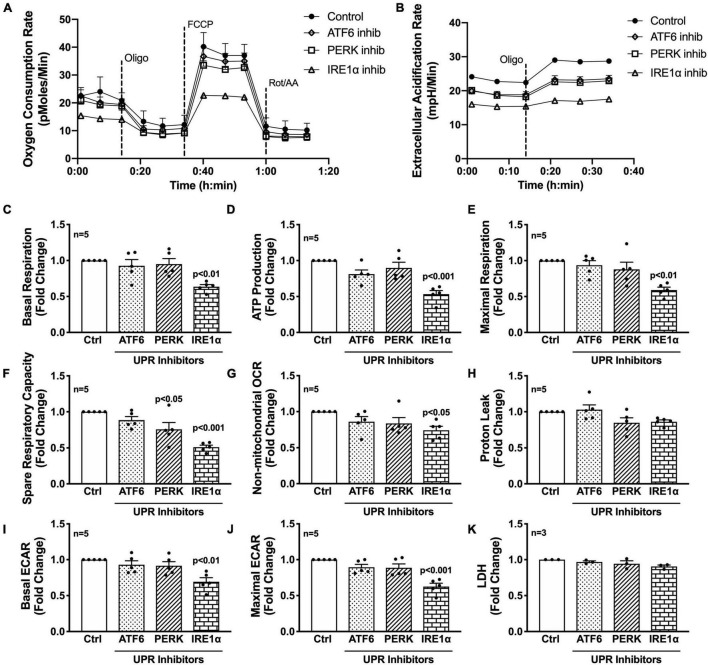
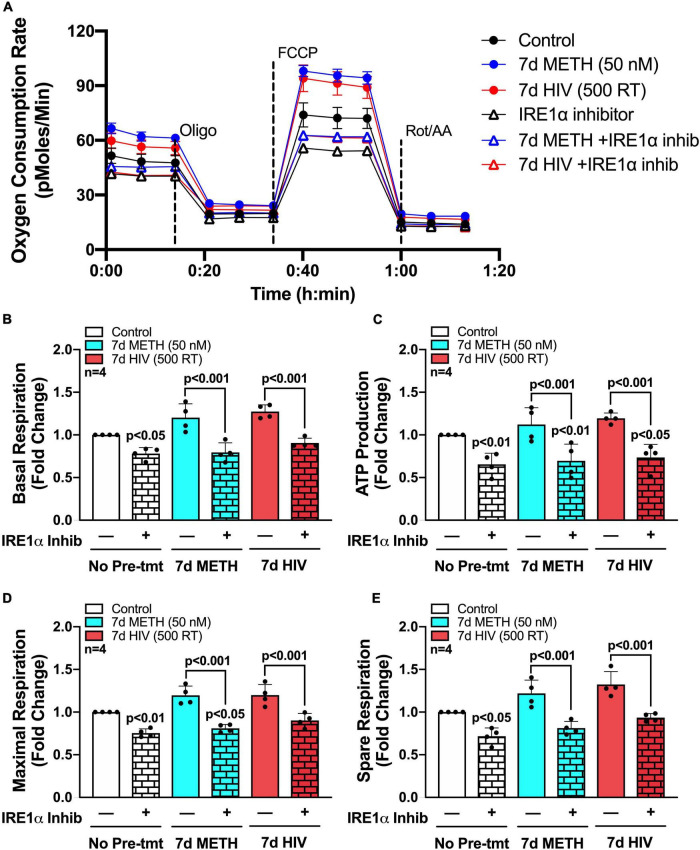
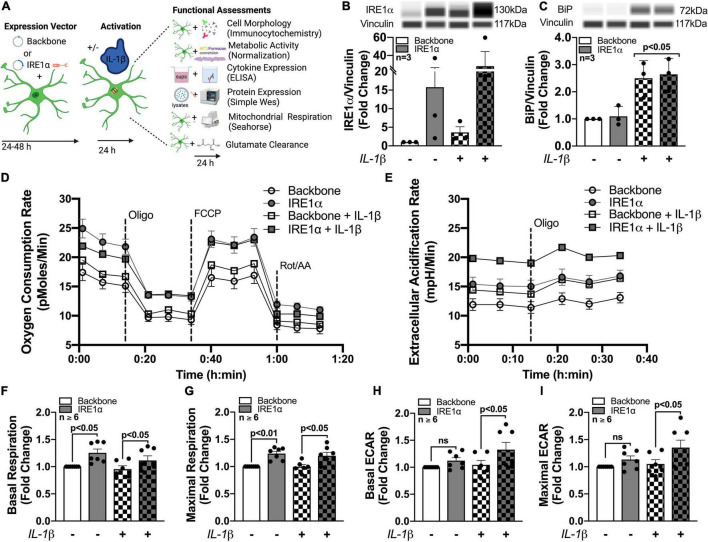
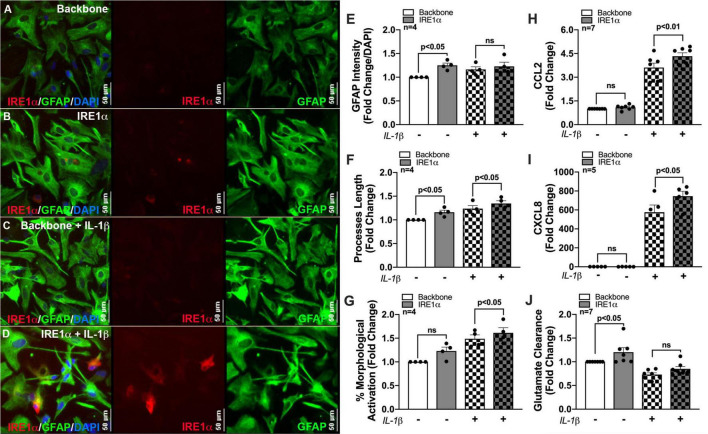
Astrocytes are one of the most numerous glial cells in the central nervous system (CNS) and provide essential support to neurons to ensure CNS health and function. During a neuropathological challenge, such as during human immunodeficiency virus (HIV)-1 infection or (METH)amphetamine exposure, astrocytes shift their neuroprotective functions and can become neurotoxic. Identifying cellular and molecular mechanisms underlying astrocyte dysfunction are of heightened importance to optimize the coupling between astrocytes and neurons and ensure neuronal fitness against CNS pathology, including HIV-1-associated neurocognitive disorders (HAND) and METH use disorder. Mitochondria are essential organelles for regulating metabolic, antioxidant, and inflammatory profiles. Moreover, endoplasmic reticulum (ER)-associated signaling pathways, such as calcium and the unfolded protein response (UPR), are important messengers for cellular fate and function, including inflammation and mitochondrial homeostasis. Increasing evidence supports that the three arms of the UPR are involved in the direct contact and communication between ER and mitochondria through mitochondria-associated ER membranes (MAMs). The current study investigated the effects of HIV-1 infection and chronic METH exposure on astrocyte ER and mitochondrial homeostasis and then examined the three UPR messengers as potential regulators of astrocyte mitochondrial dysfunction. Using primary human astrocytes infected with pseudotyped HIV-1 or exposed to low doses of METH for 7 days, astrocytes had increased mitochondrial oxygen consumption rate (OCR), cytosolic calcium flux and protein expression of UPR mediators. Notably, inositol-requiring protein 1α (IRE1α) was most prominently upregulated following both HIV-1 infection and chronic METH exposure. Moreover, pharmacological inhibition of the three UPR arms highlighted IRE1α as a key regulator of astrocyte metabolic function. To further explore the regulatory role of astrocyte IRE1α, astrocytes were transfected with an IRE1α overexpression vector followed by activation with the proinflammatory cytokine interleukin 1β. Overall, our findings confirm IRE1α modulates astrocyte mitochondrial respiration, glycolytic function, morphological activation, inflammation, and glutamate uptake, highlighting a novel potential target for regulating astrocyte dysfunction. Finally, these findings suggest both canonical and non-canonical UPR mechanisms of astrocyte IRE1α. Thus, additional studies are needed to determine how to best balance astrocyte IRE1α functions to both promote astrocyte neuroprotective properties while preventing neurotoxic properties during CNS pathologies.
星形胶质细胞是中枢神经系统(CNS)中数量最多的神经胶质细胞之一,为神经元提供重要支持,以确保中枢神经系统的健康和功能。在神经病理学挑战期间,例如在人类免疫缺陷病毒(HIV)-1感染或甲基苯丙胺(METH)暴露期间,星形胶质细胞会改变其神经保护功能,并可能变得具有神经毒性。确定星形胶质细胞功能障碍背后的细胞和分子机制对于优化星形胶质细胞与神经元之间的耦合,并确保神经元抵御包括HIV-1相关神经认知障碍(HAND)和甲基苯丙胺使用障碍在内的中枢神经系统病理学至关重要。线粒体是调节代谢、抗氧化和炎症特征的重要细胞器。此外,内质网(ER)相关的信号通路,如钙和未折叠蛋白反应(UPR),是细胞命运和功能的重要信使,包括炎症和线粒体稳态。越来越多的证据支持,UPR的三个分支通过线粒体相关内质网膜(MAMs)参与内质网和线粒体之间的直接接触和通讯。本研究调查了HIV-1感染和慢性甲基苯丙胺暴露对星形胶质细胞内质网和线粒体稳态的影响,然后研究了三种UPR信使作为星形胶质细胞线粒体功能障碍的潜在调节因子。使用感染假型HIV-1或暴露于低剂量甲基苯丙胺7天的原代人星形胶质细胞,发现星形胶质细胞的线粒体氧消耗率(OCR)、胞质钙通量和UPR介质的蛋白表达增加。值得注意的是,在HIV-1感染和慢性甲基苯丙胺暴露后,肌醇需要蛋白1α(IRE1α)上调最为显著。此外,对UPR三个分支的药理学抑制突出了IRE1α作为星形胶质细胞代谢功能的关键调节因子。为了进一步探索星形胶质细胞IRE1α的调节作用,用IRE1α过表达载体转染星形胶质细胞,然后用促炎细胞因子白细胞介素1β激活。总体而言,我们的研究结果证实IRE1α调节星形胶质细胞的线粒体呼吸、糖酵解功能、形态激活、炎症和谷氨酸摄取,突出了一个调节星形胶质细胞功能障碍的新潜在靶点。最后这些发现提示了星形胶质细胞IRE1α的经典和非经典UPR机制。因此,需要进一步研究以确定如何最好地平衡星形胶质细胞IRE1α的功能,以在中枢神经系统病理学过程中既促进星形胶质细胞的神经保护特性,又防止其神经毒性特性。