Developmental Biology Program, Memorial Sloan Kettering Cancer Center, New York, NY, USA.
Computational and Systems Biology Program, Memorial Sloan Kettering Cancer Center, New York, NY, USA.
Nat Cell Biol. 2022 Jul;24(7):1064-1076. doi: 10.1038/s41556-022-00946-4. Epub 2022 Jul 4.
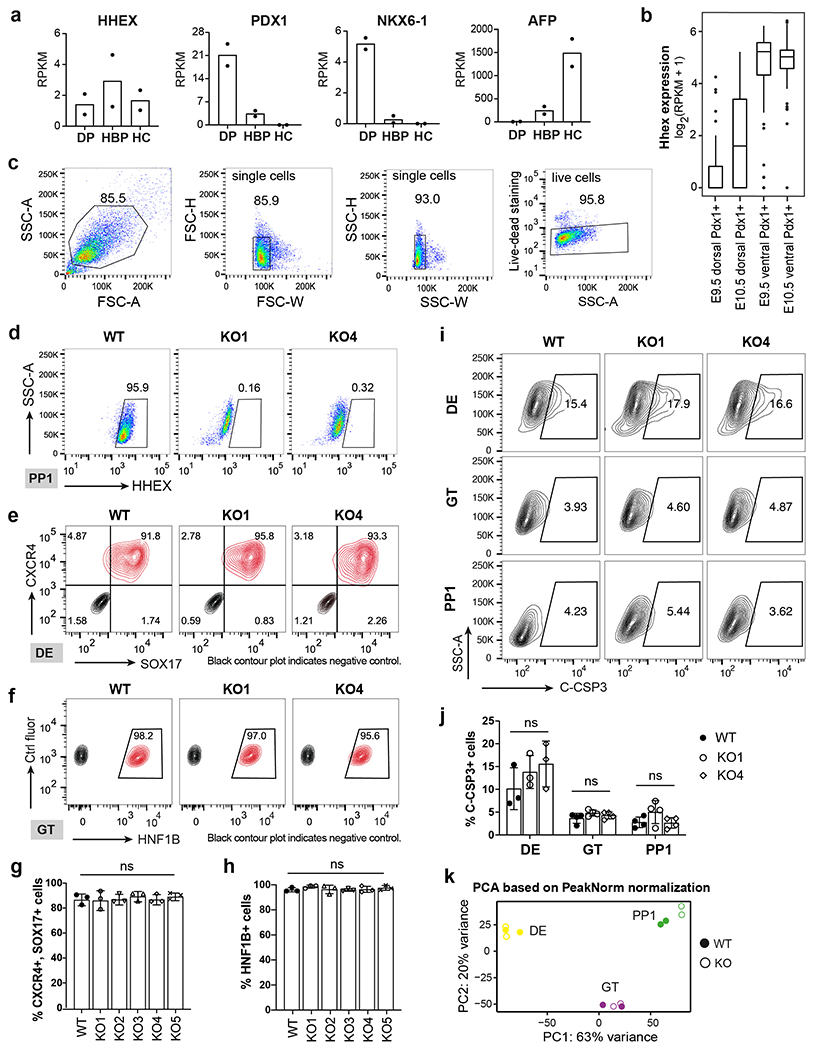
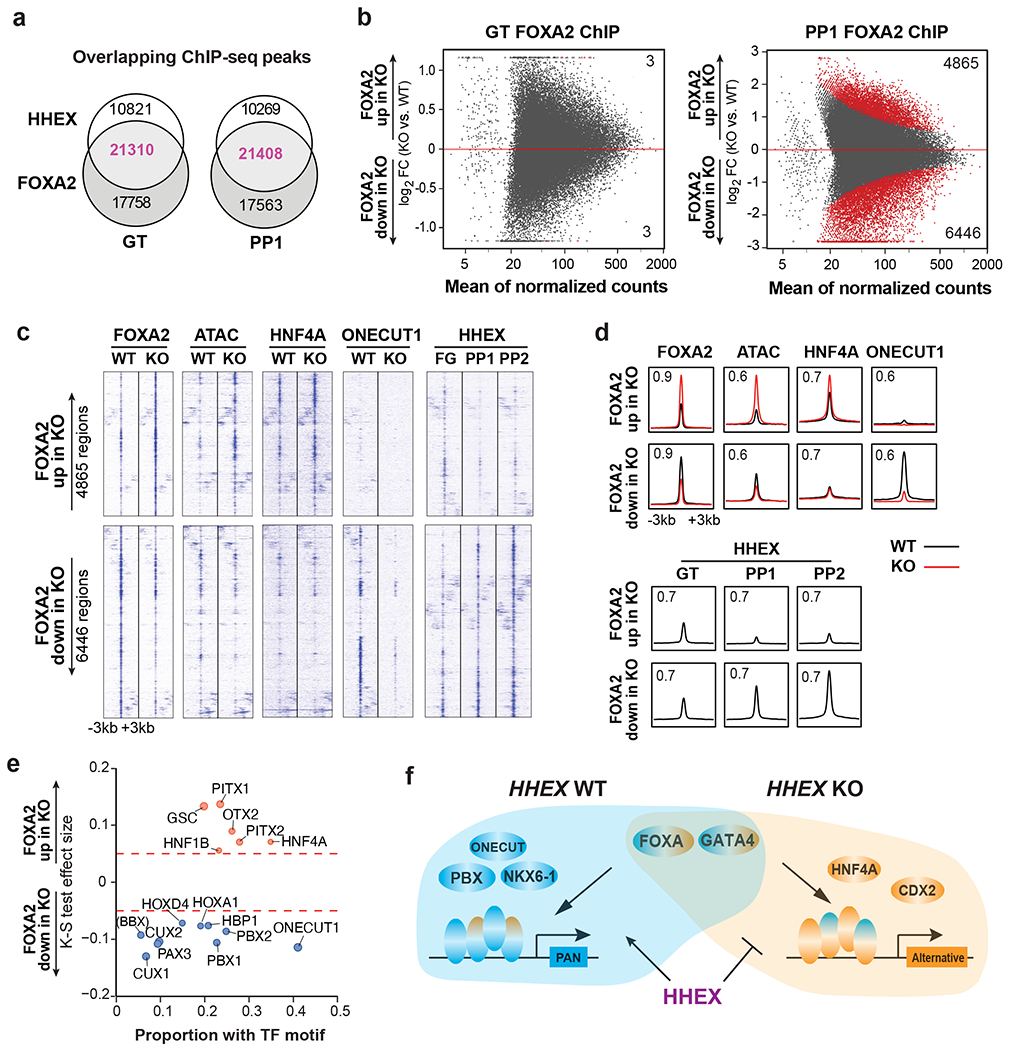
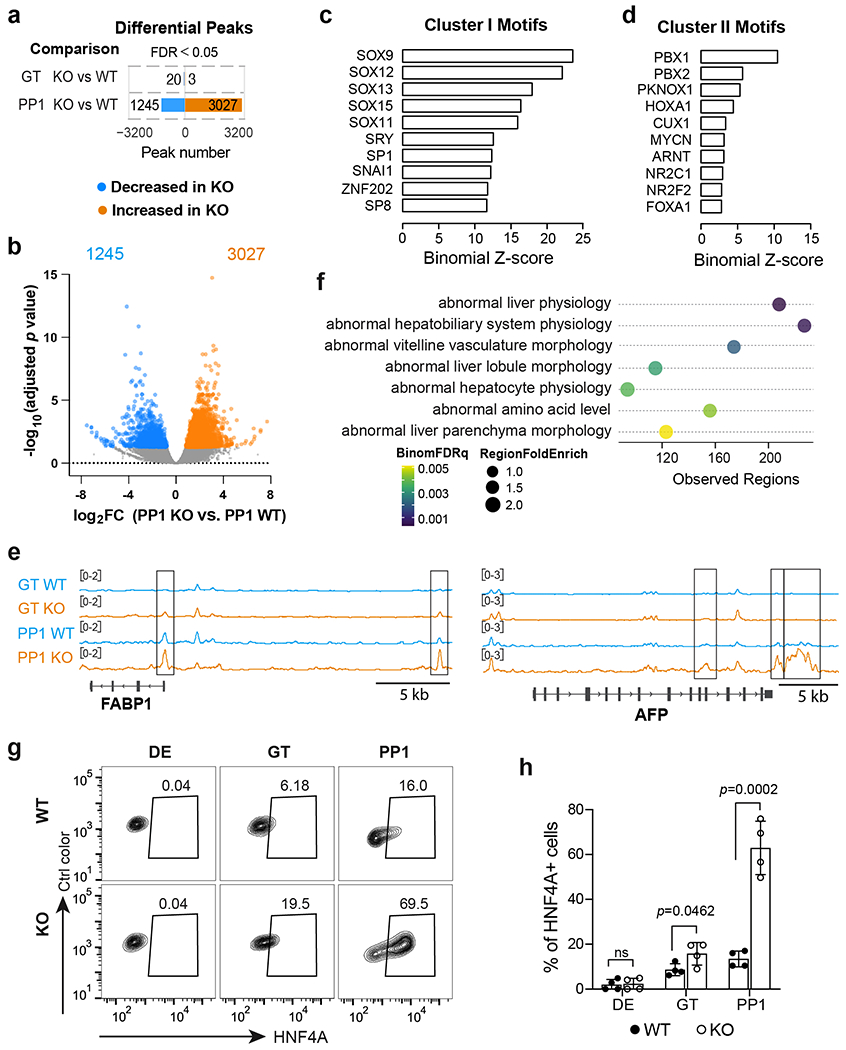
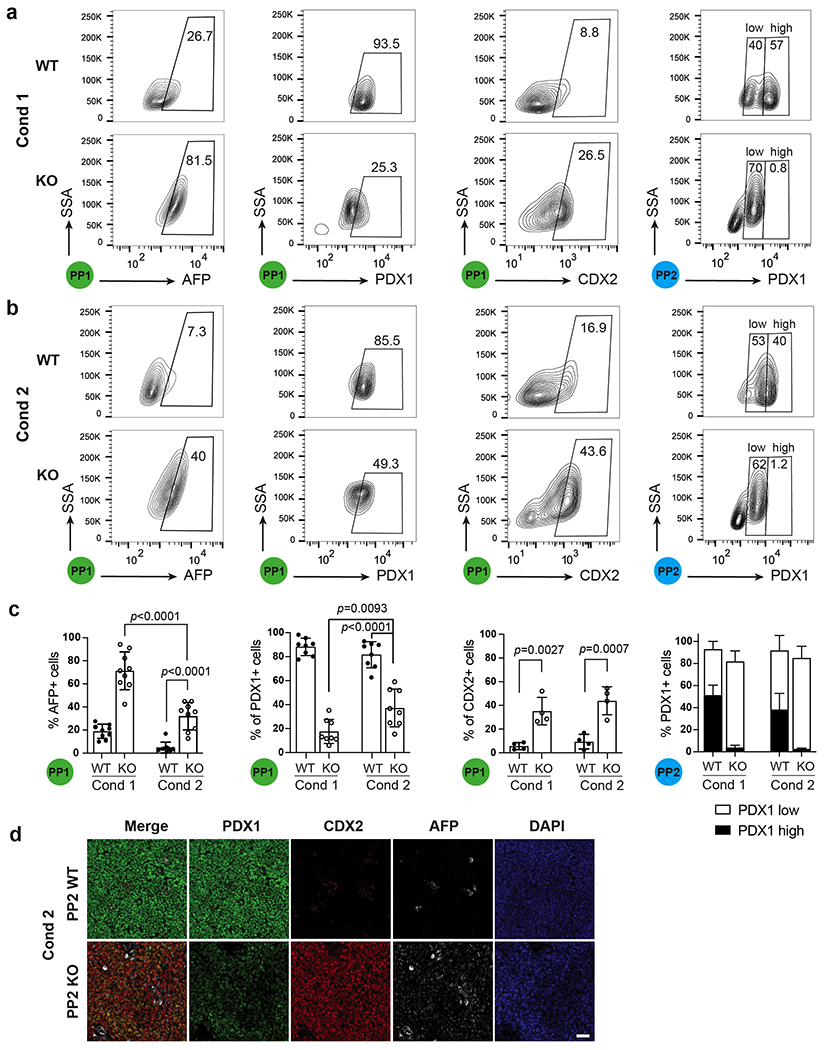
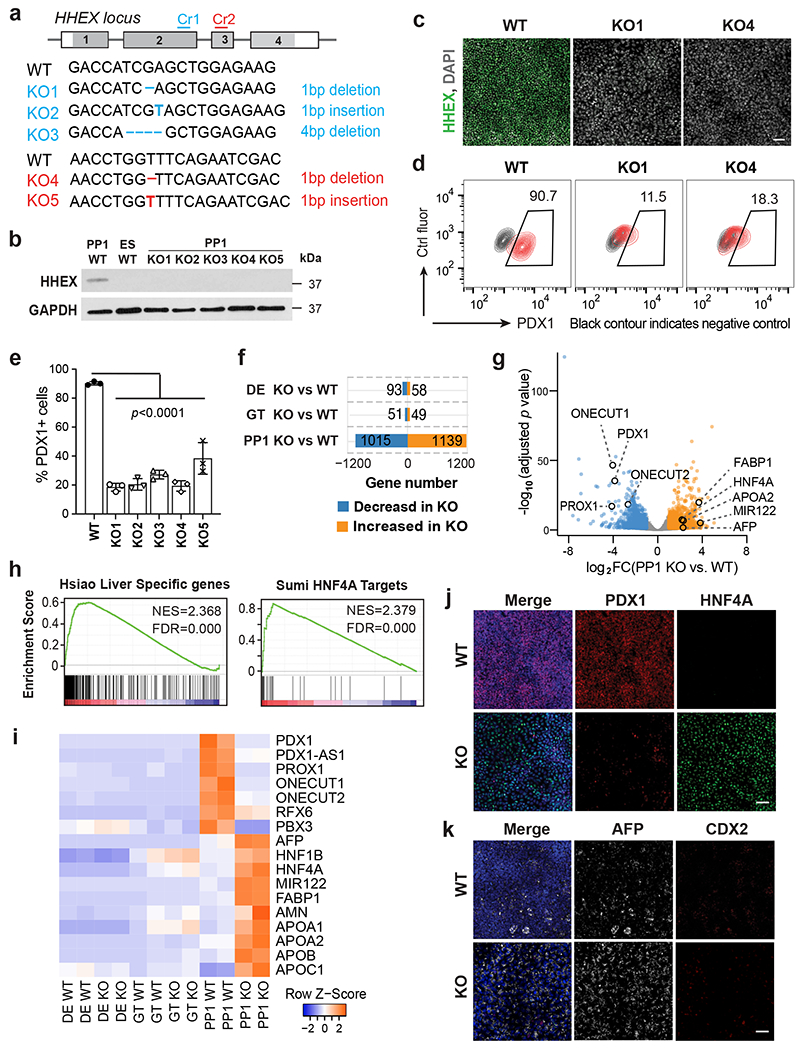
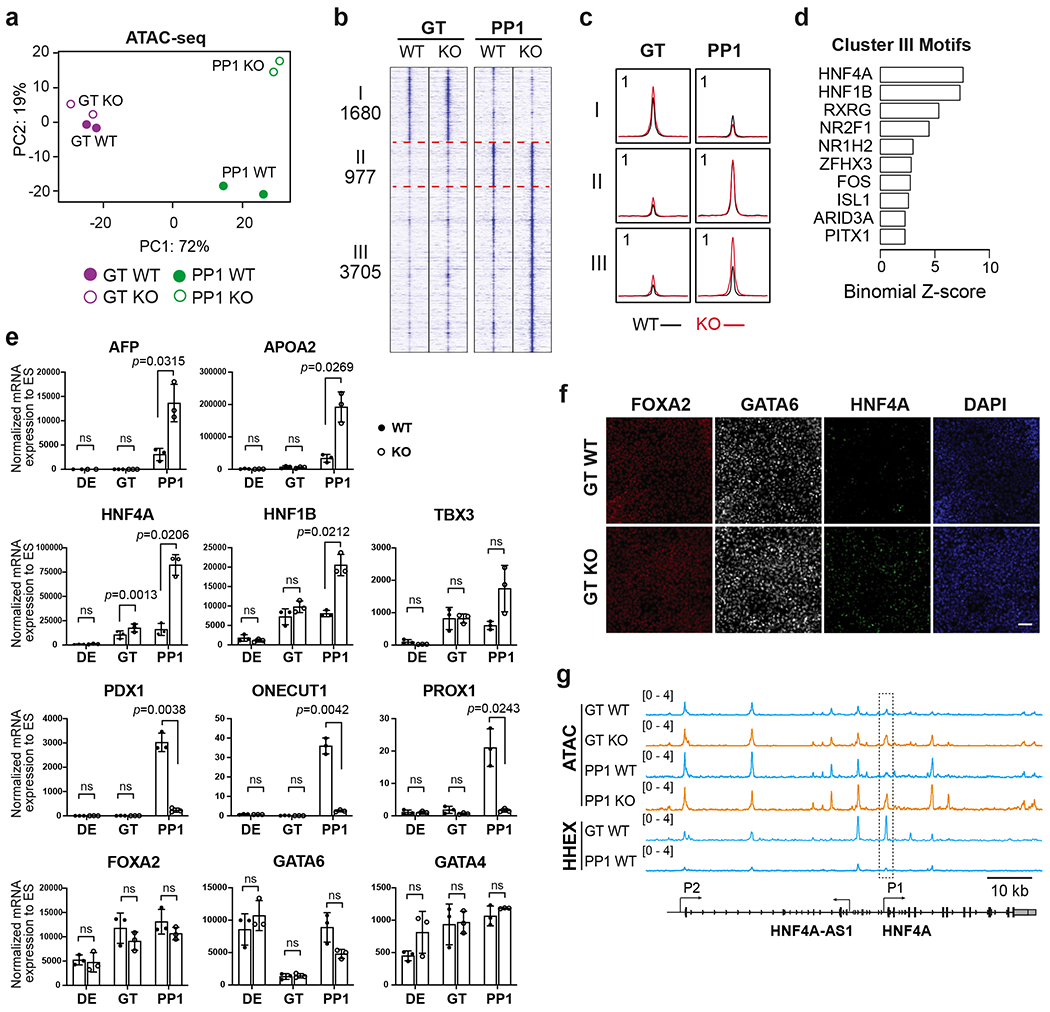
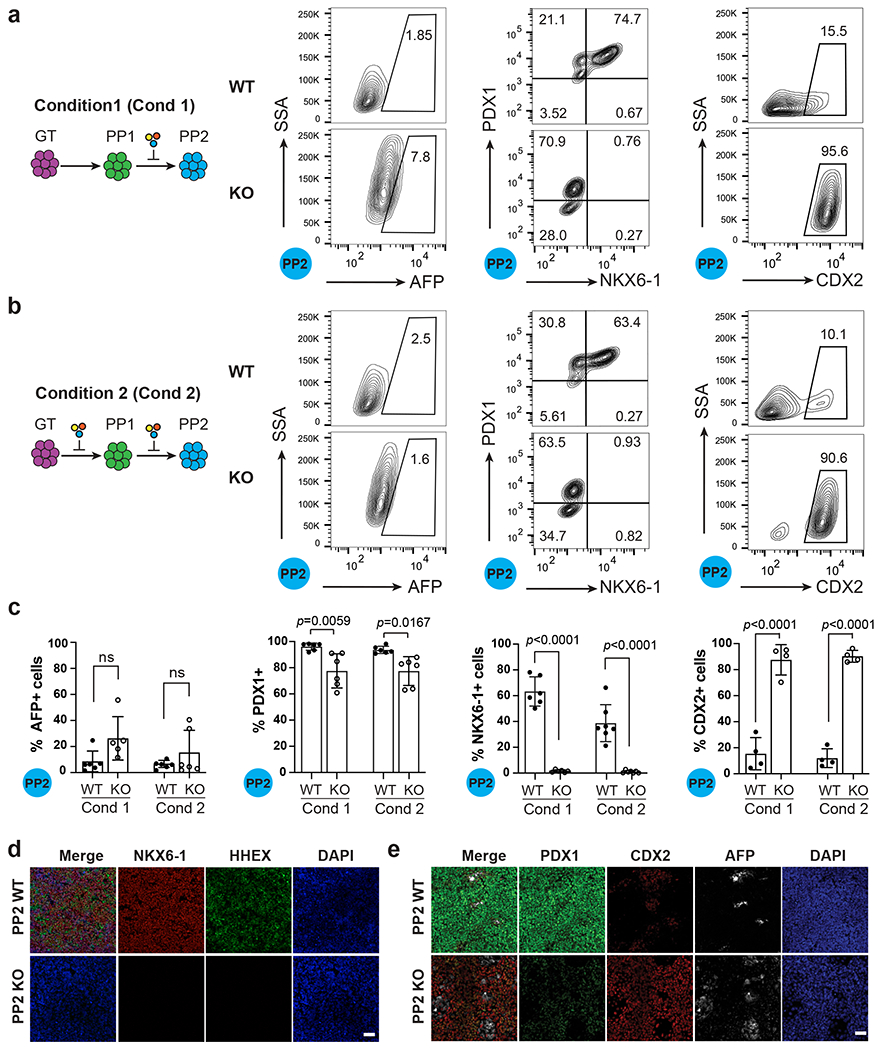
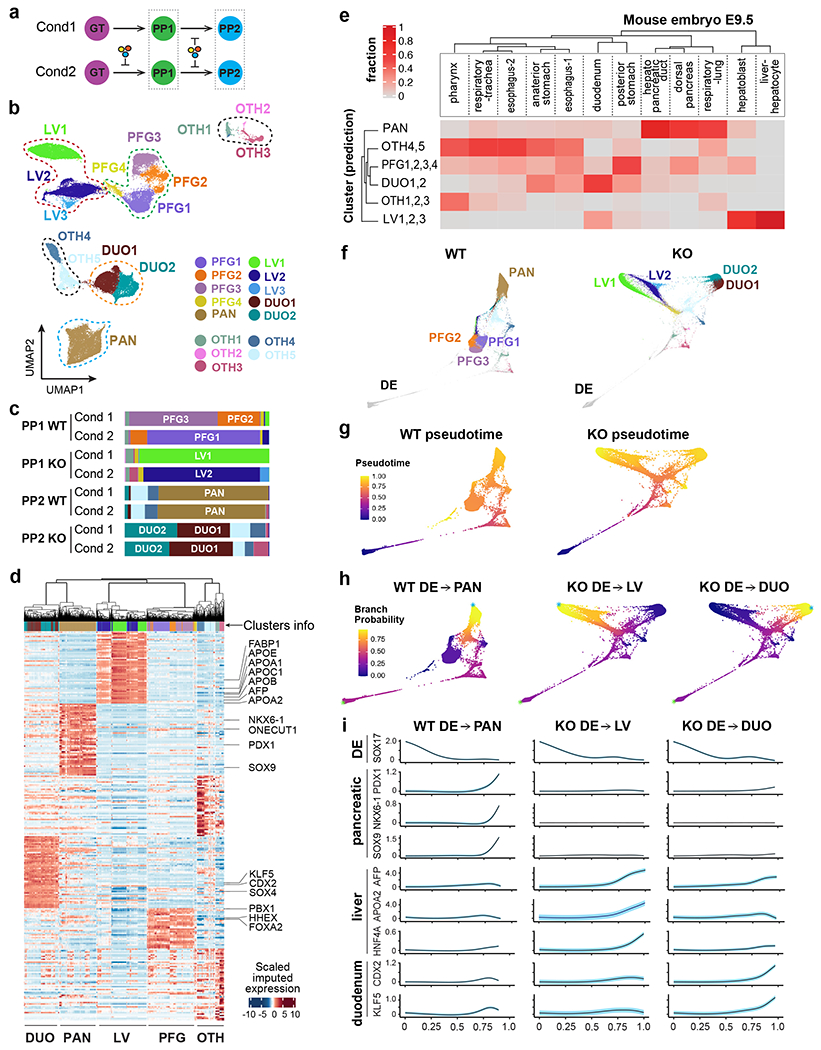
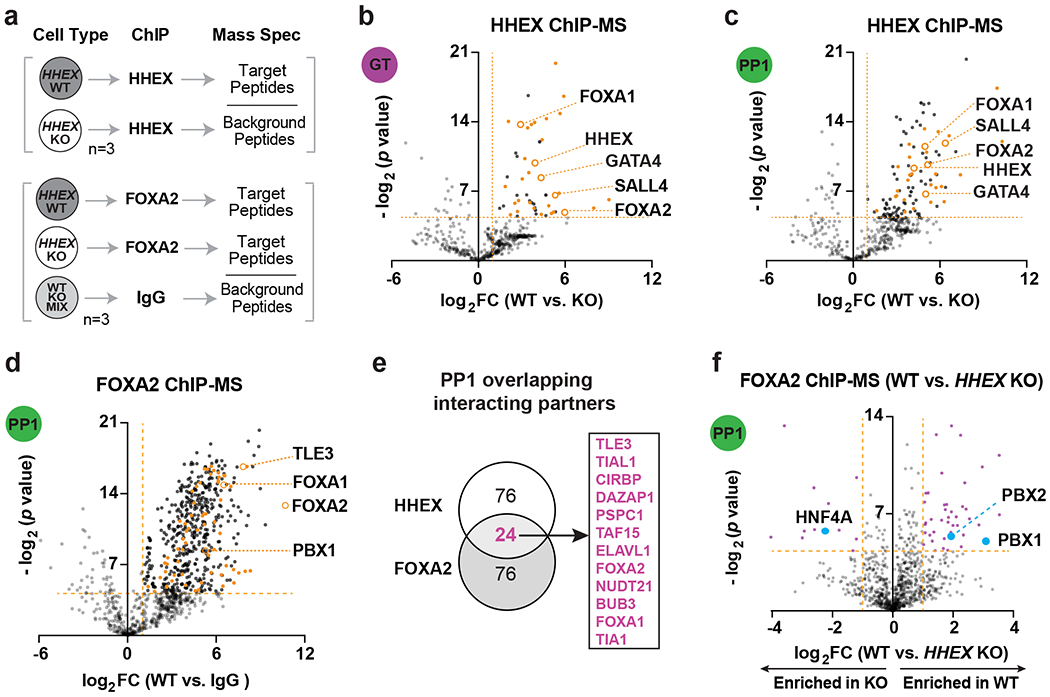
The pancreas and liver arise from a common pool of progenitors. However, the underlying mechanisms that drive their lineage diversification from the foregut endoderm are not fully understood. To tackle this question, we undertook a multifactorial approach that integrated human pluripotent-stem-cell-guided differentiation, genome-scale CRISPR-Cas9 screening, single-cell analysis, genomics and proteomics. We discovered that HHEX, a transcription factor (TF) widely recognized as a key regulator of liver development, acts as a gatekeeper of pancreatic lineage specification. HHEX deletion impaired pancreatic commitment and unleashed an unexpected degree of cellular plasticity towards the liver and duodenum fates. Mechanistically, HHEX cooperates with the pioneer TFs FOXA1, FOXA2 and GATA4, shared by both pancreas and liver differentiation programmes, to promote pancreas commitment, and this cooperation restrains the shared TFs from activating alternative lineages. These findings provide a generalizable model for how gatekeeper TFs like HHEX orchestrate lineage commitment and plasticity restriction in broad developmental contexts.
胰腺和肝脏来源于一个共同的祖细胞池。然而,驱动它们从前肠内胚层分化为不同谱系的潜在机制尚未完全阐明。为了解决这个问题,我们采用了一种多因素的方法,该方法整合了人多能干细胞指导的分化、基因组规模的 CRISPR-Cas9 筛选、单细胞分析、基因组学和蛋白质组学。我们发现,HHEX 是一种转录因子 (TF),广泛认为是肝脏发育的关键调节因子,它作为胰腺谱系特化的守门员。HHEX 的缺失会损害胰腺的定型,并释放出一种意想不到的程度的细胞可塑性,向肝脏和十二指肠命运发展。从机制上讲,HHEX 与 FOXA1、FOXA2 和 GATA4 等先驱 TF 合作,这些 TF 共同参与胰腺和肝脏分化程序,促进胰腺的定型,这种合作限制了共享 TF 激活替代谱系。这些发现为像 HHEX 这样的守门员 TF 如何在广泛的发育背景下协调谱系定型和可塑性限制提供了一个可推广的模型。