NHC Key Laboratory of Transplant Engineering and Immunology, Regenerative Medicine Research Center, Frontiers Science Center for Disease-related Molecular Network, West China Hospital of Sichuan University, Chengdu, China.
Department of Nephrology, West China Hospital of Sichuan University, Chengdu, China.
J Control Release. 2022 Sep;349:118-132. doi: 10.1016/j.jconrel.2022.06.063. Epub 2022 Jul 6.
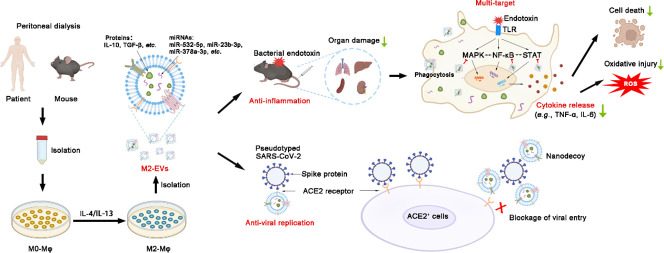
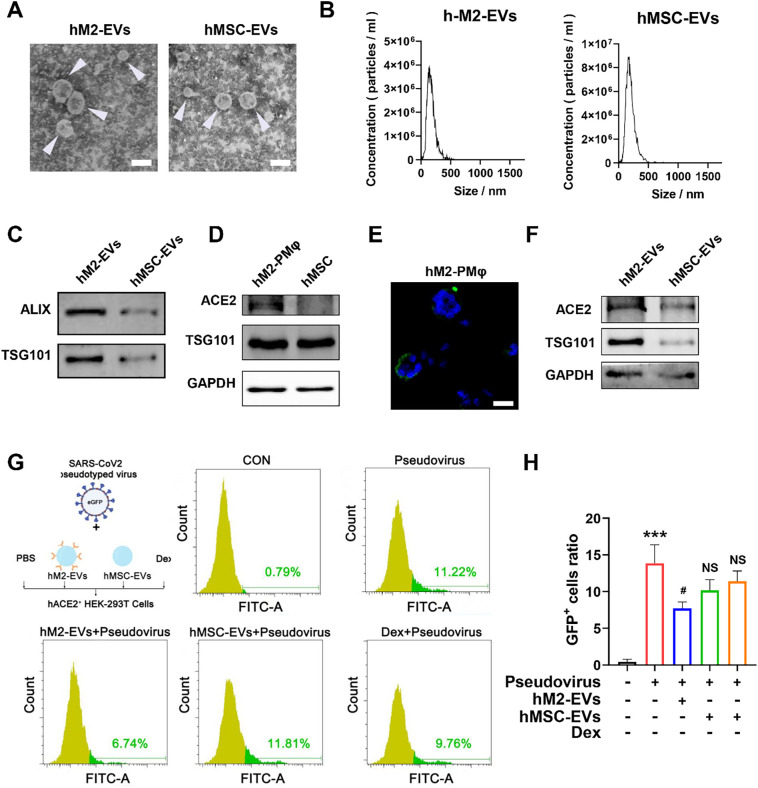
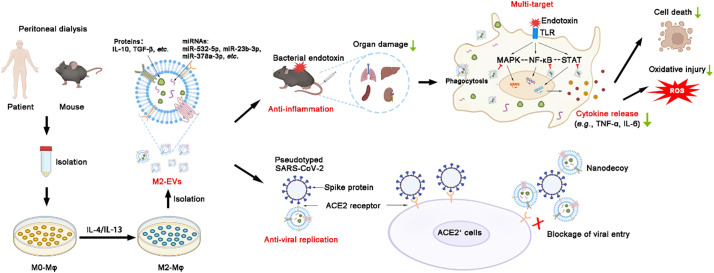
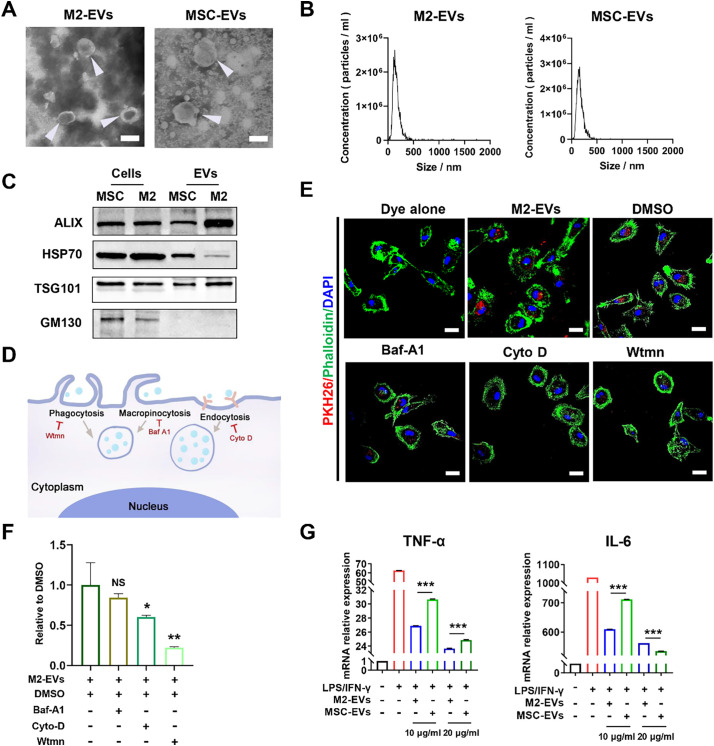
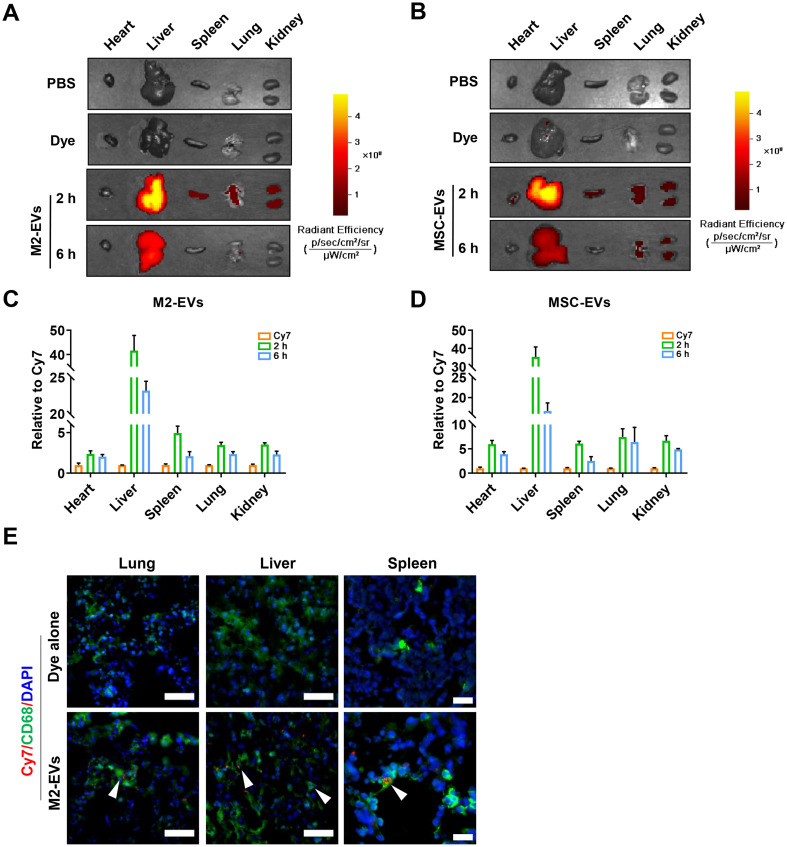
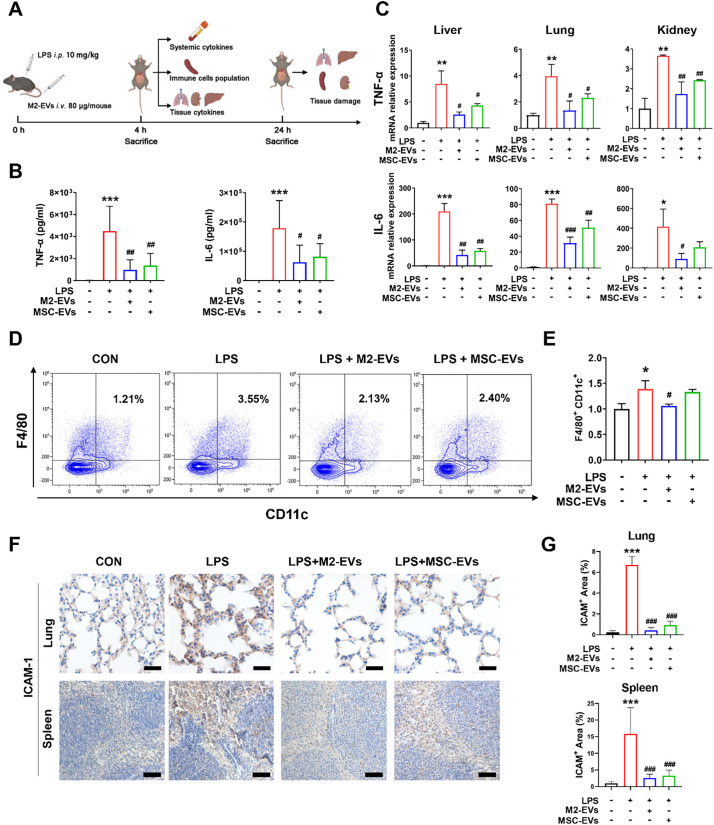
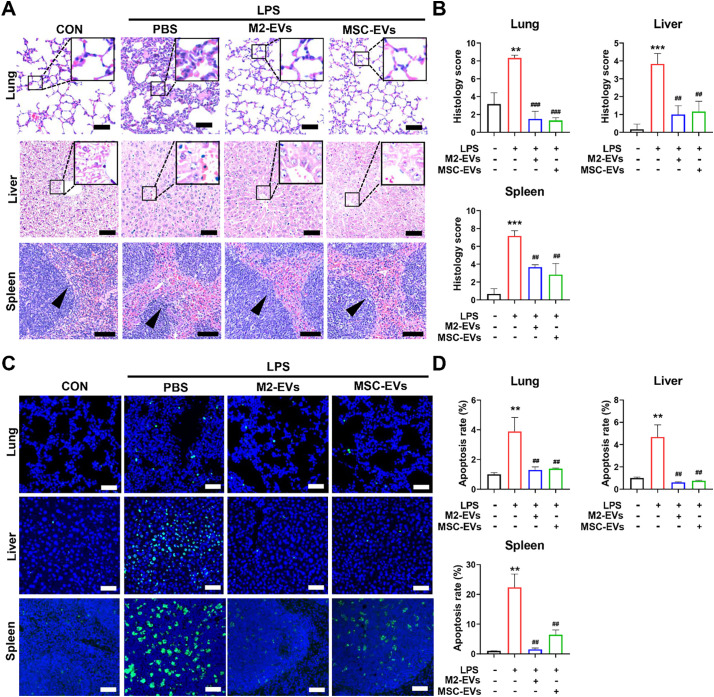
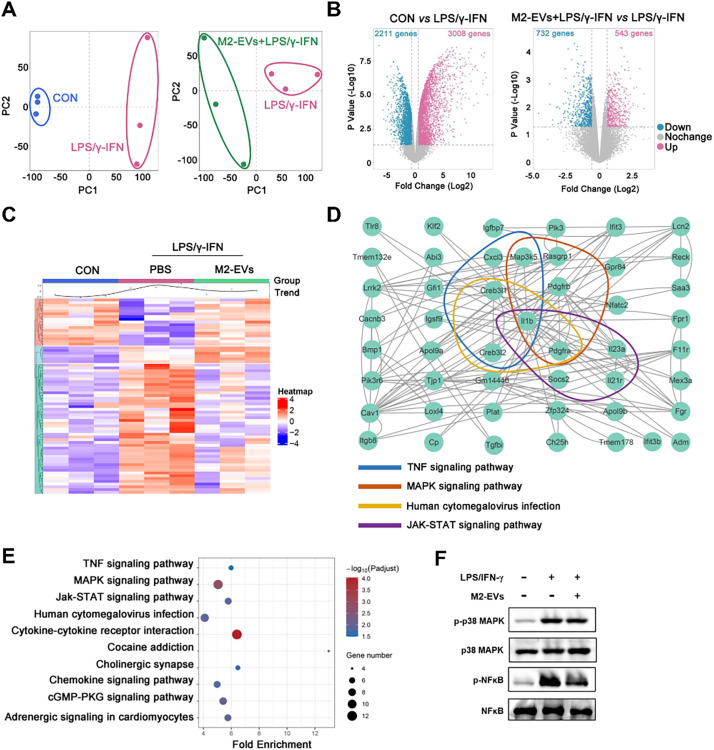
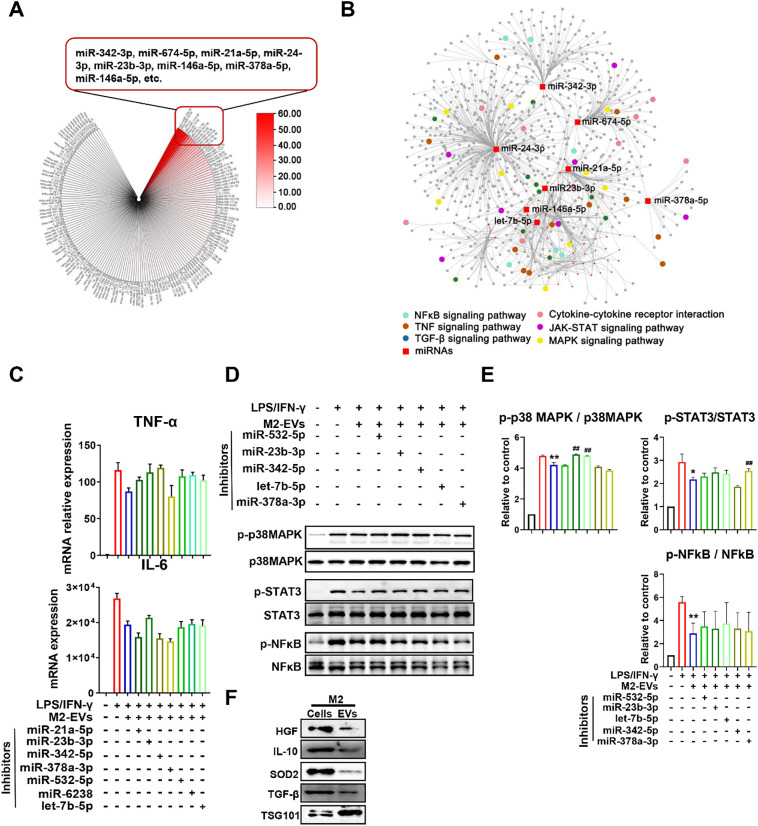
Cytokine storms are a primary cause of multiple organ damage and death after severe infections, such as SARS-CoV-2. However, current single cytokine-targeted strategies display limited therapeutic efficacy. Here, we report that peritoneal M2 macrophage-derived extracellular vesicles (M2-EVs) are multitarget nanotherapeutics that can be used to resolve cytokine storms. In detail, primary peritoneal M2 macrophages exhibited superior anti-inflammatory potential than immobilized cell lines. Systemically administered M2-EVs entered major organs and were taken up by phagocytes (e.g., macrophages). M2-EV treatment effectively reduced excessive cytokine (e.g., TNF-α and IL-6) release in vitro and in vivo, thereby attenuating oxidative stress and multiple organ (lung, liver, spleen and kidney) damage in endotoxin-induced cytokine storms. Moreover, M2-EVs simultaneously inhibited multiple key proinflammatory pathways (e.g., NF-κB, JAK-STAT and p38 MAPK) by regulating complex miRNA-gene and gene-gene networks, and this effect was collectively mediated by many functional cargos (miRNAs and proteins) in EVs. In addition to the direct anti-inflammatory role, human peritoneal M2-EVs expressed angiotensin-converting enzyme 2 (ACE2), a receptor of SARS-CoV-2 spike protein, and thus could serve as nanodecoys to prevent SARS-CoV-2 pseudovirus infection in vitro. As cell-derived nanomaterials, the therapeutic index of M2-EVs can be further improved by genetic/chemical modification or loading with specific drugs. This study highlights that peritoneal M2-EVs are promising multifunctional nanotherapeutics to attenuate infectious disease-related cytokine storms.
细胞因子风暴是严重感染(如 SARS-CoV-2)后多器官损伤和死亡的主要原因。然而,目前的单一细胞因子靶向策略显示出有限的治疗效果。在这里,我们报告说,腹腔 M2 巨噬细胞衍生的细胞外囊泡(M2-EVs)是一种多靶标纳米药物,可用于解决细胞因子风暴。具体来说,原代腹腔 M2 巨噬细胞表现出比固定化细胞系更强的抗炎潜力。系统给予的 M2-EVs 进入主要器官,并被吞噬细胞(如巨噬细胞)摄取。M2-EV 治疗可有效减少体外和体内过度细胞因子(如 TNF-α 和 IL-6)的释放,从而减轻内毒素诱导的细胞因子风暴中的氧化应激和多器官(肺、肝、脾和肾)损伤。此外,M2-EVs 通过调节复杂的 miRNA-基因和基因-基因网络,同时抑制多个关键促炎途径(如 NF-κB、JAK-STAT 和 p38 MAPK),这种作用是由 EVs 中的许多功能载物(miRNAs 和蛋白质)共同介导的。除了直接的抗炎作用外,人腹腔 M2-EVs 表达 SARS-CoV-2 刺突蛋白的受体血管紧张素转换酶 2(ACE2),因此可以作为纳米诱饵,防止 SARS-CoV-2 假病毒在体外感染。作为细胞衍生的纳米材料,M2-EVs 的治疗指数可以通过遗传/化学修饰或负载特定药物进一步提高。这项研究强调了腹腔 M2-EVs 是一种有前途的多功能纳米药物,可以减轻与感染性疾病相关的细胞因子风暴。